Explore Cyprus with Our Interactive Map

Explore our top stories and discover ideas worth your time.

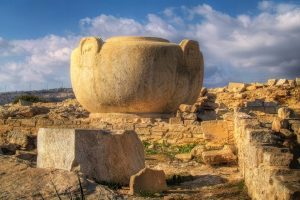
Amathus Acropolis Hellenistic Structures

Amathus Acropolis Hellenistic Structures

The acropolis of Amathus stands as evidence of the city's transformation during the Hellenistic period. When the kingdom fell to Ptolemaic rule around 312–311 BC, the focus of urban life shifted from the hilltop to the lower town, but this transition brought new construction that reshaped the ancient fortress into something different. spottinghistory-com Amathus was one of Cyprus's ancient royal city-kingdoms, established around 1100 BC on the southern coast. The site lies about 11 kilometers east of modern Limassol. For centuries, the acropolis served as both a natural fortress and a religious center, dominated by the sanctuary of Aphrodite. Archaeological evidence shows the city prospered through copper trade and maintained a unique cultural identity that blended Greek, Phoenician, and indigenous Cypriot traditions. The acropolis itself rises approximately 80 meters above sea level. Its elevated position provided defensive advantages and made it the natural location for the city's most important buildings, including the royal palace and the main sanctuary. Historical Background When Ptolemaic Egypt absorbed Cyprus in the early Hellenistic period, Amathus lost its status as an independent kingdom. Historical accounts suggest the acropolis was largely abandoned as administrative functions moved to the lower town. However, archaeological evidence tells a more complex story. britannica-com Despite claims of decline, excavations have revealed substantial new construction during the Hellenistic period. The acropolis received…

Read more
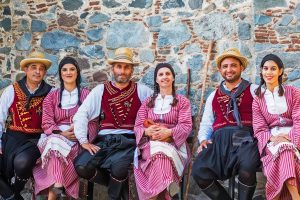
Panigyria Cyprus Villages

Panigyria Cyprus Villages

Across Cyprus, every village has at least one night each year when the roads feel a little busier, the air smells faintly of smoke and grilled meat, and familiar voices reappear as if they never left. The panigyri, the traditional village festival, is that moment: a lived ritual shaped by faith, agriculture, and the island’s instinct for togetherness, turning quiet communities into crowded, luminous meeting places where memory and belonging become tangible again. A Gathering of Everyone The word panigyri carries its meaning in its roots. It comes from the ancient Greek panēguris, built from pan (“all”) and agora (“gathering” or “marketplace”), and it points to an older world where people came together for religious, political, and cultural life in the same shared space. In Cyprus, that idea endured through centuries of change and settled into the calendar as the central annual pulse of village life. cyprus-mail-com Today, a panigyri usually marks a patron saint’s feast day or aligns with a seasonal moment tied to harvest and local rhythm, which is why it often feels both sacred and grounded, elevated and practical at the same time. It blends devotion with celebration, turning the village square into a social arena where residents, visitors, and returning diaspora find each other again, sometimes after years, sometimes after a single season away. What makes…

Read more

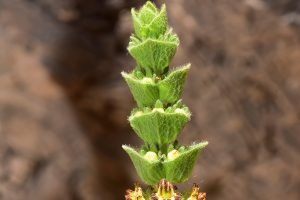
Blooms from the Ironclad Hills

Blooms from the Ironclad Hills

Picture a rugged cliffside in northern Cyprus, where a sturdy herb clings to limestone cracks, its yellow flowers nodding in the breeze like tiny suns defying the harsh terrain. This is mountain tea, or Sideritis, a group of wild herbs cherished across the Mediterranean, but in Cyprus, home to a rare endemic species that tells a story of resilience and ancient healing. www.inaturalist.org A Humble Herb with Aromatic Kin Mountain tea belongs to the vast mint family, a diverse clan of over 7,000 species that includes everyday favorites like basil, rosemary, and oregano – all sharing square stems and leaves brimming with fragrant oils. In simple terms, it's a wild shrub that thrives in sunny, dry spots, much like its relatives that spice up gardens and wild meadows worldwide. Roots in Healing Traditions The name Sideritis echoes ancient Greek for "iron," perhaps from its use in treating wounds from iron weapons or its tough, iron-like endurance. In Cyprus, its history ties back to early island dwellers who gathered wild herbs for teas and salves, much like across the Mediterranean where healers like Dioscorides praised it in texts from 2,000 years ago. Over centuries, it became a folk staple, brewed by shepherds for strength and shared in villages as a soothing sip amid the island's shifting empires and climates. Woolly Stems…

Read more