Explore Cyprus with Our Interactive Map

Explore our top stories and discover ideas worth your time.

Tamassos Mythical Ancestors

Tamassos Mythical Ancestors

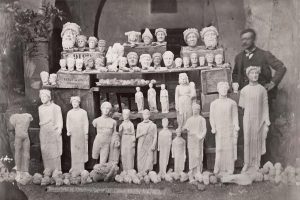
In ancient Cyprus, the mythical heroic ancestors of Tamassos were revered as semi-divine founders and protectors, linking the city's copper-rich lands to gods like Aphrodite and epic Greek heroes. These figures, from local legends to Trojan War descendants, explained the kingdom's prosperity and sacred status, blending human resilience with divine favor. Their stories turned hills and mines into living tales, inviting us to explore how myths rooted a community in its rugged inland home. A Kingdom Forged in Myth and Metal Nestled in Cyprus's central plains, Tamassos wasn't a coastal powerhouse like Salamis or Paphos - it was an inland gem, thriving on fertile soils and the island's legendary copper veins. Picture rolling hills dotted with olive groves and springs, where ancient people built a city-kingdom around 2000 BC that lasted through empires. Without sea views, its identity drew from the earth: copper mines that fueled Bronze Age trade, making it a hub for tools, weapons, and art. But Tamassos was more than mines; it was a sacred landscape where myths felt as solid as the ground. Heroic ancestors weren't fairy tales here - they were the glue holding community, ritual, and power together, explaining why this spot, amid the Mesaoria plain, was chosen by the gods for abundance and endurance. amricha-com Legends That Built an Inland Empire The heroic…

Read more

Madari Viewpoint Cyprus Panoramic Views

Madari Viewpoint Cyprus Panoramic Views

Madari Summit stands at 1,613 metres, securing the spot as the second-highest peak among the mountains in Cyprus. The Madari viewpoint sits atop Mount Adelfoi in the eastern Troodos range, offering unrestricted access to its summit, unlike Mount Olympus, where military installations block the highest point. livejournal-com The fire lookout station at the peak provides 360-degree views that stretch from the Turkish-occupied Pentadaktylos mountains in the north across the Mesaoria plain to the southern coast. Visitors can climb the open tower structure to gain even higher vantage points. The location draws photographers, nature enthusiasts, and hikers who want to experience Cyprus from its most panoramic natural viewpoint without the restrictions that limit access elsewhere in the mountains. Historical Development The Troodos Mountains formed approximately 90 million years ago as part of the Neotethys seafloor. The range rose slowly from the sea as a result of the collision between the African and European tectonic plates, a process that eventually formed the island of Cyprus. visitsolea-com The Madari area showcases the famous Troodos Ophiolite, one of the world's most complete and accessible examples of oceanic crust that has been lifted above sea level. Ophiolite formations include layers of oceanic crust and upper mantle rocks normally found deep beneath the ocean floor. As this process slowed and nearly ceased, the rock formations remained…

Read more
Traditional Shoemaking and Village Footwear

Traditional Shoemaking and Village Footwear

Traditional Shoemaking (Tsamika & Village Footwear) in Cyprus involves handmade leather footwear designed for agricultural and pastoral life, reflecting craftsmanship shaped by the island's environment. Tsamika, a type of sturdy boot, and other village shoes use local materials like goat hide for durability, with simple stitches and soles suited to rocky terrain. This tradition preserves ancient skills, where functionality meets cultural symbolism, offering a glimpse into how rural Cypriots adapted to their landscape through practical art. korali-homemade-com A Timeless Craft of Leather and Land Traditional shoemaking in Cyprus embodies a practical artistry where leather is shaped into footwear that supports the demands of farming and herding. Tsamika boots, with their high ankles and thick soles, and village shoes like low-cut "podinia" for lighter work, use tanned hides to create items that withstand the island's varied climates - hot summers, wet winters, and rugged paths. This craft, passed through family workshops, blends utility with subtle symbolism, such as stitched patterns for protection or colors echoing nature. It highlights how Cypriot artisans responded to environmental needs, turning animal byproducts into essential tools that defined rural identity and status. The Historical Roots of Cypriot Shoemaking The tradition dates to prehistoric times, with leather scraps from Neolithic sites like Choirokoitia (7000 BC) suggesting early foot coverings for hunting. By the Bronze Age (2500-1050 BC),…

Read more