Explore Cyprus with Our Interactive Map

Explore our top stories and discover ideas worth your time.

Ritual Function Over Aesthetic Realism

Ritual Function Over Aesthetic Realism

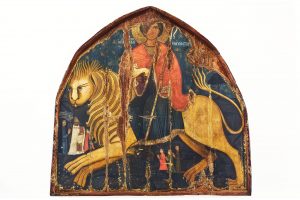
Ritual function over aesthetic realism in ancient Cypriot art meant creators focused more on making pieces that worked for spiritual purposes and clear symbols, rather than looking exactly like real life. This approach turned sculptures, pots, and carvings into tools for rituals, devotion, and symbolic clarity, putting heart and belief ahead of perfect looks. It's a style that makes art a bridge to the divine, sparking curiosity about what really mattered to island people long ago. A Style Built for Meaning, Not Mirrors Ancient Cypriot art placed practical use in rituals above lifelike details, creating items that served spiritual needs with bold, straightforward designs. Figures often appeared with exaggerated features or stiff poses, not from lack of ability, but to highlight symbols that carried deep significance. Across the island, from coastal temples to inland villages, this art helped connect communities with spirits, honor life's cycles, and bring order to daily existence. The simplicity allowed for easy recognition during ceremonies, where the focus stayed on the message rather than visual perfection. ajaonline-org The Roots of Purposeful Art Cypriot art's emphasis on ritual began in the Neolithic period, around 8500 BC, when early settlers shaped clay and stone into forms tied to their survival needs. Excavations at Choirokoitia, a southern village site from 7000 BC, uncovered basic figurines with minimal features, such…

Read more

Backbone Grain and Cereal Crops

Backbone Grain and Cereal Crops

Wheat and barley have shaped Cyprus more deeply than many of its monuments or political eras. Grown across central plains and foothills, these cereals supported village life, defined everyday food traditions, and helped communities endure drought, famine, and political change. This article explores how cereal farming developed on the island, why it mattered socially and culturally, and how grain continues to influence Cypriot life today. cyprusfoodmuseum-com An Island Fed by Grain, Not Spectacle Cyprus is often described through coastlines, ruins, and mythology, yet for most of its history, the island was sustained by something far more modest. Wheat and barley were not symbols of wealth or power. They were tools of survival. For thousands of years, grain farming shaped daily routines rather than grand narratives. Sowing followed the first autumn rains, harvest arrived before the summer heat became destructive, and storage was as important as production itself. In this sense, cereals formed the island’s quiet infrastructure, supporting life without drawing attention to themselves. Where Grain Grows and Why It Grows There Cereal cultivation in Cyprus has always been closely tied to geography. The broad central lowland known as the Mesaoria Plain lies between the Troodos Mountains and the Kyrenia range. Its relatively flat terrain and workable soils made it the island’s most reliable grain-producing region. fergusmurraysculpture-com Smaller cereal fields also…

Read more
Cyprus Mining Museum Skouriotissa

Cyprus Mining Museum Skouriotissa

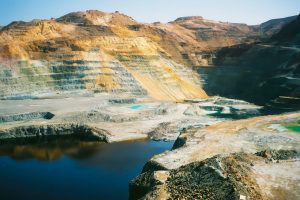
The Museum of Mining Heritage in Katydata village tells the story of Cyprus through its most defining resource: copper. Located near the Skouriotissa copper mine, the oldest continuously operated copper mine in the world, this small museum preserves the island's 4,000-year relationship with the metal that gave Cyprus its name. сvisitsolea-com The museum sits in the centre of Katydata village, next to the Community Council office. The village lies approximately 13 kilometres from Astromeritis, positioned in the Solea Valley where Cyprus's richest copper deposits concentrate. The Community Council and Emigrants Association of Katydata created the museum to document the mining heritage that shaped their region and connected Cyprus to ancient Mediterranean civilizations. Inside the Mining Caverns The first hall recreates the underground experience of working in Cyprus's copper mines. Designers modeled the space after the caverns of the Fukassa Mines, one of several ancient mining sites in the area. Large wooden beams support the low ceiling, mimicking the structural supports that prevented cave-ins in actual mine tunnels. The walls bear colours matching the minerals found in nearby deposits, giving visitors a sense of the geological environment miners worked within. visitsolea-com This immersive approach helps people understand the physical conditions of mining work. The damp caverns, low ceilings, and confined spaces tell a story beyond what artifacts alone could convey. Tools…

Read more