Explore Cyprus with Our Interactive Map

Explore our top stories and discover ideas worth your time.

Seasonal Folk Rituals in Cyprus

Seasonal Folk Rituals in Cyprus

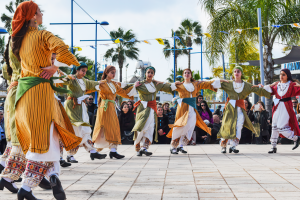
Seasonal folk rituals in Cyprus are vibrant traditions that blend ancient agrarian customs with Christian influences, marking the island's cycles of renewal, harvest, and protection. From spring bonfires warding off evil to autumn feasts celebrating abundance, these practices foster community bonds and a deep connection to the land. They offer a glimpse into how Cypriots have long navigated life's uncertainties through shared acts of faith and joy, keeping cultural roots alive in a modern world. Dom-com Echoes of an Agrarian Past Think of Cyprus as a place where the calendar isn't just dates on a page - it's a rhythm dictated by sun, rain, and soil. For millennia, life here revolved around farming and herding, where a good season meant plenty and a bad one spelled hardship. Seasonal folk rituals sprang from this reality, serving as ways to appeal to unseen forces for protection, fertility, and luck. They're not rigid ceremonies but flexible expressions of hope, passed down through generations in villages where everyone pitched in. Whether lighting a fire or sharing a meal, these acts made the unpredictable feel a bit more manageable, turning nature's turns into communal stories. A History Rooted in Survival and Faith These rituals stretch back to prehistoric times, around 3000 BC, when early Cypriots depended on the island's fertile valleys and copper-rich hills for…

Read more
Work Culture and Employment Opportunities in Cyprus

Work Culture and Employment Opportunities in Cyprus

The country sits at the crossroads of three continents. This strategic position has shaped its economy into a diverse hub for international business. Cyprus joined the European Union in 2004 and adopted the euro in 2008, which strengthened its position as a business center. vkcyprusgroup-com The economy grew by 3.6% in 2025, outpacing most eurozone countries. This growth stems from strong performance in tourism, information technology, financial services, and shipping. The island hosts over 1,500 active job listings at any given time, with companies actively seeking both local and international talent. Cyprus offers several practical advantages for workers. The corporate tax rate stands at 12.5%, one of Europe's lowest. English is widely spoken in business settings, particularly in cities like Nicosia and Limassol. The climate provides sunshine year-round, and the cost of living remains moderate compared to other EU nations. Understanding the Cypriot Work Environment Workplace culture in Cyprus blends European professionalism with Mediterranean warmth. Companies value relationship-building and personal connections as much as technical competence. Trust develops through consistent interaction, and many business relationships extend beyond office hours into social settings. The standard working week spans 38 to 40 hours across five days. Most offices operate from 8:00 AM to 5:00 PM, though some businesses follow split schedules with afternoon breaks. Employees can expect 20 days of paid annual…

Read more
Australian Pine

Australian Pine

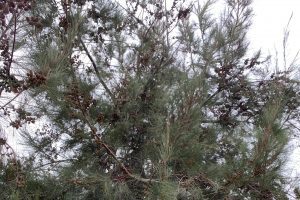
Picture yourself walking along a sandy Cypriot beach on a breezy afternoon, where tall, slender trees sway like green fountains, their needle-like branches rustling softly like the sea itself. These are the coastal she-oaks, or Casuarina trees, quiet guardians of our shores that have a story as intriguing as the waves they overlook. But how did these Australian natives find their way to our island paradise? www.wikimedia.commons.org Getting to Know the She-Oaks Coastal she-oaks belong to the Casuarinaceae family, a group of trees and shrubs mostly from the southern hemisphere that look a bit like pines but are actually flowering plants. In Cyprus, the main species you'll encounter is Casuarina equisetifolia, often just called she-oak or Australian pine, along with a few others like C. cunninghamiana and C. glauca. Locally, they're known as Καζουαρίνα (Kazouarina), a name borrowed from the Malay word for cassowary, because their drooping branches resemble the feathers of that big, flightless bird. A Journey Across Oceans These trees first grew in the sandy coasts and woodlands of Australia, Southeast Asia, and the Pacific islands, where they've been part of the landscape for millions of years. They arrived in Cyprus during the British colonial era in the late 19th and early 20th centuries, much like eucalyptus and acacia, brought in to help stabilize dunes, provide quick shade,…

Read more