Explore Cyprus with Our Interactive Map

Explore our top stories and discover ideas worth your time.

Byzantine Cyprus: Eastern Mediterranean Defense

Byzantine Cyprus: Eastern Mediterranean Defense

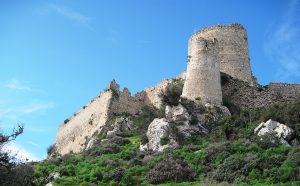
Cyprus was never a distant outpost of the Byzantine Empire. From late antiquity through the Middle Ages, it functioned as a frontline maritime shield, protecting the sea lanes that connected Anatolia, the Levant, and the Aegean. Byzantine naval defense on Cyprus was not limited to fleets and battles. It was a layered system combining geography, coastal fortifications, mountain surveillance, communication networks, and naval presence. Together, these elements allowed the empire to detect threats early, control movement at sea, and preserve stability in one of the Mediterranean’s most contested regions. pexels-com An Island Positioned to Watch the Sea Cyprus sits at a natural crossroads of the Eastern Mediterranean. From its shores, routes radiate toward southern Anatolia, Syria and Palestine, Egypt, and the Aegean. This position made the island unavoidable for any power seeking maritime dominance in the region. For the Byzantine Empire, Cyprus acted as a forward sentinel. Control of the island meant early visibility over naval traffic moving between the Islamic-controlled Levant and the Byzantine heartlands of Asia Minor. Losing Cyprus would have meant losing advance warning, leaving the southern coast of Anatolia and the Aegean islands exposed to sudden raids. This strategic reality shaped every aspect of Byzantine policy on the island. From Roman Province to Maritime Bastion In the early Roman and late antique periods, Cyprus was relatively…

Read more

Most Beautiful Coastal Routes to Drive

Most Beautiful Coastal Routes to Drive

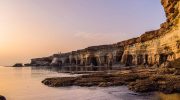
Cyprus offers some of the Mediterranean's most spectacular coastal drives. The island's shoreline stretches across hundreds of kilometers, combining turquoise waters with dramatic cliffs, hidden coves, and beaches rich in mythology. These routes showcase Cyprus's natural beauty while connecting historical sites, traditional villages, and protected nature areas. facebook-com The B6 coastal road between Paphos and Limassol provides one of Cyprus's most scenic drives. This route covers approximately 70 kilometers and takes about 90 minutes without stops, though the attractions along the way deserve considerably more time. The parallel A6 motorway offers faster travel, but the B6 keeps drivers closer to the coastline for better sea views. The route's highlight arrives at Petra tou Romiou, known internationally as Aphrodite's Rock. Located roughly 25 kilometers from Paphos, this dramatic sea stack marks the mythological birthplace of Aphrodite, goddess of love and beauty. According to legend, she emerged from sea foam near these distinctive limestone formations. The rough waters around the rocks create spectacular white foam, particularly during winter months when waves crash against the coastal cliffs. Governor's Beach, located near Pentakomo village between Limassol and the Akrotiri Peninsula, features distinctive chalk-white rock formations extending into the sea. The area includes multiple small coves separated by these limestone cliffs, creating private swimming spots popular with both locals and tourists. The contrast between white…

Read more
Roman Road Network Ancient Cyprus Routes

Roman Road Network Ancient Cyprus Routes

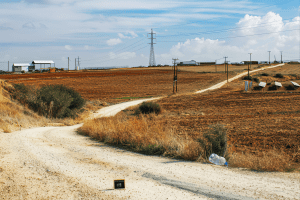
Cyprus already had roads before the Romans arrived. The earliest routes date back to the Bronze Age, and by the end of the Hellenistic period, a road network circled the entire island. These pre-Roman roads connected cities with their surrounding territories and linked major settlements along the coast. However, they were often simple tracks suitable for pedestrians and pack animals rather than the engineered highways Romans built elsewhere in their empire. pixabay-com When Cyprus became a Roman province in 22 BC under Emperor Augustus, the new administration inherited this existing network. The Romans added secondary roads and improved certain routes, but they did not rebuild the entire system to match the standards used in Italy or other provinces. This practical approach reflected Cyprus's geography and peaceful status. The island was stable enough not to require a large military presence, so the roads served primarily civilian purposes rather than rapid military deployment. Augustus and later Emperor Titus are credited in inscriptions as the creators of the formal Roman road system on Cyprus. The roads they established formed part of the imperial network, meaning they received official recognition and maintenance funding from Rome itself. How the Road System Worked The main roads formed a coastal highway that encircled the island, connecting all major cities. From this primary route, secondary roads branched inland…

Read more