Explore Cyprus with Our Interactive Map

Explore our top stories and discover ideas worth your time.

Vouni Palace in Cyprus

Vouni Palace in Cyprus

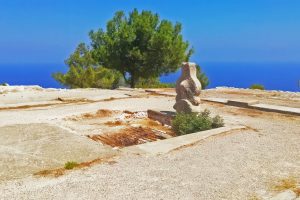
Perched on a rocky hilltop 250 meters above the Mediterranean Sea, the ruins of Vouni Palace stand as a remarkable architectural anomaly in ancient Cyprus. This site represents the only known example of Persian palace design not just on the island but throughout the entire eastern Mediterranean, built during one of history's most intense power struggles between two great civilizations. visitnorthcyprus-com Historical Background Around 500 BC, Cyprus found itself caught in the crossfire of the great wars between the Persian Empire and the Greek city-states. The island's ten kingdoms split into opposing camps, with some supporting the Persians and others backing the Greeks. This division led to bitter conflicts across Cyprus, on both land and sea. google-com The ancient city of Soli, located near modern Lefke on the northwest coast, firmly supported the Greek cause. This position threatened Marion, a nearby pro-Persian kingdom situated close to present-day Polis. King Doxandros of Marion, a ruler loyal to the Persian Empire, decided to take action against his pro-Greek neighbor. In 500 BC, Doxandros established a military settlement on a strategic hill overlooking Soli. The location was perfect for surveillance. From this elevated position, Persian forces could monitor all sea traffic along the coast and observe every activity in the city below. What began as a simple military outpost would transform into one…

Read more
Traditional Cypriot Cooking with Olive Oil, Lemon, and Herbs

Traditional Cypriot Cooking with Olive Oil, Lemon, and Herbs

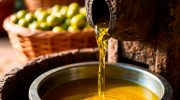
Traditional Cypriot cooking relies on three essential ingredients: olive oil, lemon, and fresh herbs such as mint, oregano, and parsley. This simple trinity defines the island's approach to food, creating dishes that emphasize natural flavors rather than complex techniques. Traditionally, cumin and coriander seeds make up the main cooking aromas of the island. somanyhorses-ru Olive oil serves as the primary fat for salad dressings and vegetable preparations, though not for cooking meat dishes. Lemon juice appears in nearly every savory dish, from marinades to finishing touches. Fresh herbs grow abundantly across Cyprus, with mint being particularly important. Mint grows abundantly in Cyprus, and locals use it for everything, particularly in dishes containing ground meat. This cooking philosophy developed over centuries of Mediterranean agriculture and remains central to Cypriot identity today. Ancient Roots of Olive Cultivation Greece started to produce its own olives on Minoan Crete and Cyprus in the Late Bronze Age. Historians suggest that in Cyprus, people were among the first in the world to learn how to extract oil from olives, with the first tools dating back to around the 12th to 6th centuries BCE. kiprinform-com These early implements consisted of stone millstones turned by donkeys that crushed olives between plates to yield oil. Archaeological evidence shows that Cyprus exported olive oil to Egypt, the Middle East, Greece,…

Read more

Akrotiri Peninsula

Akrotiri Peninsula

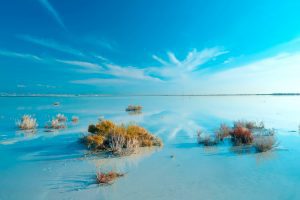
The Akrotiri Peninsula in the Limassol District marks the southernmost tip of Cyprus and also the southernmost part of Europe. This 123 square kilometer area contains the largest complex of natural wetlands on the island, centered around Akrotiri Salt Lake. allaboutlimassol.com The peninsula hosts over 300 recorded bird species, more than 800 indigenous plant species representing roughly 40 percent of all plants found on Cyprus, and critical habitats ranging from coastal sand dunes to Mediterranean juniper forests. Most of the peninsula lies within the British Sovereign Base Area of Akrotiri, territory retained by the United Kingdom when Cyprus gained independence in 1960. From Ancient Island to Protected Reserve The Akrotiri Peninsula was once a small island that merged with the rest of Cyprus through processes spanning thousands of years, creating what geologists call a double tombolo. The Kouris River carried sediment to create a land bridge on the western side at least 56,000 years ago, while the Garilis River later formed a second connection on the eastern side. This gradual process trapped seawater between the two land bridges, forming Akrotiri Salt Lake. The south cliffs of the peninsula, known as Aetokremmos, host the earliest known archaeological site in Cyprus and are believed to be the first part of the island inhabited by people during the pre-Neolithic period. The site contains…

Read more