Explore Cyprus with Our Interactive Map

Explore our top stories and discover ideas worth your time.

Cyprus Artisanal Sweets

Cyprus Artisanal Sweets

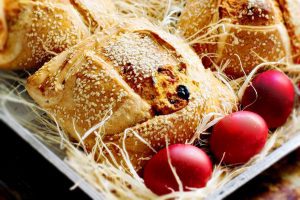
Cyprus has developed a distinctive collection of traditional sweets that reflect centuries of cultural exchange between Greece, the Middle East, and the Mediterranean. These artisanal treats are not luxury items but essential parts of daily life, religious celebrations, and village festivals. shutterstock-com From honey-soaked dough balls to sesame confections and refreshing milk puddings, Cypriot sweets combine simple ingredients with time-tested techniques to create memorable flavors. Each sweet tells a story of the island's agricultural abundance, its position as a crossroads of civilizations, and its commitment to preserving culinary heritage. Historical Context The tradition of sweet-making in Cyprus dates back to ancient Greece and Byzantium. Historical texts reveal that many current recipes have roots in Byzantine-era treats called plakoundes, pemmata, or melipikta. These early sweets were made with dough and natural sweeteners like honey, carob syrup, or grape must. The word halva derives from the Arabic term for sweetness, reflecting the Ottoman influence that shaped Cypriot cuisine for centuries. Loukoumades trace their history to 776 BC, when ancient Greeks offered honey-soaked dough balls as prizes to Olympic athletes. The tradition survived through Byzantine times, when monasteries made these treats during Lent because they contained only flour, yeast, water, and honey. As different cultures settled in Cyprus, they brought their own variations and techniques, creating the diverse sweet traditions that exist today.…

Read more

Mamonia Mélange Cyprus

Mamonia Mélange Cyprus

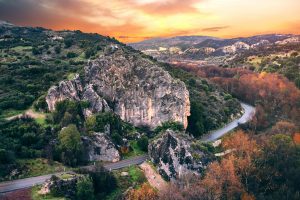
You can arrive at Mamonia without planning to. You stop to watch the sunset near Petra tou Romiou. You follow a narrow road inland from Paphos. You walk a riverbed after winter rain and pick up a stone that feels heavier and smoother than it should. The land looks familiar yet slightly unsettled. A hillside glows deep red. A green rock appears among pale gravel. A white cliff rises abruptly above darker slopes. VasilyPapkovskiy It takes a moment to realise the reason. You have not left Cyprus. You have stepped onto land that existed before the island itself. The Mamonia Mélange, a geological area occupying a large portion of West Cyprus: from Akamas Peninsula to Petra Tou Romiou and all the way up to Troodos foothills, belongs to the material tied to the African tectonic plate. Long before Troodos rose and long before Cyprus took shape, this land lay along the margin of the African continent facing the Neo-Tethys Ocean. When that ocean began to close, the seabed fractured violently. Mantle rock, submarine lava and coral reef were compressed together and later lifted above the sea, scrapping themselves ontop of slowly rising Troodos range. Much later the rest of Cyprus formed around it. Therefore, Mamonia Mélange represents an accretionary complex, a term geologists use to describe similar unique occurrences. The…

Read more
Why the Olive Tree Represents Peace in Cyprus

Why the Olive Tree Represents Peace in Cyprus

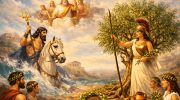
The olive branch appears on the flag of Cyprus and coat of arms of Cyprus, both using olive branches as symbols of peace between the communities of the country. The two crossed green olive branches on the national flag signify the hope for peace and reconciliation between the Greek and Turkish communities residing on the island. abmagazine-accaglobal-com These universal symbols of harmony are fundamental to the aspirations of the Republic of Cyprus, deliberately chosen when the island gained independence in 1960 to unite ethnic and cultural groups without favoring Greek Orthodox crosses or Turkish crescents. Athena's Gift to Athens The olive tree as a peace symbol traces its roots to Greek mythology. According to legend, Athena and Poseidon once argued and agreed to bestow gifts upon humans. Whose gift would be more useful, that side would win. Poseidon gifted people horses, undoubtedly magnificent and highly beneficial creatures for work and war. Athena, however, planted a spear in the ground, and it turned into a spreading olive tree. It not only bore fruit but also provided shade on a scorching hot day. People deemed Athena's gift much better than Poseidon's. Zeus declared Athena the winner, and the olive tree has been an important Greek mythological symbol ever since. The court of gods and goddesses ruled that Athena had the better right…

Read more