Traditional Animal Farming in Cyprus Rural Life
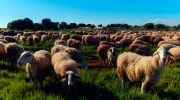
Traditional animal farming formed the economic and cultural foundation of Cyprus villages for millennia, with sheep, goats, cattle, pigs, and poultry sustaining rural communities through meat, milk, eggs, and raw materials for clothing and tools. The Bronze Age village of Politiko-Troullia from 2050 to 1850 BC already showed evidence of copper metallurgy alongside sheep, goat, cattle, and pig consumption, establishing patterns that persisted for 4,000 years. otzyv-ru Sheep and goat farming developed particular importance due to their suitability for Cyprus's rocky terrain, scrubland vegetation, and semi-arid climate. These hardy animals provided the milk for halloumi, Cyprus's most famous product, which traditionally used only sheep and goat milk before modern commercial production began adding cow milk. The island maintained approximately 3,500 shepherds and goat farmers into the 20th century who followed transhumance patterns between lowland winter pastures and mountain summer grazing. This traditional system collapsed during the 1980s as modernization, European Union regulations, and urban migration transformed animal husbandry from small family enterprises into larger commercial operations. Ancient Livestock Traditions and Bronze Age Evidence Archaeological excavations at Politiko-Troullia in the Troodos foothills revealed sophisticated Bronze Age livestock management strategies that combined herding with copper metallurgy and crop cultivation. Faunal analysis identified consumption of sheep, goat, cattle, and pig as daily subsistence, with community-scale ritual feasting focused on fallow deer. The inhabitants…
Read more