Explore Cyprus with Our Interactive Map

Explore our top stories and discover ideas worth your time.

Ancient Ledra Early History of Nicosia

Ancient Ledra Early History of Nicosia

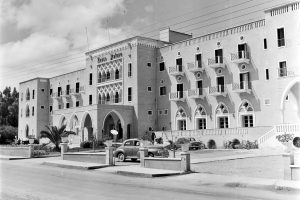
Ancient Ledra was a city-kingdom in the center of Cyprus where modern Nicosia stands today. It was established around 1050 BC and it became one of ten Cypriot kingdoms by the 7th century BC. Unlike coastal kingdoms that thrived on maritime trade, Ledra developed as an agricultural settlement in the fertile Mesaoria Plain. By Hellenistic times, it had dwindled to a small village before transforming into the capital city that continues to this day. oxfordre-com Archaeological remains from ancient Ledra have been found in several areas around modern Nicosia. The Bronze Age settlement was located on Leontari hill, approximately 6.5 kilometers southeast of the historical city center. This platform measures about 200 by 300 meters and includes a small cemetery. Historical Background The kingdom of Ledra appears for the first time in historical records on a clay prism of the Assyrian king Esarhaddon, dated to 672 BC. The inscription refers to the settlement as "Lidir" and records its ruler as "Unasagusu," generally identified as Onasagoras, the only king of Ledra whose name we know. He is listed ninth among ten Cypriot kingdoms that paid tribute to Esarhaddon. shutterstock-com The Assyrian text identifies Ledra as a "mat," meaning country or land, rather than a "kur," which denotes a city. This suggests that Ledra lacked a significant urban center and functioned more…

Read more
Freshwater Wetlands and Ponds Cyprus

Freshwater Wetlands and Ponds Cyprus

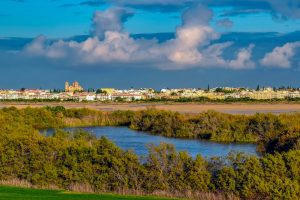
Freshwater Wetlands and Seasonal Ponds are temporary ecosystems in inland depressions across Cyprus, supporting amphibians, migratory waterfowl, and rare fish. These habitats form during winter rains, transforming dry basins into vibrant pools that host diverse life before evaporating in summer heat. Facebook.com They play a crucial role in the island's biodiversity, offering breeding grounds and stopovers in an otherwise arid landscape, highlighting nature's cyclical resilience. A Temporary Ecosystem Inland Freshwater wetlands and seasonal ponds in Cyprus represent ephemeral water bodies that appear in low-lying inland areas, filling with rainwater and runoff to create shallow, nutrient-rich habitats. These depressions, scattered across the Mesaoria Plains and Troodos foothills, range from small ponds of a few square meters to larger wetlands like the one at Paralimni, covering up to 2 square kilometers in wet seasons. wikipedia.org They support amphibians like the green toad, migratory waterfowl such as teals, and rare fish species adapted to fluctuating water levels. This temporary nature - flooding in winter (November-March) and drying in summer (June-September) - fosters a dynamic ecosystem where life cycles sync with rainfall, making them vital for species survival in Cyprus's semi-arid climate. Historical Formation and Evolution These ecosystems formed during the Holocene epoch around 10,000 years ago, as post-glacial climate shifts created depressions from river erosion and tectonic subsidence, per geological studies by the…

Read more

Fitness Culture in Cyprus

Fitness Culture in Cyprus

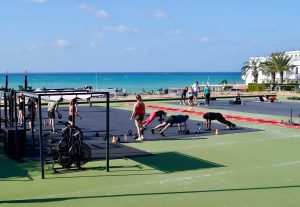
Cyprus combines Mediterranean climate with diverse terrain to create ideal conditions for outdoor fitness and recreation. The island's 340 days of annual sunshine allow year round sports participation that northern European countries cannot match. From golden beaches to mountain trails at 2,000 meters elevation, the natural environment encourages active living beyond indoor gym walls. flickr-com Cypriots embrace outdoor activities including hiking, swimming, cycling, and team sports that integrate fitness into daily routines. The culture values physical activity not just for health but as social engagement, with sports clubs and outdoor groups creating community bonds. This natural integration of movement into life makes Cyprus attractive for families and professionals seeking healthier lifestyles than sedentary urban environments allow. Traditional gyms serve serious fitness goals Modern gym facilities operate across all major cities and tourist areas, offering equipment and classes that meet international standards. New Body Gym ranks as one of the leading health clubs, providing comprehensive workout environments with certified personal trainers. Oxygen Gym has operated since 1996 as a pioneer in the fitness industry, offering weight classes and varied services. marriott-com Tower Fitness in Peyia serves the Paphos area with high-quality facilities and professional instruction. Sanctum Spa and Fitness at Limassol Marina combines luxury amenities with serious training options. UN1T offers comprehensive strength and conditioning programs designed to deliver measurable results…

Read more