Explore Cyprus with Our Interactive Map

Explore our top stories and discover ideas worth your time.

Cyprus Eastern Mediterranean Crossroads

Cyprus Eastern Mediterranean Crossroads

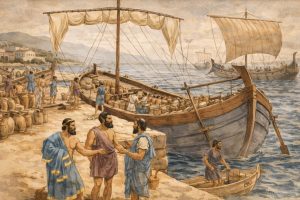
Cyprus sits quietly at sea, but its position has never been passive. For thousands of years, the island has stood close to the main maritime routes linking Europe, the Middle East, and North Africa. Empires did not value Cyprus for its size or population, but for its ability to observe, connect, and influence movement across the eastern Mediterranean. To understand Cyprus is to understand the sea around it, because the island’s history, economy, and regional role have always been shaped by passing ships and shared horizons. wikipedia-com Where Geography Turns into Influence A strategic maritime position is not about domination; it is about proximity. Cyprus lies near the natural crossroads of the eastern Mediterranean, where east–west and north–south sea routes converge. Ships travelling between the Aegean and the Levant pass close by, as do routes linking southern Turkey with Egypt and the wider gateway of the Suez Canal. This location places Cyprus within easy reach of three continents at once. From its shores, maritime connections extend toward southern Europe, the Middle East, and North Africa with minimal deviation. Few islands occupy such a balanced position — close enough to matter, distant enough to endure. An Island Shaped by Moving Water, Not Borders Cyprus has never been a landlocked power, and it has rarely defined itself through territorial expansion. Instead, its…

Read more
Traditional Animal Farming in Cyprus Rural Life

Traditional Animal Farming in Cyprus Rural Life

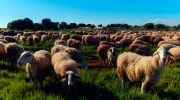
Traditional animal farming formed the economic and cultural foundation of Cyprus villages for millennia, with sheep, goats, cattle, pigs, and poultry sustaining rural communities through meat, milk, eggs, and raw materials for clothing and tools. The Bronze Age village of Politiko-Troullia from 2050 to 1850 BC already showed evidence of copper metallurgy alongside sheep, goat, cattle, and pig consumption, establishing patterns that persisted for 4,000 years. otzyv-ru Sheep and goat farming developed particular importance due to their suitability for Cyprus's rocky terrain, scrubland vegetation, and semi-arid climate. These hardy animals provided the milk for halloumi, Cyprus's most famous product, which traditionally used only sheep and goat milk before modern commercial production began adding cow milk. The island maintained approximately 3,500 shepherds and goat farmers into the 20th century who followed transhumance patterns between lowland winter pastures and mountain summer grazing. This traditional system collapsed during the 1980s as modernization, European Union regulations, and urban migration transformed animal husbandry from small family enterprises into larger commercial operations. Ancient Livestock Traditions and Bronze Age Evidence Archaeological excavations at Politiko-Troullia in the Troodos foothills revealed sophisticated Bronze Age livestock management strategies that combined herding with copper metallurgy and crop cultivation. Faunal analysis identified consumption of sheep, goat, cattle, and pig as daily subsistence, with community-scale ritual feasting focused on fallow deer. The inhabitants…

Read more

How Climate Shapes Outdoor Lifestyles in Cyprus

How Climate Shapes Outdoor Lifestyles in Cyprus

Cyprus enjoys approximately 340 sunny days annually, making it one of the sunniest locations in the Mediterranean. This exceptional weather creates a culture where outdoor activities dominate daily life year-round. The island experiences long, dry summers from mid-May to mid-October and mild winters from December to February. Shutterstock-com Average annual temperature on the coast reaches around 26 degrees Celsius during the day and 17 degrees at night. The warm season lasts about eight months, beginning in April and ending in November. This climate allows residents and visitors to maintain active outdoor lifestyles regardless of season. Why Cyprus Developed an Outdoor Culture The island sits at the crossroads of Europe, Asia, and Africa. Its position attracted ancient civilizations including Phoenicians, Greeks, Romans, Byzantines, Venetians, Ottomans, and British. Each culture adapted to the Mediterranean climate by organizing life around weather patterns. People worked early mornings before heat intensified, took midday breaks during peak temperatures, then resumed activities in cooler late afternoons. Ancient Greeks established the concept of symposia, outdoor gatherings for discussion and meals. Romans built open-air theaters and baths to take advantage of pleasant weather. Byzantine churches incorporated courtyards for outdoor worship. These historical patterns created traditions that continue today. The climate essentially forced outdoor living, and over centuries this necessity became cultural preference. The British colonial period from 1878 to…

Read more