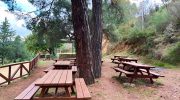
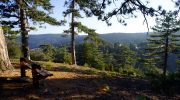
The Gefyria Natural Trail stands as a hidden jewel within the dense emerald canopy of the Paphos Forest. This path winds through a landscape where history and nature merge into one seamless experience. It follows the ancient routes that camel caravans once used to transport copper across the island. Every step reveals the architectural brilliance of the Venetian era through three iconic stone bridges. The air here carries the scent of pine and wild herbs.
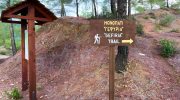
It provides a sanctuary for those who seek solace away from the coastal crowds. Travelers walk beside clear streams that flow year-round. This journey offers a profound connection to the silent past of Cyprus.
Trail Overview
- Location: Paphos Forest, near Vretsia and Pera Vasa villages, Cyprus.
- Distance: 7.5 miles (12 km) for the full linear route.
- Route Type: Point-to-Point (Linear).
- Difficulty: Moderate.
- Elevation Gain: 320 meters.
- Duration: 3.5 – 4 hours.
- Best Time to Visit: March–May or September–November.
- Terrain: Forest floor, dirt tracks, and occasional rocky slopes.
The Historical Significance of the Venetian Bridges
The Gefyria Natural Trail derives its name from the magnificent stone structures that span the Platys River. These bridges date back to the 15th and 16th centuries when the Venetians ruled the island.
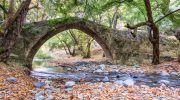
They served as vital links for the trade of ore and timber from the Troodos Mountains to the ports. Each arch reflects a level of craftsmanship that has withstood centuries of seasonal floods. The stones fit together with precision. No modern mortar can match the aesthetic grace of these semi-circular spans.
As you stand upon the Roudia Bridge, you feel the weight of centuries beneath your feet. This segment of the trail acts as a living museum. It preserves the legacy of a time when the mountain interior was the economic heart of the island.
Flora and Fauna of the Paphos Forest
Nature thrives in abundance along this protected corridor. The trail passes through thick clusters of Golden Oak and Calabrian Pine. These trees provide a cool canopy even during the heat of the day.
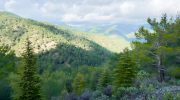
You may spot the endemic Cyprus Mouflon if you move quietly through the undergrowth. This wild sheep is a national symbol and remains quite shy. Birdwatchers often hear the call of the Scops Owl or the endemic Cyprus Warbler.
Rare orchids bloom in the shade during the spring months. The ecosystem remains fragile but vibrant. Water stays present in the riverbed which supports various amphibians and freshwater crabs. The biodiversity here ensures that every season brings a new visual palette to the landscape.
A Walk Through Time: From Elia to Roudia
The route begins near the Elia Bridge, a structure that takes its name from the olive trees nearby. From here, the path ascends gently through the river valley. The sound of running water remains a constant companion. You reach the Kelephos Bridge next, which is perhaps the most famous of the trio.
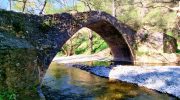
It sits at a picturesque bend where the water pools into deep basins. The final stretch leads to the Roudia Bridge, tucked away in a more secluded part of the woods. This section requires more effort due to the steady incline. The reward is a view of a bridge that feels almost mystical in its isolation. Each landmark serves as a goal that keeps the pace steady and the mind engaged.
Practical Tips for the Journey
Preparation is key to a successful hike on the Gefyria Natural Trail. The path is linear, so you must arrange transport at the finish or plan to walk back. Mobile signal is often weak or non-existent in the deep valleys. Always carry a physical map or download an offline version before you start. Sturdy boots are essential because the ground contains loose stones and pine needles.
Water sources are scarce outside of the river itself, so pack at least two liters per person. Local weather can change rapidly in the mountains. A light jacket helps if the wind picks up or the sun sets. Respect the environment by staying on the marked path. This helps to protect the rare plants that grow near the trail edges.
The Geologic Beauty of the Troodos Range
The rocks along the trail tell a story that is millions of years old. This area belongs to the Troodos Ophiolite, a piece of oceanic crust that rose from the sea. You see gabbro and diabase rocks that bear the marks of ancient volcanic activity. The soil is rich and red in some parts which supports the dense vegetation.
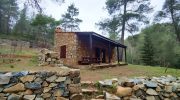
Massive boulders sit in the riverbed, smoothed by the flow of water over eons. These geological features create a rugged backdrop for the delicate stone bridges. The contrast between the hard mountain rock and the fluid architecture is striking. It reminds visitors of the human effort required to tame such a wild environment.
Why This Trail Surpasses Others
Many trails in Cyprus offer sea views, but Gefyria provides a different kind of beauty. It focuses on the interior soul of the island. The shade of the forest offers a reprieve from the harsh Mediterranean sun. It is a place for quiet reflection rather than loud social gatherings.
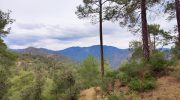
The trail is wide enough for comfort but narrow enough to feel intimate. It lacks the commercial clutter found in more touristy spots. You find no shops or cafes here, only the raw beauty of the woods. This lack of development preserves the authentic character of the Paphos Forest. It remains one of the few places where the past feels close at hand.
Accessibility and Navigation
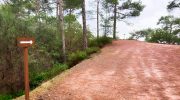
Reaching the trailhead requires a sturdy vehicle as the access roads are often unpaved. Most hikers drive from the Paphos or Limassol districts. Clear signs mark the start points near the bridges. The trail itself features wooden markers at regular intervals. These markers show the distance covered and the direction to the next bridge.
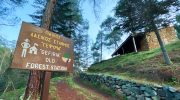
The path is well-maintained by the Department of Forests. Even so, the winter rains can sometimes cause small landslides. It is wise to check local forest alerts before you depart. The physical demand is consistent but never overwhelming for a fit person. Families with older children often enjoy the sense of adventure the route provides.