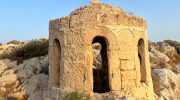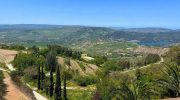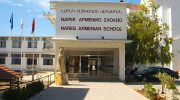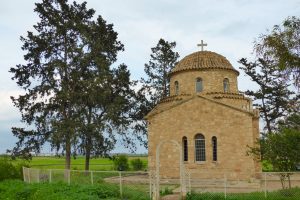
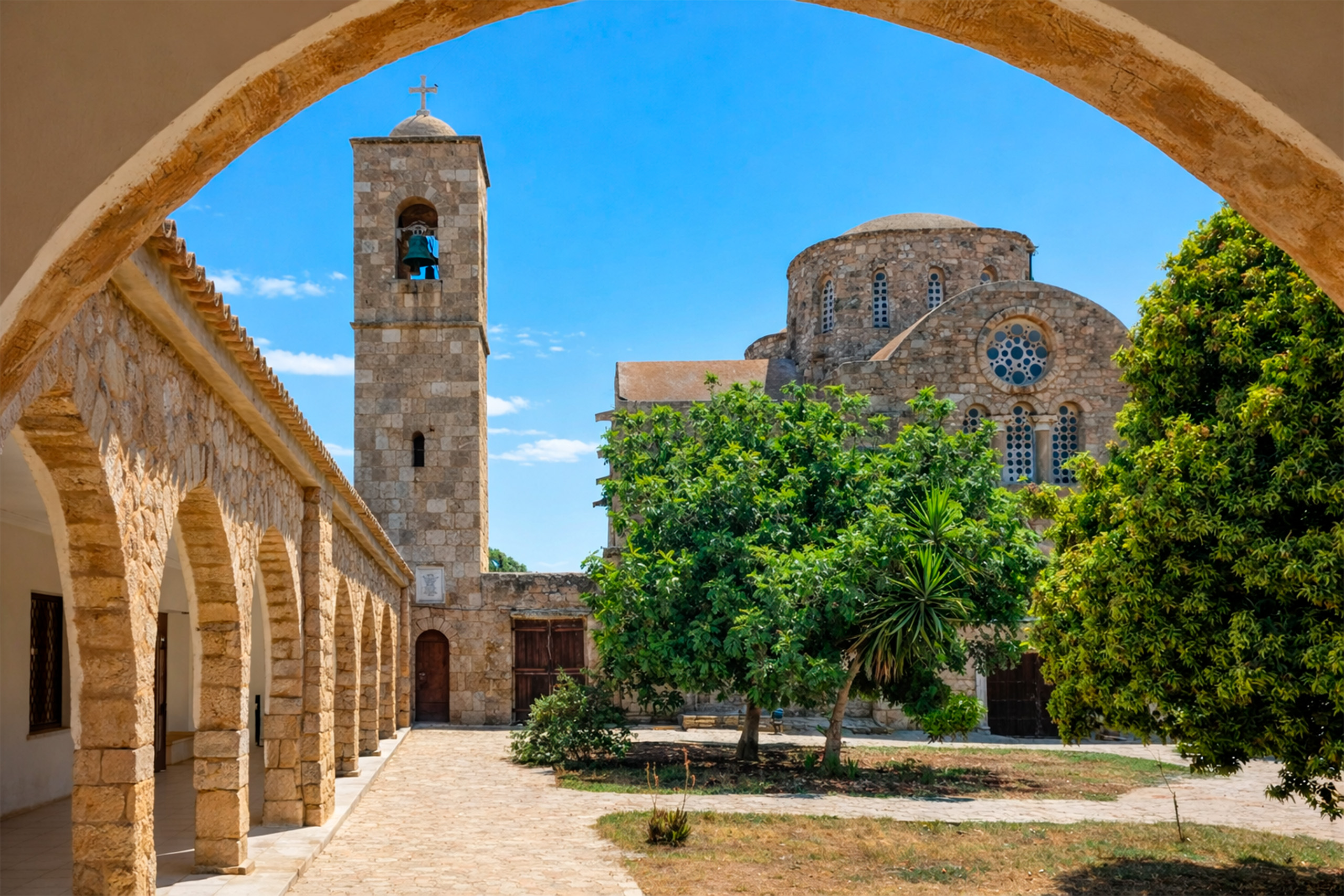
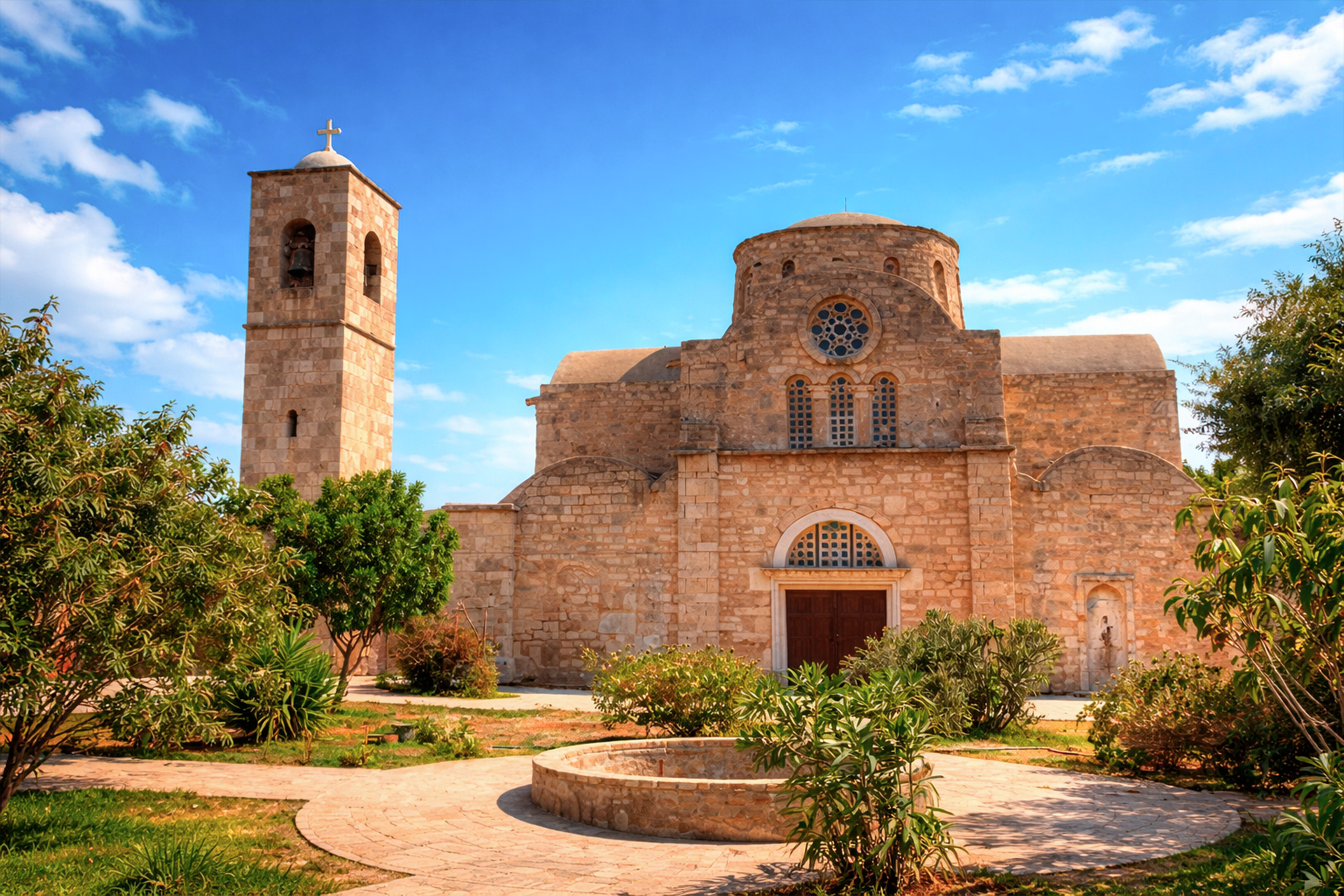
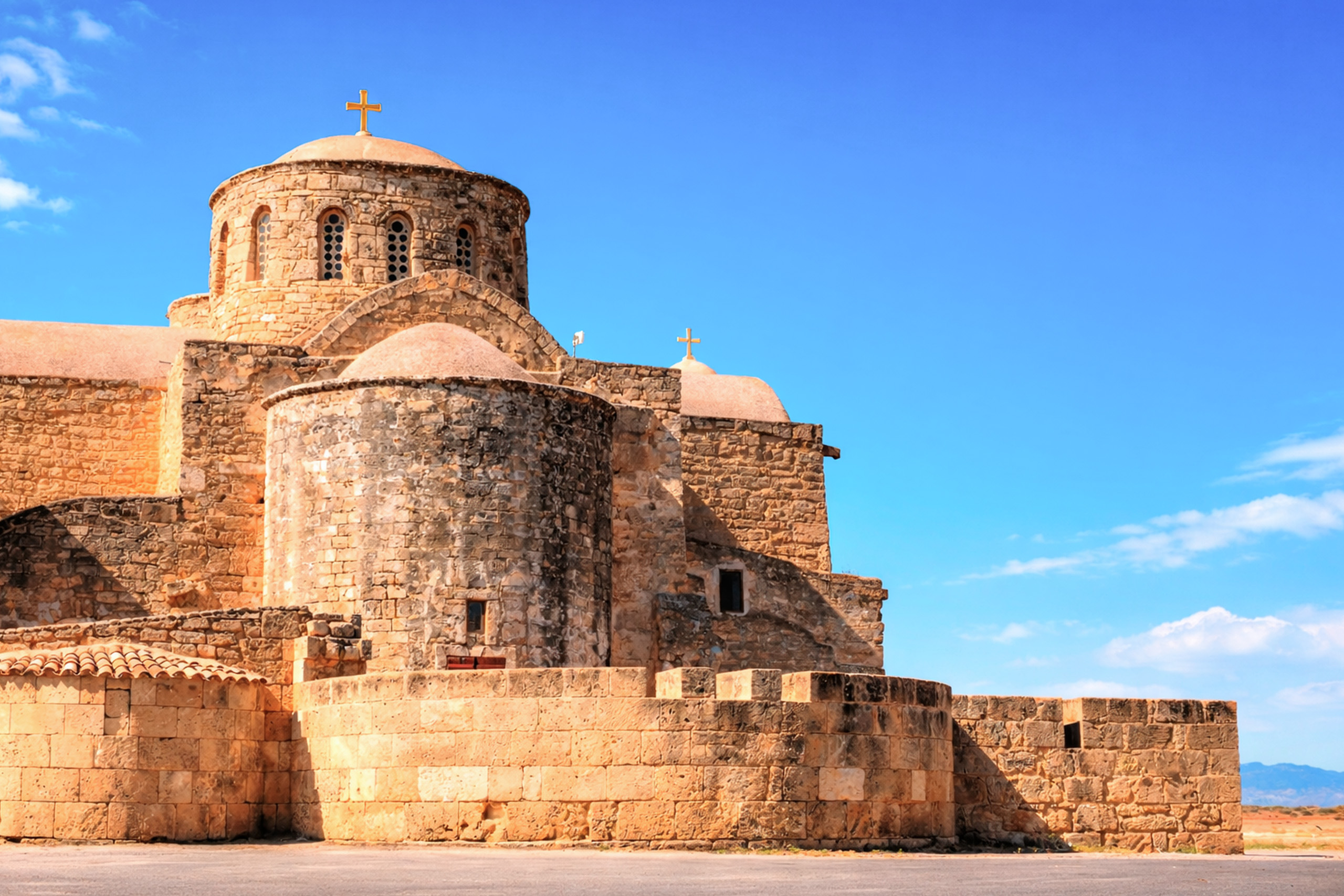
Saint Barnabas Monastery is a historical monastic complex located near the ancient city of Salamis, close to modern-day Tuzla in Cyprus. The site is associated with early Roman-era history and later Byzantine and Ottoman-period developments, and today functions primarily as a museum and archaeological landmark reflecting the island’s layered cultural heritage.
The monastery stands within a landscape that includes the ruins of Salamis, one of the most important ancient urban centers of Cyprus. This proximity gives the site additional archaeological significance, as it connects monastic history with earlier Greco-Roman urban settlement patterns.
Historical Background
The site is traditionally linked to Barnabas, a historical figure associated with the early spread of new religious movements in the eastern Mediterranean during the 1st century AD. In historical sources, he is described as being of Cypriot origin and connected to early communities in Jerusalem and Antioch. These accounts place him within broader networks of cultural and religious exchange under Roman rule.
Barnabas is also mentioned in early textual traditions as being involved in supporting emerging communities and in facilitating connections between different groups operating in cities across the Roman Empire. His name appears frequently in early historical writings that describe the formation of organized teaching networks in the eastern provinces.
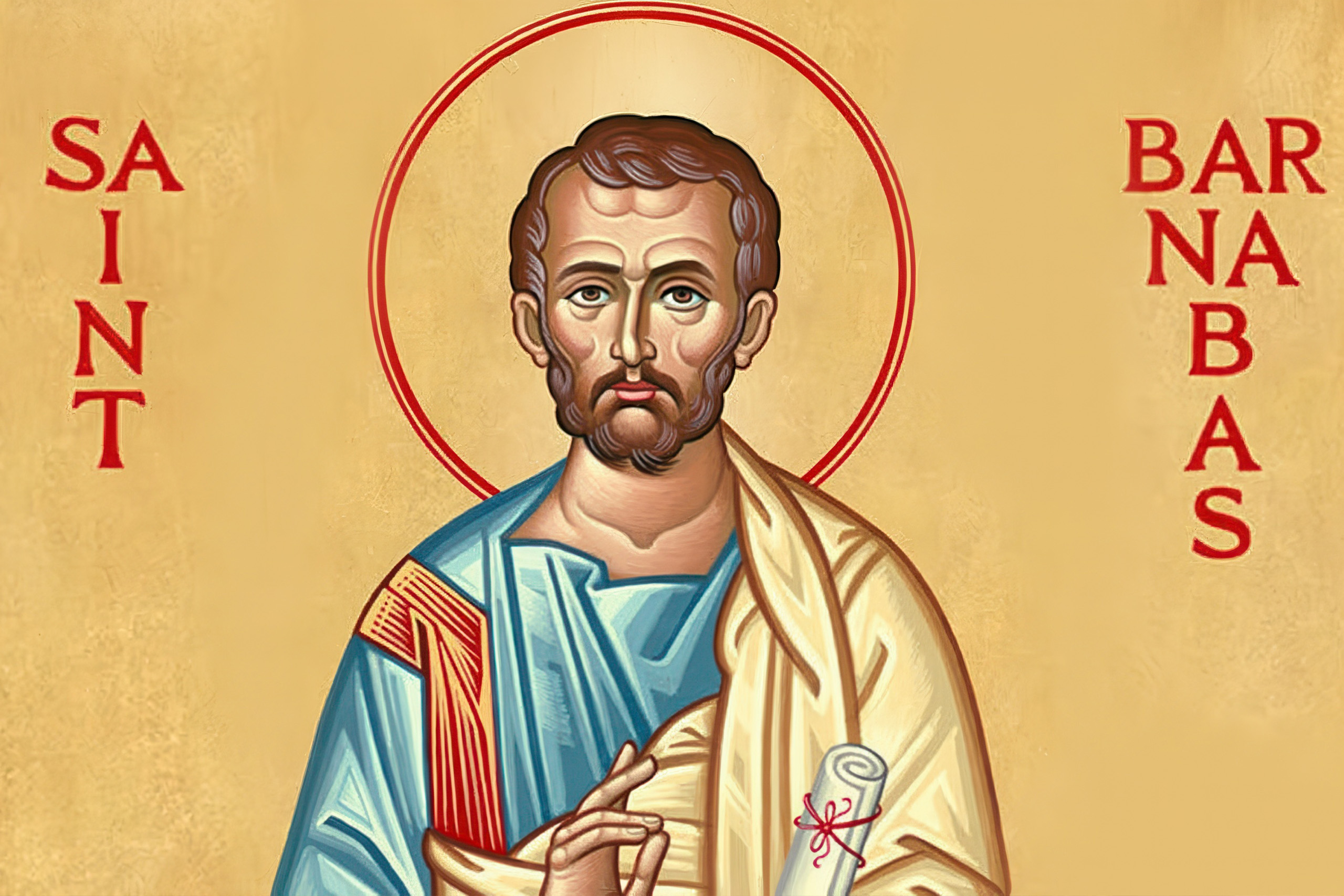
Historical interpretations suggest he played a mediating role in the integration of new members into early communities, particularly during periods when these groups were still loosely structured and geographically dispersed.
Journey to Cyprus
Around the mid-1st century AD, Barnabas is described in historical sources as traveling with Paul during a journey that included Cyprus as one of its key destinations. They are said to have arrived at Salamis, a major port and administrative center of Roman Cyprus.
From Salamis, the journey continued across the island toward Paphos, the Roman administrative capital. These locations were important urban centers during the Roman period and served as hubs of administration, trade, and cultural interaction.
In Paphos, historical accounts describe interactions with Roman officials and local advisors, reflecting the way new religious and philosophical ideas circulated within administrative environments of the Roman Empire. These encounters are often cited in historical literature as examples of early ideological exchange between local populations and Roman governance structures.
The Disagreement and Return to Cyprus
Following the initial journeys, Barnabas is described in historical tradition as later returning to Cyprus after periods of travel through other eastern Mediterranean regions. Accounts suggest a separation between him and Paul during subsequent missions, after which Barnabas continued activity in Cyprus while Paul traveled elsewhere.
Traditional narratives place Barnabas’s final years in Salamis, where he is believed to have continued teaching activities within local communities. Historical sources vary regarding the exact circumstances of his death, reflecting differences in later manuscript traditions and oral transmission. Over time, the burial site associated with Barnabas became part of local tradition near Salamis, often described as being located in a cave-like structure outside the ancient city boundaries.
Discovery of the Burial Site
In the late 5th century AD, during the reign of Emperor Zeno, ecclesiastical authorities in Cyprus reportedly initiated excavations near Salamis following interpretations of earlier traditions and local accounts. These excavations were said to have uncovered a burial site beneath a carob tree.
Later historical writers, including Theodoros Lector, recorded that human remains and a manuscript attributed to early religious texts were found at the site. These accounts were later used in historical debates concerning the organizational structure and independence of religious institutions in Cyprus during late antiquity.
From a historical perspective, these narratives are considered part of the broader development of ecclesiastical identity and institutional legitimacy in the eastern Mediterranean during the Byzantine period.
Archaeological Site and Museum Development
During the 20th century, the monastic complex near Salamis remained a small active site with limited religious activity. Following the political changes in Cyprus in 1974, the area came under administration in the northern part of the island. The site was later developed into a museum complex focusing on Cypriot religious art and archaeological heritage. In 1991, restoration efforts converted the main church structure into an icon museum.
The museum collection includes Cypriot icons, wooden ecclesiastical furnishings, and liturgical objects dating mainly from the 18th century and later periods.
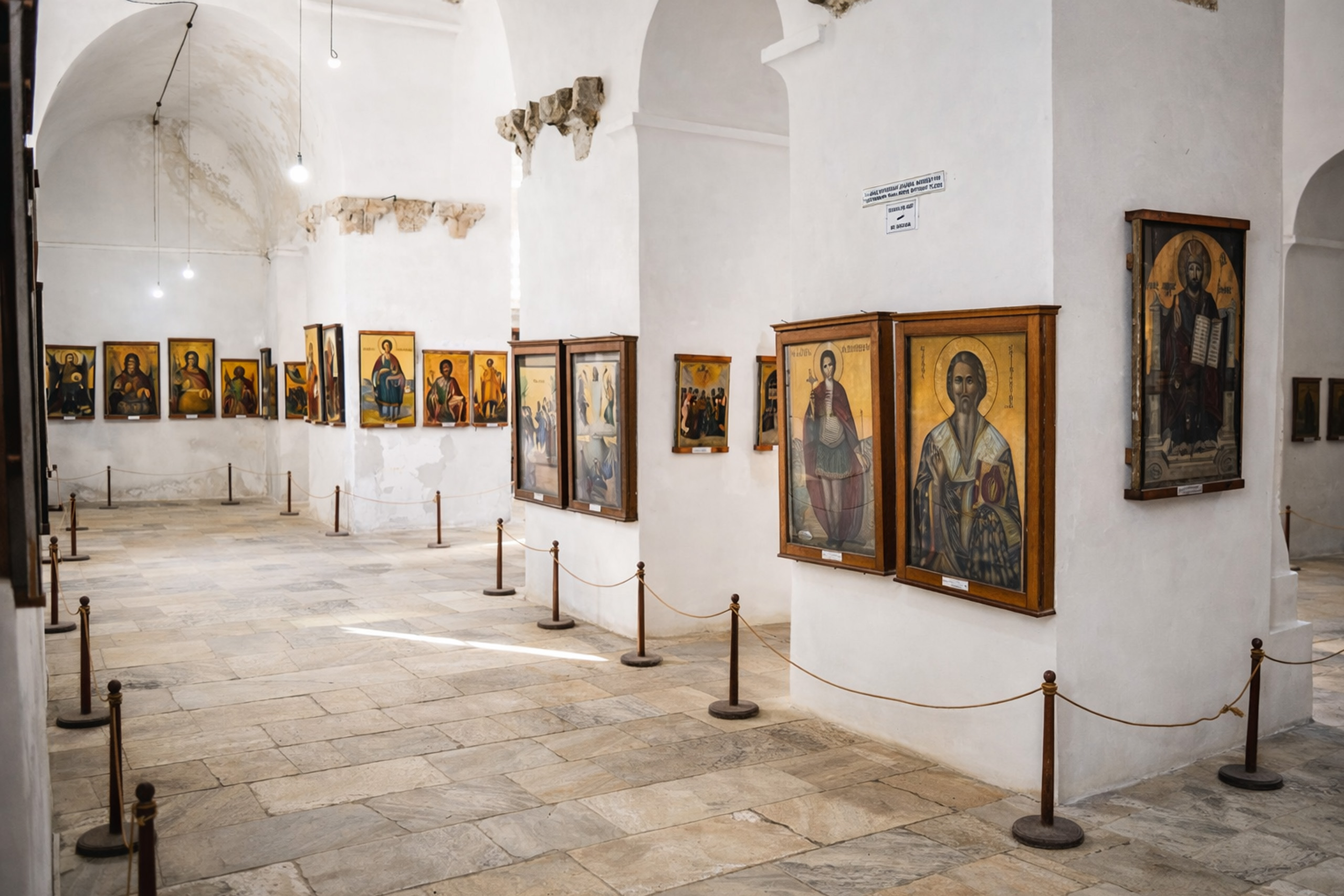
These artifacts reflect the artistic traditions of Byzantine-influenced religious art in Cyprus over several centuries. Adjacent archaeological areas around Salamis provide broader context for understanding Roman and Byzantine urban development on the island.
Visiting the Monastery
The Saint Barnabas Monastery museum is located near Tuzla village, approximately 6–8 kilometers west of Famagusta. It is accessible via main roads connecting the region with the ancient site of Salamis.
The museum is open to visitors throughout the week, with entry fees supporting conservation and maintenance efforts. Exhibitions include religious art, archaeological artifacts, and interpretive displays explaining the historical evolution of the site and surrounding region.
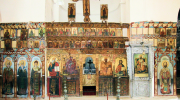
Visitors can also access a small underground chamber associated with burial traditions, presented as part of the site’s archaeological interpretation. This area is reached via a staircase and is preserved for educational and historical viewing.
A Symbol of Faith and Independence
Saint Barnabas Monastery is considered an important cultural and archaeological site due to its association with early Roman-period traditions and its proximity to Salamis, one of Cyprus’s major ancient cities.
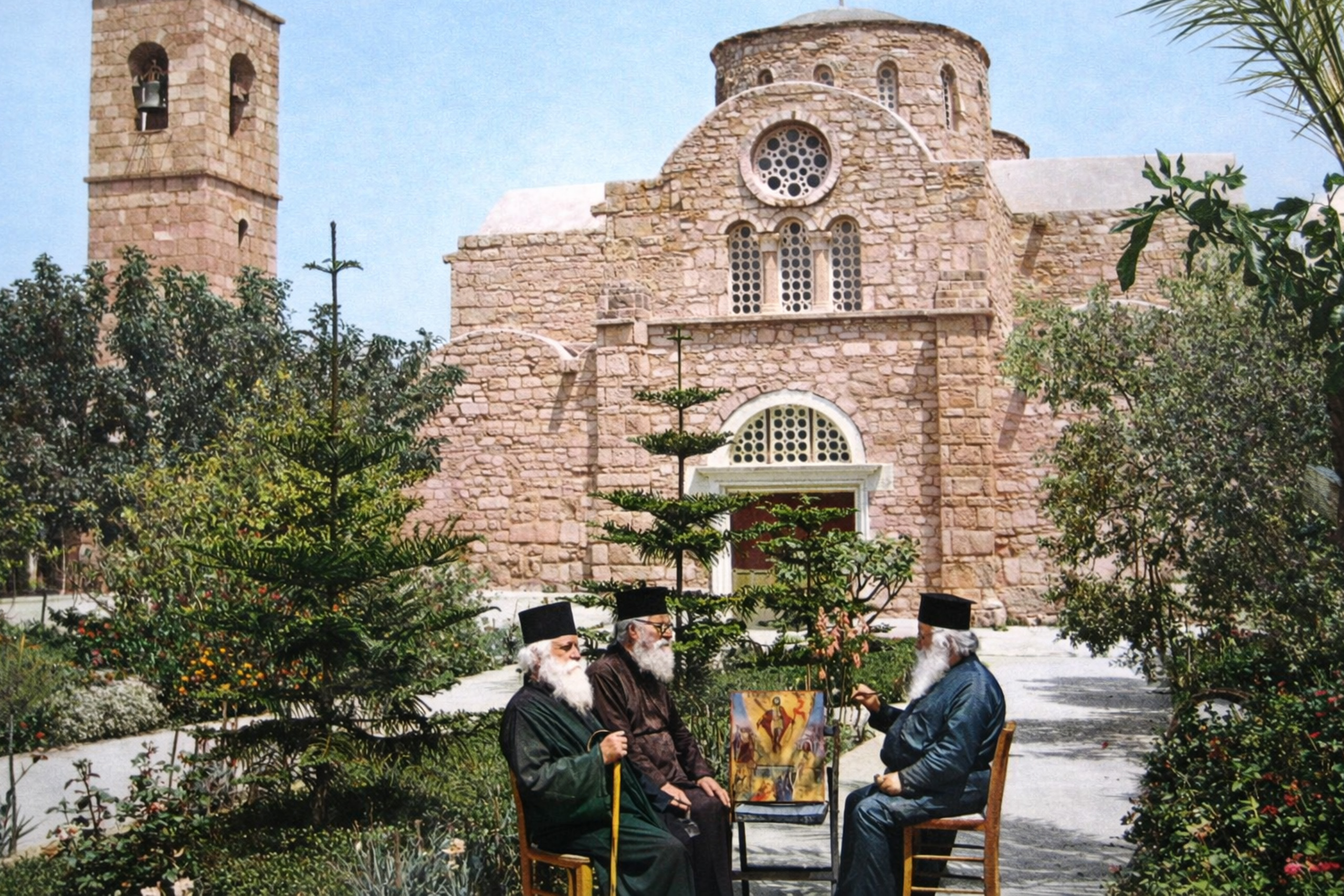
The site reflects the broader historical processes of cultural transformation in Cyprus during the Roman and Byzantine periods, including the spread of new religious movements, the development of institutional structures, and the preservation of historical memory through later traditions.
Today, the monastery functions primarily as a museum and heritage site. It is studied for its archaeological value, its architectural remains, and its role in representing the historical layering of Cypriot civilization from antiquity through the medieval and modern periods.