Explore Cyprus with Our Interactive Map

Explore our top stories and discover ideas worth your time.

Cyprus Harvest Fairs And Seasonal Community Life

Cyprus Harvest Fairs And Seasonal Community Life

Cyprus villages maintain a rich tradition of harvest festivals that mark seasonal agricultural cycles and bring communities together in celebration. These fairs occur throughout the year, each timed to specific crop harvests from strawberries in spring to grapes in autumn. The Troodos Mountain villages and lowland agricultural communities organize events that transform quiet settlements into bustling centers of food, music, dance, and traditional crafts. These gatherings serve purposes beyond simple celebration, functioning as economic opportunities for producers, educational experiences for younger generations, and cultural affirmations of village identity centered on agricultural heritage. Spring Festivals of Early Harvests The agricultural year begins in May with strawberry festivals in villages like Deryneia, the island's largest strawberry producer. The fertile red soil favors cultivation, with harvest running from November to June. Festival organizers offer free fresh strawberries, strawberry juice, jam, liquor, candy, and ice cream to thousands of visitors who arrive during the celebration. The festivities include music performances, traditional dances, and children's activities. Cherry festivals dominate June across Troodos Mountain villages including Kampos tis Tsakistras, Pedoulas, Platanistasa, and Treis Elies. These mountain settlements benefit from cooler climate that suits cherry trees, which dislike extreme heat. Pedoulas, located in the Marathasa Valley, organizes one of the largest celebrations drawing over 10,000 people annually. The festival features packed schedules with cooking demonstrations, children's activities,…

Read more
Panigyria Festivals and Village Traditions

Panigyria Festivals and Village Traditions

Village festivals in Cyprus, known as panigyria, are feast-day gatherings where worship, food, music, and shared space briefly restore villages to their fullest social life. Anchored to patron saints and seasonal rhythms, they pull families back from cities and the diaspora, turning squares and streets into places of blessing, hosting, and collective memory. This article explains how panigyria work from procession to shared tables, why each village’s celebration feels distinct, and how visitors can participate without disrupting the local rhythm. At a glance • What they are: village feast days tied to saints, seasons, or harvests• Where they thrive: rural and mountain villages across Cyprus• Best time: late spring through early autumn• What defines them: faith, food, music, shared space, and continuity• Why they matter: they keep village identity active, not symbolic A Festival Built on Return For most of the year, Cypriot villages move quietly. Families live apart, younger generations work in cities, and daily life stays contained behind closed doors. A festival changes that rhythm. A panigyri is a reason to return. People come back to their village not as visitors but as participants. Doors open. Food is prepared in quantities meant for sharing. The village square stops being a shortcut and becomes the centre again. What might look like a celebration from the outside is, at its…

Read more
Why Troodos Mountains Are a UNESCO Geopark

Why Troodos Mountains Are a UNESCO Geopark

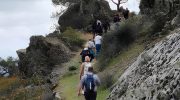
The Troodos Mountains occupy the central part of Cyprus, covering approximately 1,147 square kilometers or about 15 percent of the island. UNESCO designated Troodos as a Global Geopark in 2015 due to its exceptional geological significance. The mountain range represents an ophiolite, which is an uplifted fragment of oceanic crust and upper mantle that formed 92 million years ago during the Upper Cretaceous period. The highest peak, Mount Olympus, reaches 1,952 meters above sea level. What makes Troodos extraordinary is that the deepest rocks now sit at the highest elevations due to a dome structure created by tectonic forces. Visitors walking through Troodos can literally travel from the Earth's upper mantle to the ancient seafloor within a single day. The area contains 38 geosites that display this geological marvel, making it one of the most complete and best preserved ophiolite sequences in the world. Scientists consider Troodos the gold standard for understanding how oceanic crust forms and evolves. How ocean crust ended up on land The Troodos ophiolite formed in the Neotethys Ocean by seafloor spreading above a subduction zone approximately 92 to 82 million years ago. At that time, the African and Arabian tectonic plates were converging with the Eurasian plate. New oceanic crust formed as magma rose from the mantle and solidified at the spreading center. The process…

Read more