

Festivals and Events

Articles: Festivals and Events

Stories in this category and its subcategories.

Epiphany Water Blessings Cyprus

Epiphany Water Blessings Cyprus

Epiphany in Cyprus marks the conclusion of the 12-day Christmas period on January 6, commemorating Christ's baptism in the Jordan River by John the Baptist. Known as Theophania or Ta Fota meaning Feast of Lights, the celebration centers on water blessing ceremonies that purify homes, drive away evil spirits, and renew communities for the coming year. dom-com The most dramatic ritual involves priests throwing a wooden cross into the sea, rivers, or lakes while brave swimmers dive into cold winter waters to retrieve it. The person who successfully recovers the cross receives blessings and good fortune for the entire year ahead. Beyond the cross diving spectacle, Epiphany includes church services, home blessings, distribution of holy water, children's caroling, and traditional…

Read more

Easter Traditions in Cyprus

Easter Traditions in Cyprus

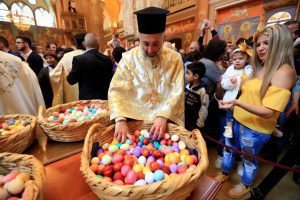
Easter represents the most important religious celebration in Cyprus, surpassing Christmas in spiritual significance and cultural observance. Known as Pascha in Greek, the Orthodox Easter follows the Julian calendar, often falling weeks after Western Easter. The celebration spans Holy Week with solemn church services, candlelit processions through village streets, and the midnight Resurrection liturgy when bells ring and fireworks light the sky. facebook.com Families gather for elaborate feasts featuring roasted lamb, traditional flaounes cheese pastries, and red-dyed eggs. The festivities blend Byzantine religious ritual with distinctly Cypriot customs like bonfire lighting and the tsougrisma egg-cracking game. For both devout believers and secular Cypriots, Easter functions as the primary family reunion occasion and cultural identity marker, bringing together generations to maintain…

Read more
Christmas And New Year Traditions

Christmas And New Year Traditions

Christmas and New Year celebrations in Cyprus blend Orthodox Christian devotion with ancient folklore and Mediterranean hospitality. The festivities span from December 25 through January 6, creating a 12-day period known as the Dodekaimera or Twelve Days of Christmas. Unlike Western traditions, Cypriots exchange gifts on New Year's Day rather than Christmas, honoring Saint Basil instead of Santa Claus. The celebrations feature midnight church services, children singing Byzantine-era carols called Kalanda, elaborate family feasts with roasted meats and special sweets, and folk beliefs about mischievous goblins called Kalikantzari. The period concludes with Epiphany water blessing ceremonies that purify homes and drive away evil spirits. These traditions maintain cultural continuity across generations while bringing families together during winter's darkest days. The…

Read more
Cypriot Festivals Traditions

Cypriot Festivals Traditions

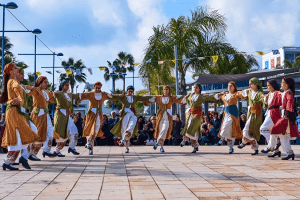
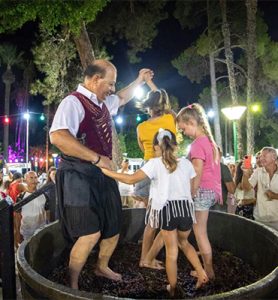
Across Cyprus, tradition does not survive in museums alone. It lives in streets closed for parades, village squares filled with music, and festivals where children dance the same steps their grandparents once learned. From large urban celebrations in Limassol and Nicosia to small rural gatherings in the Troodos Mountains, festivals remain the island’s most effective way of passing folk culture from one generation to the next. horosho-tam.ru These events are not staged nostalgia. They are active systems of cultural transmission, where music, dance, costume, and storytelling are learned by participation rather than explanation. Why Festivals Matter More Than Performances A concert can be watched. A festival must be joined. Cypriot festivals work because they blur the line between performer and…

Read more
Halloumi and Festival Foods of Cyprus

Halloumi and Festival Foods of Cyprus

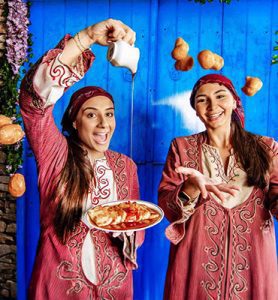
Cyprus is a culinary treasure trove where traditional flavors meet modern tastes, and nowhere is this more evident than in its cheese and festival foods. Halloumi, the island’s most famous export, embodies the island’s culture, history, and social life. Beyond its grillable texture and unique flavor, halloumi represents centuries of agricultural tradition, village cooperatives, and community heritage. In-Cyprus Cyprus’s festival foods, from grape harvest sweets to carnival pastries, highlight seasonal cycles, religious celebrations, and communal joy. For locals and visitors alike, tasting halloumi with a slice of watermelon, sampling fresh loukoumades, or savoring grape must treats is a journey into the island’s heart. These foods are not just meals, they are symbols of hospitality, identity, and Cypriot tradition. Halloumi -…

Read more
Kataklysmos Festival

Kataklysmos Festival

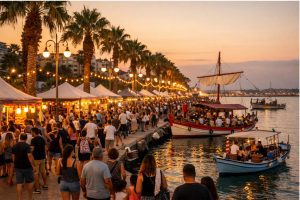
Kataklysmos, the Festival of the Flood, represents one of Cyprus's most distinctive cultural celebrations combining ancient pagan rituals with Orthodox Christian observance. The festival occurs 50 days after Easter, coinciding with Pentecost, when Orthodox Christians commemorate the descent of the Holy Spirit upon the apostles. sigmalive-com The name derives from the Greek word for flood, referencing both Noah's biblical deluge and ancient water ceremonies honoring Aphrodite and Apollo. Water plays the central role, with coastal towns hosting elaborate festivities where locals and visitors engage in water fights, attend cross-throwing ceremonies, and participate in swimming competitions. Larnaca holds the largest celebration, with events spanning six days along Foinikoudes promenade. The festival earned UNESCO recognition as part of Cyprus's Intangible Cultural Heritage,…

Read more
Glyko tou Koutaliou Cyprus Sweet

Glyko tou Koutaliou Cyprus Sweet

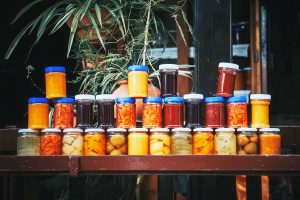
In Cyprus, hospitality often begins with something small, deliberate, and deeply symbolic. Glyko tou koutaliou, the traditional spoon sweet, is offered not as dessert but as a gesture of welcome. Served in a single spoonful with cold water, it reflects patience, respect, and care. cyprusisland-net Rooted in preservation and shaped by celebration, this quiet tradition links everyday home life with festivals, milestones, and cultural memory across the island. A Welcome Measured in One Spoon Glyko tou koutaliou translates directly as “sweet of the spoon,” but its meaning goes far beyond the words. Unlike jams or spreads, these sweets preserve fruits, peels, nuts, or petals whole, suspended in clear sugar syrup and served in small portions. The act is intentional. A…

Read more
Greek Independence Day Cyprus

Greek Independence Day Cyprus

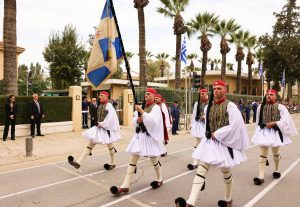
March 25 stands as a major public holiday in Cyprus, commemorating Greek Independence Day alongside the religious Feast of the Annunciation. The day celebrates the beginning of the Greek War of Independence in 1821 when Greeks rose against nearly 400 years of Ottoman rule. cyprusmail-com For Cyprus, this holiday holds special significance beyond historical solidarity, representing the deep cultural, linguistic, and religious bonds between Greek Cypriots and mainland Greece. The celebration is particularly important for Greek Cypriots, who see parallels between Greece's struggle for freedom and their own fight for independence from British rule that succeeded in 1960. The Historical Background of the Revolution Greece had been under Ottoman control since the mid-15th century when Constantinople fell in 1453. For…

Read more
Music in Cyprus Weddings And Festivals

Music in Cyprus Weddings And Festivals

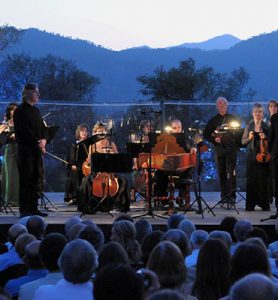
Cyprus uses music as a social "signal system" that marks life transitions and pulls communities into the same emotional rhythm, from weddings and baptisms to village saint festivals. facebook-com Across many Greek Cypriot celebrations, the violin (violi) and laouto form the classic duo, while Turkish Cypriot traditions often foreground the oud and, in outdoor festivities, the powerful davul and zurna pairing. Religious settings shift the sound world. Orthodox ceremonies are shaped by Byzantine chant, while Turkish Cypriot gatherings may include Mevlit recitations that bring blessings to the home. Modern Cyprus is increasingly hybrid: live musicians for key rituals, then DJs for late-night receptions, especially in urban venues. When music is not the background, but permission In Cyprus, music is rarely…

Read more