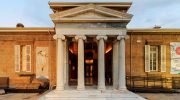
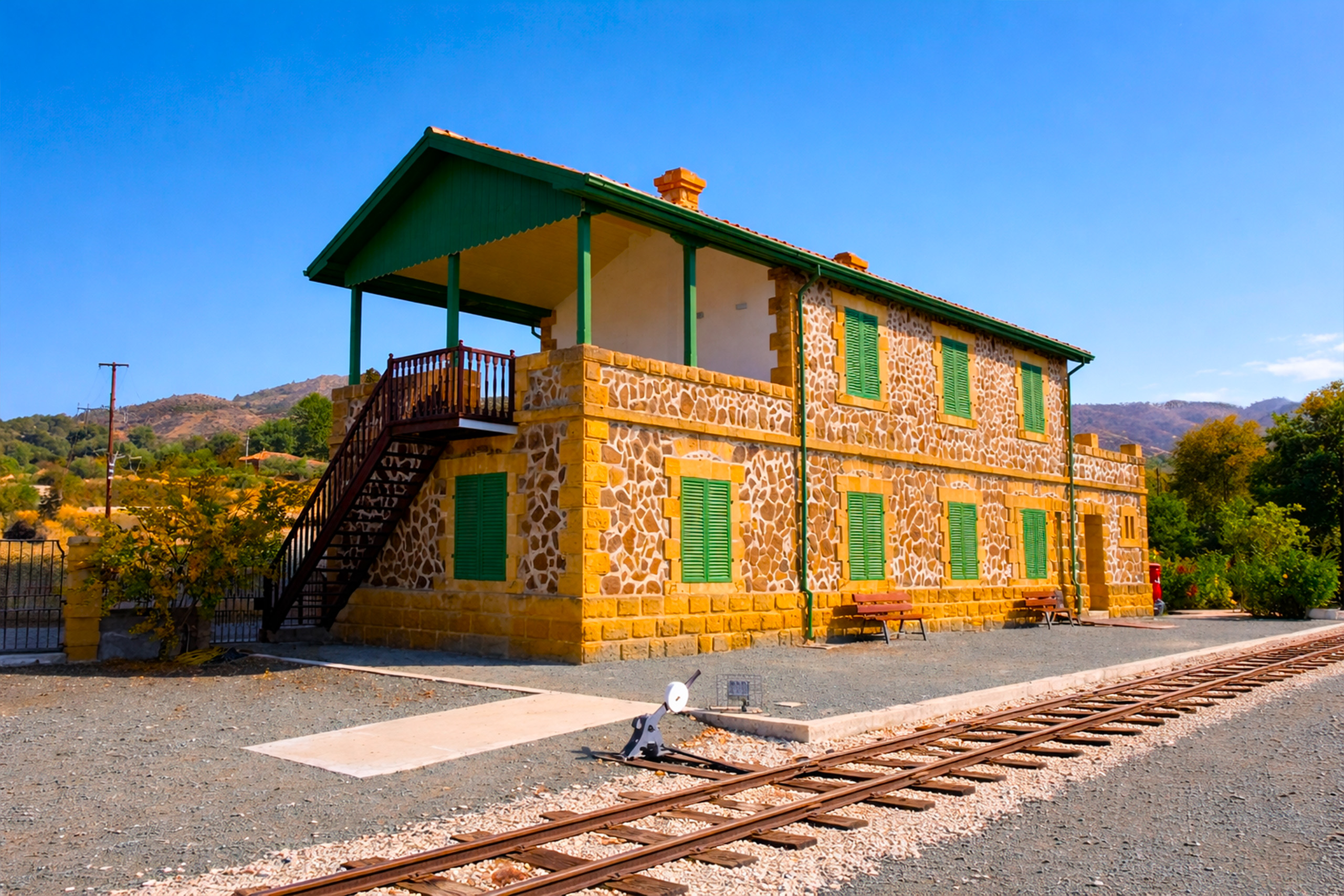
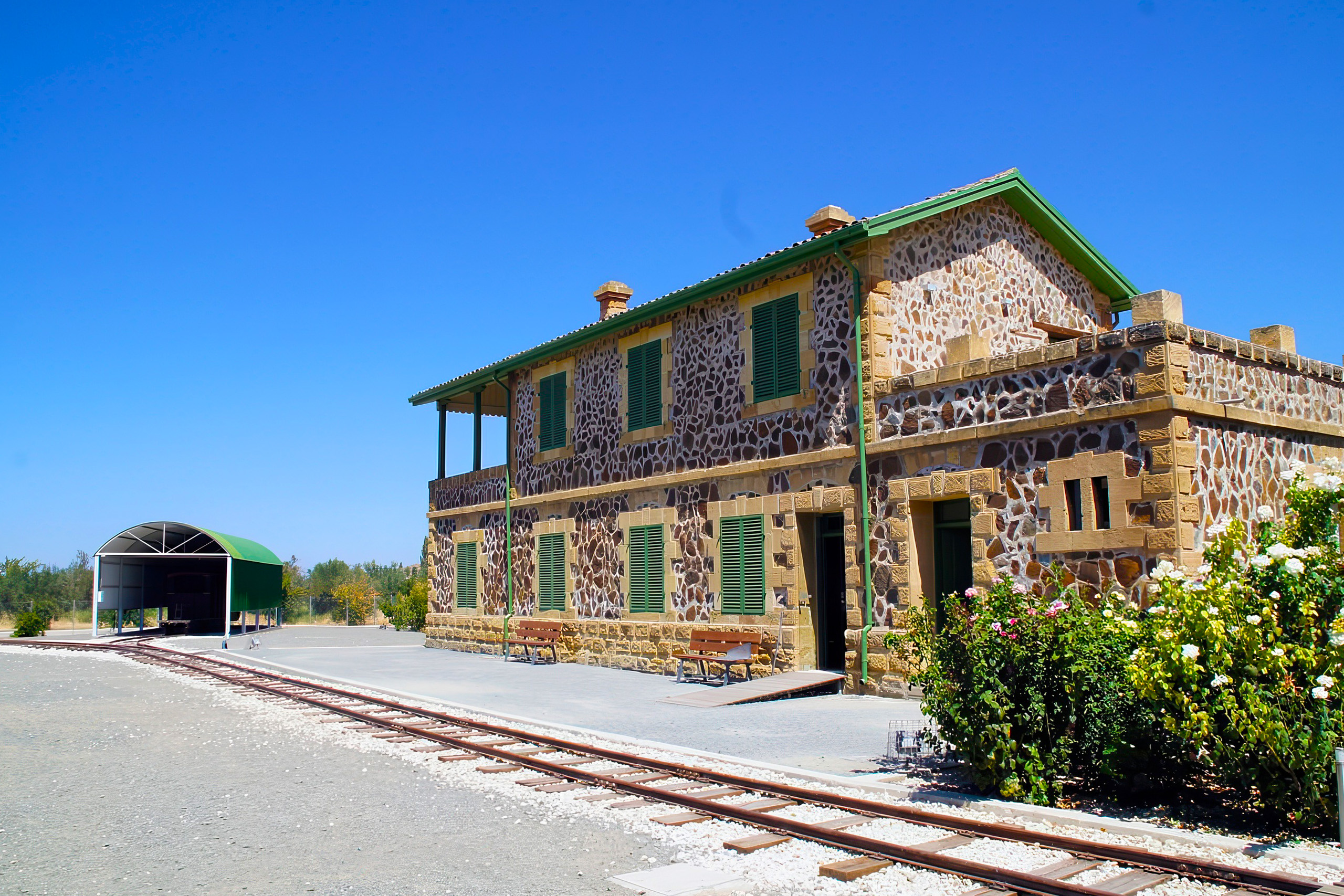
The museum occupies the original Evrychou railway station, a sandstone building constructed in 1906 in the foothills of the Troodos Mountains. The station operated as the western terminus of the Cyprus Government Railway from June 14, 1915, until December 31, 1931, when the final five miles of the railway were abandoned due to financial losses.
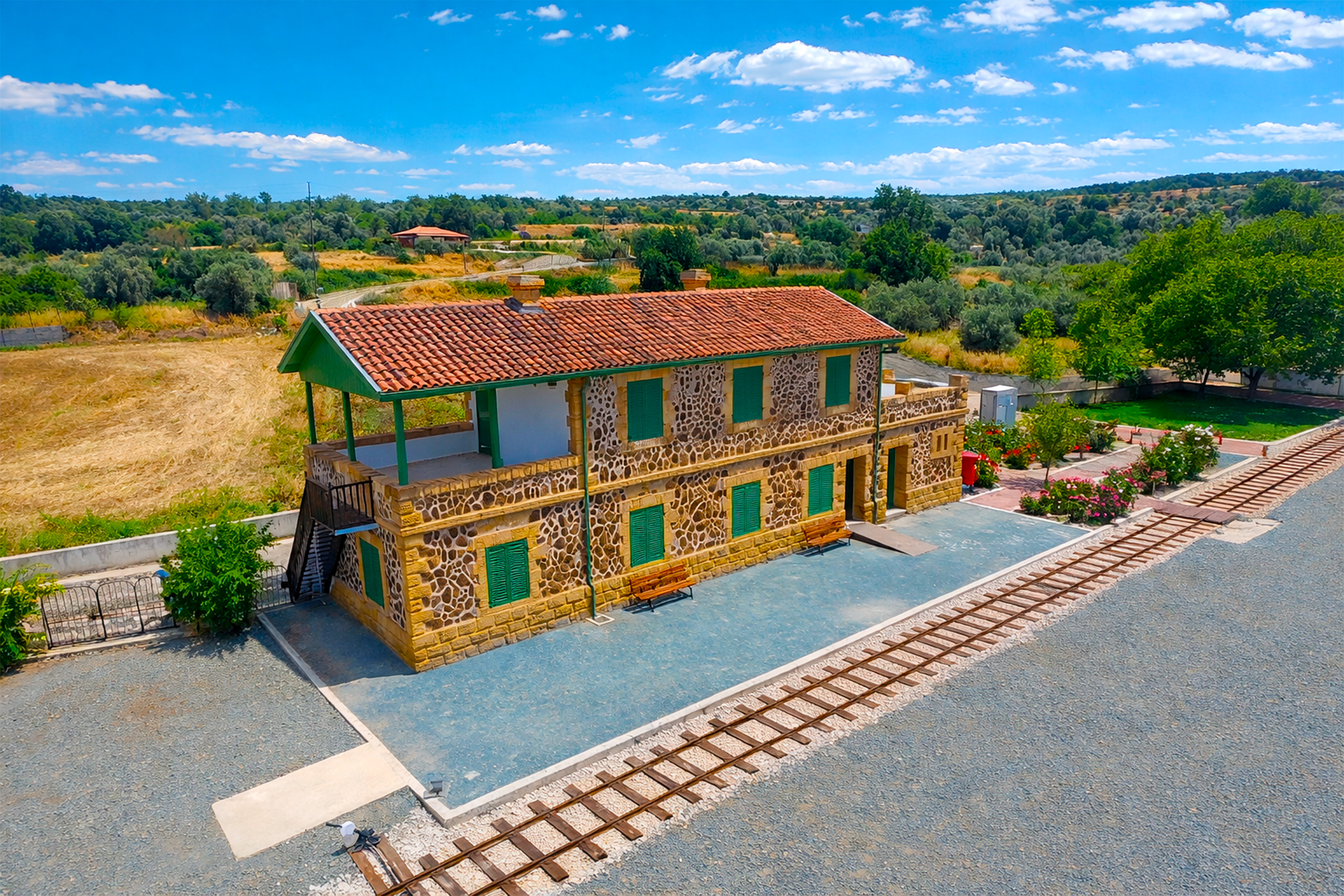
After the railway closed completely in 1951, the building served various purposes, first as a health center and later as a forest workers’ dormitory. EOKA fighters damaged and burned the building during their campaign against British rule, as the railway represented colonial infrastructure.
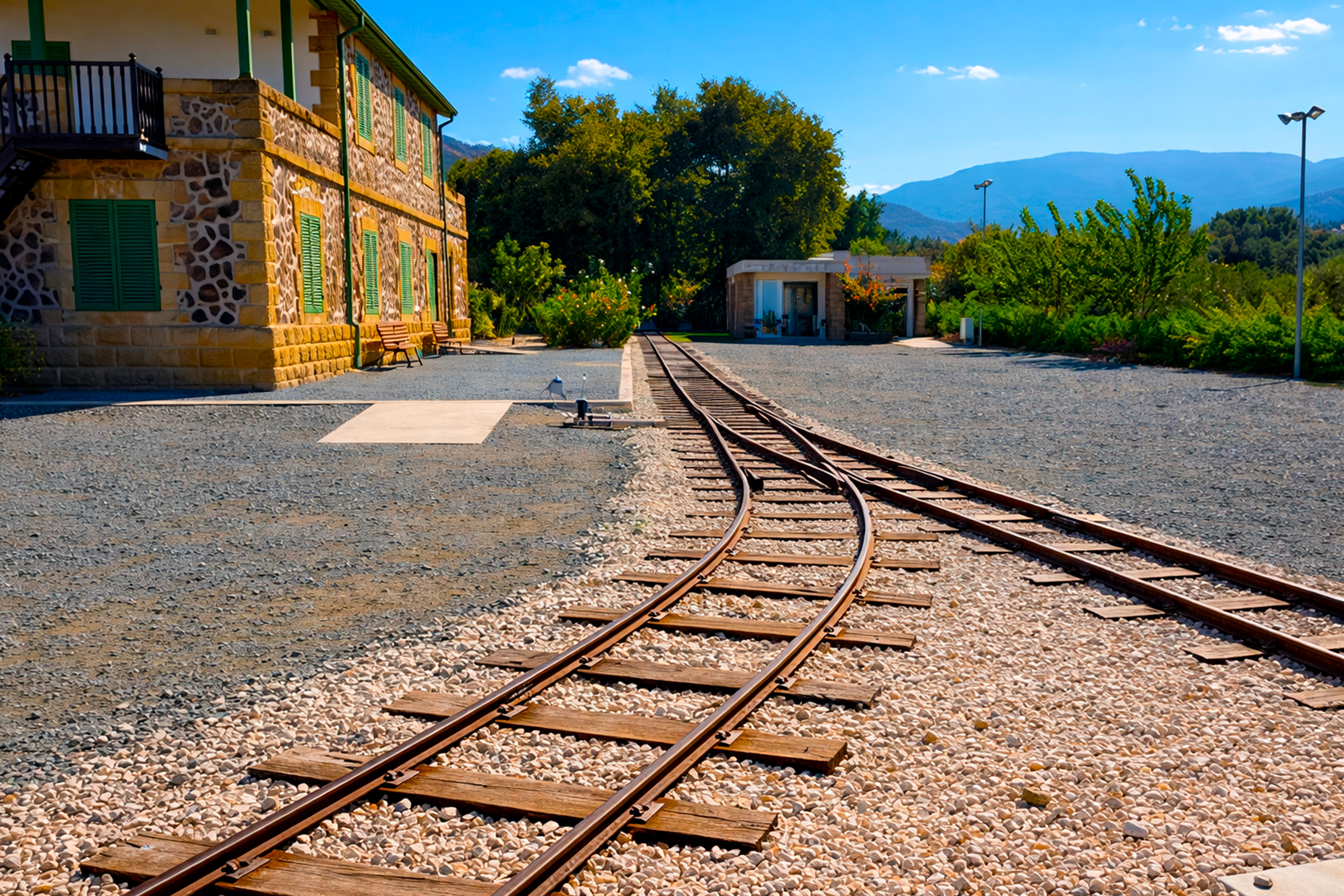
The Department of Antiquities restored the station between 2003 and 2012, with new tracks laid in 2010 to 2012 in a Y-shape formation covering about 100 meters. The museum officially opened in September 2016, becoming Cyprus’s only railway museum. British expats and local railway enthusiasts contributed significantly to the museum’s development, and their contributions are acknowledged in the entrance hall.
Historical Background
The Cyprus Government Railway operated from October 21, 1905, to December 31, 1951, covering 76 miles across the island. British High Commissioner Sir Garnet Wolseley proposed building a railway when Britain took control of Cyprus in 1878, but uncertainty about how long Britain would govern the island delayed the project for decades. Frederick Shelford submitted a feasibility study on behalf of the Crown Agents in July 1903, and construction finally began in May 1904.
The railway used a narrow gauge of 2 feet 6 inches, chosen to reduce construction costs in Cyprus’s difficult terrain. Section 1 connected Famagusta to Nicosia, spanning 36 miles, and was inaugurated on October 21, 1905. Section 2 from Nicosia to Morphou, covering 24 miles, opened on March 31, 1907. However, the railway operated at a loss within three years. A study by Bedford Glasier in January 1913 recommended extending the line to Evrychou, and Section 3, stretching 15 miles from Morphou to Evrychou, was inaugurated on June 14, 1915.
The railway included 39 stations, stops, and halts, all marked with large trilingual signs in Greek, Turkish, and English. The system owned 12 steam locomotives built in England by Hunslet Engine Company and Nasmyth Wilson and Company, 17 coaches, and about 100 multipurpose wagons. The locomotives reached speeds up to 48 kilometers per hour, meaning a complete journey from one end of the line to the other took just over three hours.
The Railway’s Role and Operations
The Cyprus Government Railway primarily served freight transport, moving agricultural products from Morphou, minerals and ore from the Cyprus Mines Corporation, and timber from the Troodos Mountains to the port of Famagusta. The railway carried mail that arrived in Famagusta via the Egyptian Khedivial Mail Line between 1912 and 1939. Many stations functioned as telephone centers, telegram offices, and postal offices, serving as vital communication hubs for their communities.
The railway transported Allied troops during both World Wars, with Axis powers targeting the tracks during World War II. Between 1946 and 1949, trains carried thousands of Jewish refugees to Karaolos internment camps. During the October 1931 Enosis riots, nationalist fighters tore up 120 yards of track near Trakhoni and destroyed three miles of telephone cables, viewing the railway as a symbol of British colonial control.
Throughout its 46-year operation, the CGR carried 7,348,643 passengers and 3,199,934 tons of commercial goods and freight. However, many Cypriots initially viewed the railway as a spectacle rather than practical transportation. The line never achieved profitability, and competition from improved road networks after World War II made the situation worse.
The Museum’s Exhibits and Collections
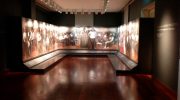
The museum occupies two floors within the restored station building. The ground floor focuses on the construction and route of the Cyprus Government Railway, while the first floor covers passenger experiences and the types of goods transported. Four rooms on each floor display original documents, architectural drawings, photographs, posters, and scale models of locomotives, rolling stock, and stations. Period furniture recreates the atmosphere of an early 20th-century railway station.

Exhibits include the 1938 Cyprus Government Railway timetable, various weighing scales, railway tools and equipment, first-day-of-issue envelopes, stamp specimens, air letters, and newspaper wrappers. The museum shows different types of postmarks from rural areas, urban post offices, and English military camps. Interactive computer screens provide detailed information about the railway’s history and operations.
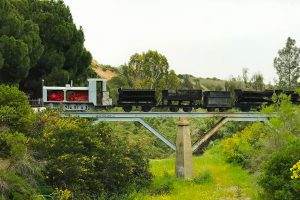
Outside the station, visitors can see reconstructed platforms and track segments using original rails discovered during renovation work. Under a metal shelter, Wagon 152 sits on a spur track alongside a hand-powered inspection trolley. Both pieces underwent restoration in 2012 and include informative posters about their history. The museum grounds feature a well-maintained rose garden where female visitors traditionally receive a rose from the staff.
Notable Construction Details
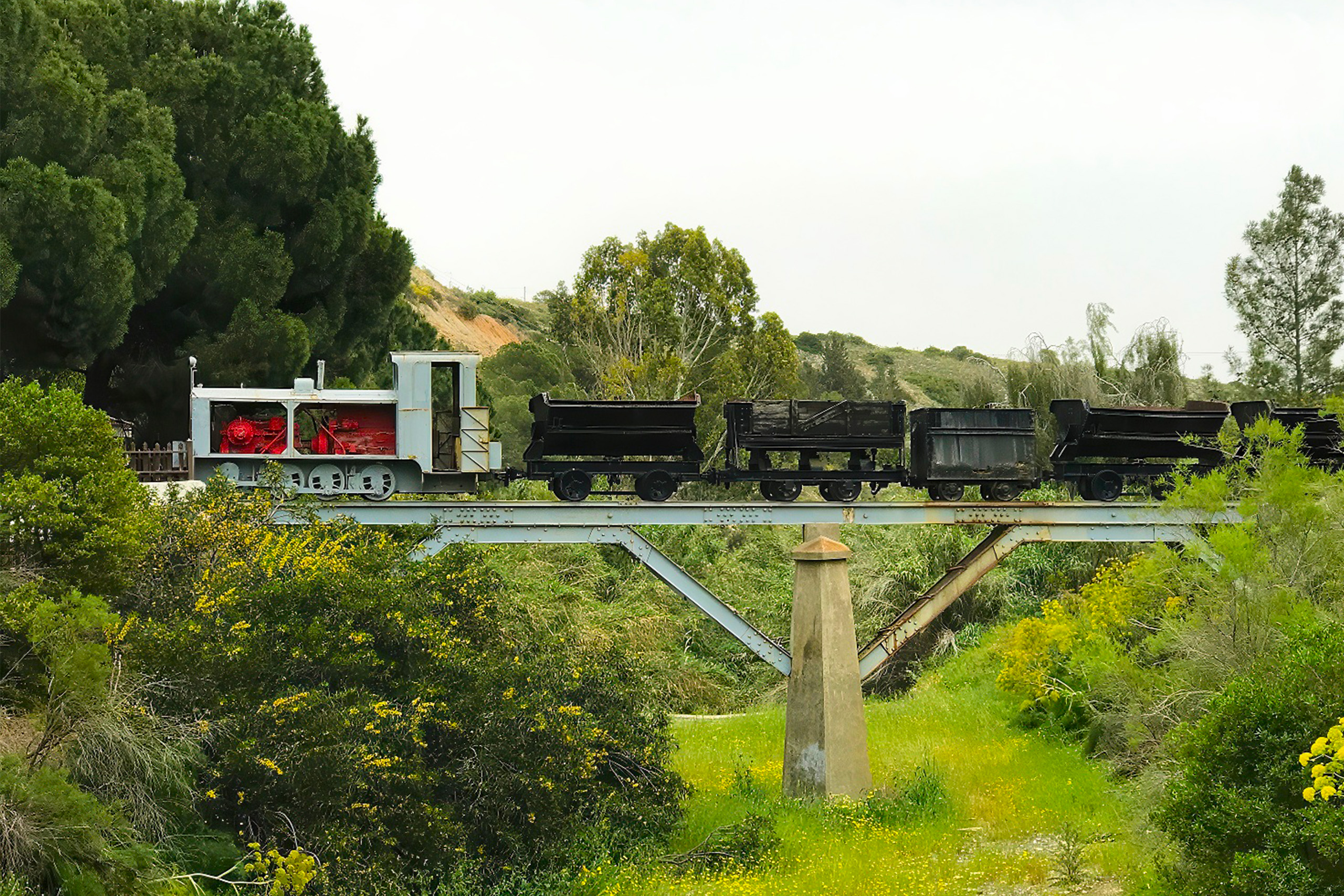
The railway’s construction involved significant engineering challenges. Builders used stones from ancient monuments, including the Sigouri castle in Mesaoria, to strengthen the track foundations. Engineers constructed 51 bridges along the first section of the railway and 34 bridges between Nicosia and Kalo Chorio to cross rivers and valleys. These bridges represented major achievements in the railway’s infrastructure.
Water treatment facilities were installed along the route after engineers discovered that Cyprus’s hard water damaged locomotive boilers. The headquarters and administrative center for the entire Cyprus Government Railway operated from Nicosia Station. The narrow gauge allowed for lighter construction and more affordable equipment, making sharp curves and steep gradients manageable on routes like the branch to Karavostasi.
The Railway’s Final Days
By 1948, the western terminus had retreated to Nicosia aerodrome as passenger numbers declined. The last train departed Nicosia Station at 14:57 on December 31, 1951, and arrived at Famagusta at 16:38 the same day. After closure, the government auctioned the railway assets, with Meyer Newman & Co. purchasing ten locomotives, the tracks, and most rolling stock for £65,626. Locomotive 1 was preserved as a monument outside Famagusta Station.
Most former railway employees found positions in state services and semi-governmental organizations. Locals purchased some wagons for novel uses, and equipment was distributed among seven governmental departments. Stations were either demolished or converted to police stations, public works warehouses, or grain storehouses. A large portion of the Nicosia-Famagusta motorway was built along the former railway route.
The process of dismantling and removing the tracks took more than two years to complete. An extension of the railway built to serve the Cyprus Mines Corporation continued operations until 1974, outlasting the main line by more than two decades.
Visiting the Museum Today
The Cyprus Railway Museum offers free admission and opens daily with seasonal hours. From April 16 to September 15, the museum operates from 9:30 to 17:00, and from September 16 to April 15, it opens from 8:30 to 16:00. The museum provides wheelchair access with ramps, chair lifts, and disabled toilets despite its mountainous location. Free parking is available near the entrance.
The Museum’s Importance for Cyprus
The Cyprus Railway Museum preserves a crucial chapter in the island’s transportation and economic development. The railway represented significant technological advancement for Cyprus in the early 20th century, connecting major towns and facilitating commerce at a scale impossible with earlier transportation methods. The museum documents how the railway shaped settlement patterns, economic activities, and daily life across the island.
The exhibits reveal how Cyprus connected with the wider world during the colonial period, moving goods to international markets and receiving imported products through Famagusta port. The railway’s story reflects broader themes of modernization, technological change, and the gradual shift from rail to road transport that occurred globally in the mid-20th century. For a small island that depended heavily on agriculture and mining, the railway represented both opportunity and the challenges of maintaining expensive infrastructure with limited resources.