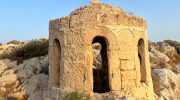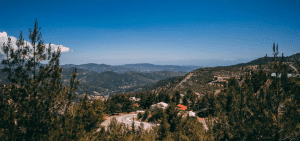
The Church of Panagia tou Araka, located near the village of Lagoudera in the Troodos Mountains of Cyprus, is one of the most celebrated monuments within the UNESCO World Heritage group known as the Painted Churches of the Troodos Region.
Built in the late 12th century, the church stands as a remarkable testament to the artistic and spiritual vitality of Cyprus during the Middle Byzantine period. Its significance lies primarily in its interior decoration, which preserves some of the finest examples of Comnenian art an artistic style associated with the reign of the Comnenian dynasty in Byzantium and closely linked to the cultural life of Constantinople.
At a Glance
Location: Lagoudera village, Pitsilia region, Troodos Mountains
Date of frescoes: 1192
Artist: Theodore Apsevdis
Status: UNESCO World Heritage Site (Painted Churches of the Troodos Region)
Best known for: One of the most complete Middle Byzantine fresco cycles in Cyprus
Historical Background
Theodore Apsevdis is one of the rare Byzantine artists whose name survives alongside his work. Trained in Constantinople, he brought metropolitan skill to a rural Cypriot setting. His style belongs to the late Comnena period, marked by elongated figures, flowing drapery, and faces filled with restrained emotion.
The church demonstrates how artistic developments from the imperial capital reached even remote regions, shaping local expressions of faith and aesthetics. The late 12th century was a period of renewed artistic refinement in the Byzantine world. Under the Comnenian emperors, art displayed greater emotional depth, elegance of form, and complex theological symbolism. Cyprus, strategically positioned in the eastern Mediterranean, maintained strong cultural connections with the Byzantine Empire despite political challenges.
Panagia tou Araka stands as a visual record of these connections, revealing how artistic trends from Constantinople influenced religious monuments on the island. The church’s preservation provides rare evidence of the transmission of imperial artistic standards to provincial contexts, showing that Cyprus was an active participant in broader Byzantine cultural life.
Architectural Form and Environmental Adaptation
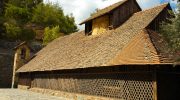
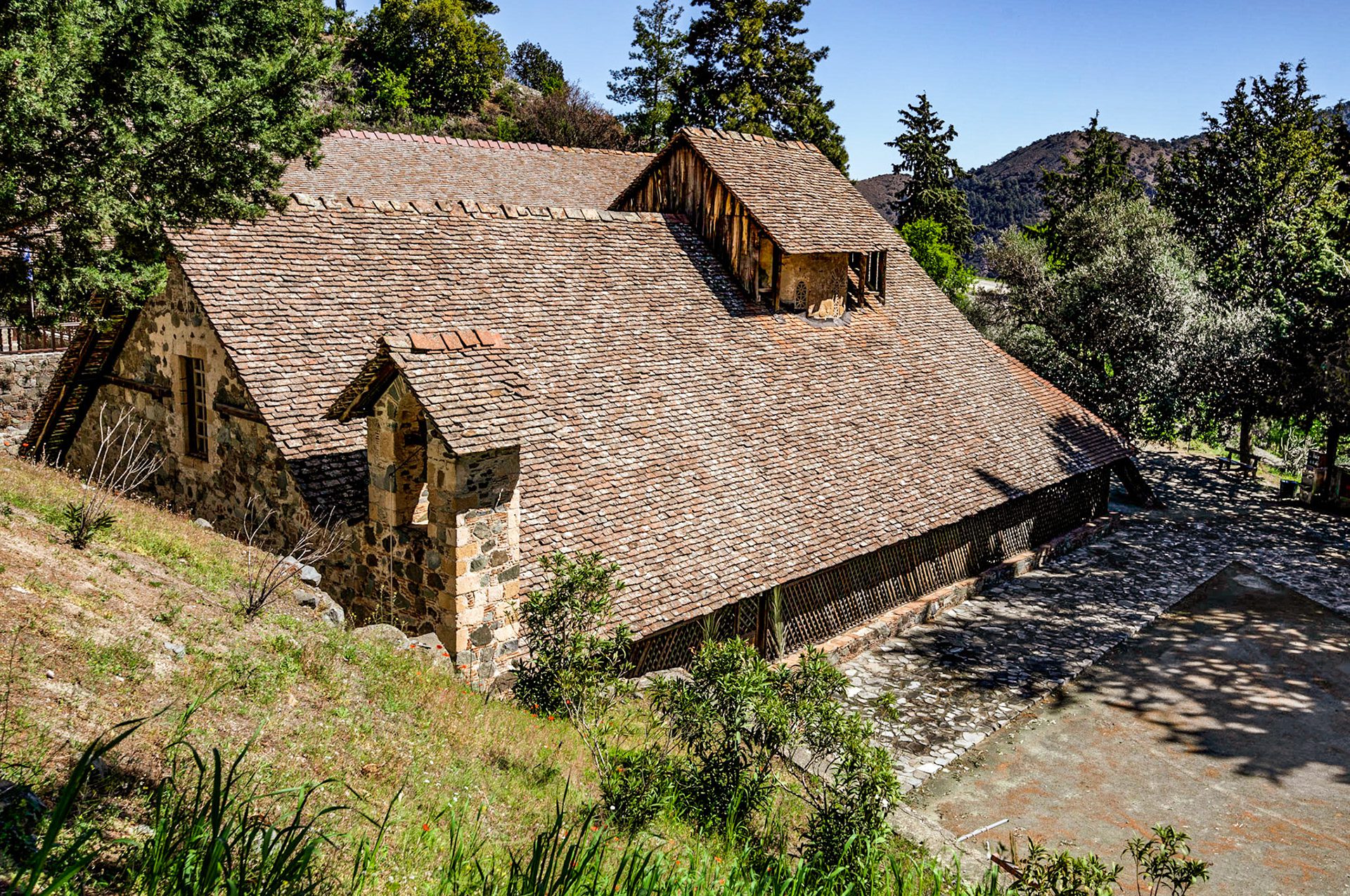
Architecturally, Panagia tou Araka is a small, single-aisled church with a dome over the central bay, following traditional Middle Byzantine ecclesiastical design. Its modest scale reflects its rural monastic setting rather than urban grandeur. The building is constructed from local stone and covered by a steep, timber-pitched roof that protects the structure from the harsh mountain climate, including heavy rainfall and seasonal snow. This protective roof, characteristic of many Troodos churches, played a crucial role in preserving the interior frescoes by shielding them from moisture and temperature fluctuations.
The exterior appearance is simple and unadorned, emphasizing practicality over display. This restraint contrasts sharply with the richness of the interior decoration, a common feature in Byzantine church architecture where spiritual and artistic focus was directed inward. The spatial organization follows established liturgical principles, with the sanctuary at the eastern end separated from the nave by an iconostasis. The dome above the central area symbolizes the heavens and provides the primary setting for key theological imagery. Despite its small size, the church’s interior proportions create a sense of vertical elevation and sacred enclosure, enhancing the impact of the painted decoration.
Comnenian Frescoes and Artistic Excellence
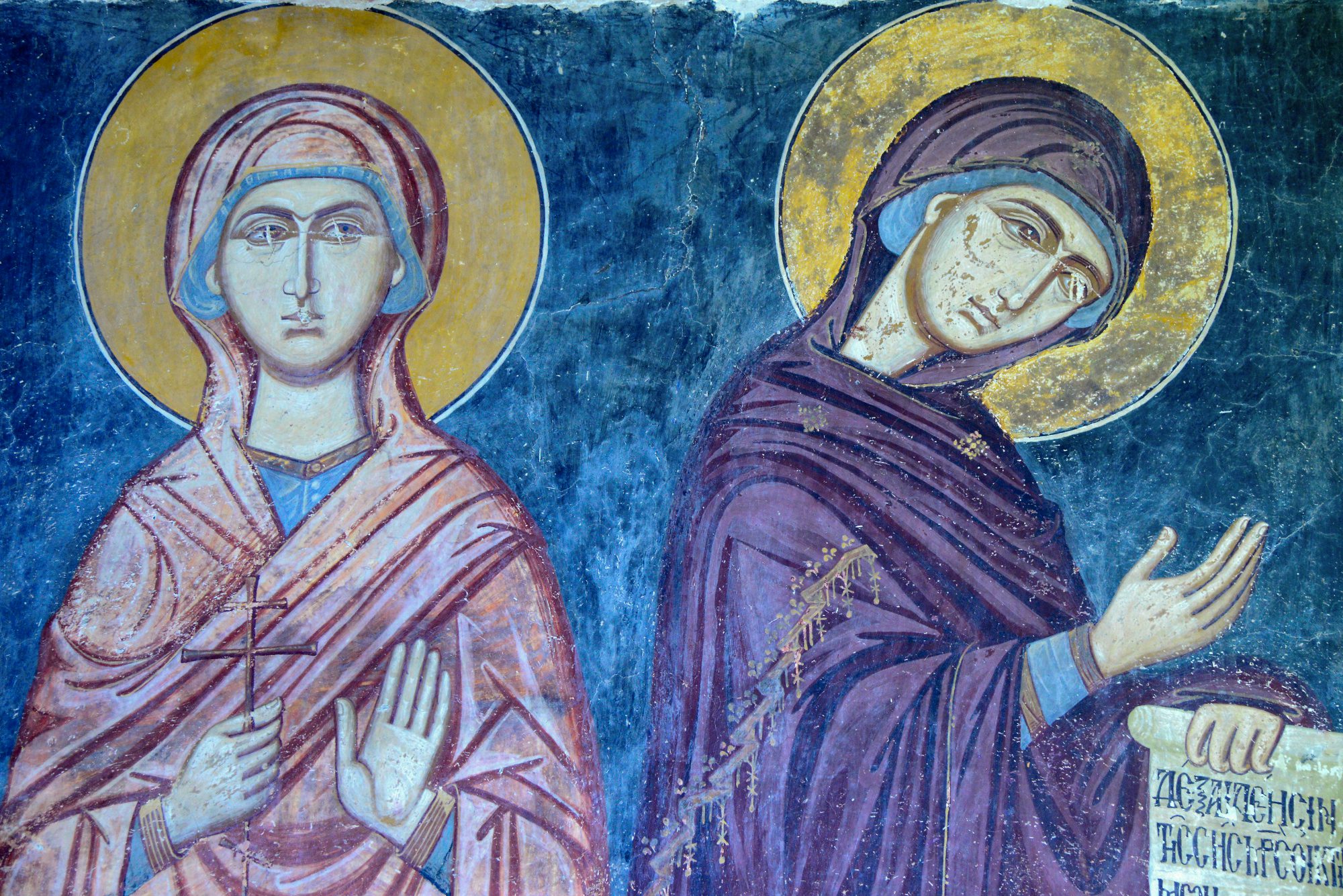
The fame of Panagia tou Araka rests on its frescoes, completed in 1192 by a master painter whose work demonstrates exceptional skill and knowledge of contemporary Byzantine art. These paintings represent the height of Comnenian artistic achievement and are considered among the finest surviving examples of this style anywhere in the world. The figures are characterized by elegant proportions, expressive gestures, and refined facial features that convey emotional depth while maintaining spiritual dignity. Drapery folds are rendered with careful linear rhythms, creating a sense of movement and grace.
The dome features Christ Pantokrator, depicted with authority and compassion, surrounded by prophets and celestial figures that establish a hierarchical vision of the divine order. The walls below present scenes from the life of Christ and the Virgin Mary, arranged in a coherent narrative cycle that guides the viewer through key moments of salvation history. The compositions are balanced yet dynamic, reflecting the Comnenian interest in both harmony and expressive storytelling. The painter’s use of color is particularly notable, with subtle shading and luminous tones that enhance the spiritual atmosphere of the interior.
Theological Depth and Iconographic Program
The iconographic program of Panagia tou Araka is carefully structured to communicate complex theological ideas through visual means. The placement of Christ in the dome symbolizes divine omnipresence and authority, while scenes of the Incarnation and Passion on the walls emphasize the central mysteries of Christian belief. The Virgin Mary occupies a prominent role, reflecting her importance in Orthodox devotion as intercessor and protector. Saints and church fathers depicted along the lower registers connect the heavenly realm to the earthly Church, illustrating continuity between divine and human communities.
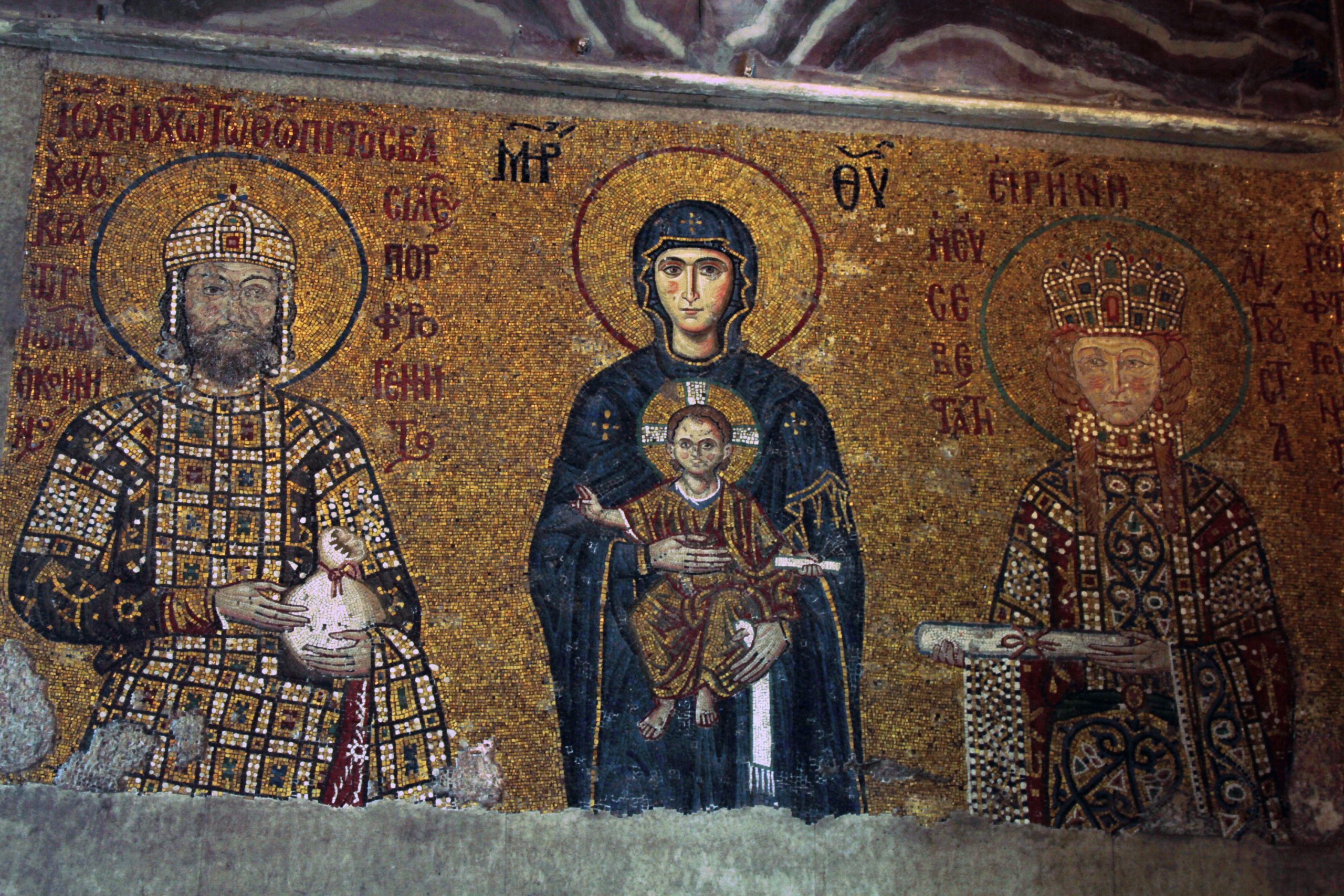
These images functioned as both objects of veneration and instruments of teaching. In a society where literacy was limited, frescoes provided accessible visual narratives that conveyed doctrine, history, and moral example. The expressive style of the Comnenian period enhanced this communicative role by presenting figures with human warmth and emotional resonance, allowing worshippers to engage more personally with sacred stories.
Artistic Connections to Constantinople
The sophistication of the frescoes strongly suggests that the painter of Panagia tou Araka was trained in artistic circles influenced by Constantinople, the capital of the Byzantine Empire. The stylistic parallels with contemporary imperial monuments indicate direct knowledge of high-level artistic trends. Features such as fluid drapery lines, nuanced facial modeling, and balanced yet animated compositions reflect the refined aesthetic associated with the Comnenian court.
This connection demonstrates the mobility of artists and ideas within the Byzantine world. Despite its mountainous location, the church participated in the cultural networks that linked Cyprus to the imperial center. Panagia tou Araka therefore provides valuable evidence of how provincial regions absorbed and reinterpreted artistic innovations from the capital, contributing to the spread and continuity of Byzantine visual culture.
Monastic Environment and Spiritual Role
The church originally served as part of a small monastic foundation, offering a setting for prayer, contemplation, and liturgical life. Monasteries in the Troodos Mountains provided spiritual refuge and played important roles in preserving religious traditions during periods of political uncertainty. Although little of the surrounding monastic complex survives, the quality of the church’s decoration suggests that the monastery held regional importance and benefited from significant patronage.
The location in a secluded mountain landscape reinforced the contemplative purpose of monastic life. At the same time, the church likely served nearby villages, acting as a spiritual center for the surrounding community. Through festivals and liturgical celebrations, the monastery connected local populations with the broader Orthodox world, strengthening religious identity and continuity.
Preservation and World Heritage Significance
Panagia tou Araka is included in the UNESCO World Heritage listing of the Painted Churches of the Troodos Region due to the outstanding preservation and artistic value of its frescoes. Conservation efforts focus on maintaining stable environmental conditions and preventing deterioration caused by humidity and human activity. The protective roof and careful monitoring have ensured that the frescoes retain much of their original brilliance.
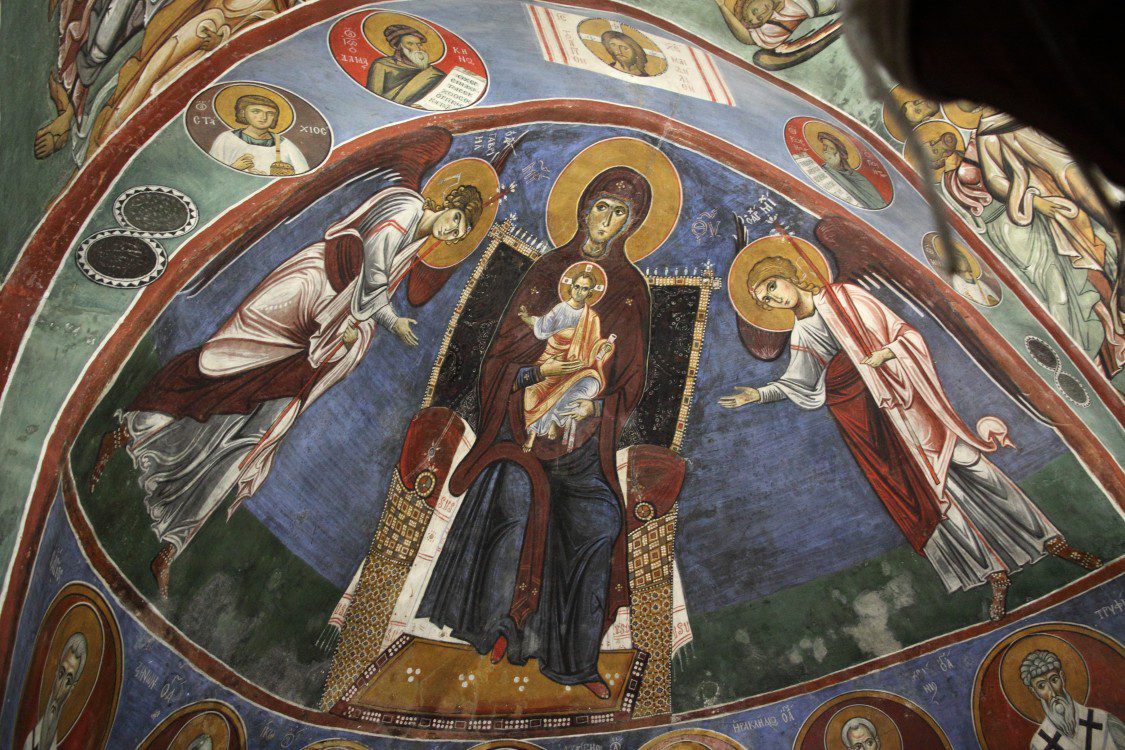
The church’s World Heritage status underscores its importance as a key monument of Byzantine art. It provides scholars with crucial evidence for understanding Comnenian painting and offers visitors a rare opportunity to experience medieval artistic achievement in its original architectural setting. Its preservation demonstrates the value of safeguarding cultural heritage that bridges local tradition and universal history.
The Church of Panagia tou Araka stands as one of the most important monuments of Byzantine art in the Mediterranean world. Its modest exterior shelters an interior of extraordinary artistic and theological depth, where the refined style of the Comnenian period is preserved with exceptional clarity. The frescoes reveal the transmission of sophisticated artistic trends from Constantinople to Cyprus, illustrating the island’s role within the broader Byzantine cultural sphere. As part of the Painted Churches World Heritage listing, Panagia tou Araka continues to represent the enduring legacy of Byzantine spirituality, artistic excellence, and architectural adaptation.