Articles: Churches

Stories in this category and its subcategories.

Panagia Asinou Church

Panagia Asinou Church

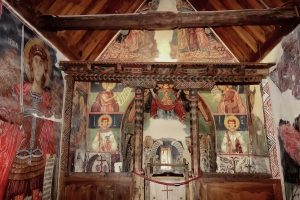
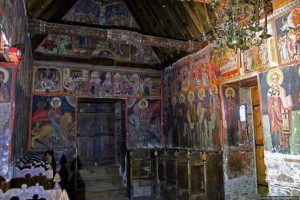
Asinou Church (Panagia Phorviotissa), near Nikitari in the Troodos foothills, preserves one of the Mediterranean’s most complete sequences of Byzantine wall painting, built up in phases from the 12th to the 17th century. Its modest scale, secluded setting, and protective timber roof helped the frescoes survive when many urban churches were altered or lost. This article explains how the church evolved, how its painted program is structured, and what its layered imagery reveals about faith, community life, and historical change in Cyprus. noticketback.com A Church Protected by Its Own Isolation Asinou sits in the foothills of the Troodos range, away from coastal cities and major trade routes. That distance shaped its survival. While many urban churches were altered, damaged, or…

Read more
Pelendri Cyprus Historic Village Vineyards Churches

Pelendri Cyprus Historic Village Vineyards Churches

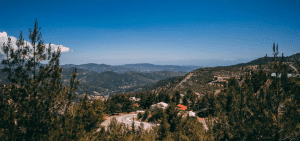
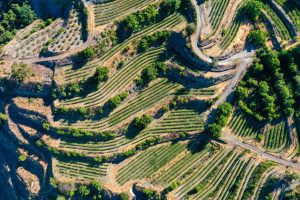
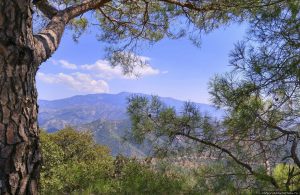
Pelendri is a mountain village in the Limassol district known for its UNESCO World Heritage church, traditional architecture, and established wine production. It’s located in the Pitsilia region at 880 meters altitude and 40 kilometers from Limassol. The village combines medieval history with contemporary viticulture in a setting of steep valleys and high peaks. mytroodos.com Despite being built on relatively barren slopes, the area benefits from approximately 750 millimeters of annual rainfall, which supports diverse cultivation and natural vegetation. Several tributaries cross through the area, providing water resources that sustain both agriculture and forest growth. The administrative boundaries of Pelendri include portions of the Troodos state forests and monastery forests. Natural vegetation includes pines, wild olives, plane trees, and various…

Read more
Church of Panagia Phorbiotissa

Church of Panagia Phorbiotissa

Church of Panagia Phorbiotissa, also known as Asinou Church, is a 12th-century Byzantine gem hidden in Cyprus's Troodos Mountains, famed for its complete cycle of frescoes that act as a visual guide to medieval Christian theology. Part of the UNESCO-listed Painted Churches, it captures sophisticated trends from Constantinople through vivid biblical scenes and symbolic details. This hidden site evokes the spiritual depth of medieval Cyprus, where art served as a bridge to divine teachings. tripadvisor-it A Timeless Byzantine Chapel Panagia Phorbiotissa exemplifies the refined yet intimate nature of Byzantine religious architecture in Cyprus's mountainous interior, dedicated to the Virgin Mary and characterized by its compact form and exceptional interior decoration. Constructed in a secluded valley, the church reflects the period's…

Read more
Archangelos Michael Church Pedoulas Byzantine Art

Archangelos Michael Church Pedoulas Byzantine Art

Historical Background and Regional Setting The Church of Archangelos Michael stands in the mountain village of Pedoulas in the Troodos region of Cyprus and forms part of the UNESCO World Heritage group known as the Painted Churches of the Troodos Region. Dated to 1474 by an inscription inside the building, the church belongs to the late Byzantine period, a time when Cyprus had passed through political change yet retained strong Orthodox artistic traditions. Unlike earlier monuments that reflect close ties to Constantinopolitan styles, this church is celebrated for its vivid and more rustic wall paintings, which represent a local interpretation of Byzantine artistic language. The monument therefore offers valuable insight into how artistic traditions continued to evolve in rural settings…

Read more
Church of Panagia tou Araka Byzantine Art

Church of Panagia tou Araka Byzantine Art

Historical Background and Cultural Context The Church of Panagia tou Araka, located near the village of Lagoudera in the Troodos Mountains of Cyprus, is one of the most celebrated monuments within the UNESCO World Heritage group known as the Painted Churches of the Troodos Region. Built in the late 12th century, the church stands as a remarkable testament to the artistic and spiritual vitality of Cyprus during the Middle Byzantine period. Its significance lies primarily in its interior decoration, which preserves some of the finest examples of Comnenian art—an artistic style associated with the reign of the Comnenian dynasty in Byzantium and closely linked to the cultural life of Constantinople. The church demonstrates how artistic developments from the imperial capital…

Read more
Church of Timios Stavros in Pelendri

Church of Timios Stavros in Pelendri

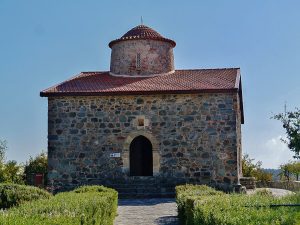
Church of Timios Stavros in Pelendri is a 12th-century Byzantine chapel in Cyprus's Troodos Mountains that evolved into a multi-part complex, famed for its Palaiologan frescoes blending spiritual depth with artistic refinement. Part of the UNESCO-listed Painted Churches, it showcases the island's medieval religious heritage through layered architecture and vivid paintings. This site captures how faith adapted over time, offering insights into Cyprus's enduring spiritual traditions. wikipedia-org An Evolving Byzantine Chapel in the Mountains Timios Stavros exemplifies the organic development of Byzantine religious architecture in Cyprus, starting as a modest single-aisled chapel and expanding into a domed, multi-section structure that reflects centuries of theological and cultural shifts. Dedicated to the Holy Cross, a symbol central to Orthodox Christianity representing salvation…

Read more
Church of Panagia tou Moutoulla Byzantine Art

Church of Panagia tou Moutoulla Byzantine Art

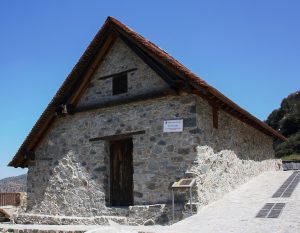
Historical Background and Regional Context The Church of Panagia tou Moutoulla, located in the village of Moutoullas in the Marathasa Valley of the Troodos Mountains, holds a special place among the Painted Churches of Cyprus recognized by UNESCO. Built in 1280, according to an inscription preserved within the building, the church represents the earliest securely dated example of the steep-pitched wooden roof style that became characteristic of mountain churches in Cyprus. Its importance lies not only in its artistic decoration but also in its architectural form, which demonstrates how local communities adapted Byzantine religious architecture to the demanding climatic conditions of the highlands. This combination of artistic heritage and environmental adaptation makes the church a key monument for understanding the…

Read more
Church of Stavros tou Agiasmati Wall Painting

Church of Stavros tou Agiasmati Wall Painting

Historical Background and Regional Context The Church of Stavros tou Agiasmati, situated in the Troodos Mountains near the village of Platanistasa, is one of the monuments included in the UNESCO World Heritage group known as the Painted Churches of the Troodos Region. Dating to the late 15th century, the church represents a mature phase of Cypriot ecclesiastical art during a period of political change and cultural interaction. Its decoration is attributed to the painter Philip Goul, a master whose work reflects the continued vitality of Orthodox artistic traditions under Venetian rule. The church’s importance lies in the completeness and narrative richness of its fresco cycle, which preserves a vivid visual expression of late medieval theology and devotion. ayda-ru During the…

Read more
Cave of the 40 Martyrs Troodos

Cave of the 40 Martyrs Troodos

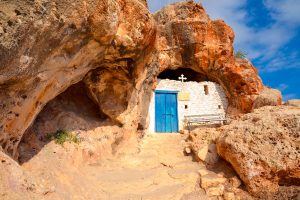
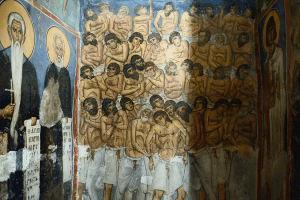
Hidden in the hills near Protaras, the Cave of the 40 Martyrs is a small chapel carved into limestone rock. This place brings together ancient faith, natural geology, and centuries of devotion in one simple, quiet space. blogspot-com The cave church, known locally as Ayioi Saranta, sits in a natural limestone formation on Fanou Hill. The name translates to the Forty Saints, a direct reference to the 40 Martyrs of Sebaste. This is not a grand cathedral with ornate decoration. It is a cave with a white wall, a blue door, and a stone dome above. Inside, rough rock walls hold a few icons and candles. The floor was paved, but otherwise the cave remains much as nature formed it.…

Read more