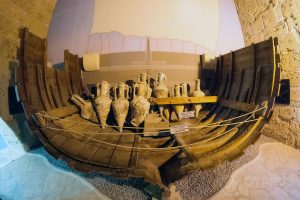
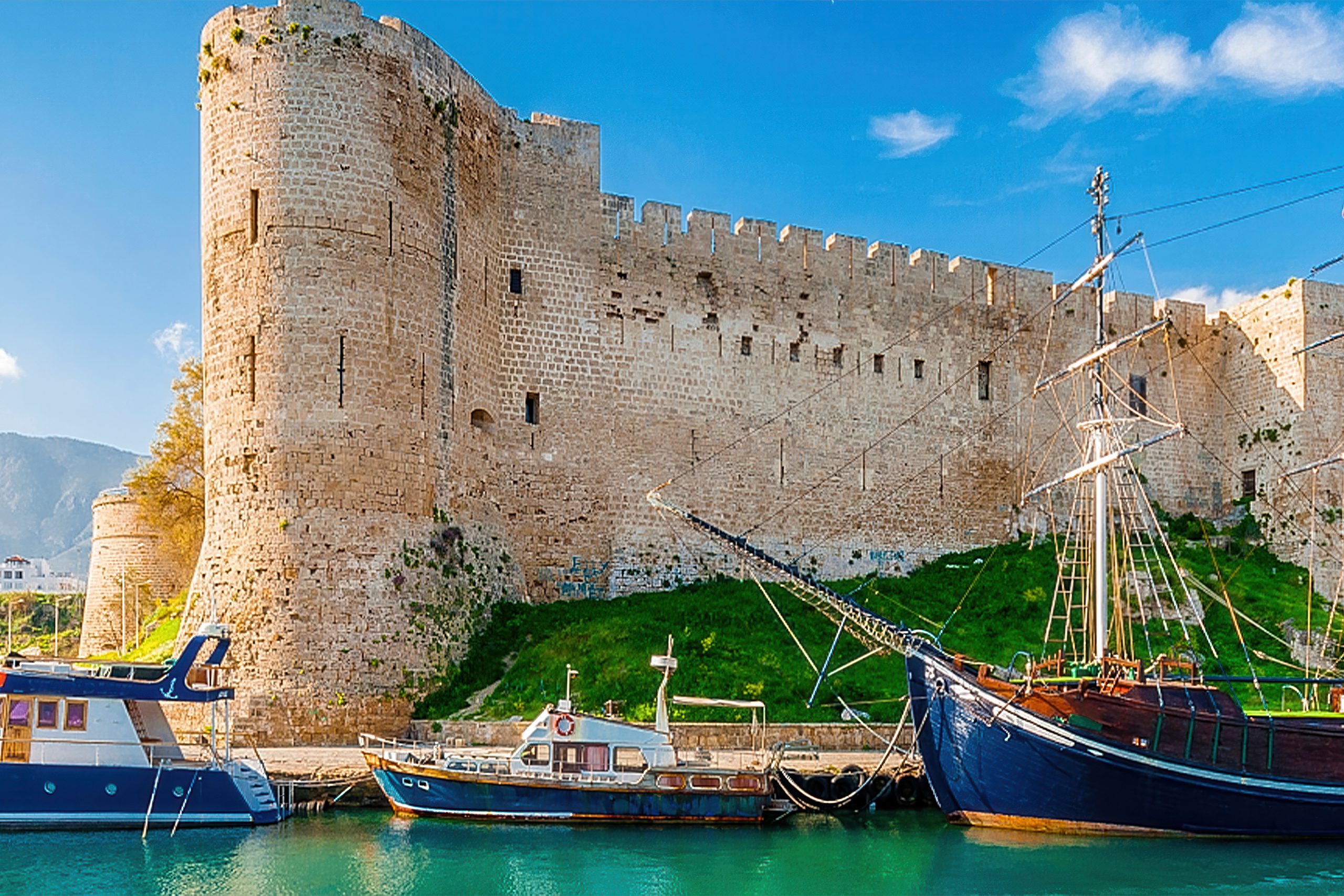
The Kyrenia Shipwreck Museum houses the oldest recovered Greek merchant ship in the world, located within Kyrenia Castle in the Turkish-occupied part of Cyprus. The vessel sank approximately one nautical mile off the coast around 300 BC during the era of Alexander the Great’s successors. A local diving instructor named Andreas Cariolou discovered the wreck in November 1965 while collecting sponges at 33 meters depth during a storm.
He lost the exact position and required over 200 dives before relocating it in 1967. The ship measures 15 meters in length and was constructed from Aleppo pine around 389 BC, sailing for about 80 years before its final voyage.
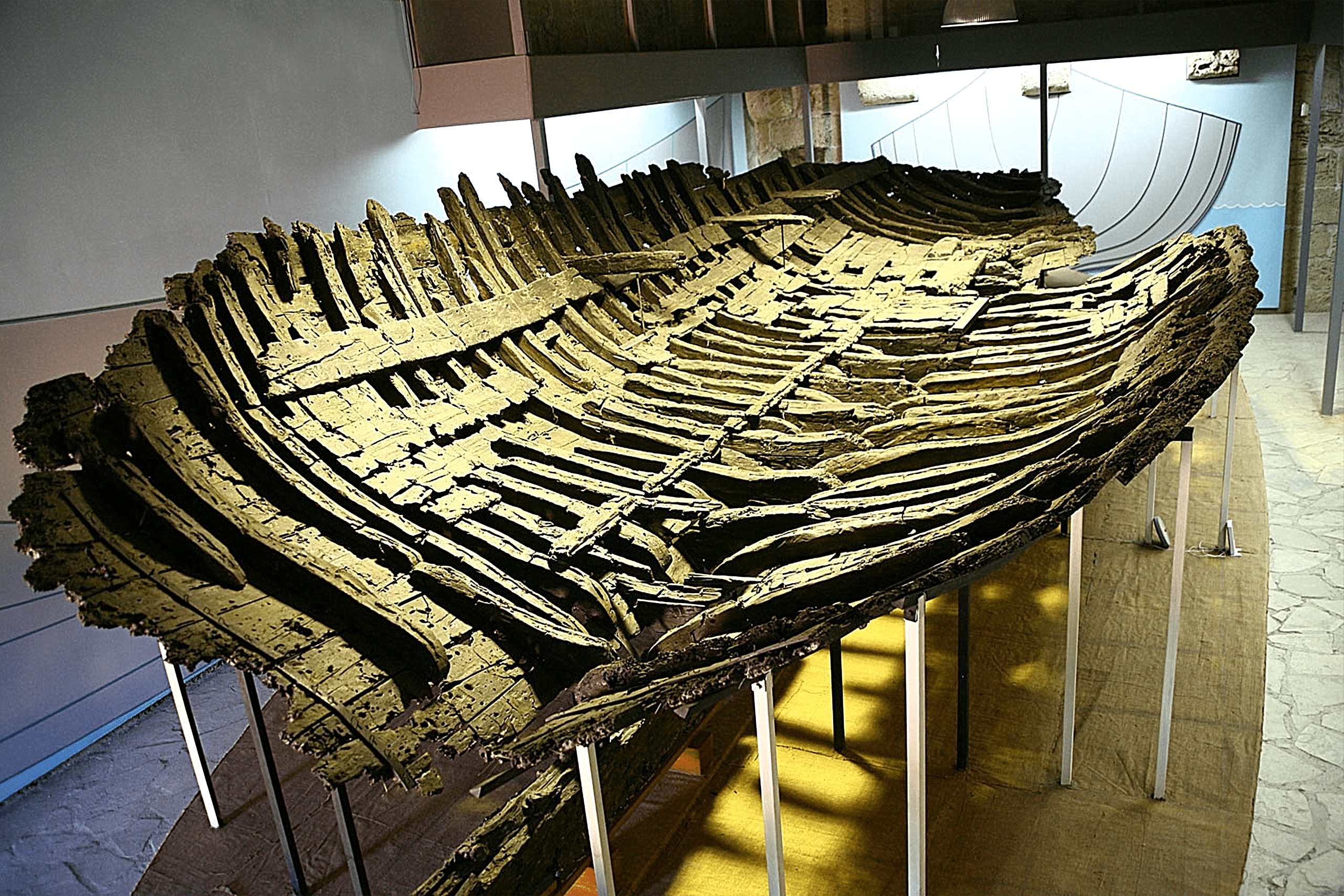
The wreck represents a unique window into ancient Mediterranean trade, daily shipboard life, and maritime technology from over two millennia ago.
The rescue that took two years
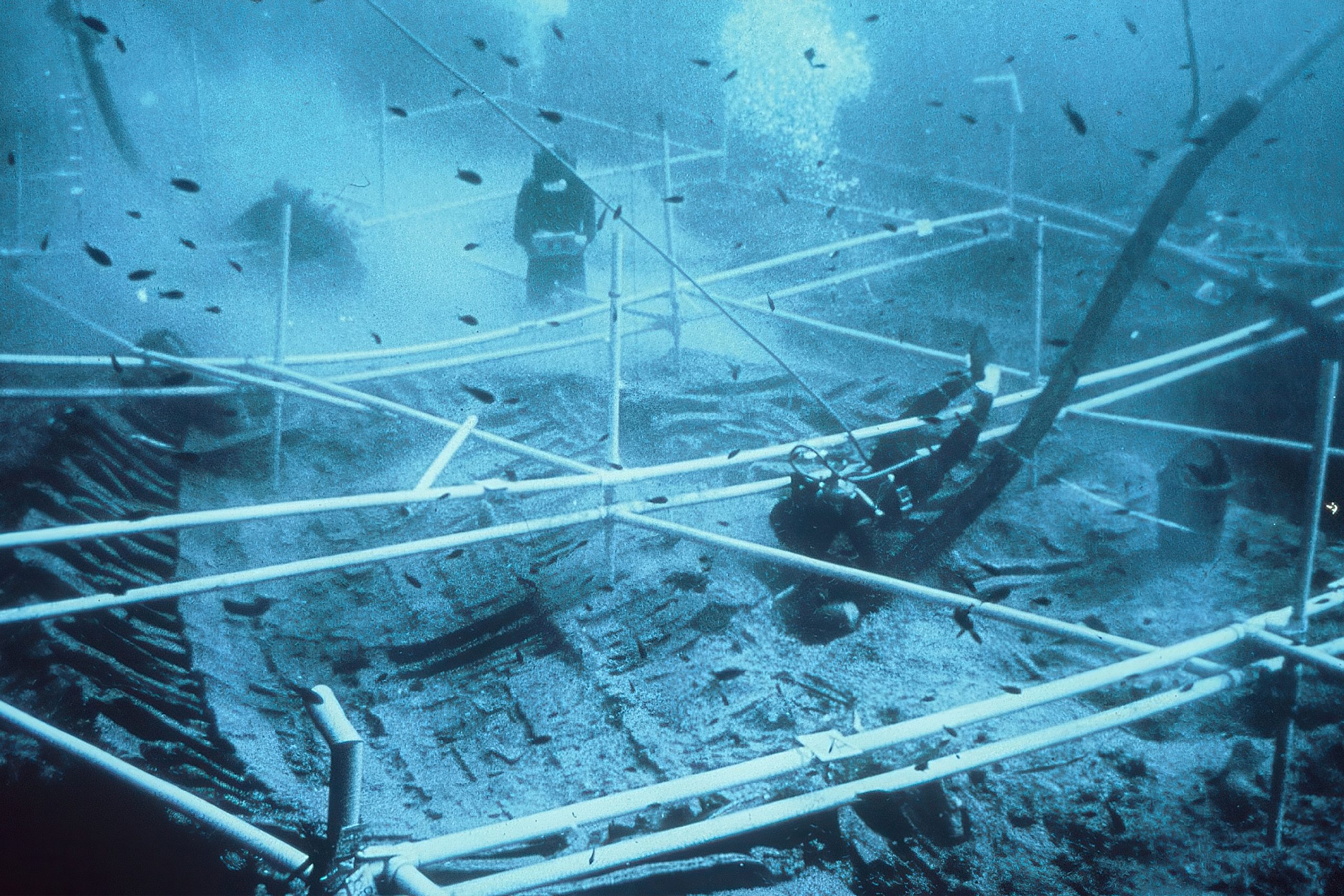
Michael Katzev from the University of Pennsylvania Museum of Archaeology directed a scientific excavation from 1967 to 1969 after Cariolou notified authorities. Over 50 underwater archaeologists, students, and technicians employed stereophotography and advanced techniques to record the position of each object before bringing it to the surface. The team carefully photographed, labeled, dismantled, and lifted the wooden hull to avoid damage.
A protective layer of sand had built up around the ship soon after it reached the seabed, blocking oxygen and marine life from attacking its timbers. This preservation was fortunate because the wooden timbers had undergone cellular breakdown and possessed the consistency of wet bread. After recovery, reconstruction took nearly six years. The Cyprus Broadcasting Corporation documented the project in “With Captain, Sailors Three: The Ancient Ship of Kyrenia.” The museum finally opened to the public in March 1976.
What the cargo reveals about ancient trade
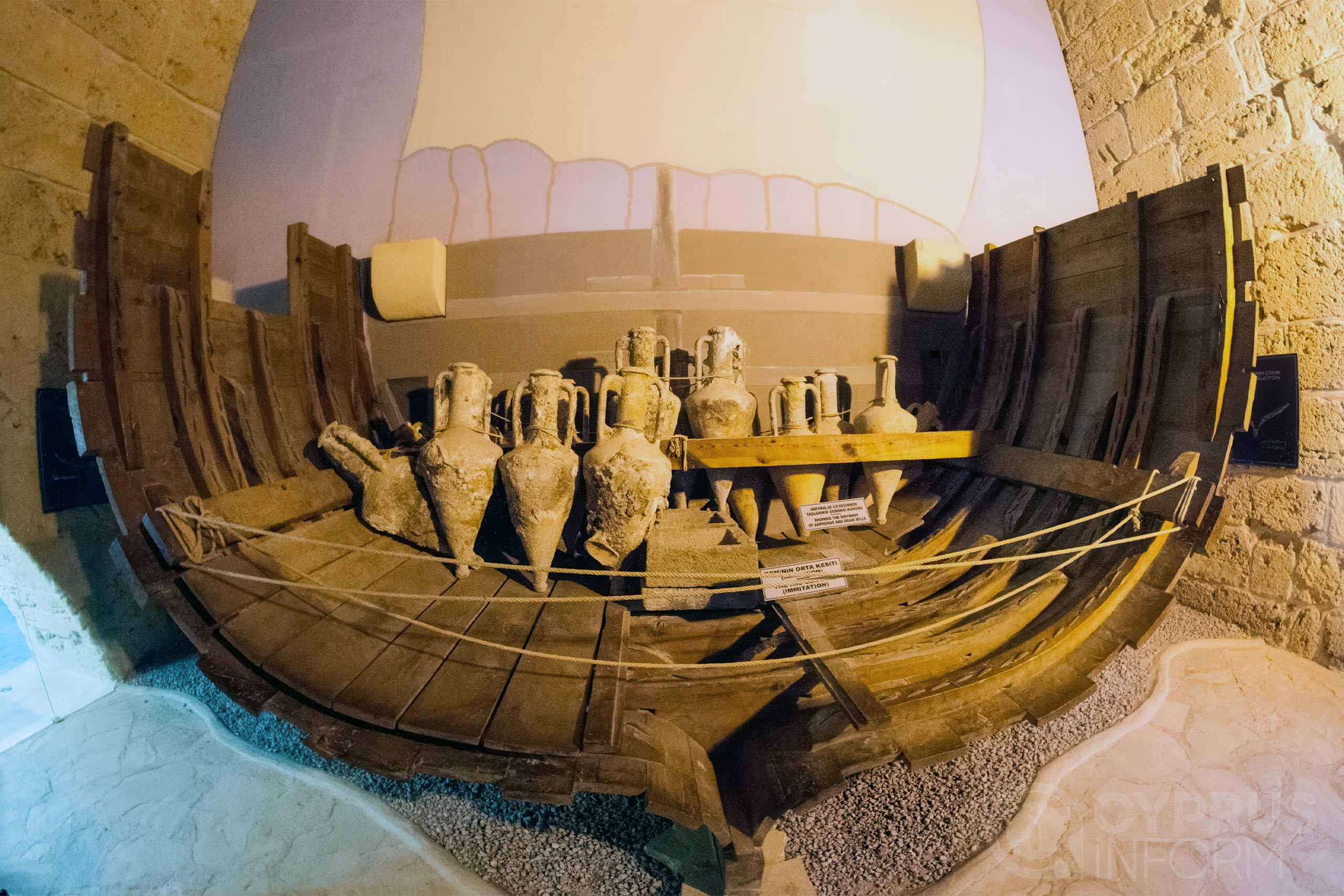
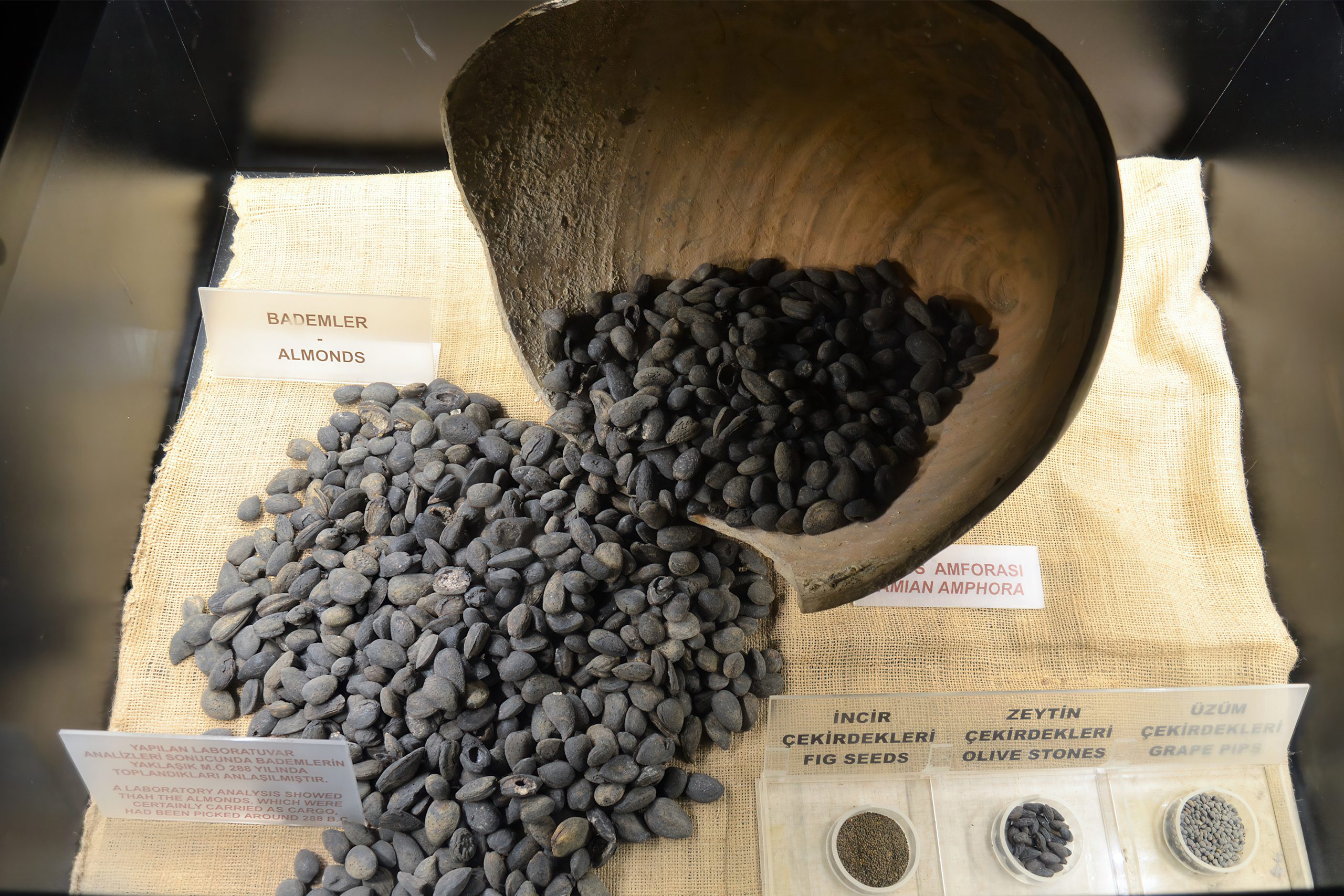
The ship carried 381 amphorae or transport jars filled with wine, olive oil, and almonds. Most amphorae came from Rhodes, with smaller numbers from Knidos, Samos, Kos, Palestine, Egypt, and Cyprus. Over 9,000 almonds were found intact in the cargo. The ship also transported 29 millstones laden in three rows over the keel, serving both as cargo and ballast. Masons at the stone quarry on Kos carved letters of identification on the millstones.
The ship carried iron billets as additional cargo. More than 300 lead net weights found in the bow reveal that sailors fished during voyages to supplement provisions. Seven bronze coins discovered at the wreck site help date the sinking. Five coins were minted in the name of Alexander the Great between 334 and 301 BC. One coin bears the mark of Ptolemy I and was produced only on Cyprus post 294 BC. The ship’s trade route included Rhodes, Cyprus, and the Levant, with Egypt as its possible final destination.
Pirates likely attacked and sank the vessel
Initial theories suggested the ship sank due to old age combined with wave stress or minor collision. However, discovery of iron spearheads underneath the hull and embedded in the ship’s side led archaeologists to conclude that pirates attacked and sank it. Pirates were active around the Turkish-occupied part of Cyprus coast during this period. A curse tablet was found on the wreckage, which pirates hammered onto ships before scuttling them to ward off supernatural retribution for their deeds.
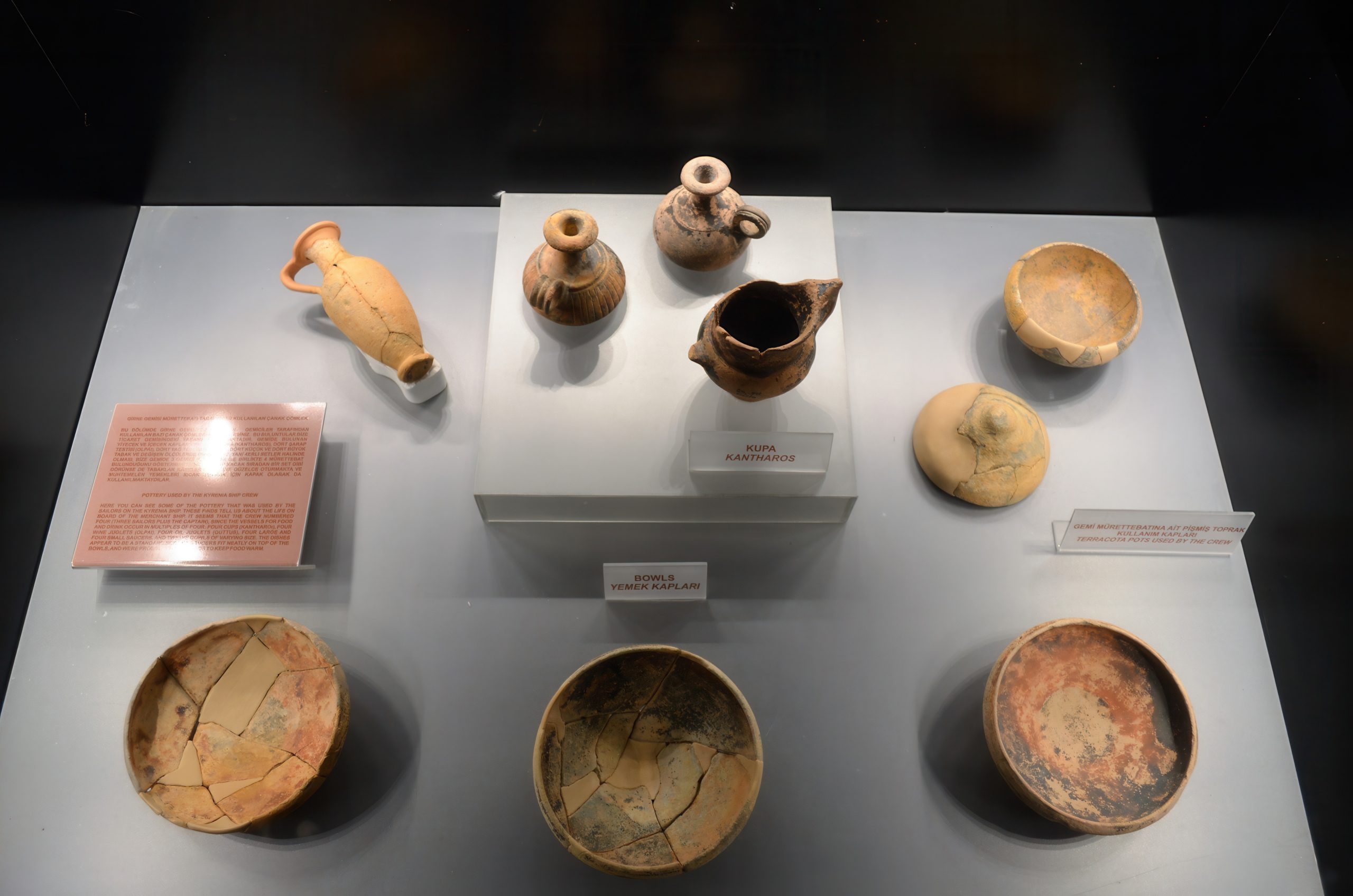
The absence of crew remains or personal valuables supports the piracy theory, as pirates would have plundered the ship and captured the crew to sell as slaves. The number of kitchen utensils including wooden spoons, olive oil bottles, glasses, and salt cellars indicates a crew of only four persons. They subsisted mainly on almonds and fish they caught. The lack of any trace of these four men suggests a violent end rather than natural disaster.
Three replica ships spread the story
Following the original’s restoration, three full size replicas were built. The first replica sailed to Greece in the 1980s. The Japanese National Television Organization constructed the second replica in 1988, named Kyrenia III, which is normally exhibited at the Nautical Museum of Fukuoka. In 2002, a third reconstruction named Kyrenia Liberty was built using the original design but with modern techniques.
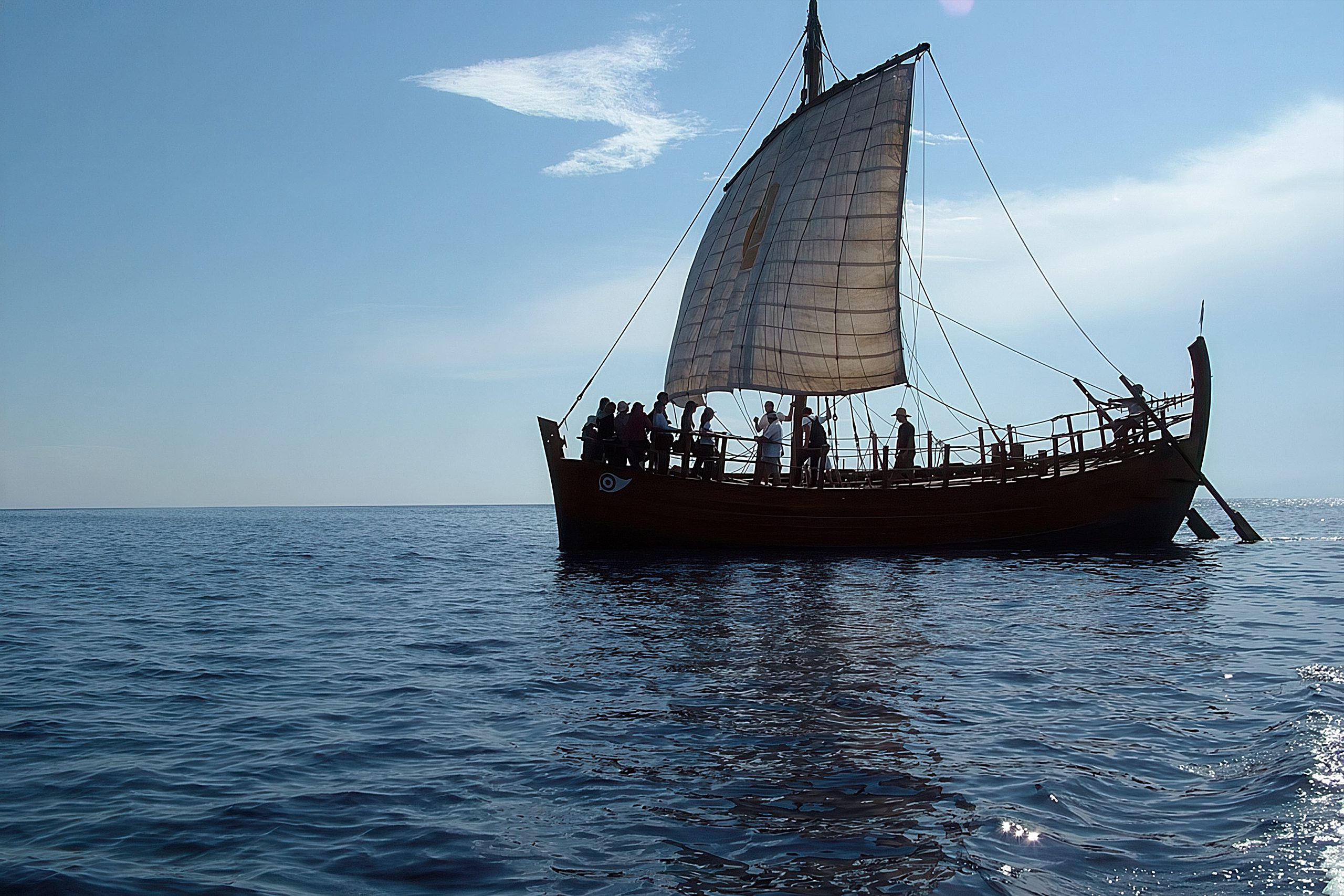
This vessel was prepared for the 2004 Olympic Games and set sail for Athens with a symbolic cargo of copper to be used in the Olympic bronze medals. This cargo was symbolic since the name Cyprus is associated with the Latin word for copper. The Kyrenia ship features on three Cypriot euro coins: the 10, 20, and 50 cent pieces. These replicas demonstrate the ship’s seaworthiness and have helped researchers understand ancient sailing techniques and capabilities.
The museum inside a medieval fortress
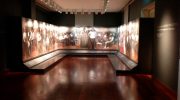
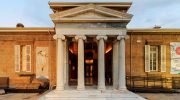
The museum occupies rooms within Kyrenia Castle, a 16th century Venetian fortress built over earlier Byzantine and Crusader fortifications. The castle itself dates to the 7th century when Byzantines built it to guard against Arab maritime threats. Venetians enlarged and reinforced the walls in 1540 to withstand artillery attacks from the expanding Ottoman Empire. The shipwreck display room is fully air conditioned to protect timbers from corrosion. Dim lighting prevents further deterioration of the ancient wood.
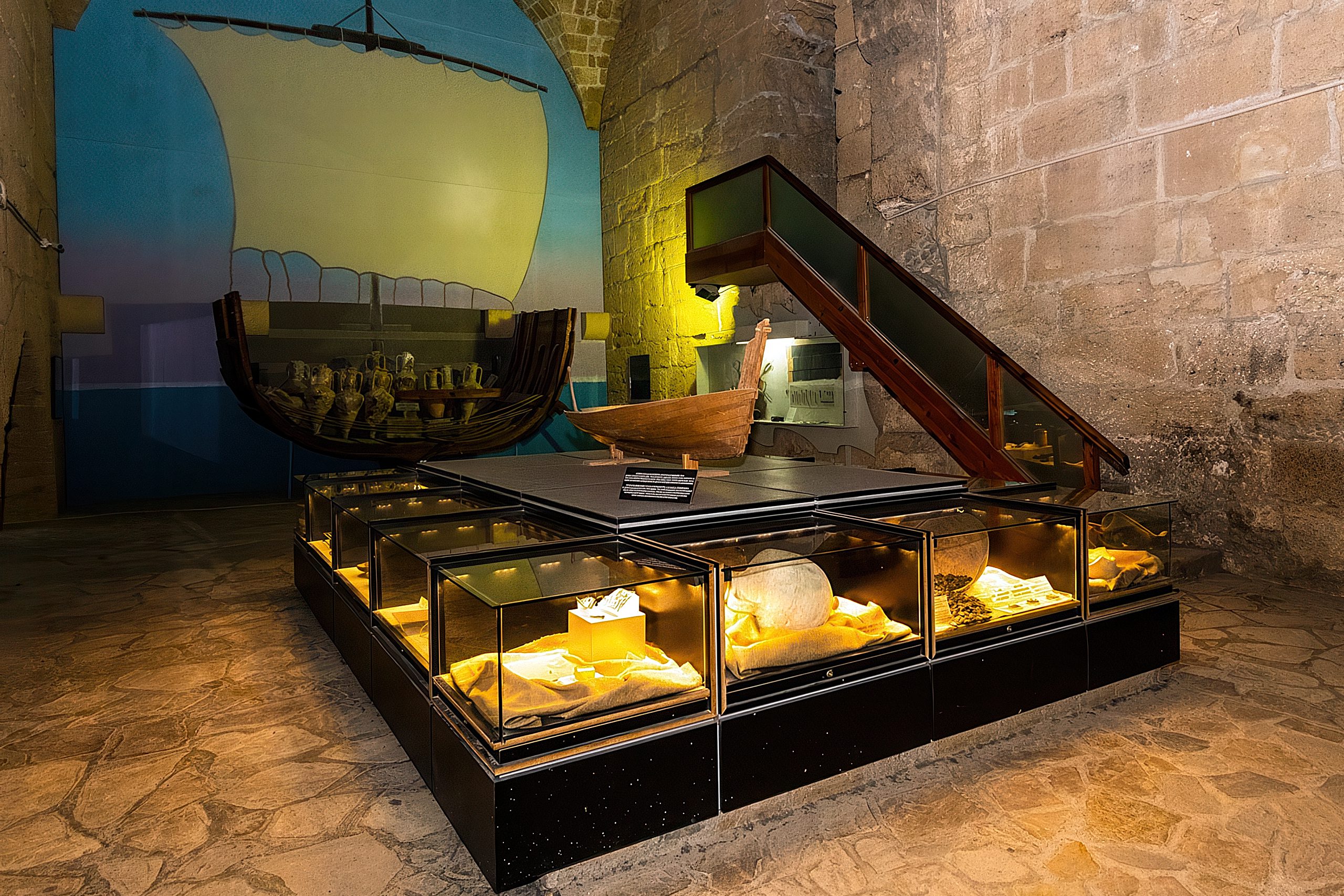
A walkway and viewing platform allow visitors to see the wreck from above. The wooden surface is coated with strong lacquer to protect against Mediterranean wood boring organisms. Upper levels display photographs of the archaeological dive and recovery process. Information panels explain the ship’s journey, cargo, and the evidence for pirate attack. The museum opened in 1976 and remains the centerpiece of Kyrenia Castle’s cultural offerings.
Visiting the oldest ship in the world
The museum is located within Kyrenia Castle in the Turkish-occupied part of Cyprus, accessible only through Turkish controlled territory. Visitors must cross from the Republic of Cyprus through checkpoints or fly to Ercan Airport. The castle operates daily from 9:00 to 18:00. Entry to the castle includes access to the shipwreck museum. Most visitors spend 20 to 30 minutes in the museum itself, though the entire castle complex merits several hours. The viewing area around the wreck consists of a narrow walkway with a bench, which can feel cramped when crowded.
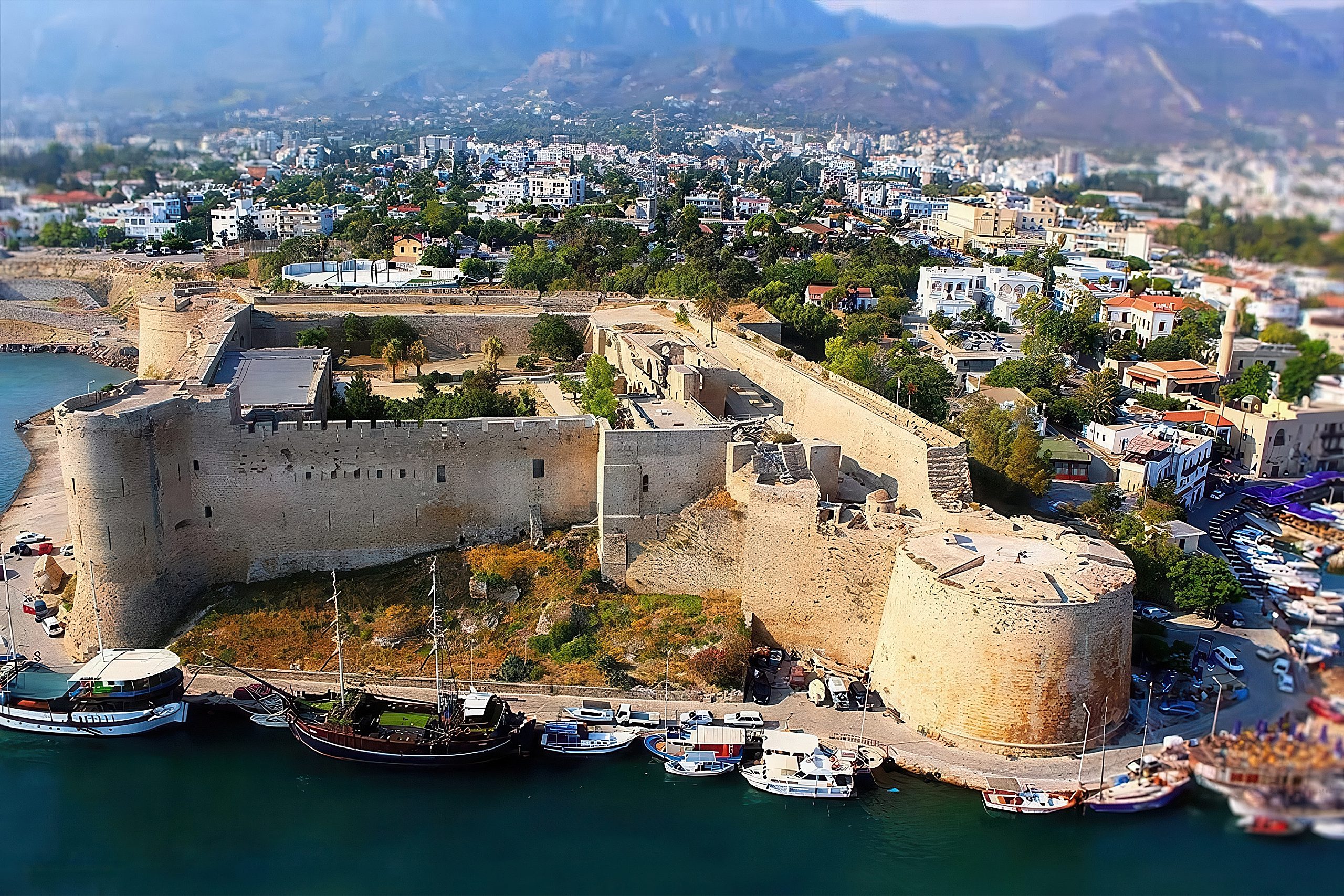
Photography is permitted though flash should be avoided. The museum is relatively small but historically significant. Comfortable shoes are recommended as the castle requires considerable walking over uneven surfaces. Combining the shipwreck museum with exploration of the castle’s ramparts, dungeons, Byzantine chapel, and other exhibits creates a comprehensive historical experience.
Why this ship matters to understanding the ancient world
The Kyrenia ship provides irreplaceable evidence of ancient shipbuilding techniques, trade networks, and daily maritime life. Virtually nothing of ancient ship hulls survives elsewhere in the Mediterranean despite numerous underwater discoveries. The Kyrenia vessel’s preservation allows detailed study of construction methods used 2,300 years ago. The cargo reveals the complexity of Mediterranean trade, with goods from multiple islands and regions combined in a single small vessel.
The fishing weights and kitchen utensils humanize ancient sailors, showing they supplemented cargo trading with fishing and lived simply aboard. The pirate attack demonstrates the dangers of ancient commerce and the precarious nature of maritime trade. For Cyprus, the ship anchors the island’s identity as a Mediterranean crossroads where goods and people from multiple cultures converged. The museum demonstrates how underwater archaeology can recover lost history that exists in no written records.