Cultural Heritage and Traditions

Articles: Cultural Heritage and Traditions

Stories in this category and its subcategories.

Apokries Carnival Cyprus

Apokries Carnival Cyprus

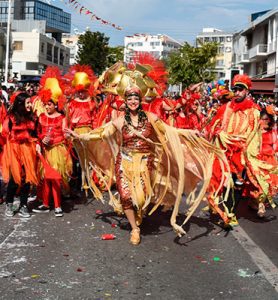
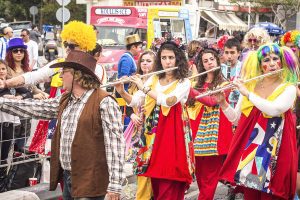
pokries represents the Cypriot version of carnival, celebrated in the weeks leading up to Orthodox Lent. The name derives from the Greek words apochi and kreas, meaning abstinence and meat, marking the final period when meat consumption is permitted before the 40-day fasting period. land-cy This tradition combines ancient pagan festivals honoring Dionysus with Christian calendar observances, creating a uniquely Cypriot celebration focused on feasting, costumed revelry, and satirical humor. While Limassol hosts the island's largest organized carnival, Apokries customs persist across Cyprus in villages and towns through family gatherings, traditional games, masked performances, and community meals. The festival serves multiple purposes, providing a release valve for social tensions through humor, strengthening community bonds through shared celebration, and preparing participants…

Read more

Isolated Cyprus Villages with Scenic Views

Isolated Cyprus Villages with Scenic Views

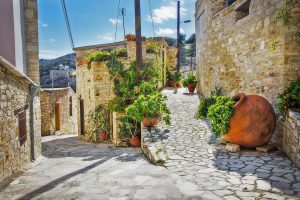
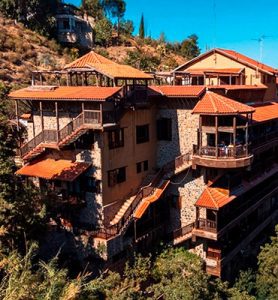
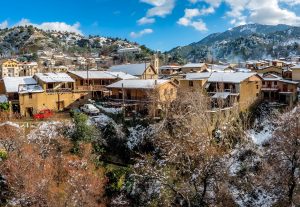
Isolated villages scattered across the Cypriot mountains offer some of the most dramatic views on the island. These remote settlements cling to hillsides and nestle in valleys, far from coastal tourist centers and modern development. shutterstock-com The villages sit at elevations ranging from 900 to 1,380 meters above sea level. Their geographic isolation preserved traditional architecture and ways of life that disappeared elsewhere. Stone houses with wooden balconies, cobblestone streets, and terraced hillsides create scenes that seem frozen in time. Panoramic vistas stretch in every direction from these mountain perches. Visitors can see across valleys thick with pine forests, down to distant coastlines, and toward other villages dotting the landscape. The clean mountain air and reduced light pollution make these…

Read more
Maronite Villages of Cyprus

Maronite Villages of Cyprus

The Maronite community of Cyprus represents one of the island's smallest yet most distinctive religious groups, descended from Arab Christians who fled persecution in modern-day Syria and Lebanon starting in the 8th century. Today approximately 7,500 to 10,000 Maronites live on Cyprus, though their numbers have declined dramatically from an estimated 80,000 in the 13th century when they inhabited 60 villages across the island. aljazeera-com Four traditional Maronite villages remain: Kormakitis, Asomatos, Agia Marina, and Karpasha, all located in the Turkish-controlled part of Cyprus. These communities maintain unique cultural practices, including speaking Sanna, a critically endangered Arabic dialect that preserves traces of Aramaic and represents one of the world's rarest languages. Four Waves of Migration from the Levant The Maronite…

Read more
Phyti Weaving Tradition

Phyti Weaving Tradition

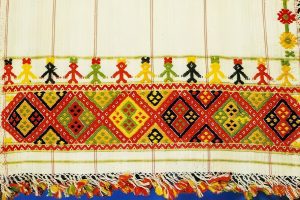
Phyti Weaving Tradition is a distinctive Cypriot craft originating from the village of Phyti, involving highly symbolic woven textiles characterized by bright colors and ritual motifs, originally created for dowries and ceremonial purposes. This handmade art form uses intricate patterns on cotton or linen fabrics to convey themes of protection, fertility, and harmony, passed down through generations of female artisans. Recognized as part of Cyprus's intangible cultural heritage, it embodies the island's blend of ancient symbolism and practical beauty, preserving a legacy of women's creativity in rural life. vkcyprus-com A Timeless Craft of Color and Symbol Phyti weaving stands as a vibrant expression of Cypriot textile heritage, where artisans produce fabrics adorned with geometric designs and bold hues that hold…

Read more
Traditional Shoemaking and Village Footwear

Traditional Shoemaking and Village Footwear

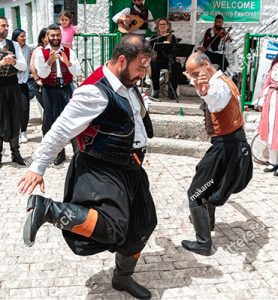
Traditional Shoemaking (Tsamika & Village Footwear) in Cyprus involves handmade leather footwear designed for agricultural and pastoral life, reflecting craftsmanship shaped by the island's environment. Tsamika, a type of sturdy boot, and other village shoes use local materials like goat hide for durability, with simple stitches and soles suited to rocky terrain. This tradition preserves ancient skills, where functionality meets cultural symbolism, offering a glimpse into how rural Cypriots adapted to their landscape through practical art. korali-homemade-com A Timeless Craft of Leather and Land Traditional shoemaking in Cyprus embodies a practical artistry where leather is shaped into footwear that supports the demands of farming and herding. Tsamika boots, with their high ankles and thick soles, and village shoes like low-cut…

Read more
Vavla Village

Vavla Village

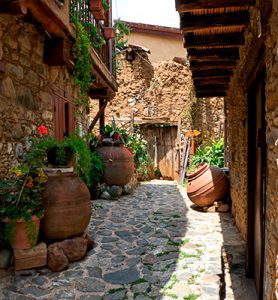
Vavla is a small mountain village situated in the Larnaca district of Cyprus, approximately 38 kilometers west of Larnaca city and 450 meters above sea level. The village lies in the foothills of the Troodos mountains, positioned between the major cities of Larnaca, Limassol, and Nicosia, each within 25 to 40 minutes by car. visitcyprus-com With fewer than 100 permanent residents, Vavla has been officially declared a Preserved Village by the Cyprus authorities due to its traditional white stone architecture built from local Lefkara limestone. The village stands on the geological boundary between Lefkara limestone formations and the volcanic earth of Troodos, creating a unique microclimate that supports rich vegetation, including three rare species and 18 endemic plant varieties. Historical…

Read more
Tsiattista

Tsiattista

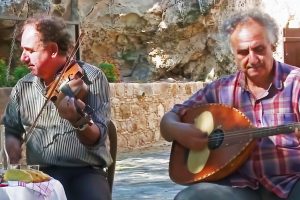
Tsiattista is a form of improvised vocal poetry unique to Cyprus, where performers engage in competitive exchanges of sung verses, demonstrating quick wit, strong memory, and mastery of language. This tradition, central to social gatherings and celebrations, involves rhymed couplets improvised on the spot, often touching on love, humor, or daily life. Recognized by UNESCO as intangible cultural heritage in 2011, tsiattista preserves ancient poetic roots while adapting to contemporary expression, leaving a sense of admiration for its lively, spontaneous nature. youtube-com A Timeless Tradition of Wit and Song Tsiattista embodies Cyprus's rich oral heritage, a practice where two or more singers alternate verses in a rhythmic duel, crafting poetry from the moment's inspiration. Rooted in the island's multilingual history,…

Read more
Laouto (Lute)

Laouto (Lute)

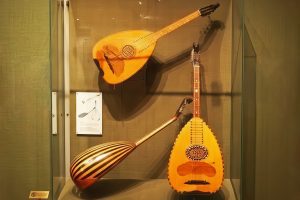
The Cypriot laouto is a plucked string instrument with a distinctive accompaniment style that plays a crucial rhythmic and harmonic role in the island's music, supporting both instrumental ensembles and vocal traditions while embodying strong regional identities. Its pear-shaped body and resonant tone allow for improvisation within ancient modal systems inherited from Byzantine and Ottoman influences, making it a cornerstone of Cypriot folk expression. This instrument not only preserves historical musical practices but also adapts to contemporary settings, raising interest in how such traditions endure in a modern world. nakas-com A Core Element of Cypriot Musical Heritage The laouto, a lute-like instrument central to Cypriot folk music, features a large pear-shaped body, long neck, and four strings tuned in a…

Read more
Lefkara Lace (Lefkaritika)

Lefkara Lace (Lefkaritika)

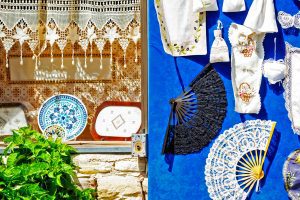
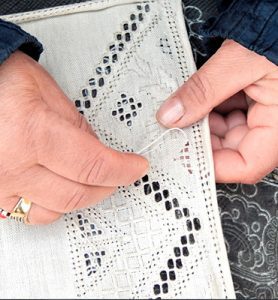
Lefkara Lace (Lefkaritika) is a world-renowned handmade lace tradition from Cyprus, distinguished by its geometric precision, white-on-white stitching, and centuries-old transmission through female artisans. Originating in the village of Lefkara, this craft blends intricate patterns that symbolize nature and life, creating delicate textiles prized for their elegance and cultural depth. Recognized by UNESCO as intangible cultural heritage in 2009, it represents Cyprus's enduring artisanal legacy, where women's hands have woven history into fabric for generations. unesco-org A Timeless Craft of Elegance and Skill Lefkara lace, known locally as Lefkaritika, embodies the island's rich textile heritage, a form of needlework where fine linen threads are drawn and stitched into intricate designs that appear almost ethereal against a white background. Produced exclusively…

Read more