Explore Cyprus with Our Interactive Map

Explore our top stories and discover ideas worth your time.

Elevated Cyprus Viewpoints

Elevated Cyprus Viewpoints

Cyprus offers some of the Mediterranean's most spectacular coastal viewpoints where limestone cliffs tower above turquoise waters, creating panoramic scenes that have inspired mythology and attracted visitors for millennia. Cape Greco National Park on the southeastern tip provides dramatic limestone cliffs plunging into emerald water, with hiking trails leading to viewpoints where ancient Greeks believed gods walked. The Cape Greco viewpoint, located on a hill in the west, offers wonderful views of the entire cape, including the Blue Lagoon where meter-high waves crash against rocks when wind blows. These elevated perspectives reveal the island's geological drama while connecting visitors to landscapes that shaped Cyprus's cultural identity. The Legendary Rock of Aphrodite Petra tou Romiou, known as Aphrodite's Rock, represents Cyprus's most iconic coastal landmark where mythology meets natural beauty. The rugged coastline features striking rock formations emerging majestically from turquoise Mediterranean waters, creating dramatic and awe-inspiring panoramas. The main rock, a towering limestone stack, is surrounded by smaller rocks and a pebble beach, all set against the backdrop of rolling hills. According to ancient Greek mythology, the goddess Aphrodite emerged from sea foam at this exact location. The tale suggests that Chronos castrated his father Uranus and threw his genitals into the sea. From the resulting foam, Aphrodite was born, carried to shore on a scallop shell. This mythical connection…

Read more
Cyprus Slow-Cooked Vegetable Recipes

Cyprus Slow-Cooked Vegetable Recipes

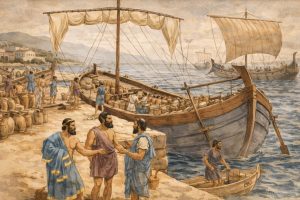
Slow-cooked vegetable dishes form a core part of traditional Cypriot cuisine, particularly preparations called yiahni or lathera. The term yiahni means steamy and refers to vegetables braised slowly with olive oil, tomatoes, and herbs in a tightly sealed vessel. Lathera refers to a style of cooking where vegetables braise in olive oil, often with tomatoes and herbs, until they become very tender and the sauce thickens. These dishes include fasolada, a white bean soup, louvi made with black-eyed beans and greens, gemista or stuffed vegetables, and fasolakia yiahni with green beans. The cooking method produces tender vegetables that absorb the flavors of olive oil, lemon, and fresh herbs while maintaining their nutritional value. Ancient Traditions and Religious Influence Fasolada has origins in Ancient Greece and was a traditional soup dedicated to the Greek God Apollo, cooked especially for the Pyanopsia Festival. According to myth, the tradition began when Theseus sailed from Athens to Crete to kill the Minotaur and stopped on the island of Delos to make a sacrifice to Apollo, promising to offer decorated olive branches if he won the battle. Orthodox Christian fasting periods shaped Cypriot vegetable cooking significantly. During the Great Lent period called Saracosti, the faithful fast for 48 days, and the Christmas fasting period runs from November 15 to December 24. All Wednesdays and Fridays…

Read more
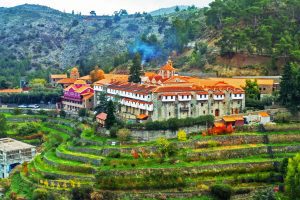
Troodos Monasteries and Chapels

Troodos Monasteries and Chapels

The Troodos region painted churches represent a group of ten medieval monuments built between the 11th and 16th centuries across the mountainous interior of Cyprus. These structures include small rural chapels and former monastic churches, all known for two defining features: richly preserved interior fresco programs and steep-pitched timber roofs adapted to local climate conditions. Nine of the churches are located in the Nicosia District, while one example, the Church of Timios Stavros in Pelendri, is located in the Limassol District. Together, they form one of the most important surviving collections of Byzantine and post-Byzantine mural painting in Cyprus. Historical Background Cyprus became fully integrated into the Byzantine administrative system in 965 AD after the reconquest of the island by imperial forces under Emperor Nikephoros II Phokas. Prior to this, the island experienced a long period of shared governance beginning in 688 AD, when agreements between the Byzantine Empire and the Umayyad Caliphate created a joint administrative arrangement. Although this system was inconsistent in practice, it resulted in relatively stable conditions and limited militarization on the island. After 965 AD, Cyprus was organized as a Byzantine province, and the island experienced gradual economic and administrative development. Urban centers such as Nicosia, Famagusta, Limassol, and Kyrenia expanded in importance during this period, supported by trade and agricultural production. This environment contributed…

Read more