Protaras sits on the southeastern coast of Cyprus in the Famagusta District, approximately 70 kilometers from Larnaca International Airport. This coastal resort developed specifically for tourism offers 10 kilometers of coastline along the Mediterranean Sea.
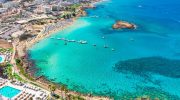
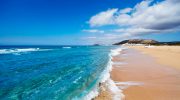
The beaches here feature fine golden sand and exceptionally clear waters that earned international recognition. Fig Tree Bay was named Europe’s third best beach by TripAdvisor in 2011, though rankings shifted in following years. Unlike the party atmosphere of nearby Ayia Napa, Protaras built its reputation as a quieter alternative better suited to families and domestic Cypriot tourism.
Historical Context
In ancient times, the area now known as Protaras was home to the old city-state of Leukolla, which had a small, safe harbor where Demetrius Poliorketes sought refuge in 306 BC. For centuries afterward, the coast remained sparsely populated due to pirate threats that made settlement dangerous.
The area earned the nickname “the land of windmills” from agricultural equipment that once dotted the landscape. The first windmills appeared in Paralimni in the early 20th century and were imported from Chicago, Toronto, and later Great Britain.
Tourism development began in earnest during the late 20th century following the 1974 events that closed Famagusta to Greek Cypriot tourism. Protaras transformed from agricultural land into a major resort destination.
The population of the broader Paralimni area grew from roughly 500 residents in 1900 to over 19,000 by 2021. Most hotels and tourist infrastructure date from the 1990s and 2000s when European visitors discovered the area’s beaches.
Multiple Beaches Along a Single Coast
Protaras contains numerous named beaches along its 10-kilometer coastline. Fig Tree Bay remains the most famous, stretching for 500 meters with waters clean enough to earn Blue Flag designation.
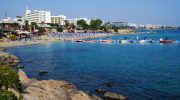
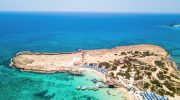
The beach takes its name from a solitary fig tree that has stood near the shore since the 17th century. A small uninhabited islet sits about 60 meters offshore, easily reached by swimming through shallow water. The islet provides natural shelter that keeps the bay calm while creating habitat for small fish visible when snorkeling.
The patches of golden sand that stretch north from Fig Tree Bay up to the pier are collectively known as Protaras Beach, Vrisi Beach or Sunshine Beach. Vrisi Beach extends one kilometer in length and divides into three separate sections, all holding Blue Flag status. The sand quality stays consistently fine across these beaches, with depth increasing gradually to allow safe swimming for children. Water clarity remains exceptional throughout the season, revealing the seafloor even at depths of several meters.
Konnos Bay marks the boundary between Protaras and Cape Greco National Forest Park. This smaller beach sits surrounded by pine trees and rocky cliffs, accessed via a scenic descent from the parking area above.
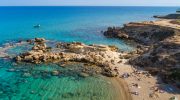
The bay provides excellent conditions for kayaking and offers views of the dramatic coastline extending toward Cape Greco. Additional beaches include Pernera Beach, Sunrise Beach, Green Bay, and several smaller coves scattered along the coast.
Five Notable Beach Facts
In 2010, during structural improvements to Fig Tree Bay, an ancient Greek tomb was unearthed. The discovery provided evidence of ancient settlement in the area beyond written historical records. Eighteen Protaras beaches earned Blue Flag certification for 2024, representing international standards for water quality, safety, and environmental management. This makes Protaras one of the highest concentrations of certified beaches in the Mediterranean region.
English musician Peter Frampton wrote a song titled “Fig Tree Bay” that appeared as the first track on his 1972 album Wind of Change. The beach inspired the composition during Frampton’s visit to Cyprus. Sea turtles occasionally appear in the bays around Protaras, particularly at Green Bay and near the offshore islets. Snorkelers report regular sightings during summer months when turtles feed in the shallow coastal waters.
Most Protaras beaches offer wheelchair access through specialized ramps and the Seatrack system, a temporary pathway laid across sand that allows wheelchairs to reach the water. Eleven beaches maintain adapted facilities including accessible toilets and changing rooms. Beach wheelchairs are available at lifeguard stations during operating hours from June through October.
Beach Services and Water Activities
All major Protaras beaches provide standard Mediterranean beach services. Sunbed and umbrella rental costs approximately 2.50 to 3.00 euros per day, with prices sometimes reducing after 5:00 PM. Lifeguards staff the main beaches from 10:30 AM to 6:00 PM during the official season running April through October. Facilities include toilets, showers, changing rooms, and first aid equipment at lifeguard towers.
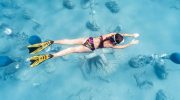
Water sports operators cluster at Fig Tree Bay, Vrisi Beach, and Pernera Beach. Available activities include parasailing, jet skiing, banana boat rides, paddleboarding, windsurfing, and kayaking. Rental kiosks operate throughout the day during peak season. Snorkeling requires no rental as the clear shallow water near shore provides adequate viewing of fish and rocky formations. The small islet at Fig Tree Bay attracts snorkelers who swim the short distance to explore the waters around its perimeter.
A four-kilometer promenade connects the beaches from Fig Tree Bay northward through the resort center. The paved walkway provides flat access suitable for bicycles, strollers, and wheelchairs. Cafes, restaurants, bars, and shops line the promenade at regular intervals. The walkway features sculptures, public art installations, and seating areas with sea views. Evening use peaks as tourists and locals walk the route to watch the sunset and visit establishments along the shore.
Modern Protaras as a Tourist Destination
Today’s Protaras exists primarily for tourism while maintaining some permanent residential population. The area falls under the Paralimni-Deryneia Municipality, formed in 2024 through the merger of two formerly separate municipalities. Total population approaches 42,000 across the merged municipality, though Protaras itself contains far fewer permanent residents. Most buildings in the beach zone consist of hotels, hotel apartments, rental villas, and tourist-oriented commercial properties.
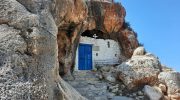
The resort emphasizes family tourism through beach safety measures, child-friendly restaurants, and attractions like water parks in neighboring areas. Anastasia Aquamania Waterpark operates nearby, while Ocean Aquarium provides an indoor attraction option. The Church of Profitis Elias sits atop a rocky peak overlooking Protaras, reached via a long staircase that rewards climbers with panoramic views across the entire coast and inland toward Paralimni.
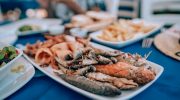
Protaras maintains noticeably quieter nightlife compared to Ayia Napa, located 10 kilometers southwest. Bars and clubs exist but cater to a more moderate crowd. Restaurants range from fast food chains to traditional tavernas serving fresh seafood and Cypriot specialties. Most establishments offer outdoor seating along the promenade or in pedestrian areas behind the beachfront.
Protaras maintains noticeably quieter nightlife compared to Ayia Napa, located 10 kilometers southwest. Bars and clubs exist but cater to a more moderate crowd. Restaurants range from fast food chains to traditional tavernas serving fresh seafood and Cypriot specialties. Most establishments offer outdoor seating along the promenade or in pedestrian areas behind the beachfront.
Visiting Protaras Beaches Today
Beach access remains free at all Protaras locations as required by Cypriot law. Only sunbed and umbrella rental carry charges, along with optional water sports activities. Municipal parking lots serve the main beaches, with spaces available within short walking distance. Parking fees apply during peak season but remain modest compared to other European beach destinations.
The swimming season extends from May through October, with water temperatures reaching maximum warmth in July and August. June and September offer comfortable conditions with fewer crowds than peak summer months. Weekends see increased local visitors from inland Cyprus towns who drive to the coast for day trips. Some beaches become quite crowded on Saturday and Sunday during July and August.
Public buses connect Protaras to Larnaca, Ayia Napa, and Paralimni throughout the day during tourist season. Service frequency reduces in winter months. Taxis and ride services operate regularly. Many visitors rent cars to explore the wider region including Cape Greco trails, nearby villages, and archaeological sites. The drive from Larnaca Airport takes approximately one hour under normal traffic conditions.
Visitors should bring sun protection including high SPF sunscreen, hats, and sunglasses. The summer sun intensity in Cyprus requires precautions to prevent burns. Water, snacks, and light meals can be purchased at beach kiosks and nearby restaurants, though prices run higher than inland establishments. Bringing your own supplies reduces costs, particularly for families spending full days at the beach.
Why Protaras Beaches Matter to Cyprus
Protaras demonstrates successful coastal tourism development balanced with accessibility and environmental standards. The high concentration of Blue Flag beaches reflects commitment to water quality monitoring and beach management that protects both visitors and marine ecosystems. Unlike resort areas in other Mediterranean countries where private beach clubs dominate access, Cyprus law ensures public access to all beaches, making Protaras available to everyone regardless of budget.
The area provides significant employment through hotels, restaurants, water sports companies, and service industries. Tourism revenue supports not just Protaras but the broader Paralimni region, funding municipal services and infrastructure improvements. The success of family-oriented tourism here offers an alternative model to party-focused resorts, proving that Mediterranean beach destinations can cater to diverse visitor preferences.
Protaras beaches connect Cyprus to international tourism markets while preserving the clear waters and golden sands that attracted initial development. Continued maintenance of Blue Flag standards, accessibility improvements, and balanced development ensure these beaches remain assets for both visitors and Cypriots who use them regularly throughout the year.