Hidden among the vineyards and dry stone walls of the Troodos foothills lives a mouse that science almost overlooked entirely. Smaller than your hand, rarely seen by day, it had been sharing the island with humans for thousands of years before anyone realised it was something genuinely new to science. When they finally did, the discovery made headlines around the world.
Introducing the Island’s Secret Rodent
The Cypriot mouse is a small mammal, no bigger than your palm, belonging to the vast family of mice known as Muridae. Think of it as a cousin to the common house mouse, but with its own unique Cypriot twist – part of the broader rodent order that includes everything from squirrels to beavers. It’s a nocturnal nibbler that thrives in the island’s varied landscapes, from rocky hillsides to cultivated fields, quietly going about its business without much fanfare.
A Tale from Cyprus’s Ancient Shores
Millions of years ago, during the geological upheavals of the Messinian Salinity Crisis around 6-5 million years back, the Mediterranean Sea almost dried up, narrowing sea passages that allowed early ancestors of mice to wander onto what would become Cyprus. Isolated as the seas refilled, these pioneers evolved into Mus cypriacus, diverging from relatives like the eastern Mediterranean mouse (Mus macedonicus) about half a million years ago. Fast-forward to the Pleistocene, when humans first set foot on the island around 12,000 years ago – most large endemic animals vanished, but this resilient rodent persisted, earning its “living fossil” status. It wasn’t until 2004 that scientists, sifting through bones in ancient sites like Akrotiri-Aetokremnos, realized it was a distinct species, formally described in 2006 – a modern-day discovery echoing Cyprus’s rich archaeological heritage of unearthed treasures.
Portrait of a Cypriot Survivor
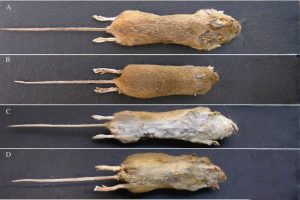
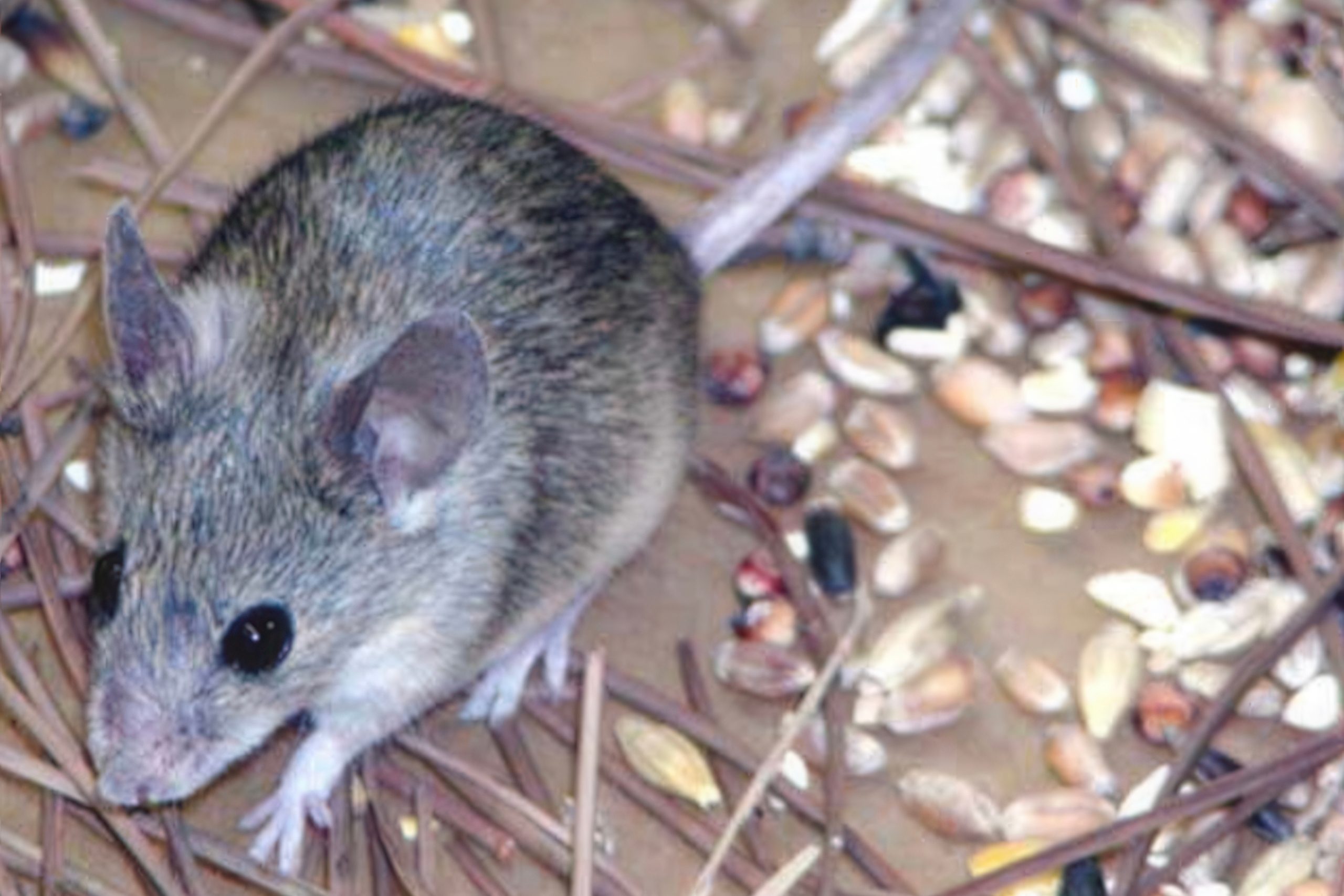
What sets the Cypriot mouse apart? Picture a sleek, brownish-gray fur coat blending seamlessly with the earthy tones of Cyprus’s terrain, topped with oversized ears and eyes that give it a wide-eyed, curious look – adaptations for keen hearing and night vision in its shadowy world. Larger teeth than its mainland kin hint at a diet suited to tougher island fare, like seeds and insects. Behavior-wise, it’s a solitary forager, darting through underbrush with agile leaps, building nests in crevices or burrows. In the grand rodent family tree, it’s a specialist in survival, all about stealth and adaptability in a land of limited resources.
Mouse-Sized Marvels
• Did you know the Cypriot mouse is Europe’s newest mammal discovery in over a century? It’s like finding a hidden chapter in a history book!
• Another gem: despite living on the island it maintains high genetic diversity – no bottlenecks or inbreeding woes here, thanks to Cyprus’s varied habitats.
• Fun fact for sharing: This “living fossil” outlasted dwarf hippos, elephants and genets that once roamed the island, proving small size can be a big advantage in evolution’s game.
• It almost carried the name of a goddess. The lead researcher Thomas Cucchi originally wanted to call the new species Mus aphrodite, honouring Cyprus as the mythological birthplace of Aphrodite. The scientific name cypriacus was ultimately chosen, but the poetic impulse was entirely appropriate
Delving Deeper into Mouse Mysteries
Zooming into its zoological secrets, recent studies using isotopes and jaw shapes reveal the Cypriot mouse dines on a mix of natural goodies – insects, seeds, and plants – unlike the house mouse’s junk-food habits from human scraps. Ecologically, it’s a seed disperser, aiding Cyprus’s botanical bounty, from endemic wildflowers to ancient olive groves. Archaeologically, its bones in prehistoric sites whisper tales of early human impacts, while genetically, its stable populations show resilience amid island isolation – a light touch on how rodents worldwide adapt to changing worlds without overwhelming jargon.
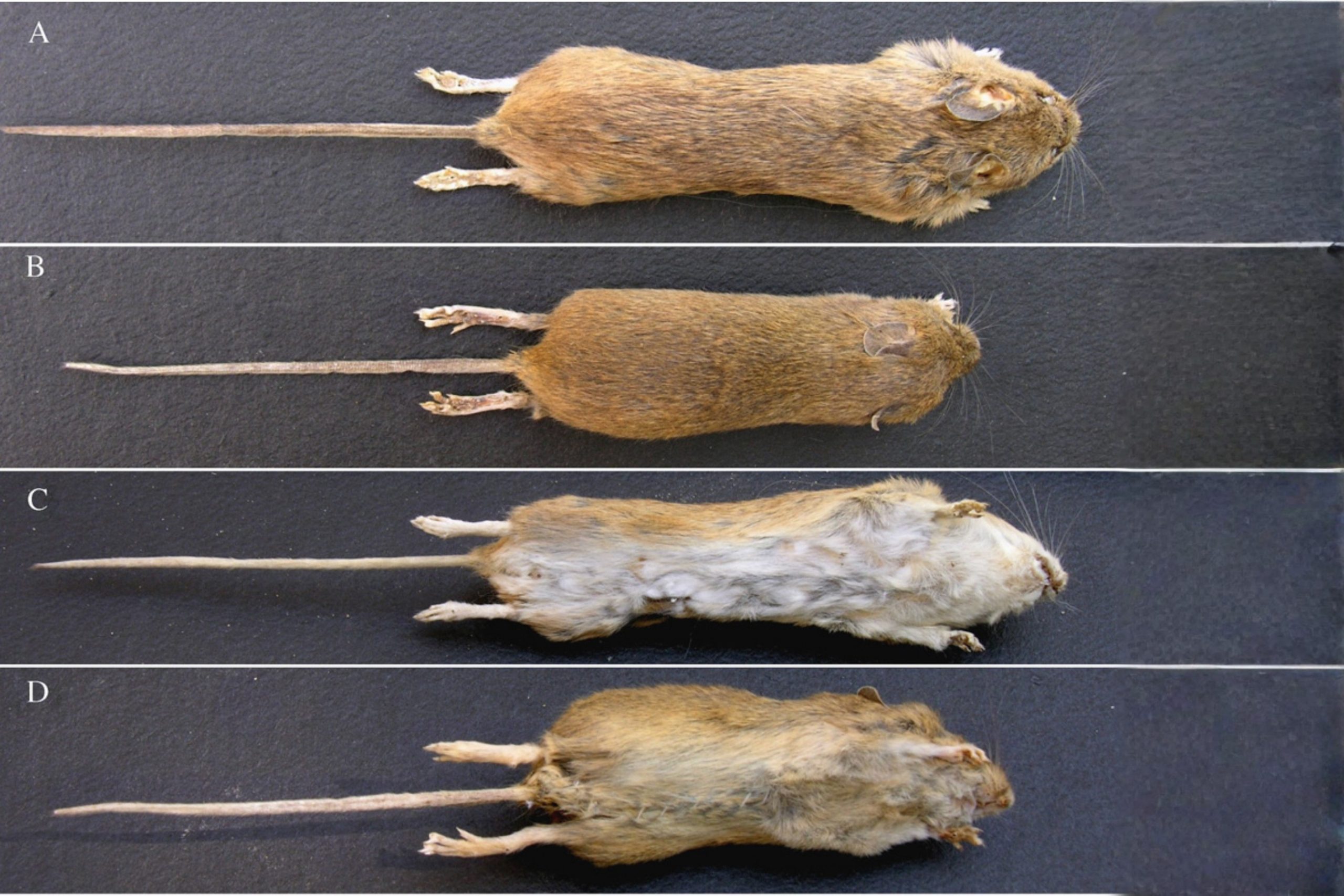
Like all small mammals, Mus cypriacus is far more than a passive resident of the countryside. It feeds on seeds, plant material, and invertebrates, and in doing so it moves energy through the landscape, disperses seeds into new ground, and feeds the predators above it. Barn owls, long-eared owls, and the Cyprus scops owl all hunt the island’s small rodents by night. Snakes take them in the scrub. Hawks may take unwary individuals by day. The mouse, in short, is not just a species — it is a service station in the island’s food web.
A Modern Mouse in Cypriot Life
Today, the Cypriot mouse weaves into Cyprus’s cultural tapestry as a symbol of enduring island heritage, much like the ancient mosaics of Paphos. In a land where agriculture meets conservation, it thrives in vineyards and olive fields, reminding farmers of nature’s balance. Though Least Concern on conservation lists, urban sprawl and competition from house mice pose quiet threats – yet its wide habitat use (over 80% of the island) keeps it relevant in modern efforts to protect Cyprus’s biodiversity, blending with eco-tourism and rural traditions.
Seeking Out the Elusive Scurrier
Spotting a Cypriot mouse? Head to the Troödos Mountains’ vineyards or the Akamas Peninsula’s scrublands during dusk – listen for rustles in the undergrowth. It’s a serene experience, feeling the cool evening breeze as you glimpse this shy native amid wild herbs and ancient ruins. Practical tip: Join guided nature walks or visit protected areas like national parks; binoculars help, but patience is key – it’s more heard than seen, evoking a sense of quiet wonder in Cyprus’s timeless landscapes.
Cherishing Cyprus’s Tiny Time Traveler
Cyprus has been isolated from the mainland by deep marine basins during all times, and its colonisation by non-flying vertebrates depended on long maritime voyages. Everything that evolved here did so through improbability — a raft, a storm, a lucky crossing. The Cyprus mouse is the last remaining endemic terrestrial mammal from the Pleistocene fauna of the island. The hippos are gone. The dwarf elephants are gone. The genet is gone. This small, wide-eyed, long-tailed mouse is not. In an age of accelerating biodiversity loss, that quiet persistence deserves our full attention — and perhaps a little wonder.