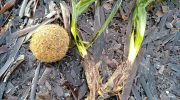
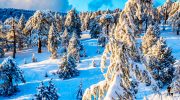
Cyprus hosts approximately 2,000 plant species, with 146 being endemic to the island. This means they exist nowhere else on Earth. The flora of Cyprus developed over millions of years through a combination of geographic isolation, diverse geology, and varying climate zones.
Today, around 258 plant taxa are classified as threatened according to international conservation standards. These include species listed as Critically Endangered, Endangered, or Vulnerable by the International Union for Conservation of Nature.
Historical Background
The island’s plant diversity reflects its position at the crossroads of three continents. Cyprus sits in the eastern Mediterranean where Europe, Asia, and Africa meet. This location allowed species from different regions to colonize the island over time. The Troodos Mountains, formed from ancient oceanic crust pushed above sea level, created unique habitats on igneous and serpentine rocks. These challenging soils fostered the evolution of specialized plants found only in Cyprus.
Human activity has shaped the landscape since 8200 BC. Traditional agriculture created semi-natural habitats where wild plants thrived alongside cultivated crops. However, modern development pressures have accelerated habitat loss, particularly in coastal areas where tourism infrastructure expands rapidly.
Notable Endangered Species
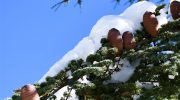
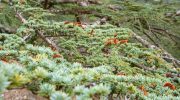
The Cyprus Cedar (Cedrus brevifolia) grows exclusively in five small locations within the Troodos Mountains at elevations of 1,200 to 1,900 meters. This tree is classified as Vulnerable, with only about 16,000 mature individuals remaining. The cedar has exceptionally short needles, typically under 2 centimeters, distinguishing it from its Lebanese cousin. The species faces threats from periodic droughts, climate change, and potential catastrophic wildfires. Unlike other trees, it cannot migrate to higher elevations because it already occupies the highest suitable habitat.
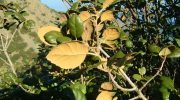
The Golden Oak (Quercus alnifolia) serves as Cyprus’s national tree since 2006. This evergreen oak displays dark green leaves with a distinctive golden-yellow underside. While currently listed as Least Concern, recent research projects that climate and land use changes could reduce its range by up to 68% by the 2070s. Scientists now classify it as potentially Critically Endangered under future conditions. The species grows between 400 and 1,800 meters elevation on igneous soils of the Troodos Massif.
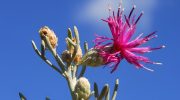
Other significant endangered species include Centaurea akamantis, a silver-leaved thistle confined to the Akamas Peninsula, and various endemic orchids, tulips, and crocuses. The Red Data Book of Cyprus Flora, published in 2007, documented 238 threatened taxa, though this number has since increased to 258 as researchers gather new data.
Remarkable Plant Facts
Bosea cypria represents one of the oldest plant lineages on the island. This species survived from the ancient Tethys Sea during the Tertiary period when tectonic plates shaped the modern world. Only three Bosea species exist globally: one in Cyprus, one in the Canary Islands, and one in the northwestern Himalayas.
The Cyprus Cedar produces good seed crops only once every five to seven years, with seeds showing 50 to 60 percent viability. People historically valued its wood for resistance to decay and insects, placing cedar pieces inside clothing storage to protect fabrics.
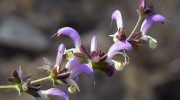
Some endemic plants occupy incredibly restricted ranges. Salvia veneris has been recorded in just one location in the Rizokarpaso area. Earlier records from six other sites between 1880 and 1962 could not be confirmed by recent surveys, suggesting a serious population decline.
Current Threats and Conservation Challenges
Climate change poses the most severe long-term threat. Cyprus has experienced a 16 percent decrease in average annual rainfall over the past century and a temperature rise of 1 degree Celsius. These changes lead to increased drought stress, higher wildfire risk, and habitat fragmentation. Many endemic plants have small, genetically isolated populations that cannot adapt quickly to changing conditions.
Tourism development destroys coastal habitats including sand dunes and wetlands. The construction sector consumes land rapidly, particularly along the coast where demand for housing and leisure facilities remains high. Rural abandonment also threatens species that depend on traditional agricultural landscapes.
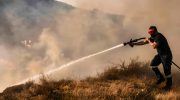
Overgrazing damages sensitive vegetation, while invasive species compete with native plants. Limited water resources face increasing pressure from agriculture and tourism. Forest fires have become more frequent and intense due to climate conditions.
Conservation Efforts Today
Cyprus has designated 69 Natura 2000 sites covering 37.4 percent of the land under European Union conservation regulations. These protected areas include National Forest Parks, Nature Reserves, and Plant Micro-reserves designed to safeguard critical habitats. The Forest Law of Cyprus protects the Golden Oak, while EU directives protect priority habitats like Cyprus Cedar forests.
The Agricultural Research Institute in Nicosia maintains a gene bank with over 14,000 seed accessions from at least 575 plant taxa. This collection includes 324 accessions from 111 endemic species and 327 accessions from 160 threatened species. Conservation projects have planted thousands of Cyprus Cedar seedlings and implemented fire protection measures around critical habitats.
Research institutions monitor plant populations and conduct assessments to identify species requiring urgent intervention. International cooperation through organizations like the International Union for Conservation of Nature helps develop conservation strategies. The 5th Mediterranean Plant Conservation Week held in Cyprus in 2025 brought together specialists to share knowledge and coordinate regional conservation efforts.
Visiting Endemic Plant Habitats
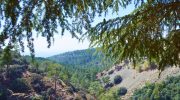
The Troodos Mountains offer the best opportunity to observe endangered endemic plants in their natural environment. Visitors can access designated nature trails through cedar and oak forests. The Troodos National Forest Park provides information centers and guided walks during spring and summer when many endemic species flower.
The Akrotiri Peninsula hosts rare wetland plants, though access to some sensitive areas is restricted. The Akamas Peninsula remains relatively undeveloped and supports diverse plant communities. Botanical enthusiasts should visit between March and May when endemic bulbs and orchids bloom most abundantly.
Why Cyprus Endangered Plants Matter
These plants represent millions of years of evolution and adaptation to unique island conditions. Their loss would erase irreplaceable genetic diversity and disrupt ecosystem functions. Endemic species anchor food webs, prevent soil erosion on mountain slopes, and create microhabitats for other organisms.
Cyprus plants also hold cultural significance. The Golden Oak appears in traditional medicine and folklore. Cedar wood featured in historic church construction and cultural artifacts. Protecting these species preserves not only biological heritage but also the island’s cultural identity and connection to its natural history. Future generations deserve the opportunity to experience the unique flora that makes Cyprus botanically distinct from anywhere else in the Mediterranean.