Cyprus offers exceptional cultural heritage concentrated in a small Mediterranean island. Three UNESCO World Heritage Sites showcase Byzantine art, Roman mosaics, and Neolithic settlements spanning over 9,000 years of continuous habitation. The island sits at the crossroads of Europe, Asia, and Africa, creating a unique blend of Greek, Byzantine, Ottoman, and British influences.
Cultural travelers find well-preserved monuments, traditional villages practicing ancient crafts, and living Orthodox traditions. The compact geography allows visiting multiple historical periods and cultural expressions within short distances. This concentration of heritage makes Cyprus particularly efficient for travelers seeking deep cultural immersion without extensive travel between sites.
The Three UNESCO World Heritage Sites
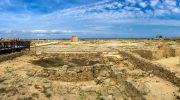
Paphos became Cyprus’s first UNESCO World Heritage Site in 1980. The Paphos Archaeological Park covers most of the ancient Greek and Roman city with exceptional Roman mosaics from the 3rd and 4th centuries. The House of Dionysus, House of Theseus, House of Aion, and House of Orpheus display preserved mosaic floors depicting mythological scenes with remarkable detail and color. The Tombs of the Kings, carved from solid rock in the 4th century BC, features underground chambers where Ptolemaic aristocrats were buried. Entrance fees are 4.50 euros for the Archaeological Park and 2.50 euros for the Tombs of the Kings.
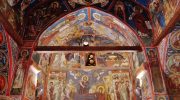
The Painted Churches in the Troodos Region were listed in 1985, with ten Byzantine churches and monasteries richly decorated with murals. These churches date from the 11th to 16th centuries and represent one of the largest concentrations of churches and monasteries from the former Byzantine Empire. The architecture features steep-pitched wooden roofs with flat hooked tiles, unique to the Troodos range. The Church of Agios Nikolaos tis Stegis in Kakopetria is the 11th-century monastery and oldest surviving katholikon in Cyprus. The Church of Panagia Phorviotissa in Nikitari, built between 1099 and 1105, contains frescoes spanning 600 years from the 12th to 17th centuries.
Choirokoitia was added to the list in 1998 and represents a Neolithic settlement dating back to around 7000 BC. The site features circular dwellings made of stone and mudbrick, showcasing early human settlements in the eastern Mediterranean. The well-preserved prehistoric settlement provides insight into the social and economic systems that existed thousands of years ago. The site demonstrates organized functional society with collective settlement and surrounding fortifications for communal protection.
Traditional Crafts and Village Industries
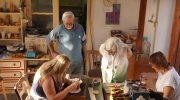
Lefkara village is famous for its intricate lacework, known as Lefkaritika, and silverware. The Lefkara lace has been included in UNESCO’s list of Intangible Cultural Heritage. The patterns feature geometric designs used to create tablecloths, doilies, and decorative items, meticulously handcrafted using fine linen thread. Silver filigree work involves twisting fine silver threads into intricate patterns for jewelry and decorative items. The Lefkara Traditional Arts Festival held every August showcases live demonstrations from master lace makers and silversmiths.

Kornos village specializes in distinctive red clay pottery. The annual Kornos Pottery Festival features workshops led by skilled female potters, known as mastorisses, who teach traditional techniques using hand-shaping and foot-powered wheels. Cyprus pottery traditionally served practical purposes for storage, cooking, and serving food, with the pithari being a large round clay jar used for storing oil, grain, and wine. These vessels often display intricate designs inspired by nature, mythology, and everyday life.
Weaving, embroidery, and basket work remain active in mountain villages. Traditional instruments like the tzouras and laouto accompany folk music and dance at cultural gatherings. Many villages offer free craft workshops throughout the year, requiring advance booking. These workshops provide hands-on experiences in pottery, lace-making, silversmithing, icon painting, and mosaic creation.
Major Cultural Festivals and Celebrations
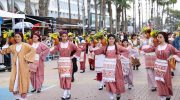
The Limassol Carnival is one of the most famous festivals in Cyprus, celebrated with parades, music, and costumes each February. The carnival lasts ten days and culminates in a grand parade with elaborate floats and intricate costumes. The roots trace back to ancient Greek and Roman festivities celebrating fertility and spring arrival. Kataklysmos, the Festival of the Flood, occurs in June and coincides with Pentecost. The festival celebrates Cyprus’s connection to the sea with water-based activities, funfair attractions, games, and cultural exhibitions.

The Limassol Wine Festival takes place from late August into early September in the Municipal Gardens, drawing over 100,000 visitors annually. Cyprus has produced wine for over 4,000 years, and Commandaria is one of the world’s oldest named wines. The festival offers tastings of locally produced wines from indigenous grapes like Xynisteri and Maratheftiko. The International Festival of Ancient Greek Drama runs from July to August in outdoor amphitheaters in Paphos and Limassol. The Kourion Ancient Drama Festival features performances of classical Greek dramas in the ancient theater of Kourion.
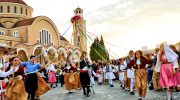
Easter represents the most important Orthodox celebration, more significant than Christmas, featuring week-long festivities with processions, painted eggs, and traditional feasts. Christmas traditions include baking Christopsomo, a special bread symbolizing the Christ Child, and attending midnight mass on Christmas Eve. Family events like weddings and christenings involve elaborate ceremonies with traditional music and dance performances including the syrtos and kalamatianos.
Religious Architecture and Byzantine Heritage
Over 60 churches in Cyprus contain Byzantine and post-Byzantine wall paintings, with ten in the Troodos Mountains forming the UNESCO-designated Painted Churches. The frescoes showcase Byzantine and post-Byzantine painting styles spanning 500 years of artistic influences. Artists created these frescoes using faeochoma, a natural brown pigment mined in Cyprus since ancient times. The Church of Panagia tou Araka near Lagoudera contains 12th-century frescoes and is considered one of the most important Byzantine churches on the island.
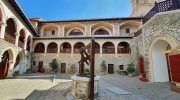
The Kykkos Monastery, 28 kilometers northwest of Troodos Village, dates to the 11th century and ranks as Cyprus’s wealthiest and most famous monastery. The monastery houses a priceless icon of the Virgin Mary said to be painted by St. Luke. The gilded interiors and elaborate mosaics demonstrate the continuing importance of Orthodox monasticism. The Holy Cross Monastery in Omodos is believed to house a fragment of the True Cross and ropes that bound Christ.
Many churches feature steep-pitched wooden roofs providing a second roof over Byzantine masonry domes, determined by Cyprus’s geography, history, and climate. The architecture is unique, confined to the Troodos range and almost certainly of indigenous origin. These structures range from small rural churches to grand monasteries like St. John Lampadistis in Kalopanagiotis.
Planning a Heritage-Focused Visit
Spring (April to May) and autumn (September to October) provide optimal conditions for cultural exploration. Temperatures remain moderate, avoiding July and August heat that can make visiting outdoor archaeological sites uncomfortable. The countryside turns lush and green in spring, while autumn offers beautiful colors. Winter brings most annual rainfall, particularly in December and January, though showers are usually brief.
The three main heritage routes divide geographically in Troodos. The Solea route covers 138 kilometers through Nikitari, Galata, and Kakopetria. The Marathasa route spans 148 kilometers through Kalopanagiotis, Moutoullas, and Pedoulas. The Pitsilia route covers 97 kilometers through Lagoudera, Platanistasa, Pelendri, and Palaichori. Each route requires at least one full day to properly explore churches, villages, and surrounding areas.
Car rental is essential for heritage routes, as public transportation serves only major cities with limited mountain access. Many churches have restricted opening hours, typically Monday to Friday 9:00 to 13:00 and 15:00 to 17:30 in summer, with shorter winter hours. Some churches require advance contact for access. Photography inside churches is often restricted to protect frescoes. Appropriate dress is required, covering shoulders and knees.
Accommodation options include agrotourism guesthouses in traditional villages, offering authentic experiences with local families. Village tavernas serve traditional Cypriot cuisine including meze platters, halloumi cheese, souvla, and sheftalia. Local wine tastings are available in wine villages like Omodos and Lania. The Cyprus Tourism Organisation provides free maps showing heritage routes and major trails.
Preserving Cyprus’s Living Heritage
Cyprus preserves cultural heritage through active use rather than museum preservation. Churches continue as places of worship, maintaining their original function. Traditional crafts support village economies while transmitting skills across generations. Festivals connect communities to historical roots while adapting to modern life. UNESCO recognition brings international attention and funding for conservation, ensuring monuments survive for future generations. The government protects agricultural products and traditional practices through regulation and promotion.

Cultural tourism provides economic sustainability for mountain villages facing depopulation. Young people increasingly join dance troupes, music groups, and craft workshops, learning traditional forms while infusing modern elements. This fusion preserves heritage while making it accessible to broader audiences. Video documentation captures festivals, crafts, and traditions as preservation tools. Educational programs in schools use cultural recordings to teach history and traditions beyond textbooks. Cyprus demonstrates how heritage preservation supports modern identity while honoring historical continuity across 9,000 years of continuous habitation.