Imagine wandering along Cyprus’ sun-baked cliffs, where a humble shrub clings to life amid rocks and sea spray, offering buds that burst with bitter and tangy flavor. This is the wild caper plant, a resilient survivor of the Mediterranean wilds, cherished for centuries in Cypriot kitchens and folklore. Join me as we explore its secrets, and discover why this thorny delight might just prick your curiosity.
- Getting to Know the Caper: Nature's Tangy Survivor
- Surprising Ant Antics
- Deeper Bonds and Botanical Secrets
- Ancient Roots: From Biblical Times to Cypriot Shores
- Portrait of a Hardy Pioneer: Appearance and Adaptations
- Capers' Curious Quirks: Fun and Fascinating Tidbits
- Deeper Layers: Healing Powers and Ecological Roles
- Capers in Contemporary Cyprus: From Plate to Preservation
- Spotting the Caper: Where to Wander and Wonder
- How to process your own capers?
- Pro Tip: The Artisan’s Secret
- Why the Caper Captivates: A Flavorful Legacy for Cyprus
Getting to Know the Caper: Nature’s Tangy Survivor
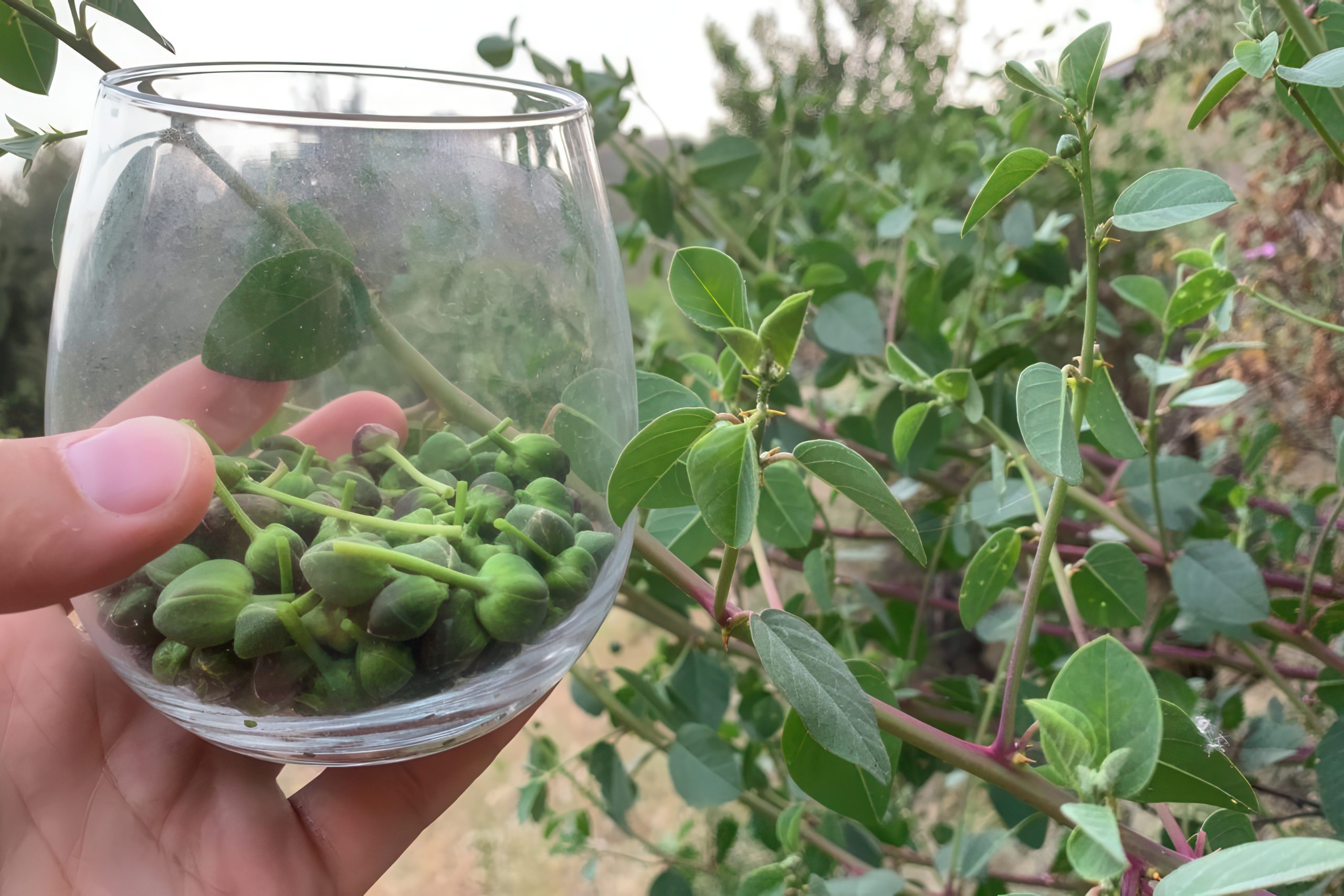
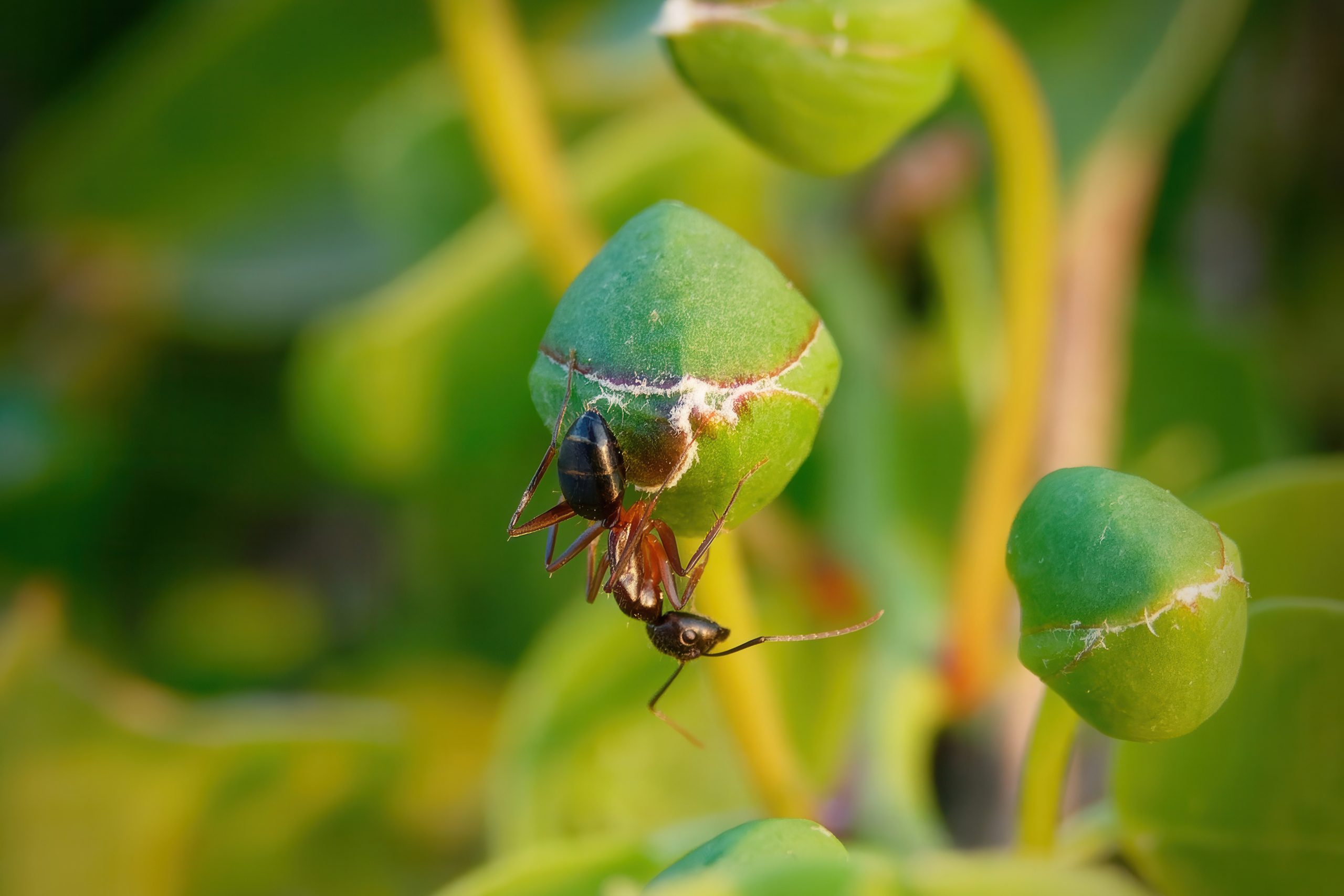
The wild caper is a low-growing shrub that thrives in harsh, dry environments, producing edible flower buds and berries that add a zesty punch to meals. Known scientifically as Capparis spinosa, it’s not a tree or herb but a hardy perennial, perfectly adapted to Cyprus’ rugged landscapes. Think of it as nature’s way of turning adversity into abundance, providing food and medicine from seemingly barren spots. What many foragers notice, though, is the constant company of ants marching across it. These insects aren’t pests – they’re part of an ancient partnership that helps the plant survive in harsh, rocky places.
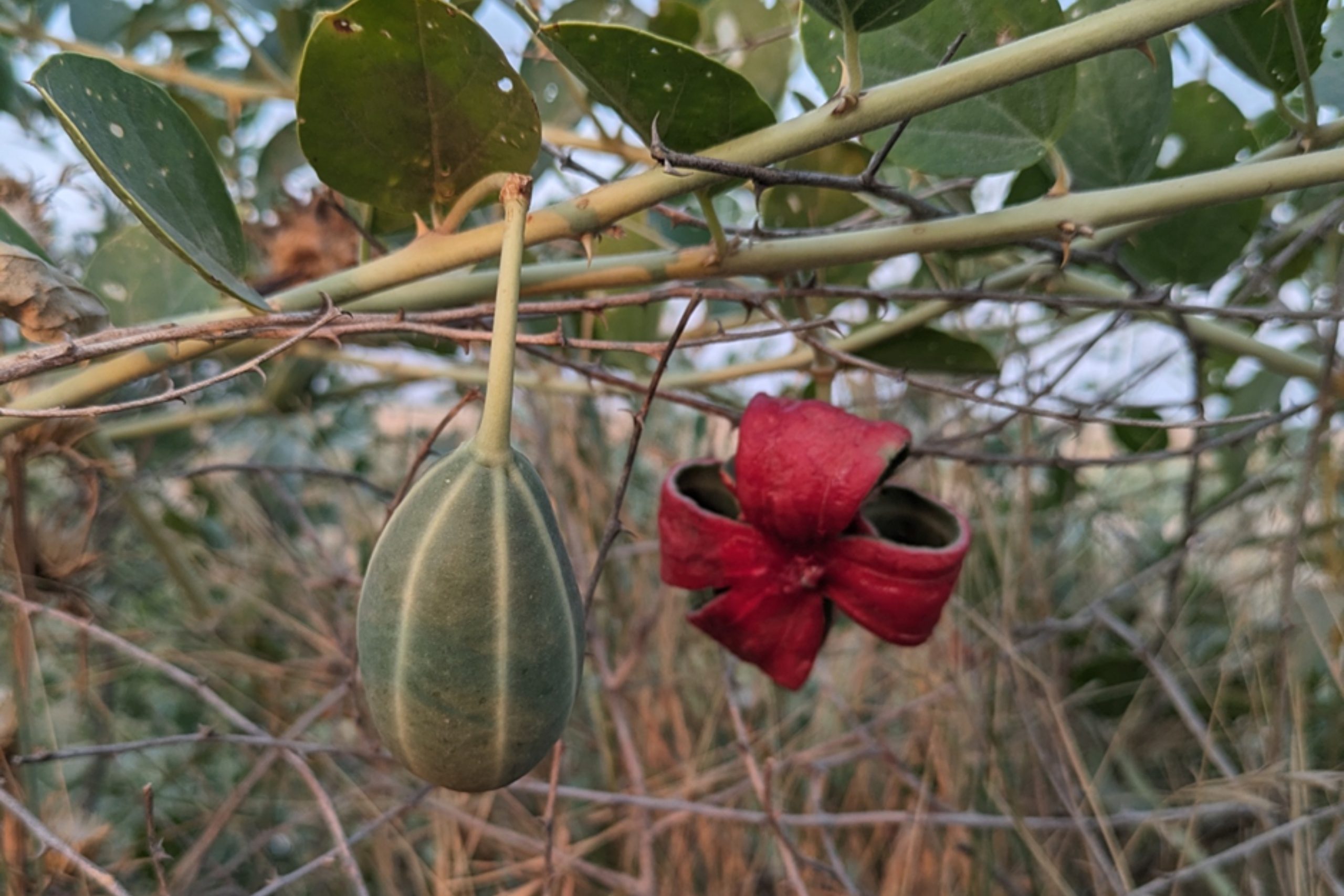
Ants are drawn in two main ways. First, the flowers produce plenty of accessible nectar that ants sip directly (they sneak in without pollinating, earning the label “nectar thieves”). Second – and this is where the crowds really gather – the ripe, red berries split open to reveal black seeds coated in a sweet, oily elaiosome and sticky pulp. Ants love this nutritious snack and carry the seeds back to their nests, often many metres away. In the bigger picture of the plant kingdom, this is myrmecochory, or ant-mediated seed dispersal, shared by thousands of species worldwide but especially useful for cliff-dwelling plants like our Cypriot capers.
Surprising Ant Antics
Did you know a single caper bush can host several ant species at once, turning its flowers into an all-night nectar bar? In Cyprus, you’ll often see black garden ants or Mediterranean harvesters marching in lines along the stems. The seeds they carry can travel farther than wind or gravity would allow, and some end up in nutrient-rich ant nests – perfect little compost heaps for germination! Locals in rural villages still joke that “the ants get the first taste of the ripe fruit,” echoing Bedouin traditions of racing them to the harvest.
Deeper Bonds and Botanical Secrets
While Capparis spinosa lacks extrafloral nectaries (unlike some of its tropical relatives), its floral nectar is rich in sugars that keep ants coming back night after night. The fruit’s elaiosome is packed with lipids and proteins – a high-energy “doggy bag” for the colony. This mutualism benefits both sides: ants gain reliable food, while the plant gets its seeds dispersed safely away from the parent bush, reducing competition and fire risk on dry slopes. The species is listed as Least Concern on the IUCN Red List, but mindful foraging helps keep these ant-plant teams thriving.
Ancient Roots: From Biblical Times to Cypriot Shores
The caper’s story stretches back through geological epochs, evolving during the warm, arid periods following the last Ice Age, when the Mediterranean Basin’s flora adapted to drought. In human history, it’s mentioned in ancient texts like the Bible, symbolizing endurance in harsh lands, and by the Greek physician Dioscorides in his 1st-century AD work De Materia Medica, where he praised its healing properties – likely influencing early Cypriot healers. On Cyprus, under Byzantine and Ottoman rule, capers were gathered by villagers for trade and sustenance, weaving into the island’s rich tapestry of Phoenician, Greek, and Turkish influences, where they flavored dishes amid olive groves and ancient ruins.
Portrait of a Hardy Pioneer: Appearance and Adaptations
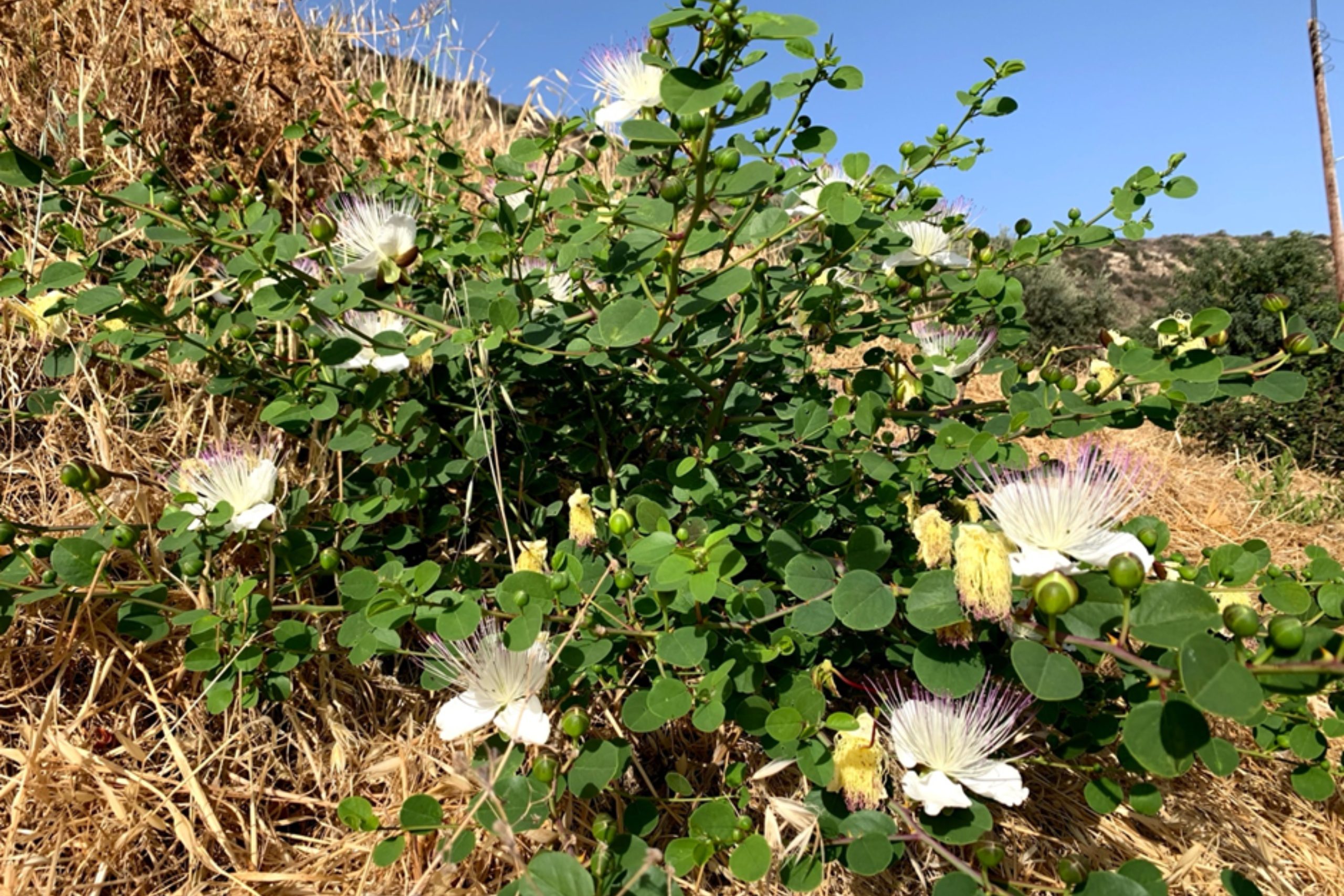
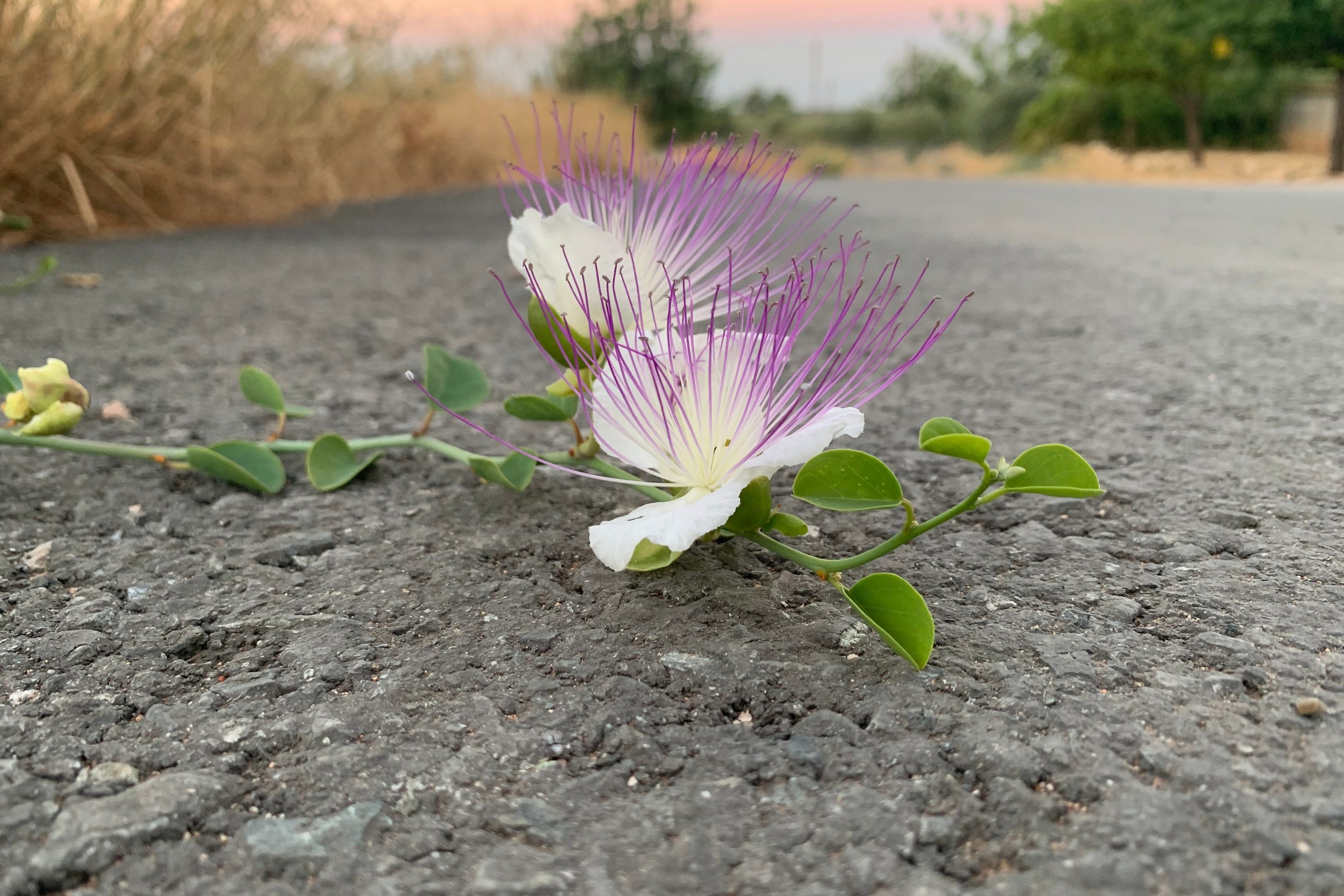
Picture a sprawling bush, up to 1 meter tall, with trailing stems armed with sharp, hooked thorns that deter grazers like wild goats. Its leaves are fleshy and rounded, a clever trick to store water in Cyprus’ scorching summers, while delicate white or pink flowers bloom from May to September, attracting bees and butterflies. The plant’s roots dig deep into rocky crevices, anchoring it against erosion, and its fruit – a plump berry – ripens to a reddish hue, bursting with seeds that birds scatter far and wide. In broader taxonomy, it belongs to the Capparaceae family within the Brassicales order, kin to mustards and cabbages, sharing their pungent compounds that give capers their signature bite.
Capers’ Curious Quirks: Fun and Fascinating Tidbits
Did you know that caper buds must be picked by hand at dawn before they open, or they lose their firmness? In Cyprus, locals call it “kappari” (from the Greek “kappari,” echoing ancient Persian roots meaning “thorny plant”), a name that nods to its spiky defenses. Here’s a fun fact: capers are said to have inspired ancient myths of resilience, and one bush can produce up to 3,000 buds a season! Surprisingly, they’re not just for eating – archaeologists found caper seeds in 10,000-year-old Jordanian sites, hinting at prehistoric feasts. And in a quirky twist, caper berries are sometimes mistaken for olives, but they’re larger and pack a peppery surprise.
Deeper Layers: Healing Powers and Ecological Roles
Beyond its looks, the caper holds botanical treasures: its buds and leaves brim with antioxidants like quercetin and rutin, compounds that combat inflammation and support digestion. In Cypriot folk medicine, infusions treat rheumatism, kidney issues, and even scorpion stings, drawing from broader Mediterranean traditions where it’s valued for diuretic and antimicrobial effects. Ecologically, it’s a pioneer species, stabilizing soils in eroded areas and providing nectar for pollinators in Cyprus’ biodiversity hotspots.
Capers in Contemporary Cyprus: From Plate to Preservation
Today, wild capers remain a staple in Cypriot life, pickled and sprinkled on halloumi salads or meze platters, blending ancient flavors with modern cuisine in tavernas from Limassol to Paphos. They symbolize the island’s resilient identity, featured in eco-tourism and organic farming initiatives that boost rural economies. Amid climate change, capers’ drought tolerance inspires sustainable agriculture, while conservation efforts in protected areas like Akamas Peninsula highlight their role in restoring degraded lands, connecting Cypriots to their natural heritage in an era of environmental awareness.
Spotting the Caper: Where to Wander and Wonder
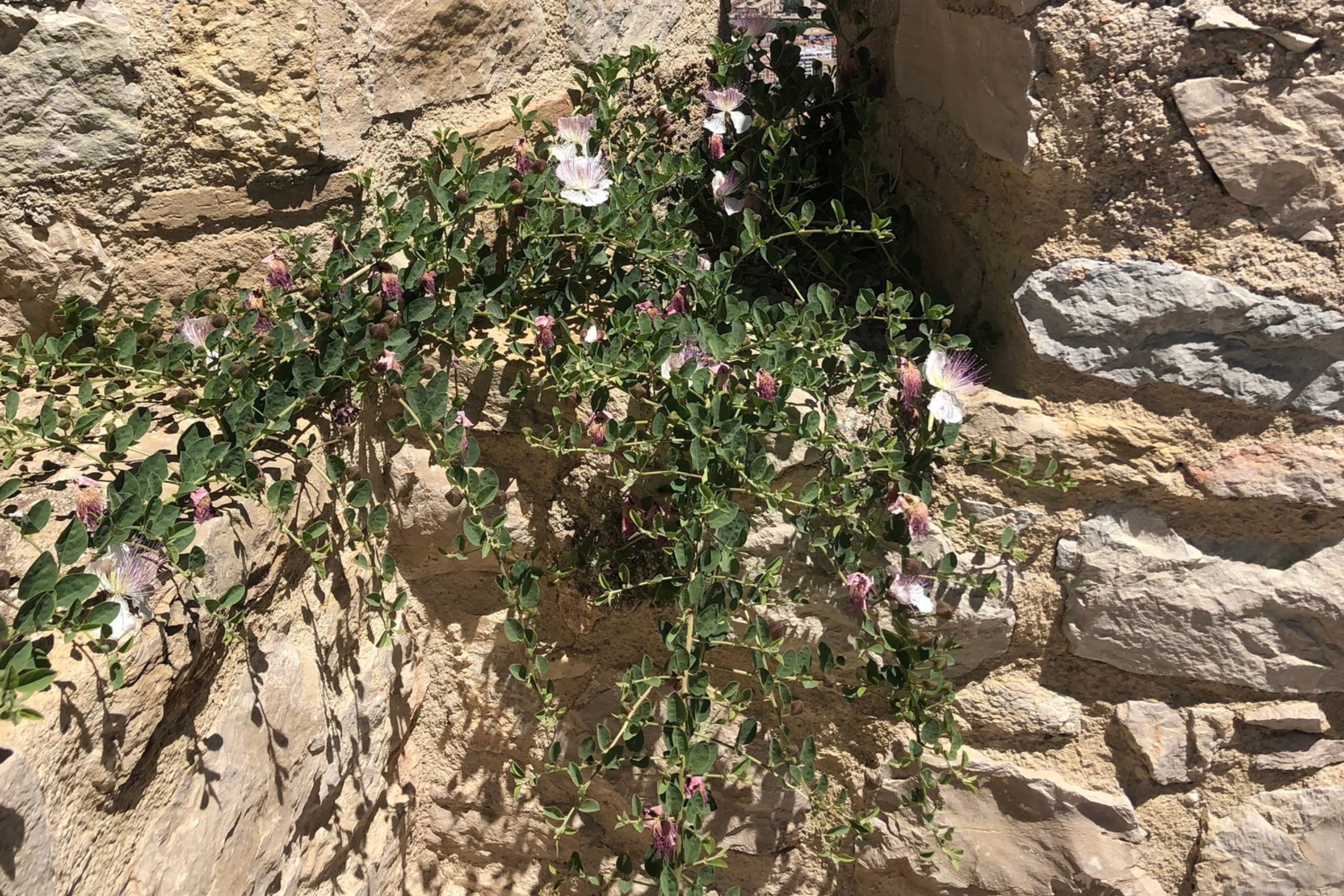
Venture to Cyprus’ coastal cliffs, dry hillsides, or ancient ruins like Kourion for a caper encounter – best in spring when flowers dazzle against azure seas. Join guided eco-walks in Troodos Mountains or Akamas Nature Reserve for safe spotting, feeling the plant’s thorny grip as you learn harvesting tips. The experience is invigorating: the thorns, the sweat, the ants – but in the end you have your very own naturally handpicked preserve for your delisious tartar or any other chef’s choice.
How to process your own capers?
Capers are often fermented using time-honored, artisanal methods passed down through generations. The process begins in June or July—or whenever you have fresh buds or fruits to pick—when they are harvested and soaked in water for about 5 to 7 days. During this week, naturally occurring “good” bacteria and yeast go to work in the summer warmth (between 23 and 43°C). You can actually spot the fermentation in action by observing tiny white dots appearing on the surface of the capers! The final flavor is then fine-tuned in the brine. By varying the salt or using a mixture of vinegar and local white wine, you can achieve a specific, desired taste profile. After this custom curing process, these artisanal gems are ready for the table.
Pro Tip: The Artisan’s Secret
The beauty of this empirical process is that it relies on the microorganisms already present in your local environment. To make the flavor truly your own:
• For a classic bite: Stick to a high-quality sea salt brine.
• For a regional twist: Use a splash of white wine from a local vineyard to bridge the flavors of your kitchen with your surrounding landscape.
Why the Caper Captivates: A Flavorful Legacy for Cyprus
In a world of fleeting trends, the wild caper reminds us of Cyprus’ enduring wild spirit – a plant that turns thorns into treasures, linking past healers to present-day plates. Knowing it deepens our appreciation for the island’s biodiversity, urging us to protect these prickly pioneers for future generations, ensuring Cyprus remains a haven of natural wonders and cultural richness.