Imagine strolling across a rocky hillside in Cyprus under a clear blue sky, where a shrubby plant releases a warm, woody aroma that hints at ancient potions and savory island dishes. This is sage, a resilient herb that dots the wild landscapes of Cyprus, offering simple wisdom from nature’s own apothecary to those who pause to notice.
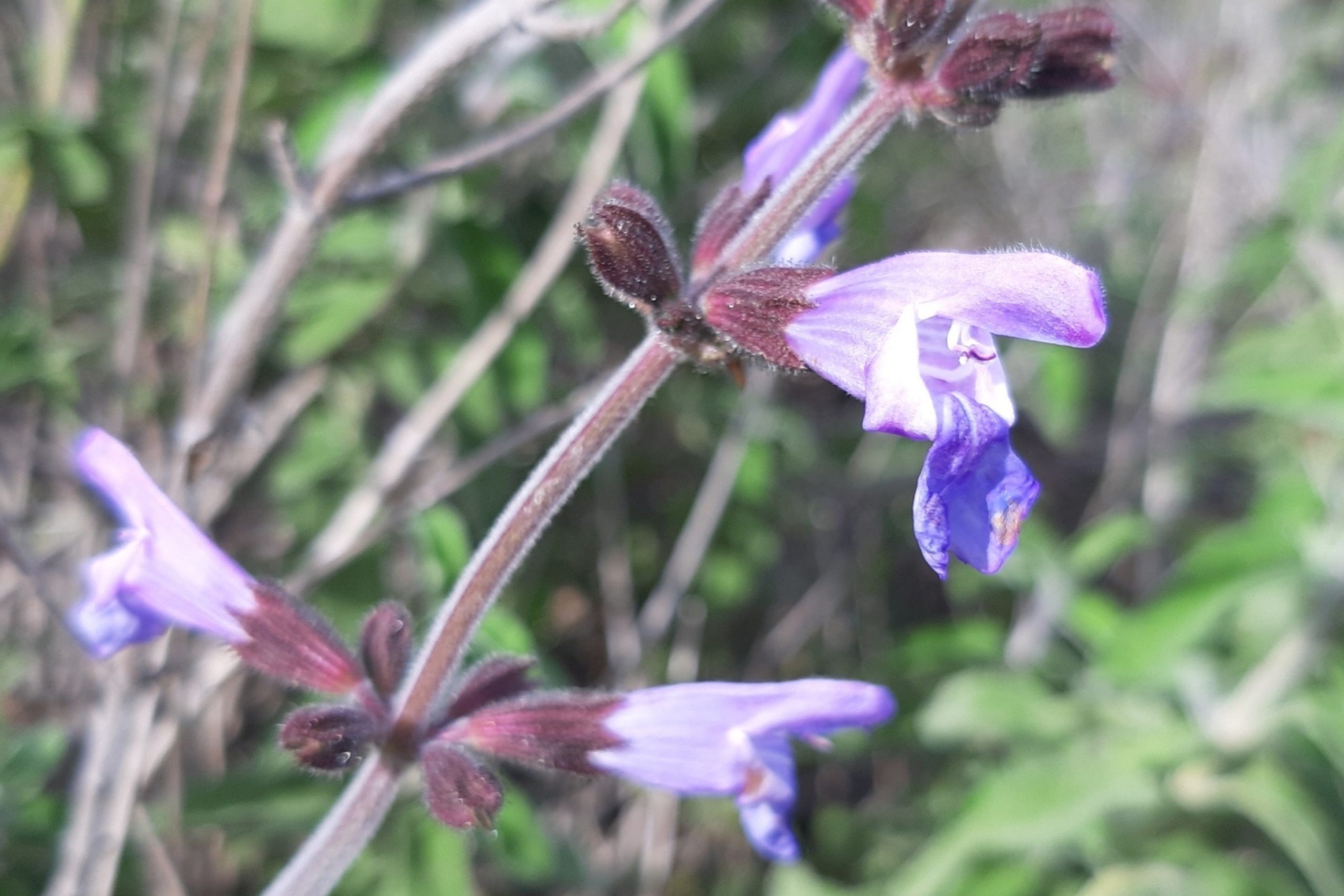
A Fragrant Shrub in the Mint Family
Sage belongs to the genus Salvia in the vast mint family (Lamiaceae), a group of plants known for their square stems and aromatic leaves rich in essential oils. In Cyprus, several wild species grace the landscape, thriving in dry, rocky slopes and maquis vegetation from sea level to the high Troodos peaks.
Echoes of Ancient Healers
The name Salvia comes from the Latin “salvare” – to save or heal – reflecting its long history as a medicinal plant. In Cyprus, sage has been gathered since prehistoric times. Ancient Greek physicians like Dioscorides praised its wound-healing powers, while it was used in rituals for protection and purification. Over centuries, it became deeply rooted in island folklore as a symbol of longevity and wisdom.
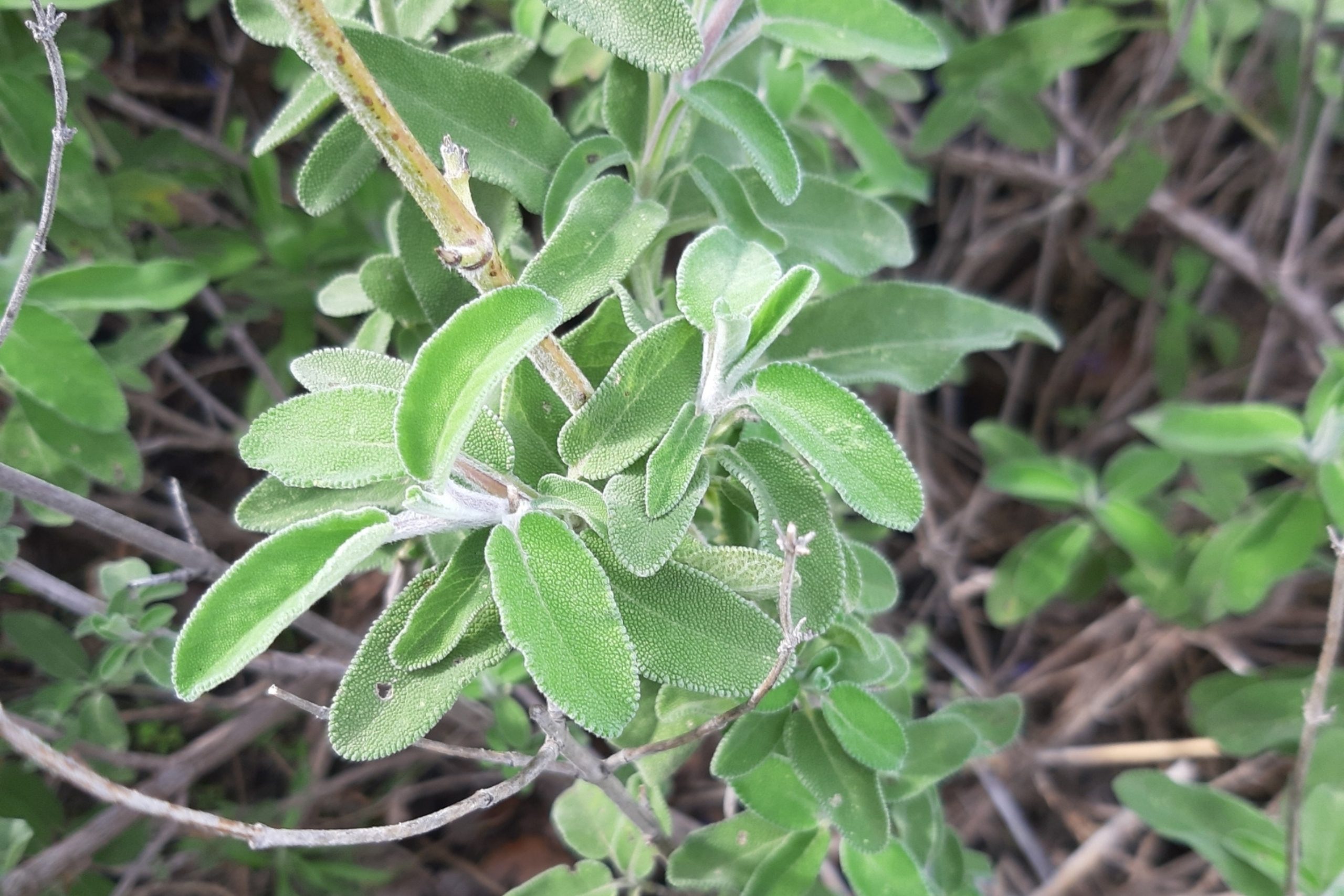
Woolly Leaves and Starry Blooms
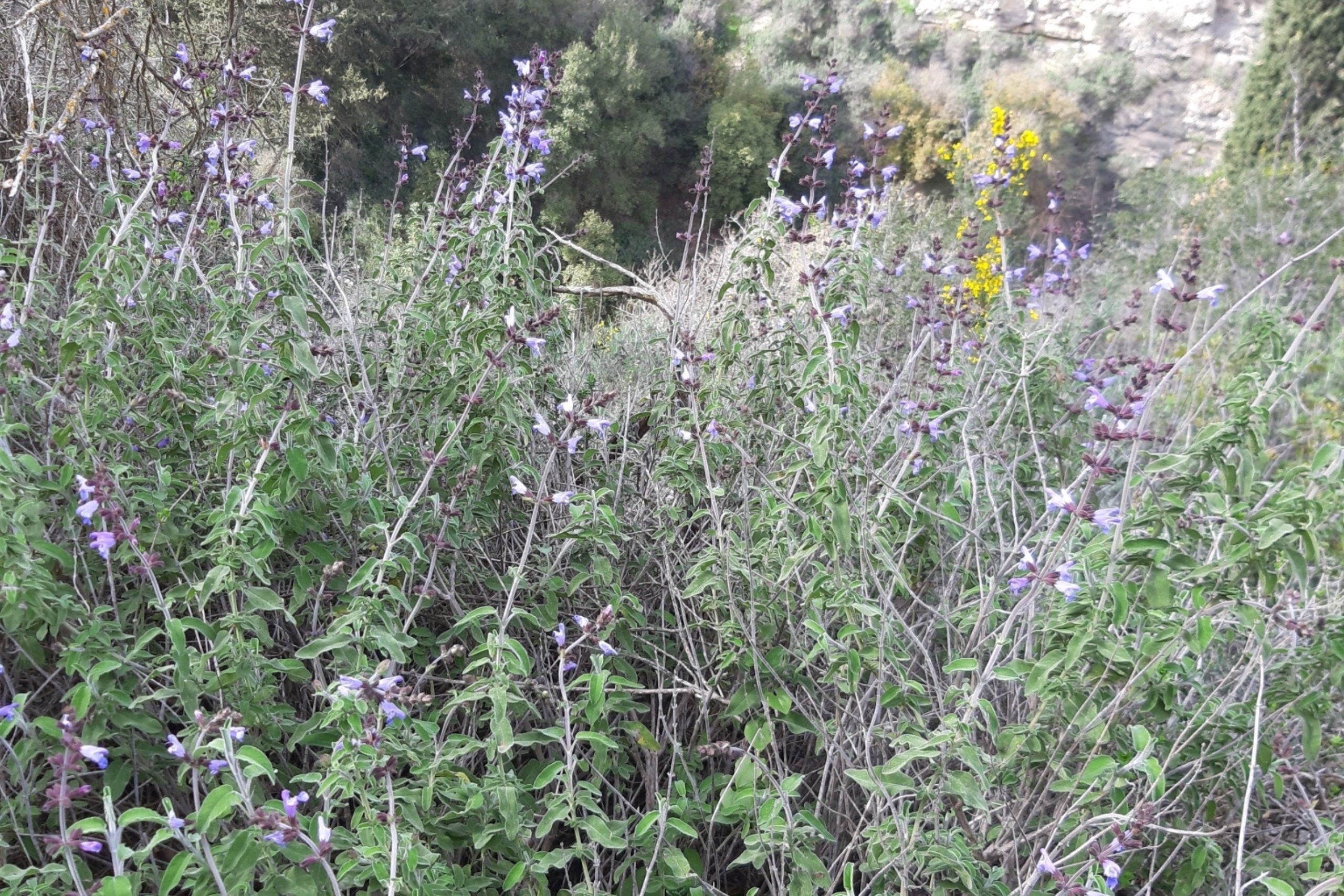
Wild sage in Cyprus typically grows as a low to medium shrub with fuzzy, silvery-green leaves that feel velvety to the touch. When crushed, they release a bold, earthy-camphor scent. In spring and early summer, they produce spikes of delicate pink, light blue or purple flowers that attract bees and butterflies, adding soft splashes of colour to the rugged terrain.
Delightful Discoveries
- The strong aroma comes from compounds like rosmarinic acid and salvianolic acids, which give sage its powerful antioxidant and anti-inflammatory properties.
- In traditional Cypriot medicine, sage tea has been used for centuries to soothe sore throats, aid digestion, and reduce sweating.
- Bees love sage flowers, producing a light, aromatic honey highly prized by local beekeepers.
- Ancient Romans believed burning sage purified homes, a practice that continues in some Cypriot villages today.
- One species, Salvia veneris, is so rare it is found in only a handful of locations around Kythrea.
- The leaves can be dried and stored for years, keeping their flavour better than many other herbs.
The Wild Sages of Cyprus
The most widespread wild sage is Salvia fruticosa (Greek Sage), locally known as φασκόμηλο (faskómilo). It is common across the island up to 1,550 m. Cyprus also boasts true endemics: Salvia willeana (Troodos Sage), found only at higher altitudes in the Troodos range, and Salvia veneris (Kythrean Sage), a narrow endemic restricted to a tiny area west of Kythrea village. The latter is listed as Vulnerable on the IUCN Red List due to its extremely limited distribution.
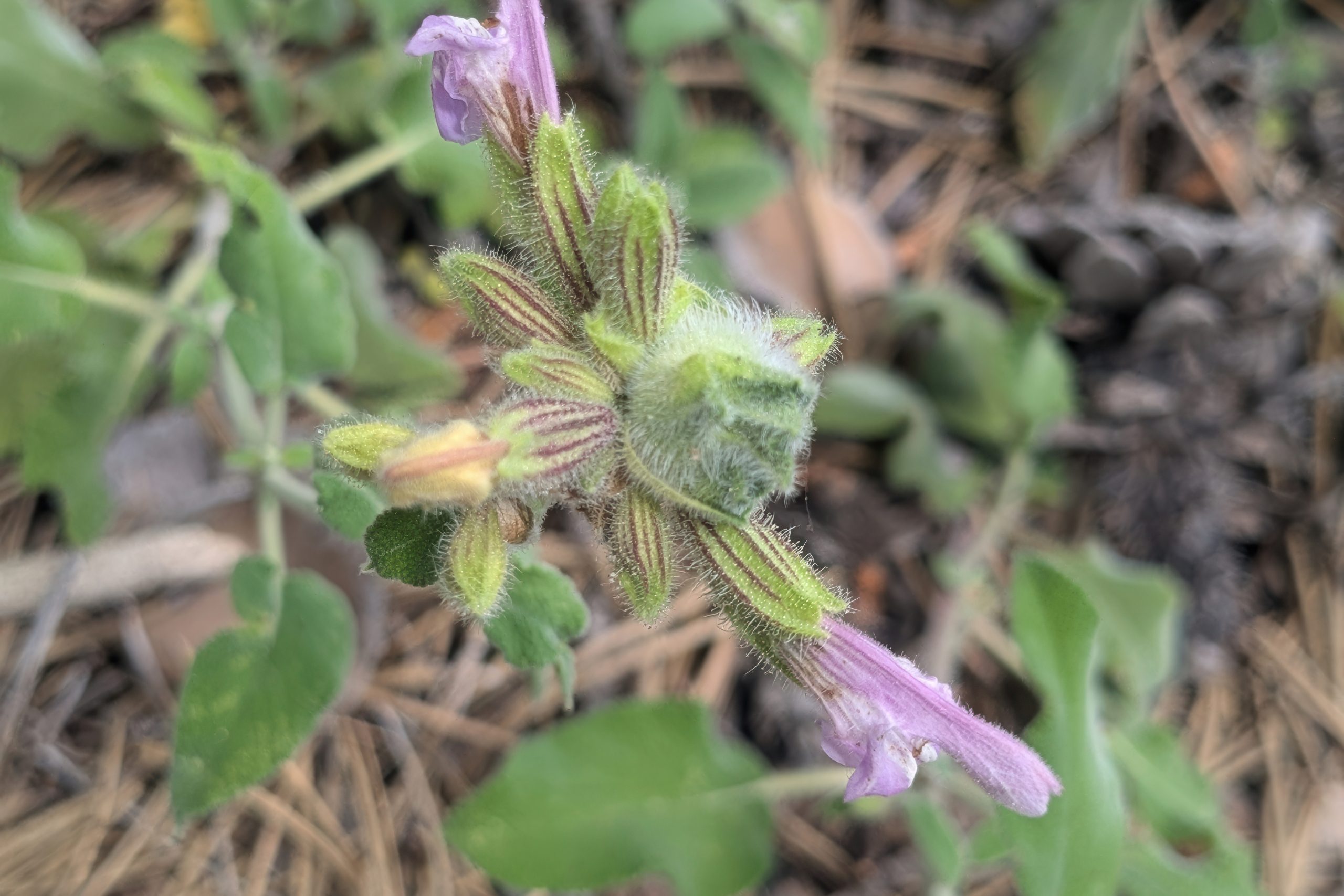
Living with Sage Today
In modern Cyprus, wild sage remains a kitchen and medicine cabinet staple. Its leaves flavour meats, cheeses, and herbal teas, while its essential oils are valued for their antimicrobial properties. As climate change and development threaten rare endemics like Salvia veneris, conservation efforts are increasingly important to protect these botanical treasures and the pollinators they support.
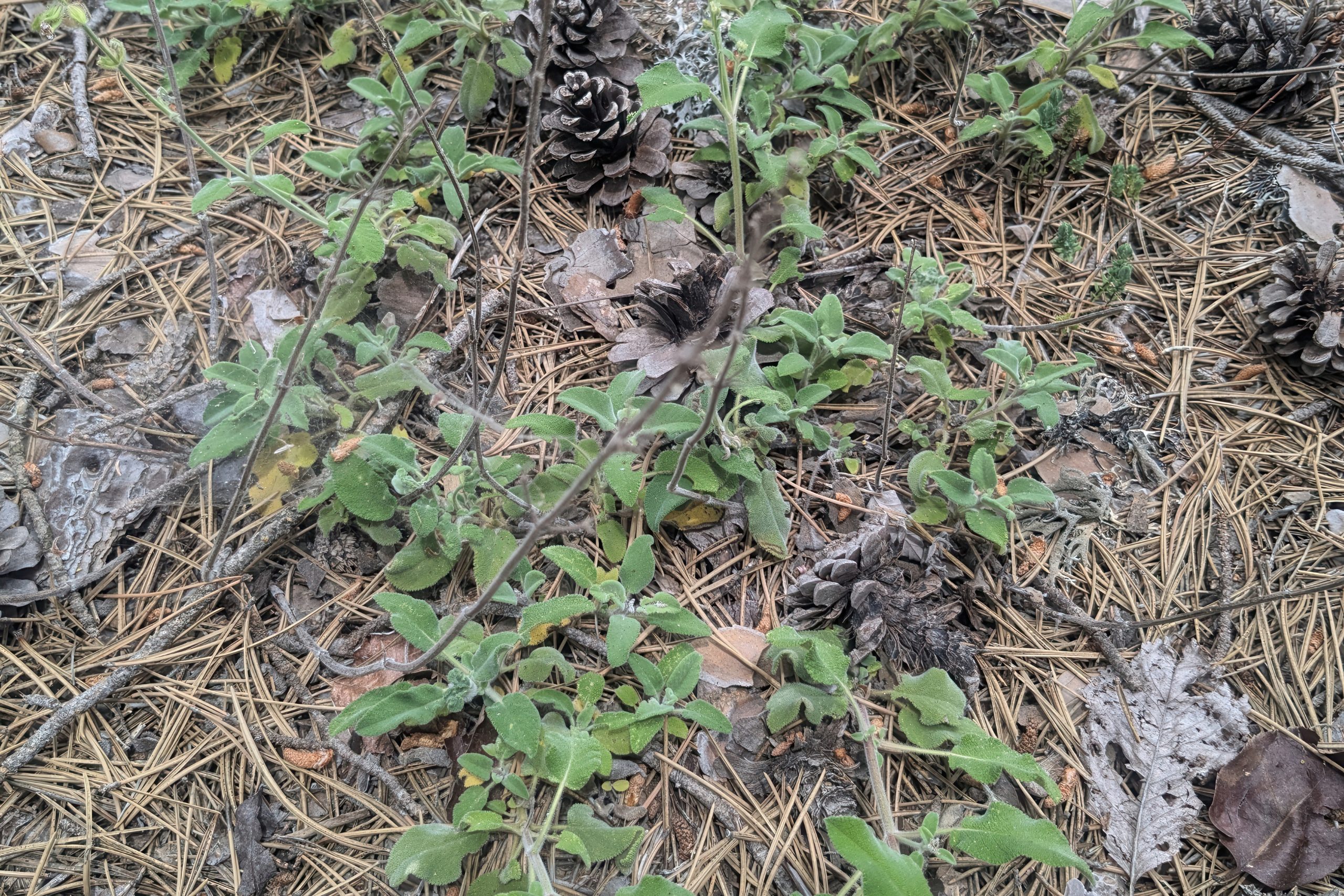
Finding Them in the Wild
You can encounter wild sage on hikes in the Troodos Mountains (for Salvia willeana) or along coastal paths and hillsides (for Salvia fruticosa). The rare Salvia veneris requires special permission and guided visits near Kythrea. Always admire from a distance, never pick protected species, and enjoy the warm, comforting scent that lingers on your fingers long after you leave.
A Living Legacy
Though modest in size, Cyprus’s wild sages represent a living link to our island’s ancient past and a testament to nature’s resilience. From the common faskómilo that seasons our tables to the rare endemics clinging to their rocky homes, these plants remind us why protecting Cyprus’s unique flora is essential for future generations – a green thread of wisdom, flavour, and wonder woven into the very soul of the island.