Explore Cyprus with Our Interactive Map

Für viele Spieler ist lolly spins mittlerweile zu einer festen Größe in ihrer persönlichen Casino-Routine geworden. Die Umsatzanforderungen unterscheiden zwischen Slot- und Tischspielen, wie es branchenüblich ist. Die Plattform kooperiert mit Organisationen wie GamCare und BeGambleAware. Die mobile Suchfunktion findet jedes Spiel innerhalb weniger Sekunden. Der Kundenservice nutzt ein internes Ticket-System, sodass alle Anfragen lückenlos dokumentiert werden. Die Plattform kooperiert mit lizenzierten und regulierten Zahlungsdienstleistern. Auch klassische Pokervarianten wie Casino Hold’em werden in Live-Form angeboten. Auto-Play-Funktionen erlauben das Festlegen vordefinierter Spielabläufe für bestimmte Slots. Themenslots mit Mythologie-, Abenteuer- oder Fantasy-Hintergrund schaffen eine immersive Atmosphäre. Spieler, die einen anspruchsvollen Anbieter suchen, dürften hier eine passende Wahl finden.

Explore our top stories and discover ideas worth your time.

Maa-Palaikastro

Maa-Palaikastro

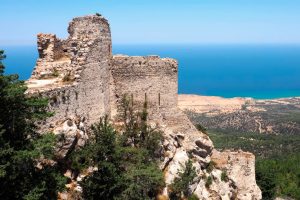
Maa-Palaikastro is a fortified Bronze Age settlement on the west coast of Cyprus, built during a time of major upheaval in the ancient Mediterranean. Strategically positioned and strongly defended, it played an important role in early settlement, copper production, and trade, and is closely linked to the arrival of Greek-speaking populations on the island. What remains today tells the story of resilience, planning, and cultural change at a crucial moment in Cyprus’s history. A Rocky Peninsula with a Big Story Perched on a narrow rocky peninsula on the Coral Bay coast of western Cyprus, Maa-Palaikastro (often simply called Maa) may look quiet and unassuming today. Yet beneath its surface lies the story of one of the island’s most important early settlements, shaped by movement, survival, and cultural change at a turning point in Mediterranean history. Archaeological excavations revealed that this small site played a surprisingly large role in the story of Cyprus, linking the island to wider events unfolding across the ancient world. A New Community in an Uncertain World Maa-Palaikastro was founded around 1200 BCE, a time when the eastern Mediterranean was in turmoil. Powerful kingdoms were collapsing, trade routes were breaking down, and people were migrating in search of safety and opportunity. Against this backdrop, a group of settlers, likely connected to the Mycenaean Greek world, arrived on…

Read more
Glyko tou Koutaliou Cyprus Sweet

Glyko tou Koutaliou Cyprus Sweet

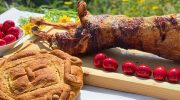
In Cyprus, hospitality often begins with something small, deliberate, and deeply symbolic. Glyko tou koutaliou, the traditional spoon sweet, is offered not as dessert but as a gesture of welcome. Served in a single spoonful with cold water, it reflects patience, respect, and care. Rooted in preservation and shaped by celebration, this quiet tradition links everyday home life with festivals, milestones, and cultural memory across the island. A Welcome Measured in One Spoon Glyko tou koutaliou translates directly as “sweet of the spoon,” but its meaning goes far beyond the words. Unlike jams or spreads, these sweets preserve fruits, peels, nuts, or petals whole, suspended in clear sugar syrup and served in small portions. The act is intentional. A guest is not given abundance but attention. One spoonful is enough to signal generosity without excess. In Cypriot homes, this offering often comes before conversation, setting the tone for hospitality built on respect rather than display. Preservation That Became Tradition The origins of glyko tou koutaliou lie in necessity. Before refrigeration, Cypriot households preserved seasonal produce to ensure nothing went to waste. Sugar, honey, or grape must extended the life of fruits harvested at their peak. Over time, preservation turned into refinement. Families developed techniques that favored texture, clarity, and balance. What began as practical food storage gradually evolved into a…

Read more
Museum of the National Struggle Nicosia

Museum of the National Struggle Nicosia

The Museum of National Struggle opened in 1961, just two years after the end of the liberation struggle. Former EOKA fighter Christodoulos Papachrysostomou founded the institution following a decision by the Greek Communal Chamber on January 26, 1961. The decision was published in the official newspaper of the Republic on February 23 of the same year. The museum's establishment aimed to spread awareness of the freedom fight, honor fallen fighters, preserve memories for future generations, and collect materials for historical documentation. The museum initially operated from different premises before moving to its current purpose-built facility near the Holy Archbishopric of Cyprus in central Nicosia. The new building was inaugurated on April 30, 2001, with funding provided by the Holy Archbishopric of Cyprus and the Ministry of Education and Culture. The modern facility transformed the museum from a simple archive into a historical and scientific center equipped with new technologies and visual aids. Historical Background The National Organization of Cypriot Fighters, known as EOKA from its Greek initials, was founded on March 07, 1953, by Colonel Georgios Grivas, a Greek Army officer. Grivas had arrived in Cyprus on November 10, 1954, to prepare for the insurgency. The organization received support from Archbishop Makarios III, the Orthodox Archbishop of Cyprus, who had vowed upon his elevation in 1950 not to rest until…

Read more