The Temple of Zeus Salaminios was one of the most important religious monuments of ancient Salamis. Dedicated to Zeus as the supreme god of the Olympian pantheon, it symbolised the city’s Greek identity, political authority, and connection to divine protection.
Through this temple, Salamis expressed its place within the wider Greek world while affirming its own power and prestige.
A Temple at the Heart of Salamis
The Temple of Zeus Salaminios stood within the great city of Salamis on the eastern coast of Cyprus. As one of the island’s largest and wealthiest cities, Salamis required a religious centre that matched its status.
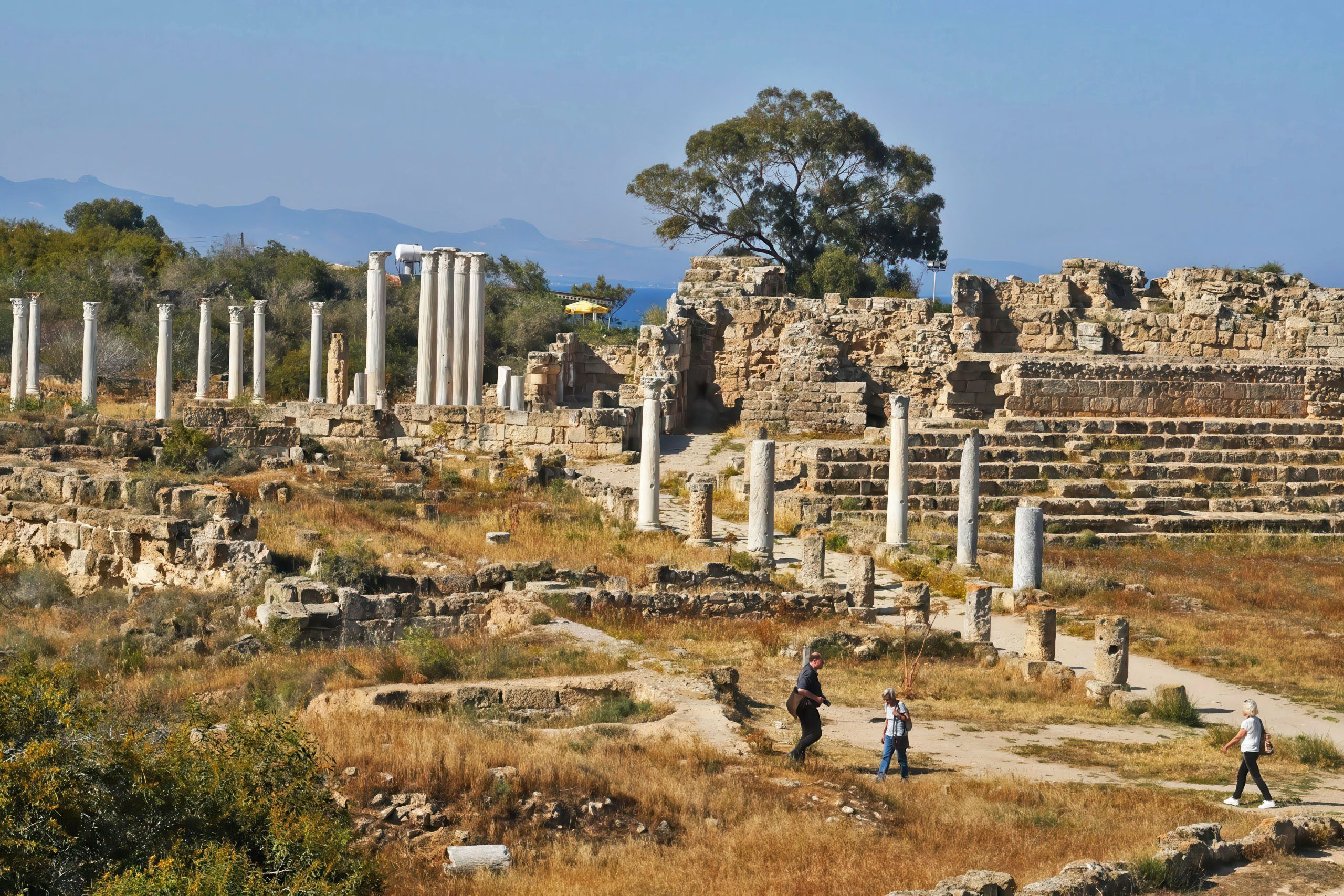
The choice of Zeus was deliberate. As ruler of gods and men, Zeus represented order, authority, and legitimacy. Worshipping him in monumental form reinforced Salamis’s role as a leading city with strong ties to Greek tradition and values.
Zeus as Guardian of the City
Zeus Salaminios was not a distant or abstract god. He was believed to actively protect the city, its people, and its rulers. His cult emphasised stability, justice, and continuity, qualities essential for a powerful urban centre.
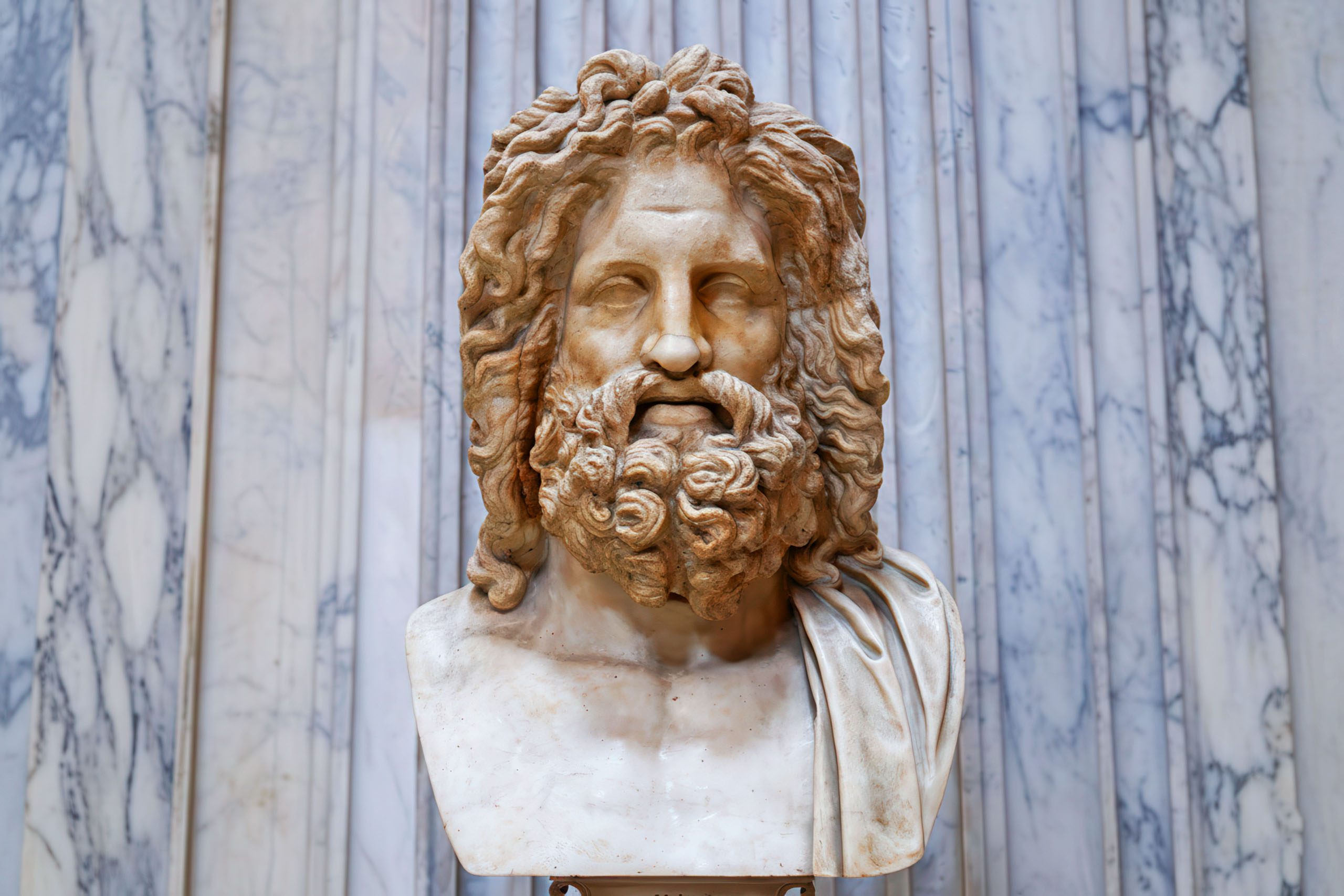
Rulers and elites used the sanctuary to demonstrate their devotion and to associate their authority with divine approval. Public ceremonies held at the temple reinforced the idea that Salamis thrived under Zeus’s watchful presence.
From Early Cult to Monumental Temple
The worship of Zeus at Salamis likely began long before the construction of the monumental temple. Early cult practices probably took place in simpler settings, gradually evolving as the city grew in wealth and influence.
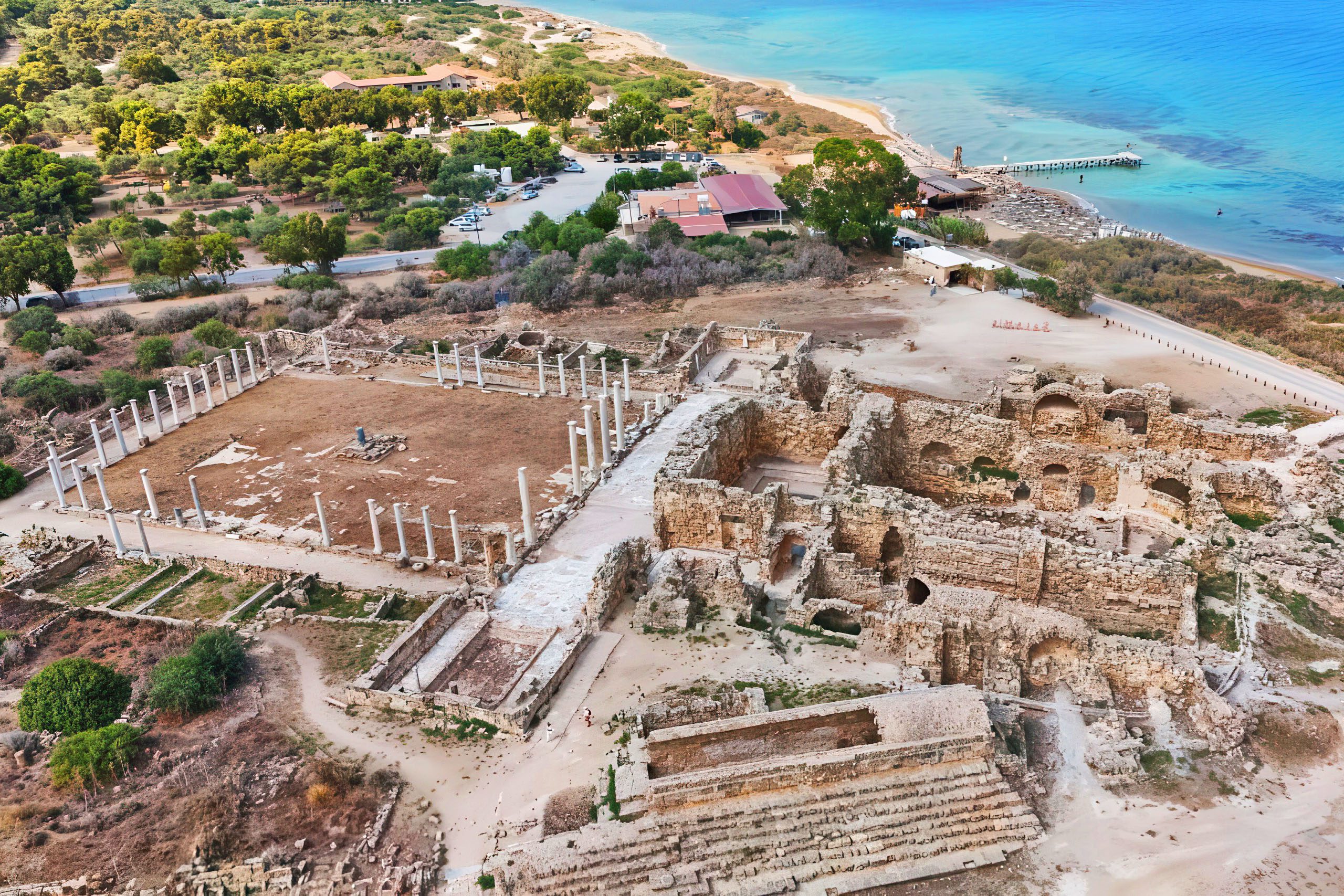
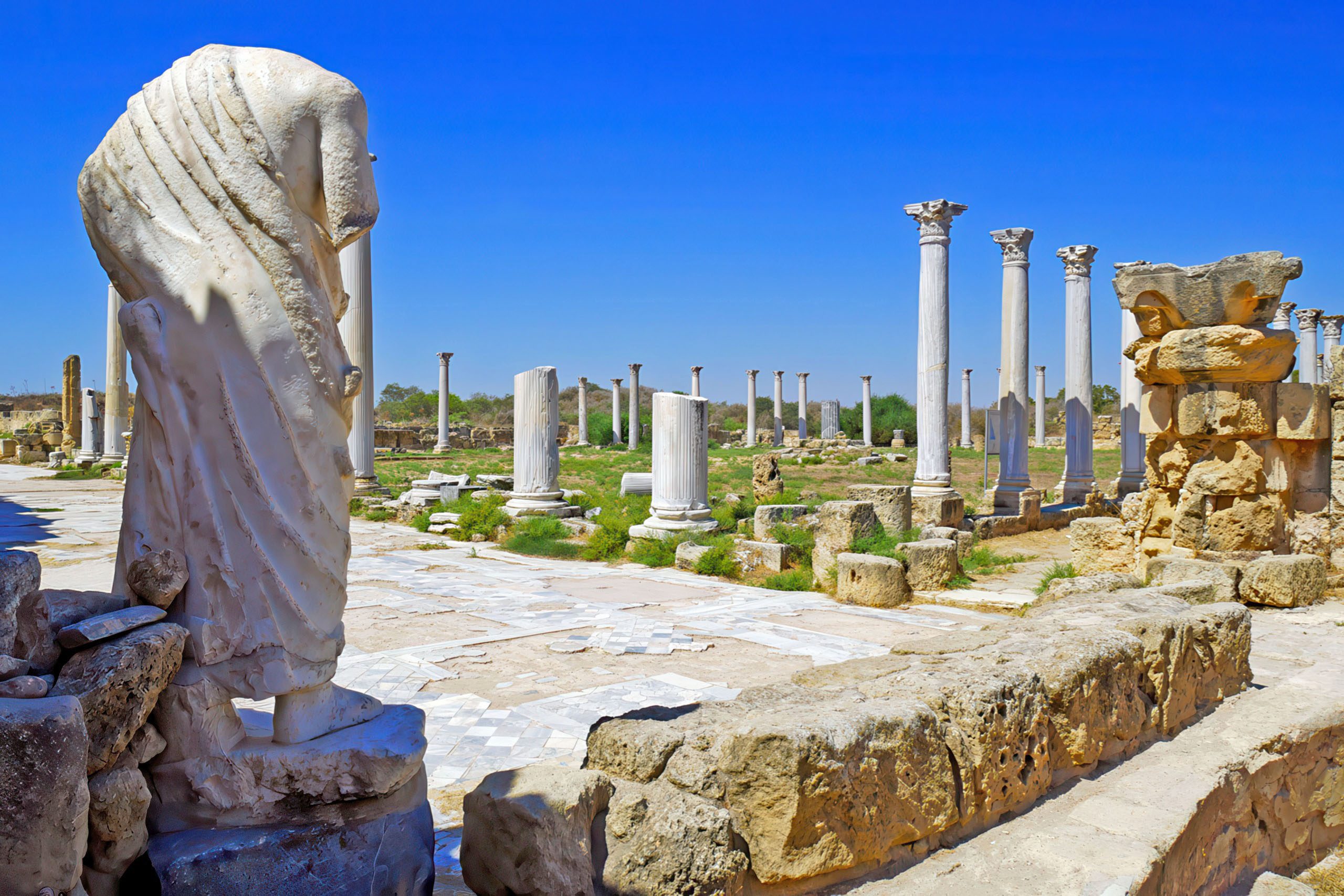
During the Hellenistic and Roman periods, the sanctuary was transformed into an imposing architectural complex. Large columns, spacious courtyards, and carefully planned approaches created a setting designed to inspire awe and respect among worshippers and visitors alike.
Ritual, Power, and Public Life
The temple was not only a religious space but also a stage for public life. Festivals, sacrifices, and official gatherings brought citizens together, strengthening communal identity and loyalty to the city.
By honouring Zeus in such a prominent way, Salamis aligned itself with the religious and cultural norms of the Greek world. The temple became a symbol of belonging, linking the city to mainland Greece and other Hellenised regions of the Mediterranean.
Decline and Silence
As Christianity spread across the eastern Mediterranean, traditional pagan worship declined. The Temple of Zeus Salaminios eventually lost its religious role and fell into disuse.
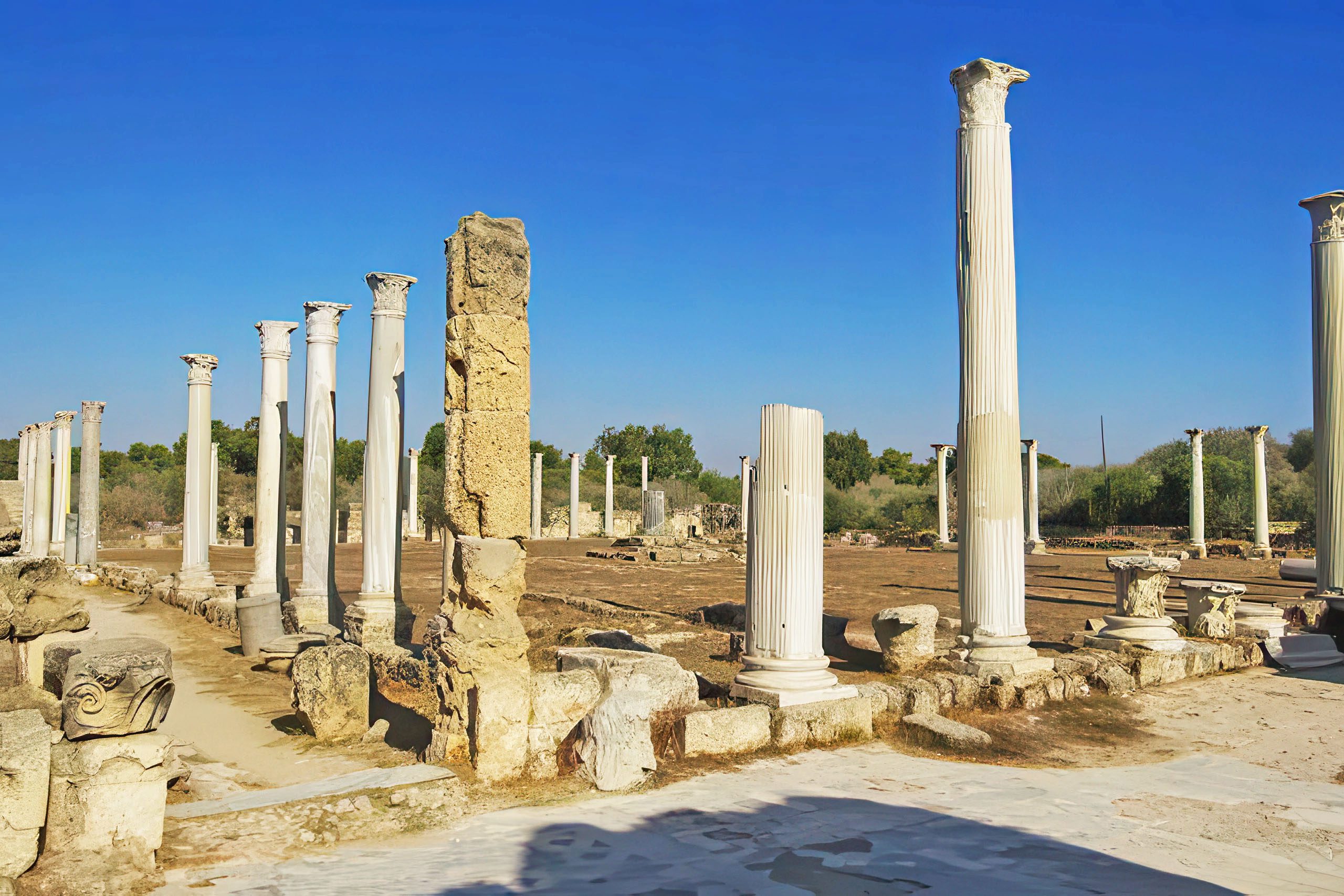
Earthquakes, rebuilding, and the passage of time reduced the once-grand structure to ruins. Yet even in its broken state, the scale of the remains reflects the former importance of the sanctuary and the ambitions of the city that built it.
Encountering the Site Today
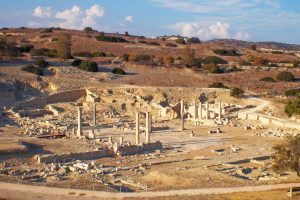
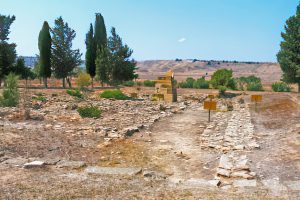
Today, the remains of the Temple of Zeus Salaminios can be explored within the archaeological site of Salamis. Foundations, columns, and scattered stone blocks hint at the grandeur that once defined the sanctuary.
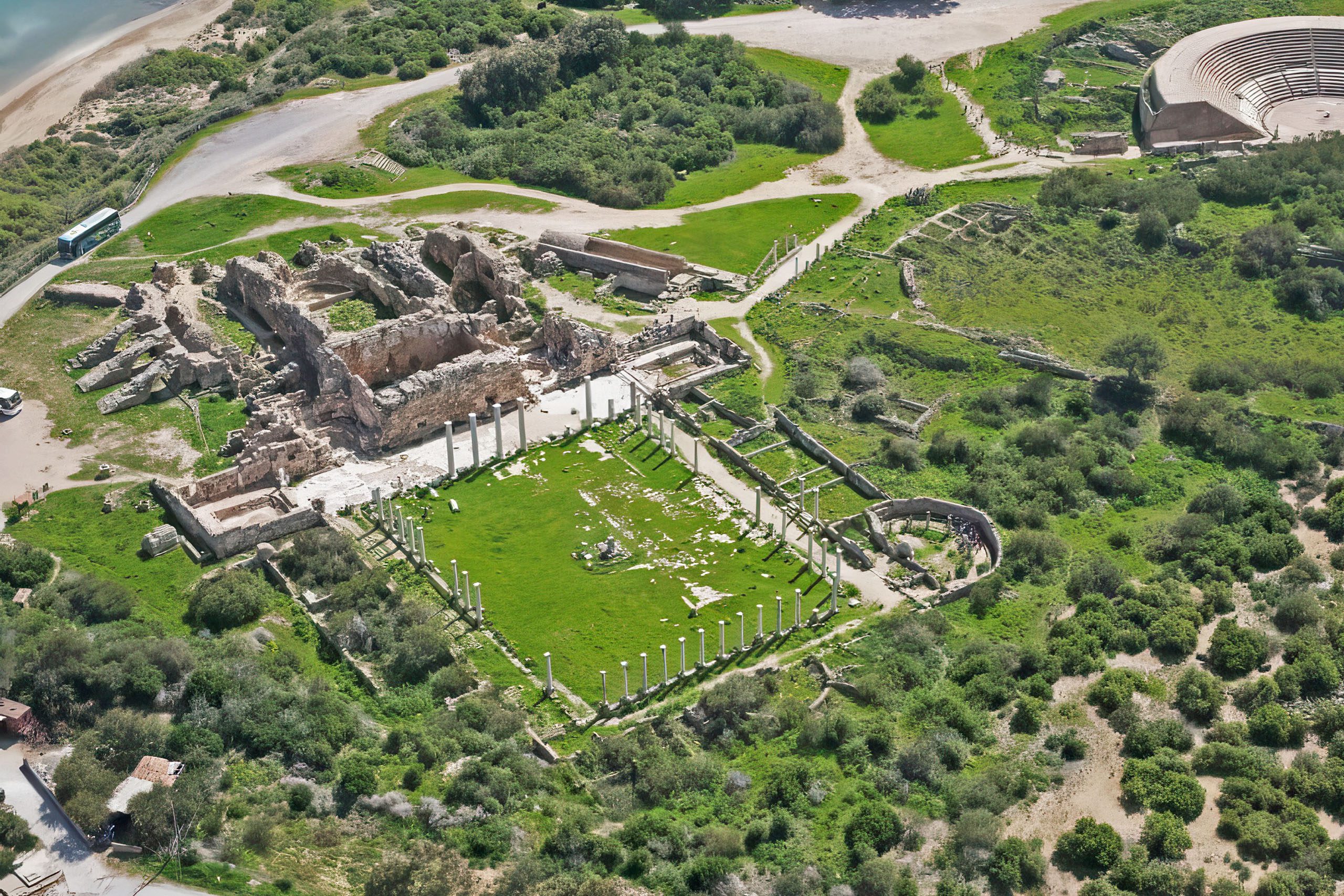
Walking through the area allows visitors to imagine the ceremonies, crowds, and processions that once filled the space, placing the ruins within the broader story of ancient Cypriot and Greek civilisation.
Why the Temple Still Matters
The Temple of Zeus Salaminios stands as a powerful reminder of how religion, politics, and identity were deeply intertwined in the ancient world. Through this sanctuary, Salamis declared who it was, where it belonged, and which values it upheld.
Understanding this temple helps explain how Cyprus balanced local traditions with Greek cultural identity. It remains an enduring symbol of the island’s role as a bridge between worlds, shaped by belief, power, and history.