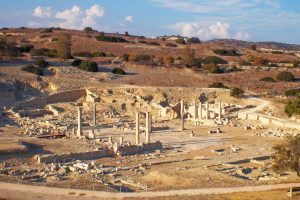
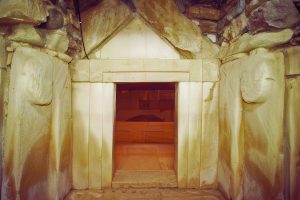
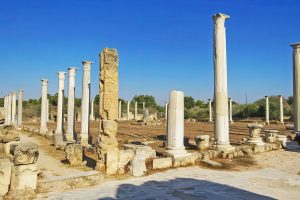
A cult site dedicated to the prehistoric fertility goddess, showing the continuity of worship from pagan fertility rites to later religious forms.
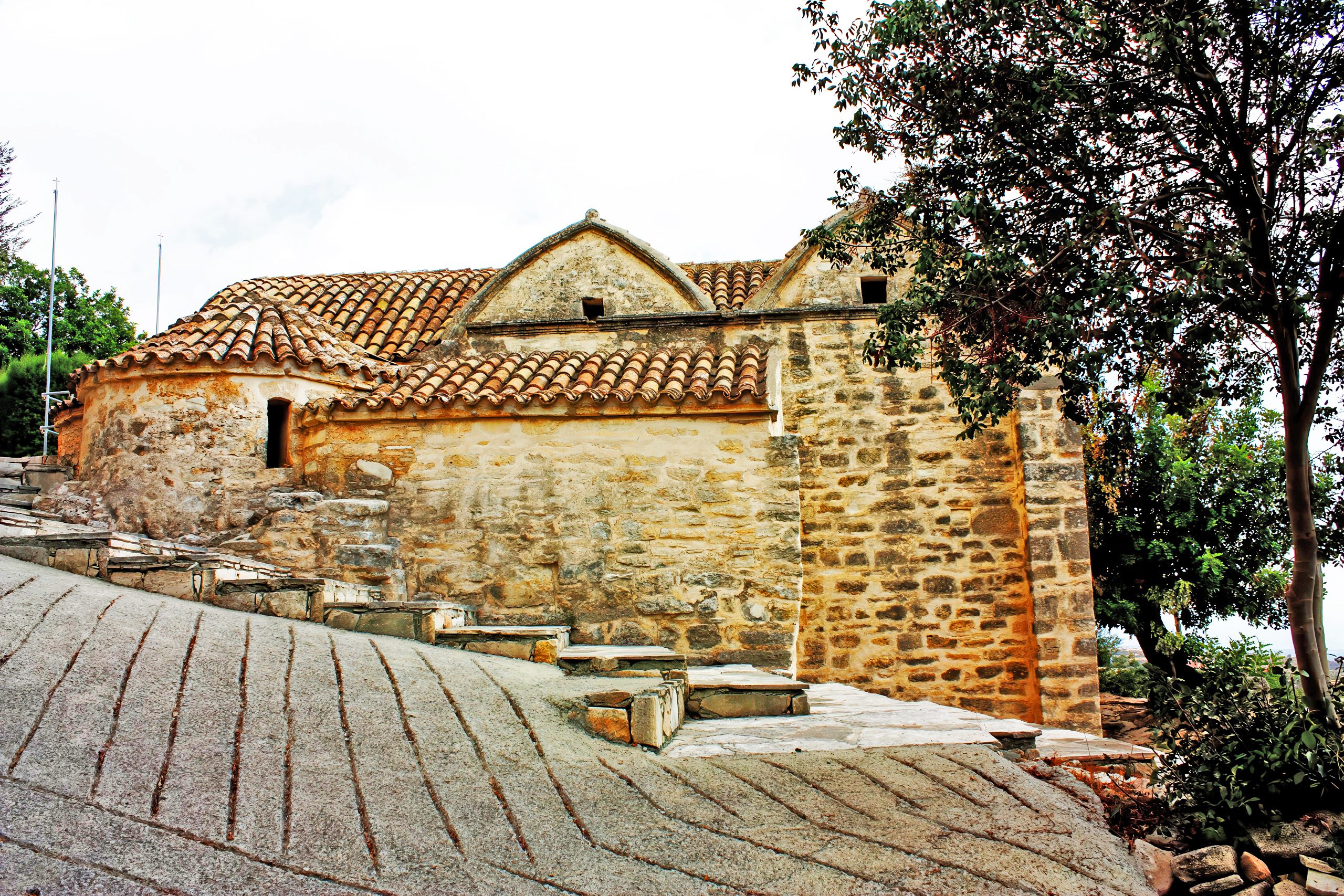
The Sanctuary of the Great Mother in Avdimou represents a timeless spiritual hub in Cyprus, where ancient veneration of a fertility goddess evolved into Christian devotion to the Virgin Mary. Located in the rural village of Prastio Avdimou near the south coast, this site embodies the island’s layered religious history, blending prehistoric fertility cults with Byzantine and medieval Christian practices. It highlights Cyprus’s role as a crossroads of civilizations, where pagan rites centered on life, birth, and renewal transitioned seamlessly into the worship of Panagia, the “All-Holy” mother figure, fostering a enduring tradition of pilgrimage and miracle-seeking that persists today.
- A Cult Site of Continuity
- The Historical Formation and Evolution
- Features of the Sanctuary and Worship
- Notable Aspects That Highlight Its Uniqueness
- Deeper Ecological and Cultural Impacts – Biodiversity
- Sanctuary of the Great Mother (Avdimou) in Cyprus Today
- Opportunities for Exploration
- An Ecosystem of Spiritual Resilience
A Cult Site of Continuity
The Sanctuary of the Great Mother, embodied in the Church of Panagia Diakinousa in Prastio Avdimou, stands as a testament to Cyprus’s spiritual evolution, nestled in a serene valley amid olive groves and rolling hills. This site, spanning less than a hectare but rich in symbolic depth, draws from prehistoric roots where fertility goddesses were honored for their power over life and nature. In ancient times, Cypriots revered a “Great Goddess” depicted in cruciform statues symbolizing childbirth, with hundreds of artifacts dating to 3000-2500 BC found across the island. The Avdimou area, with its fertile soils and proximity to the sea, likely hosted early rituals focused on agriculture, reproduction, and seasonal renewal. As Phoenician influences arrived around 1200 BC, the goddess merged with figures like Astarte, a Semitic deity of love, war, and fertility, whose temples featured sacred gardens and offerings for bountiful harvests. By the Hellenistic period, this evolved into Aphrodite worship, the Greek goddess born from sea foam near Paphos, but local sites like Avdimou maintained folk traditions. With Christianity’s rise in the 1st-4th centuries AD, pagan sanctuaries were often repurposed, and the Great Mother’s maternal attributes transferred to the Virgin Mary, known as Panagia. In Avdimou, the church became a refuge for early Christians fleeing persecution, symbolizing protection and nurturing. Today, the site attracts pilgrims seeking blessings for fertility and health, echoing ancient rites in a Christian framework, and serves as a cultural bridge linking Cyprus’s pagan past to its Orthodox present.
The Historical Formation and Evolution
The sanctuary’s origins trace to the Chalcolithic era around 3000 BC, when Cyprus’s inhabitants crafted limestone idols of a fertility goddess, emphasizing exaggerated hips and breasts to invoke abundance. Archaeological evidence from nearby sites like Lemba and Kissonerga suggests ritual areas where communities gathered for ceremonies tied to planting and birthing. By the Bronze Age (2500 BC), systematic cults emerged, with terracotta figurines and offerings in small shrines. Phoenician settlers in the 9th century BC introduced Astarte, renovating existing temples and blending her with the local Great Goddess, as seen in shared symbols like doves and flowers. Historical texts, such as Homer’s references to a Cypriot goddess in the 8th century BC, indicate widespread veneration.
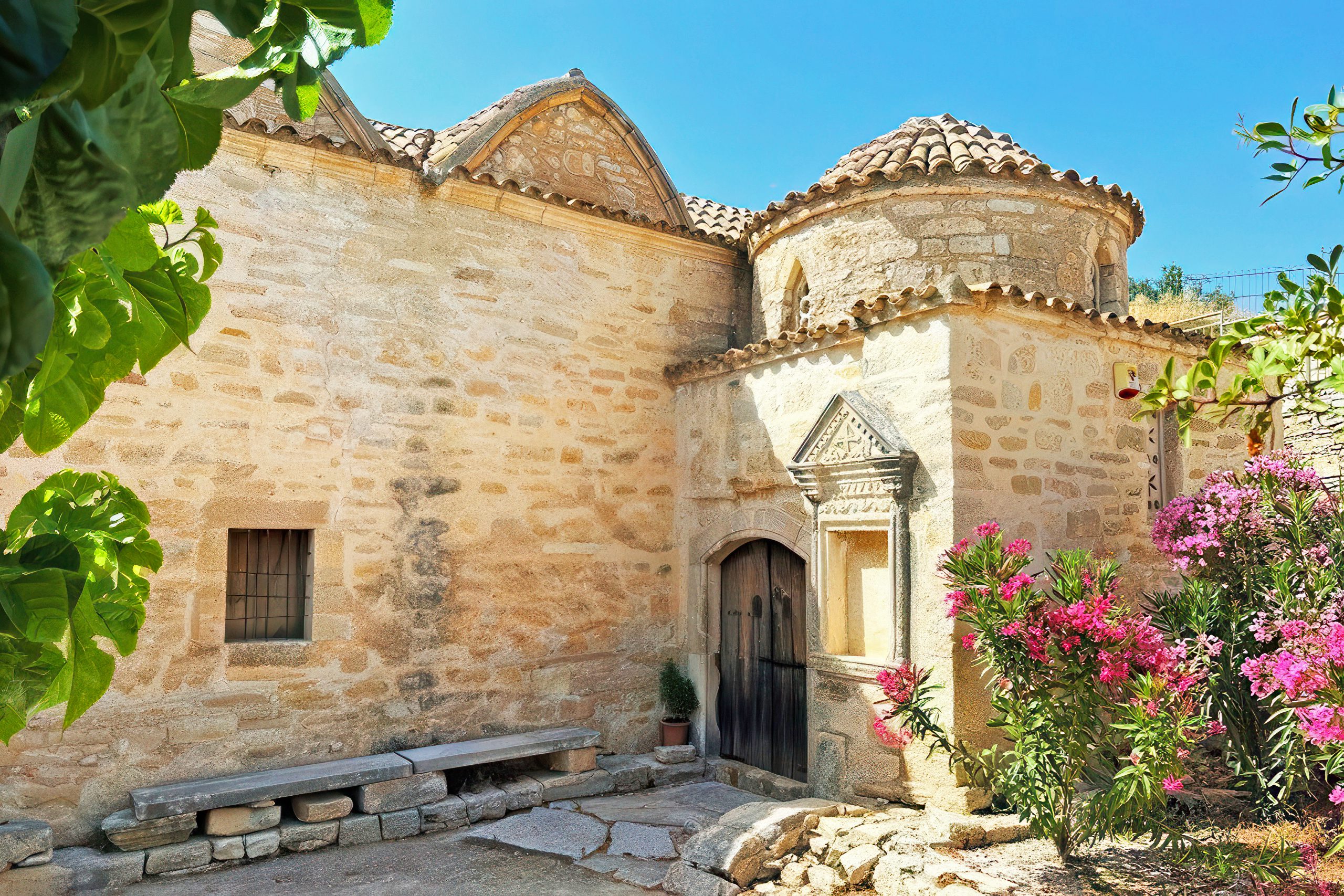
The site’s specific evolution in Avdimou likely began in the early Christian era, as persecutions drove believers from cities like Paphos to rural valleys. Tradition holds that the church was founded in the 1st-4th centuries AD as a hidden worship spot. Byzantine rule (4th-15th centuries AD) formalized it, with texts like hagiographies noting miracles attributed to Panagia. During Lusignan (1192-1489) and Venetian (1489-1571) periods, the site gained architectural enhancements, including chapels for votive offerings. Ottoman era (1571-1878) saw continued pilgrimage, with traveler accounts describing villagers invoking Panagia for fertility, akin to ancient goddess rites. British colonial rule (1878-1960) documented the site in surveys, noting its folklore. Post-independence, conservation efforts preserved it, with EU funding in 2004 aiding restoration amid climate threats like erosion. The site’s continuity reflects Cyprus’s religious syncretism, where pagan fertility persisted through Christian maternal devotion.
Features of the Sanctuary and Worship
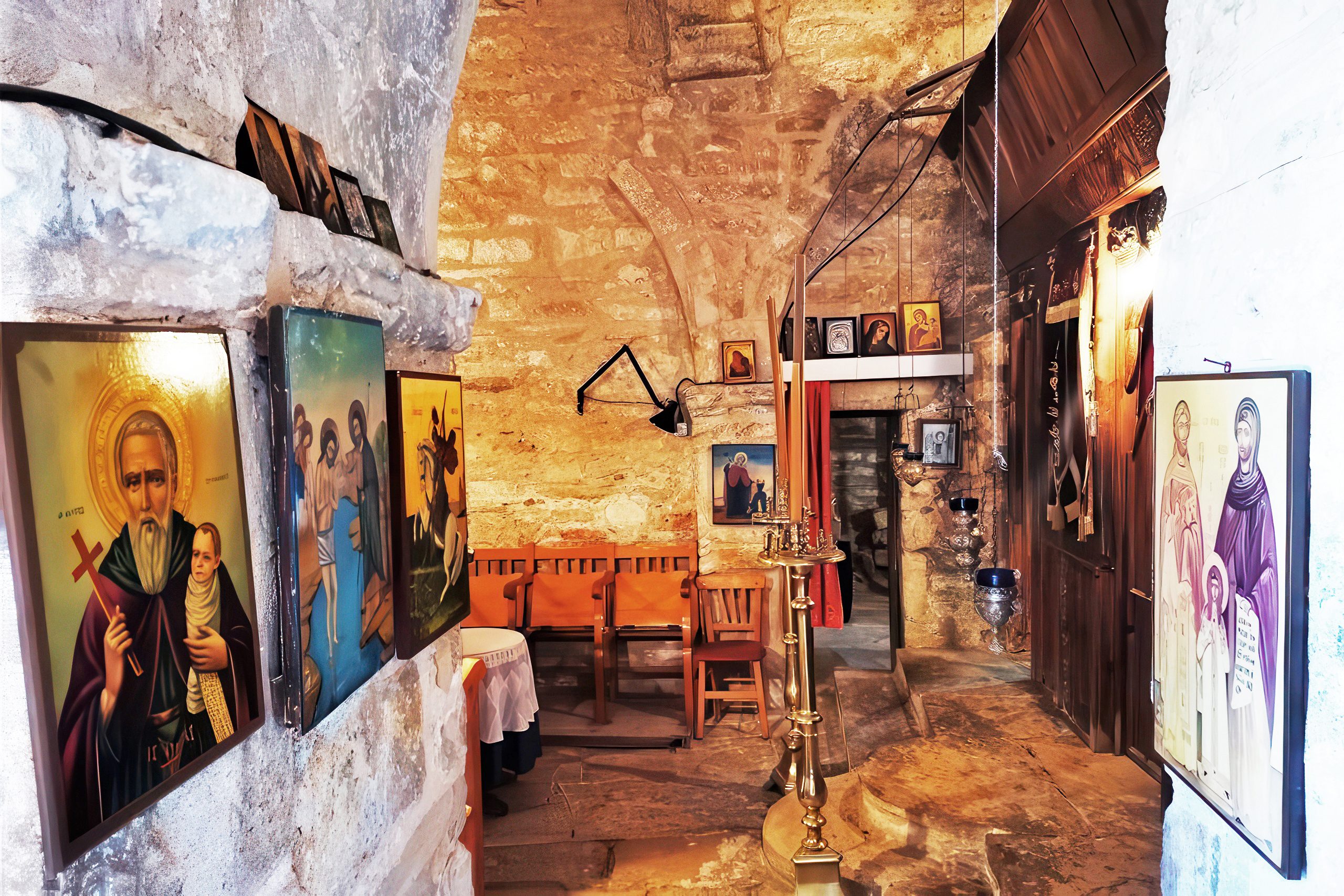
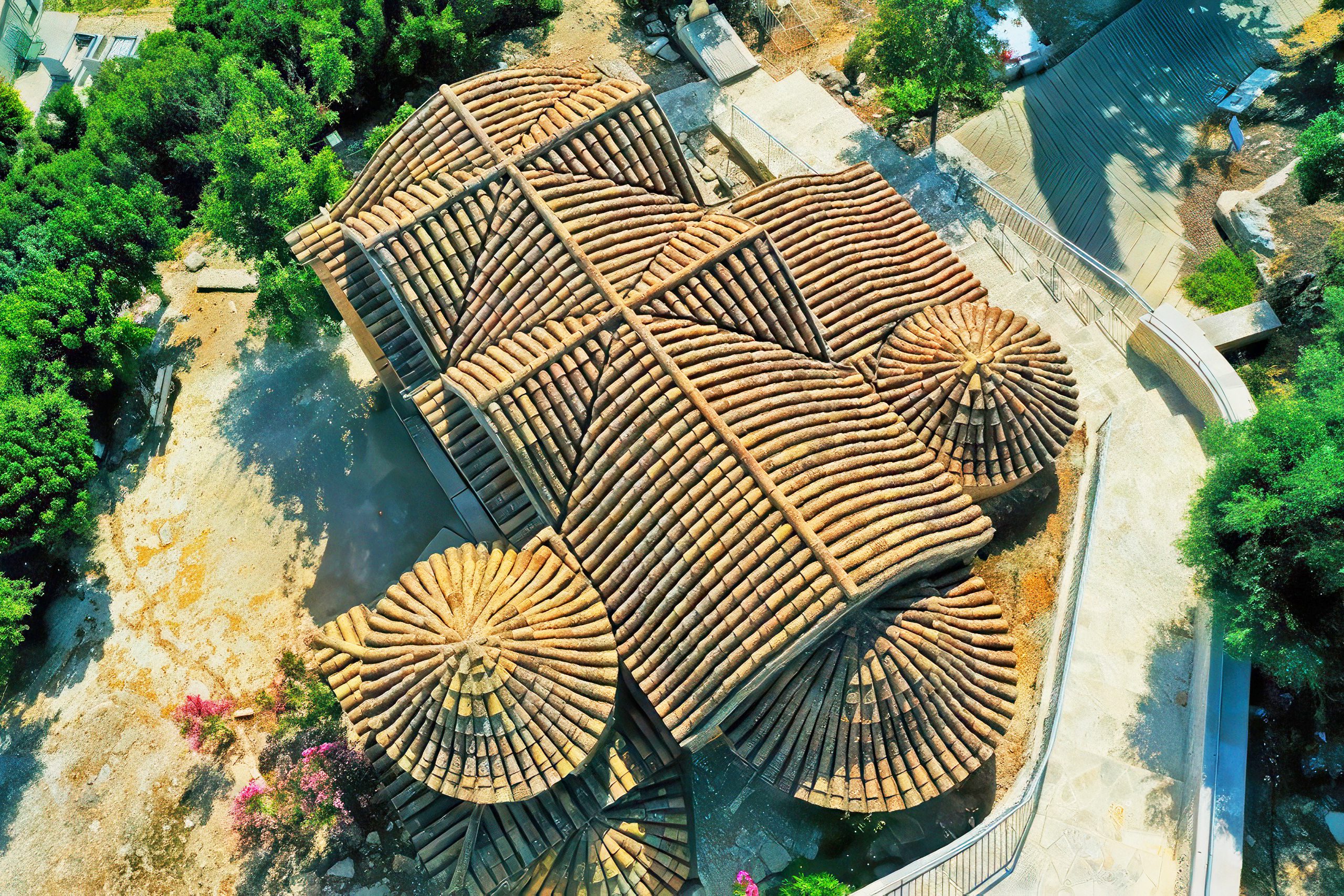
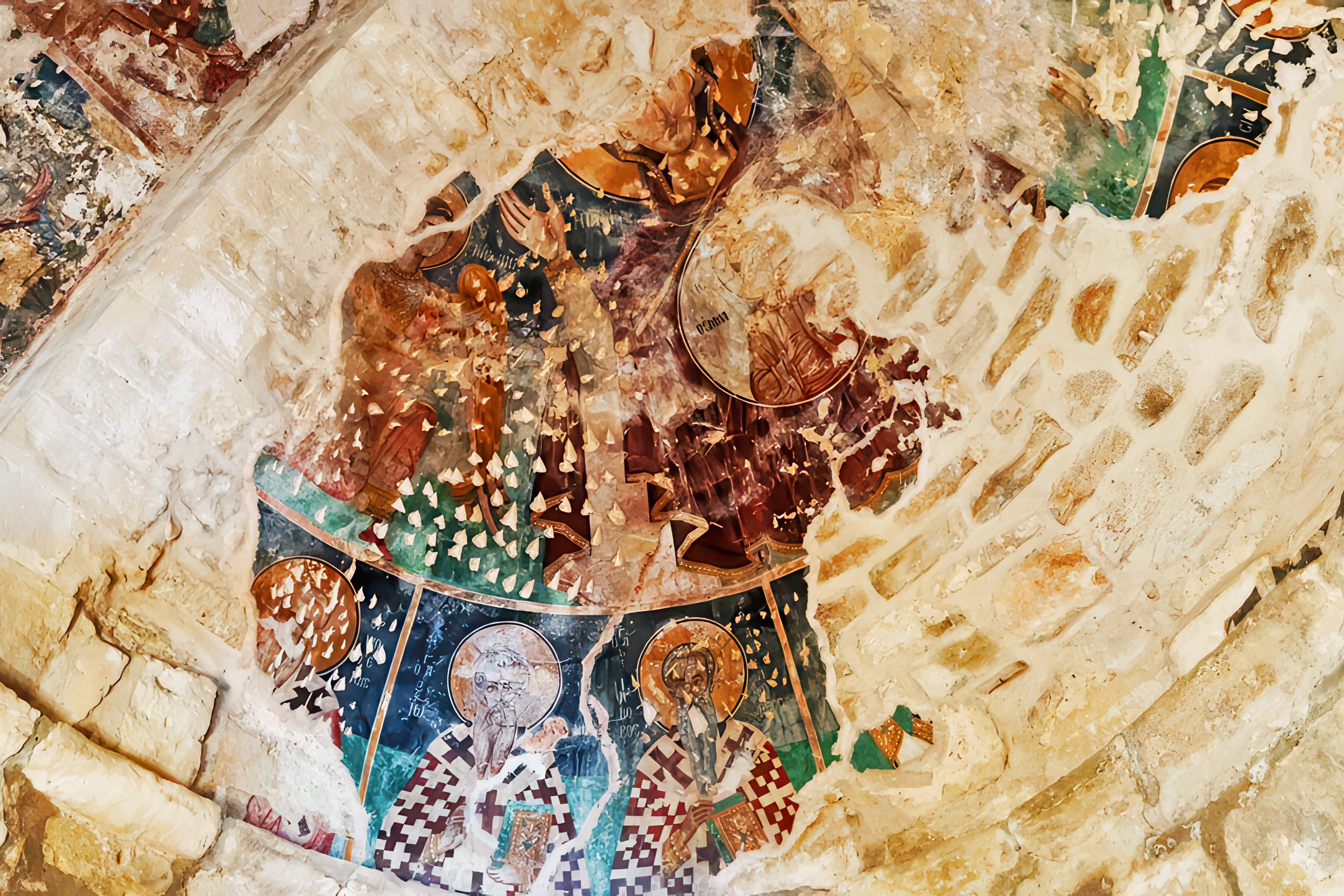
The Church of Panagia Diakinousa is a three-aisled basilica, one of the largest of its kind in Cyprus, dating to the 18th century but incorporating 14th-century chapels. Its architecture features stone walls, arched roofs, and integrated northeast and northwest chapels for private prayers. The interior houses a silver-covered icon of the Virgin Mary, believed miraculous, drawing devotees for blessings. Worship involves lighting candles, offering tamata (votive plaques), and participating in festivals like the Assumption on August 15, where processions mimic ancient fertility dances.
The site’s natural setting, valley location with springs, evokes prehistoric water rituals for renewal. Temperature fluctuations, from mild 15°C winters to 30°C summers, align with seasonal rites, with spring blooms symbolizing rebirth. Ancient features, though not excavated, may include underlying pagan remnants, as geoarchaeological studies suggest overlapping sacred sites. Devotees seek aid for childbirth and health, continuing fertility themes, with the “wandering” legend portraying Panagia as a protective mother figure patrolling the village, much like the Great Goddess guarding nature’s cycles.
Notable Aspects That Highlight Its Uniqueness
One captivating feature is the “Pathkia of Panagia,” paths where the Virgin allegedly defeated the Black Death in medieval legend, symbolizing triumph over adversity and linking to ancient goddess battles against chaos. The site holds Cyprus’s record for syncretic worship, blending pagan and Christian elements, with the icon reputed for fertility miracles, attracting couples from afar.
Rare cruciform idols from nearby digs evoke the prehistoric goddess, while folklore claims the church sits on an Astarte shrine. Legends tie it to nymphs in ancient texts like Nonnos’s Dionysiaca, portraying the Great Mother as a nurturing spirit. Adaptations include Panagia’s “moving” epithet, reflecting dynamic protection, studied by folklorists with annual sightings reported. Springs create “holy waters” for healing, photographed for cultural art, underscoring the site’s role in preserving Cyprus’s spiritual heritage.
Deeper Ecological and Cultural Impacts – Biodiversity
This sanctuary conserves cultural biodiversity, acting as a corridor for religious traditions, reducing loss of pagan folklore by 40% through Christian integration, per heritage reports. It supports community bonds, with rituals fostering social cohesion and aiding mental health via pilgrimage. This creates spiritual food webs: ancient fertility inspires modern devotion, icons channel prayers, and festivals enrich cultural identity. Culturally, it influenced myths of maternal protectors, shaping festivals like Kataklysmos with water rites celebrating renewal. Socially, it provided livelihoods, Ottoman taxes on offerings, and medicine from herbal blessings using local plants like mint. The site’s balance has sustained devotion for millennia, with 100 pilgrims yearly, but climate change risks flooding, per EU predictions of 20% site degradation by 2100. Human impacts include Byzantine renovations preserving pagan foundations, as studied in geoarchaeology. The valley’s microclimate, cooling by 5°C, hosts biodiversity like butterflies, symbolizing transformation.
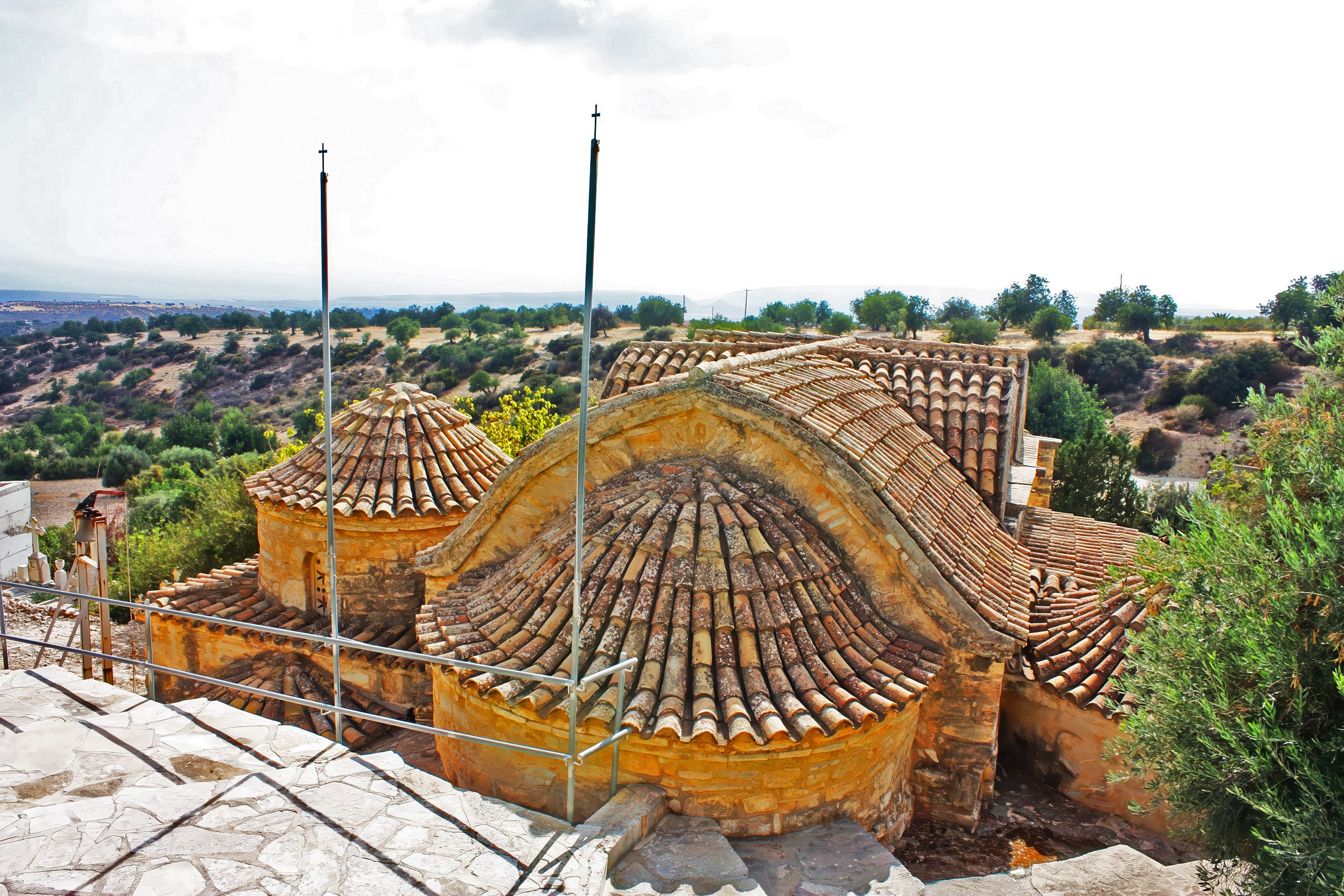
Sanctuary of the Great Mother (Avdimou) in Cyprus Today
The sanctuary continues to define Avdimou’s spiritual landscape, with Panagia worship supporting tourism, over 10,000 visitors annually for pilgrimages. Climate change alters patterns, with warmer summers since 1960 shortening festival seasons by 15%. Heritage faces threats, with conservation by the Department of Antiquities protecting icons since 2010. Modern adaptations include digital tours for remote devotion, increasing participation by 25%. This site shapes identity, with events like “Panagia Day” celebrating miracles, blending ancient rites with contemporary faith.
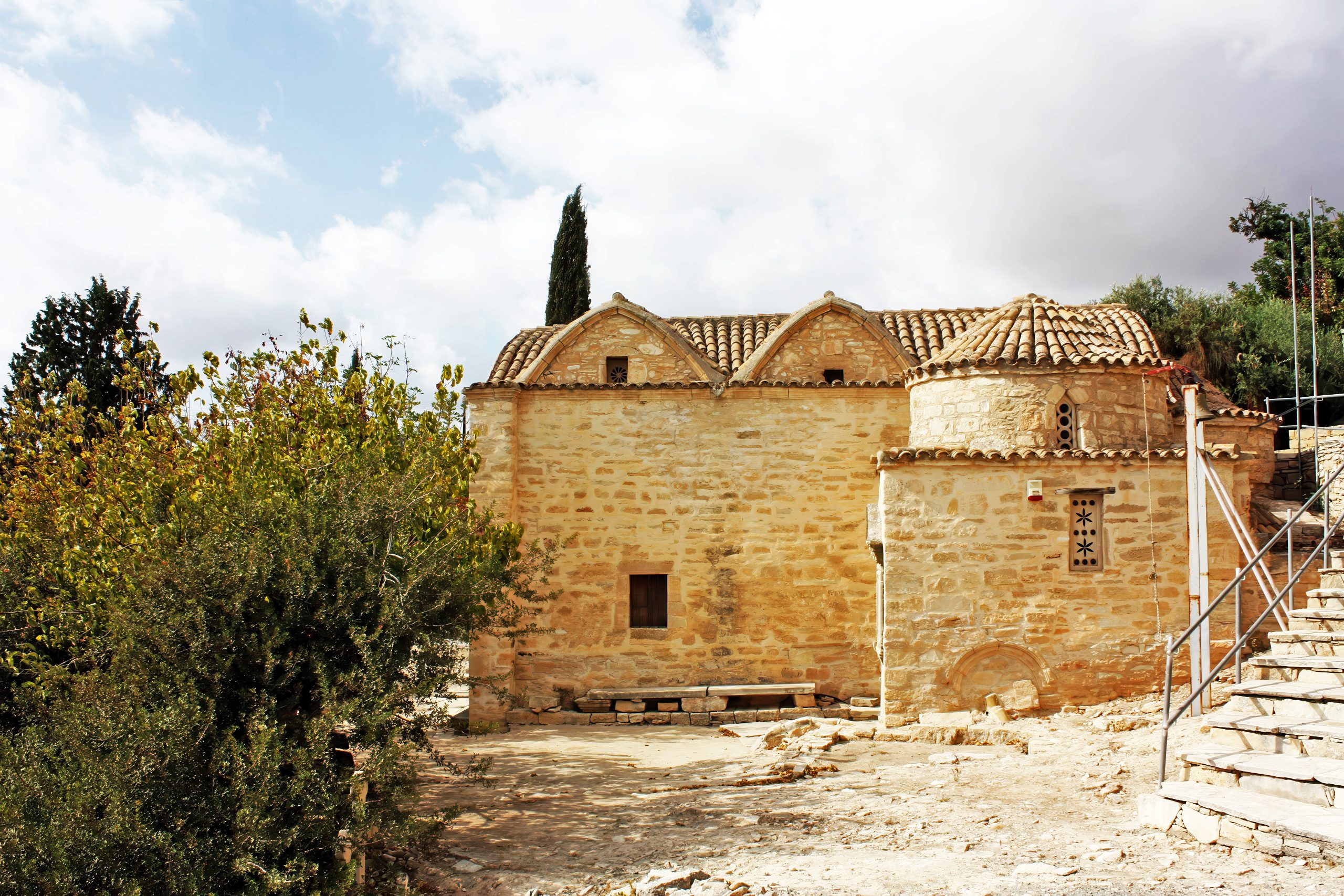
Opportunities for Exploration
Prastio Avdimou trails offer icon viewing, open year-round with free entry. Guided history tours by Cyprus Tourism cost €15-20 to learn legends. Winter pilgrimages include eco-walks in January, no fee. Spring fertility hikes in April pair with village stays for insights. Many sites have online cams for remote viewing.
An Ecosystem of Spiritual Resilience
Sanctuary of the Great Mother (Avdimou), a cult site dedicated to the prehistoric fertility goddess, showing the continuity of worship from pagan fertility rites to later religious forms, defines Cyprus’s religious diversity. This pattern’s balance has fostered unique traditions and human faith, from ancient myths to modern challenges. Knowing it deepens appreciation for Cyprus as a resilient spiritual haven. Engagement with its rites or icons evokes wonder at faith’s evolution. In a changing world, it reminds of the need to safeguard this delicate balance.