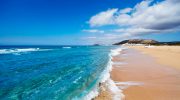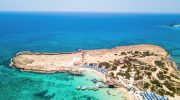
The Makronissos beach takes its name from the small peninsula where it sits. The word Makronissos comes from Greek and means “long island,” a reference to the tail-shaped landmass that was once separated from the mainland. The main beach stretches westward, while two smaller bays branch off toward the southwest and southeast. These natural formations create protected swimming areas with calm waters throughout most of the season.
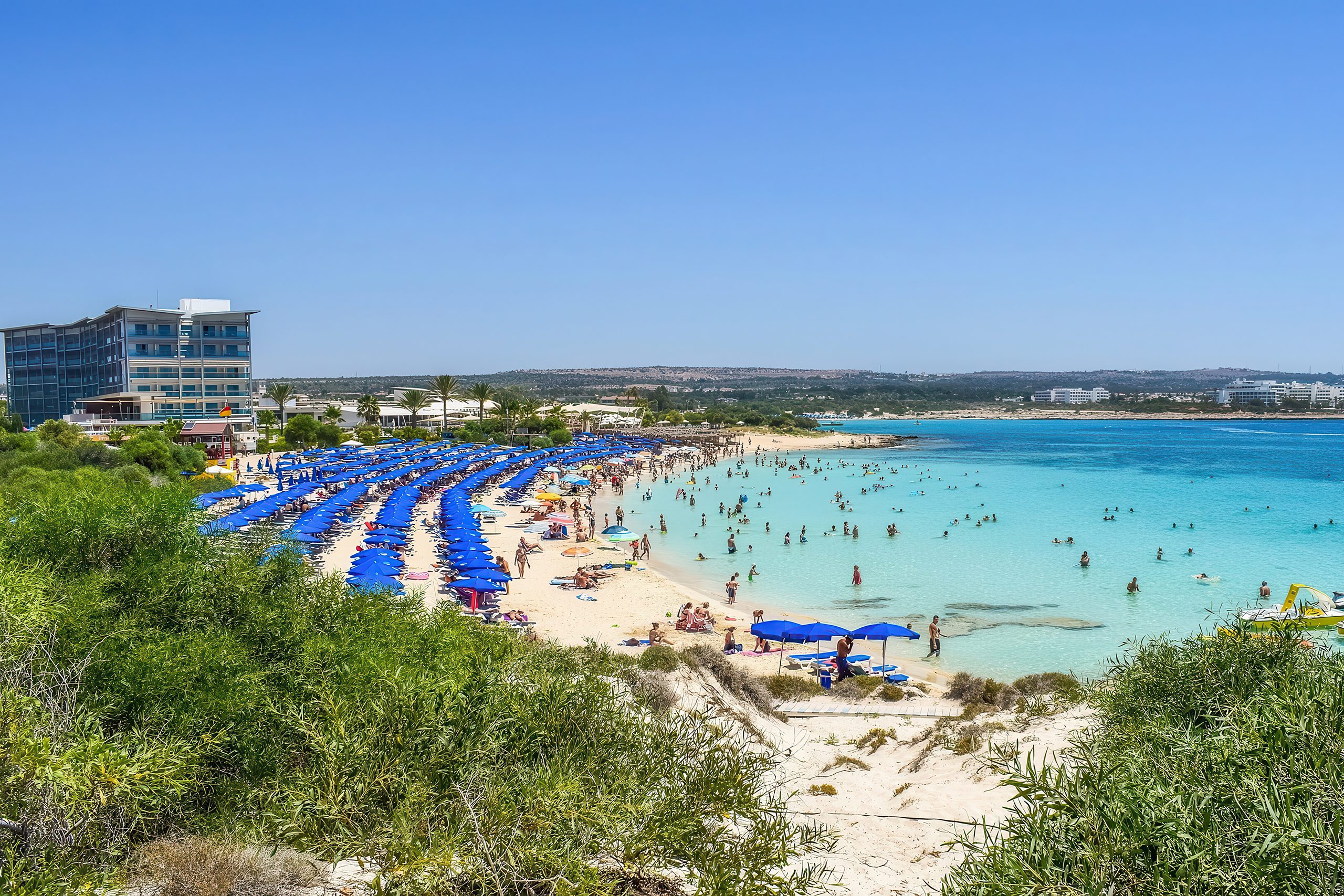
The golden sand is fine and soft, without the pebbles or coarse grains common at many Mediterranean beaches. The waters remain shallow for a considerable distance from shore, which allows children to wade and play safely. Parents can relax knowing that the gentle slope of the seabed means their kids can walk quite far out while still touching bottom.
The southwestern section falls within a Natura 2000 protected area, part of a European network of conservation sites. This designation reflects the ecological importance of the coastal environment and ensures that development balances tourism with environmental protection.
Historical Background
The Makronissos Necropolis sits just behind the beach and contains 19 rock-cut tombs from the Hellenistic and Roman periods. The Municipality of Ayia Napa sponsored intensive excavations between November 1989 and January 1990. These tombs had been targets of illegal digging since 1872, which damaged many of the burial chambers and removed valuable artifacts before archaeologists could study them properly.
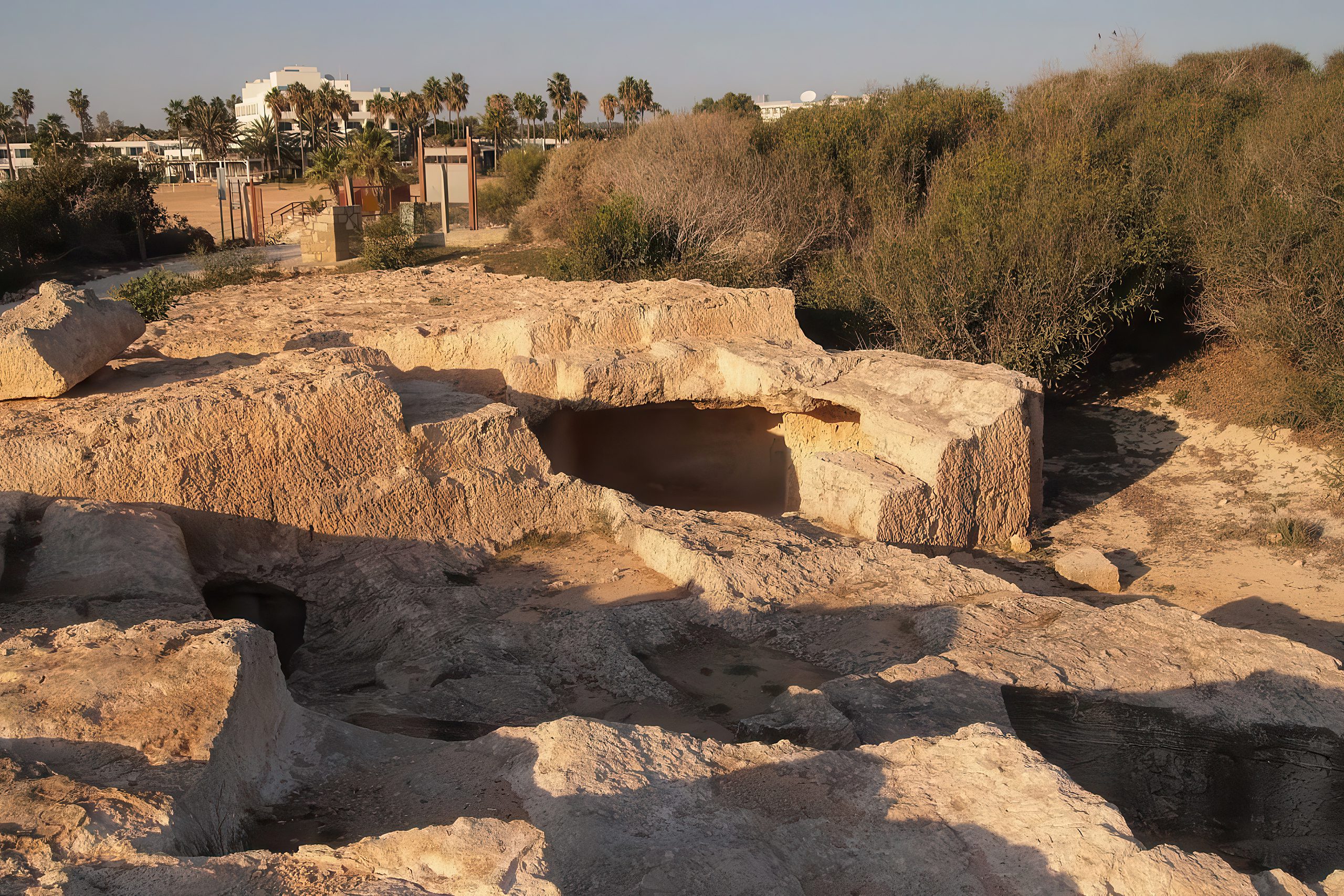
Most tombs follow an identical design. A stepped road leads down to a rectangular entrance that was originally sealed with one large stone slab or two smaller ones. Inside each chamber, a rectangular trench sits in the middle of the floor, slightly lower than the entrance level. Three stone benches line the sides of the chamber, where clay sarcophagi originally rested. The sarcophagi were covered with three flat tiles to protect the remains.
Archaeological evidence shows these tombs were used for multiple burials over time. Some chambers had space for up to five burials. The architecture shows no distinction between social classes among the deceased, though some burial gifts were locally made while others came from distant lands. This pattern indicates that Makronissos served as a community cemetery rather than an exclusive burial ground for the wealthy.
Blue Flag Status and Environmental Quality
Makronissos Beach has maintained Blue Flag certification for many years. The Foundation for Environmental Education awards this status to beaches that meet strict criteria for water quality, environmental management, safety services, and visitor facilities. Cyprus consistently ranks among the top European countries for clean bathing waters, and the Ayia Napa region alone boasts 14 Blue Flag beaches.
Water quality testing occurs regularly throughout the swimming season. Daily beach cleaning maintains the standards required for Blue Flag status. These efforts ensure visitors find clean conditions and safe swimming water when they arrive.
The beach participates in environmental initiatives beyond the Blue Flag program. Waste separation bins encourage proper disposal of recyclables, and educational signage reminds visitors to respect the coastal environment. These measures reflect Cyprus’s broader commitment to sustainable tourism development.
Facilities for All Visitors
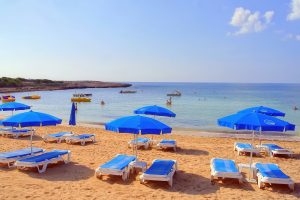
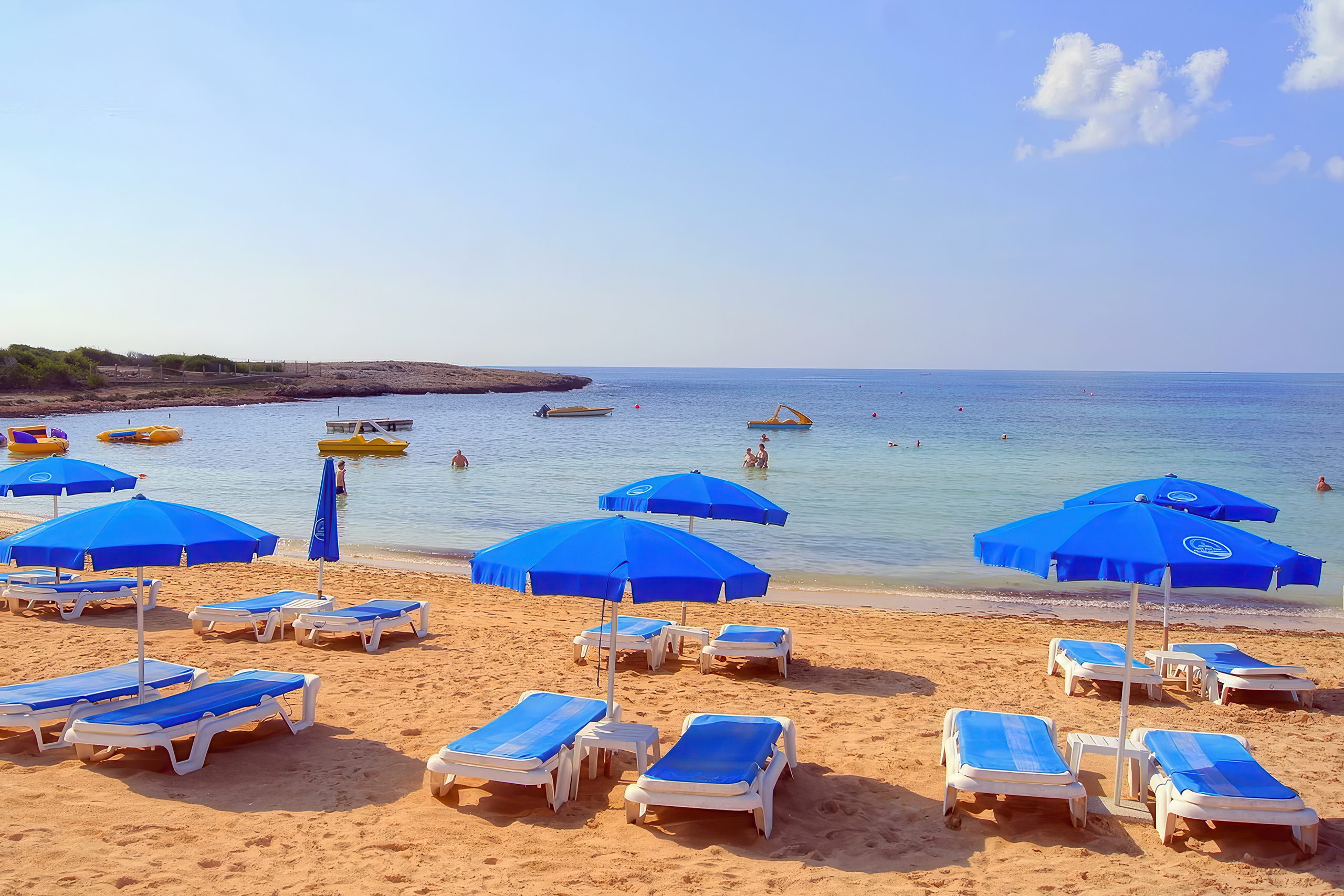
Sun loungers and umbrellas are available for rent at reasonable daily rates. An area at the front of the beach remains free for visitors who prefer to bring their own equipment or simply spread towels on the sand. This arrangement gives everyone access regardless of budget.
Public toilets, changing rooms, and showers are available free of charge. The facilities are maintained throughout the day to ensure cleanliness. Lifeguards patrol the beach from April through October, typically from 9:00 AM to 6:00 PM. They are equipped with lifesaving equipment and first aid supplies, and their visible presence reassures families about water safety.
Parking is available in designated lots near the beach. During peak season, arriving early helps secure convenient parking spots. The beach sits at the terminus of the Ayia Napa bus route, with buses 101 and 102 providing regular service from the town center and nearby Protaras. The WaterWorld Waterpark sits nearby, and many visitors combine beach time with a visit to the water park.
A convenience store operates close to the beach and sells drinks, snacks, sun protection products, and beach equipment. Several restaurants and kiosks are scattered throughout the area, so visitors can easily find food and refreshments without leaving the beach zone.
Water Sports and Activities
Makronissos Beach offers a full range of water sports for active visitors. Available activities include jet skiing, parasailing, water skiing, windsurfing, and various towable rides. Equipment rental operators set up along the beach and provide instruction for beginners who want to try new activities.
The clear shallow waters make this beach excellent for snorkeling. You can observe fish and marine life near shore without needing to swim far from the beach. The calm conditions mean even nervous swimmers can enjoy snorkeling safely.
Paddle boats and pedalos provide a more relaxed way to explore the bay. These rentals appeal particularly to families with young children who want to experience the water at their own pace. During winter months when winds pick up, kite surfers occasionally use the beach if conditions are favorable.
Makronissos Watersports operates from the beach and offers specialized equipment and instruction. The protected bay and consistent conditions make this location suitable for learning new water sports skills.
Nearby Restaurants and Beach Bars
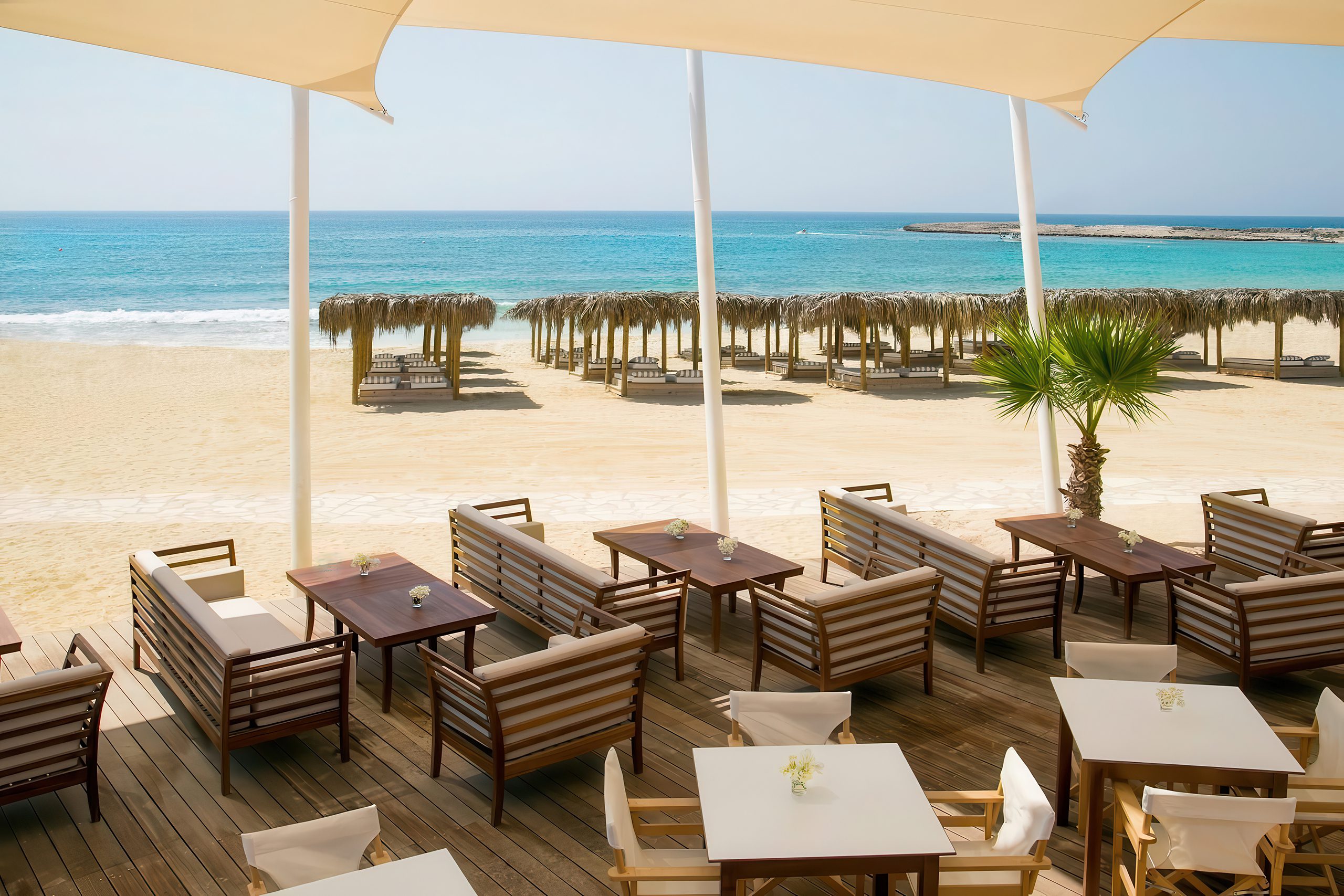
The area around Makronissos Beach includes several dining options. The Makronissos Beach Bar sits directly on the sand and serves everything from light snacks to full meals. Visitors can order burgers, sandwiches, salads, and traditional Cypriot dishes without leaving the beach.
Koralli Seafood restaurant specializes in fresh seafood and Mediterranean cuisine. The menu features locally caught fish prepared in traditional and contemporary styles. This restaurant sits close enough to the beach that diners can enjoy sea views while eating.
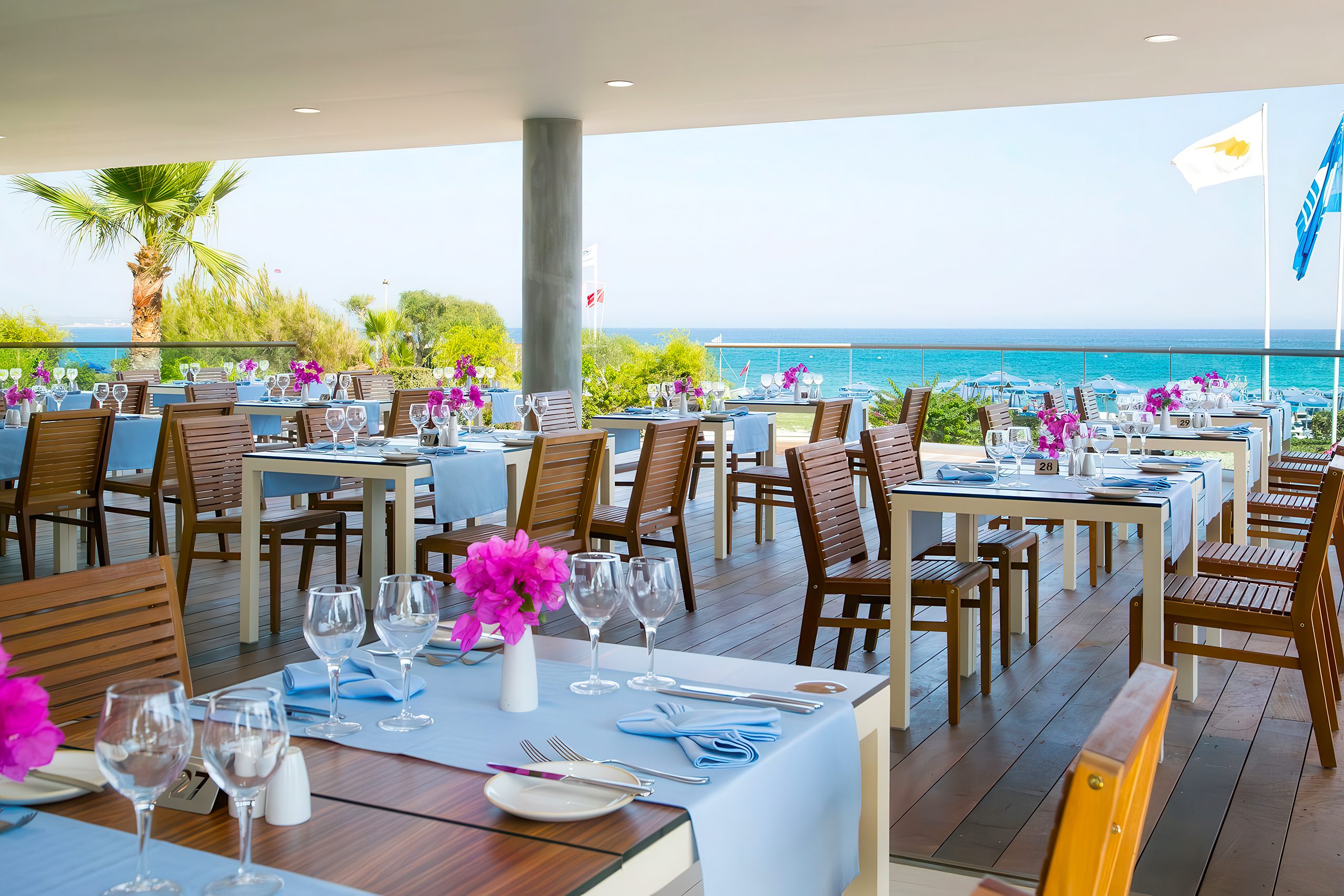
Levels Beach Bar operates on the eastern side of the beach and offers drinks, cocktails, and light food throughout the day. The bar maintains a laid-back atmosphere suitable for families rather than focusing on party culture.
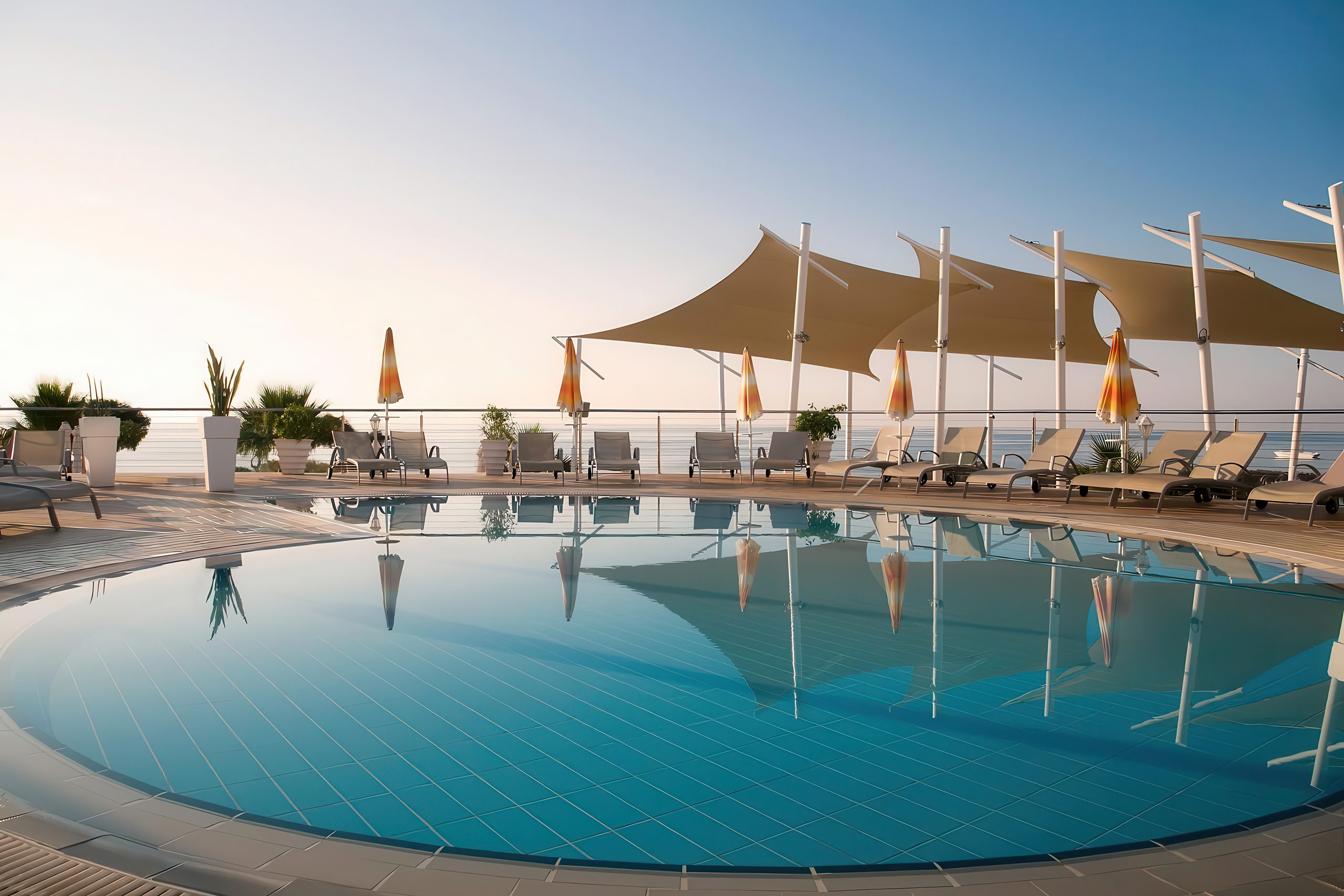
Several hotels near the beach have their own restaurants that welcome non-guests. The Asterias Beach Hotel, located right next to the beach, offers four different restaurants including options for formal dining and casual meals. These varied dining choices mean visitors can find suitable food regardless of preferences or budgets.
What Makes This Beach Family Friendly
The combination of shallow waters, soft sand, lifeguard supervision, and complete facilities makes Makronissos Beach particularly popular with families. The gentle slope into the sea allows young children to play safely near shore while parents supervise from nearby sun loungers. The calm bay conditions mean swimming remains comfortable even when other beaches experience rougher waters.
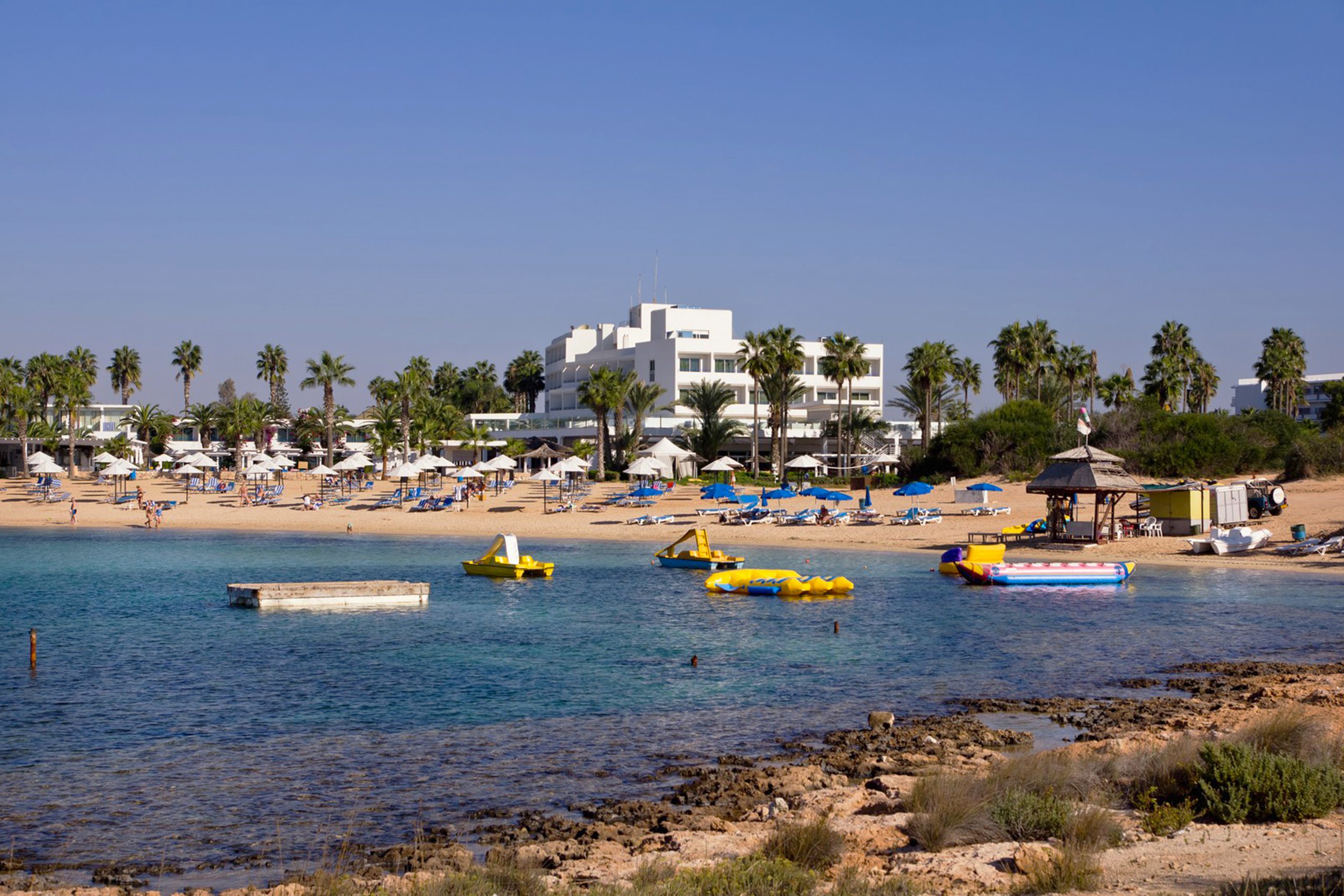
The beach offers enough space for ball games and sandcastle building without feeling overcrowded outside peak season. The presence of toilets, showers, and changing rooms eliminates the need to return to hotels for basic necessities. The variety of nearby restaurants means families can easily find lunch options that satisfy both adults and children.
The overall atmosphere remains relaxed and family-oriented. Unlike some Ayia Napa beaches that cater primarily to young adults seeking party culture, Makronissos maintains a welcoming environment for all age groups. Local Cypriot families visit regularly, which contributes to the authentic Mediterranean beach atmosphere.
Best Times to Visit
Makronissos Beach attracts peak crowds during July and August when European summer holidays are in full swing. Weekend visits during these months can find the beach quite busy, though it rarely reaches the congestion levels seen at nearby Nissi Beach. Arriving before 10:00 AM helps secure better spots for sun loungers and allows you to enjoy calmer morning conditions.
The beach sits about 5 kilometers from Ayia Napa center along Nissi Avenue. Clear road signage directs drivers to the beach from both the town center and the main highway. Free parking is available in designated lots near the beach entrance.
Larnaca International Airport is approximately 50 kilometers away. The drive takes about 45 minutes by car or taxi. Many visitors staying in Ayia Napa or Protaras rent cars for their stay, which provides easy access to Makronissos and other area beaches.
Public buses 101 and 102 operate regular service between Ayia Napa and Protaras, stopping near Makronissos Beach. The bus stop sits on the main road, requiring only a short walk to reach the sand. This accessibility makes the beach suitable for visitors without rental cars.
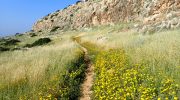
The coastal path connecting various Ayia Napa beaches extends to Makronissos. Walkers and cyclists can use this route to travel between beaches while enjoying sea views. The path provides a pleasant alternative to the main road for those staying nearby.
Why Makronissos Matters to Ayia Napa
Makronissos Beach plays an important role in establishing Ayia Napa as a destination that offers more than just party culture. While the town center and Nissi Beach attract younger crowds seeking nightlife, Makronissos provides a family-oriented alternative that appeals to different market segments. This variety helps Ayia Napa maintain broader tourism appeal.
The archaeological site behind the beach adds cultural depth to what could be just another pretty coastline. The preservation and presentation of the Makronissos Tombs shows commitment to protecting historical heritage while developing tourism infrastructure. This balance creates a more complete destination experience.