Cyprus did not become connected to the Mediterranean world by chance. Long before written records, its inhabitants learned to cross open water, build reliable vessels, and read the sea as a route rather than a boundary. These early seafaring and shipbuilding traditions allowed the island to turn geographic isolation into advantage, shaping Cyprus into a place of exchange, movement, and outward connection. To understand Cyprus’s early history is to understand how deeply it was shaped by boats, timber, and the confidence to sail beyond the horizon.
\n\n\n\n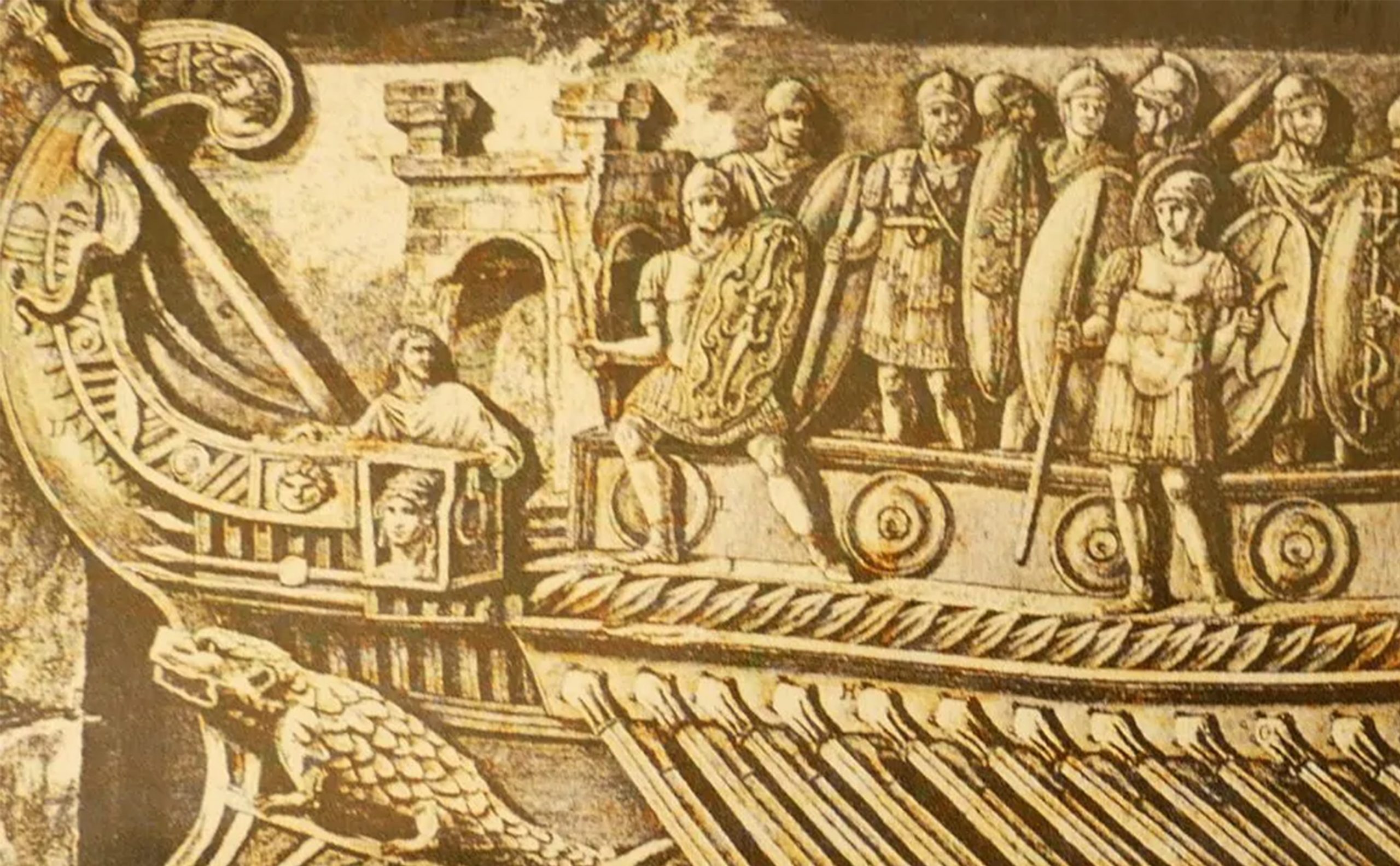
- An Island That Learned to Look Outward
- Crossing the Sea Before History Was Written
- Shipbuilding as Knowledge, Not Craft Alone
- When Sailing Became a System
- What the Sea Meant Beyond Trade
- Evidence That Brings Ancient Sailing to Life
- A Tradition That Never Disappeared
- Why Early Seafaring Explains Cyprus Itself
An Island That Learned to Look Outward
\n\n\n\nFor early communities, water often marked the edge of the known world. In Cyprus, it became the opposite. Surrounded entirely by sea, the island’s survival depended on crossing it. The coastline offered food, shelter, and access, but it was seafaring that allowed Cyprus to participate in wider networks rather than remain self-contained.
\n\n\n\nThis outward orientation emerged early. The sea was not treated as hostile territory to be avoided, but as a practical extension of daily life. Travel by boat became normal long before roads or written maps shaped movement on land.
\n\n\n\nCrossing the Sea Before History Was Written
\n\n\n\nThe earliest evidence of seafaring connected to Cyprus dates back more than 11,000 years. Humans reached the island during the Late Epipalaeolithic period, crossing open water from nearby mainland regions at a time when no metal tools or complex navigation systems existed.
\n\n\n\nAlthough the boats themselves have not survived, imported materials tell the story. Obsidian from Anatolia found at inland Cypriot sites proves that these crossings were intentional and repeated. Cyprus was not stumbled upon once and forgotten; it was reached again and again.
\n\n\n\nBy the Pre-Pottery Neolithic period, maritime contact had become routine. Farming communities arrived by sea, bringing animals, crops, and ideas that permanently reshaped life on the island. Seafaring was no longer an experiment — it was infrastructure.
\n\n\n\n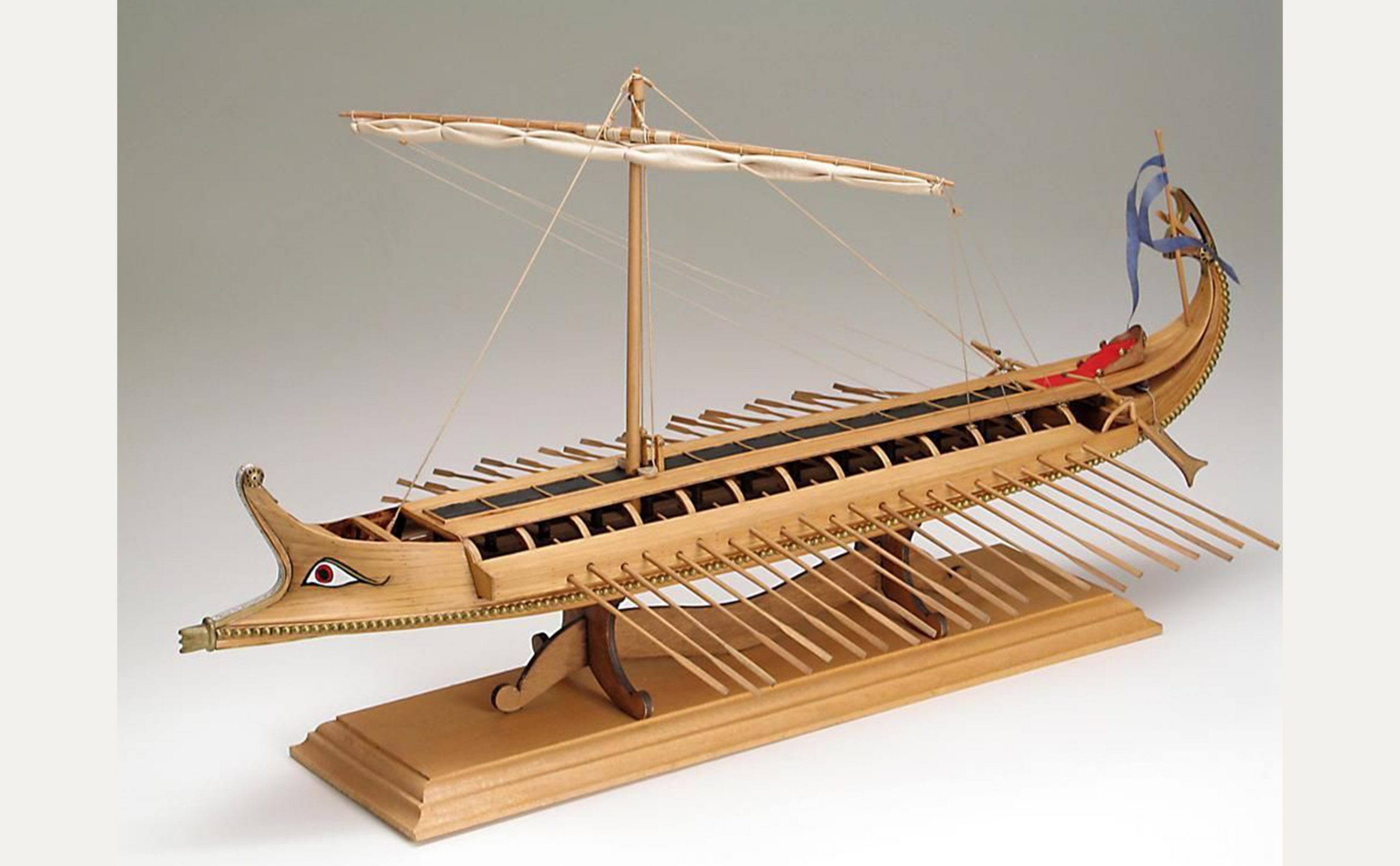
Shipbuilding as Knowledge, Not Craft Alone
\n\n\n\nBuilding a seaworthy vessel in antiquity required more than skill with wood. It demanded an understanding of waves, wind, weight, and balance. Early Cypriot shipbuilding drew on local forests for timber and plant fibres for rope, while resin and pitch were used to seal hulls against water.
\n\n\n\nVessels were typically constructed using shell-first techniques, where planks were joined edge to edge before internal supports were added. This method created hulls that flexed with the sea rather than fighting it, a crucial advantage in Mediterranean conditions.
\n\n\n\nCypriot ships were not specialised for a single task. Most were adaptable, capable of fishing, transporting goods, and making longer trading journeys when needed. This flexibility reflects an island society that relied on the sea in multiple, overlapping ways.
\n\n\n\n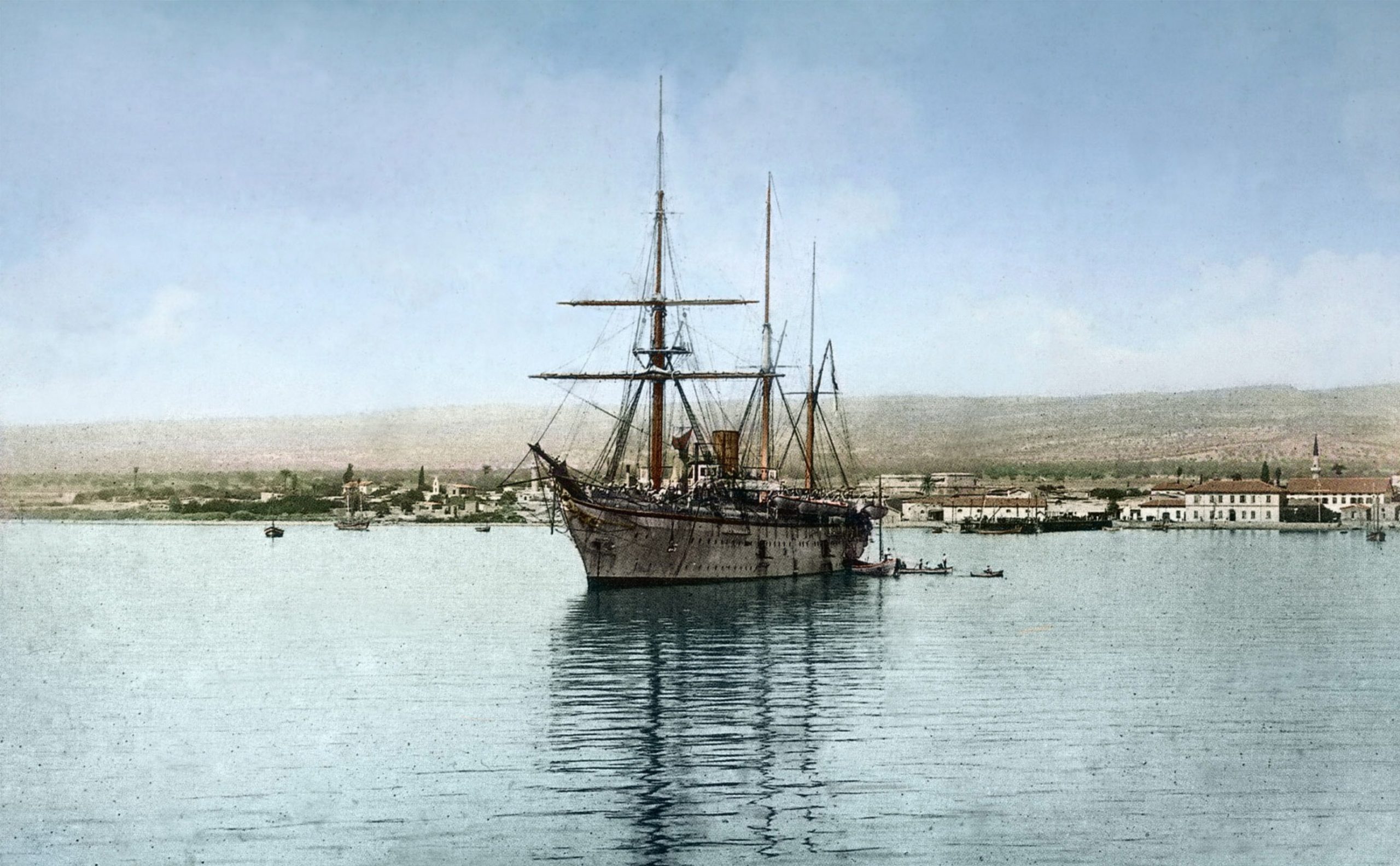
When Sailing Became a System
\n\n\n\nBy the Bronze Age, Cyprus was fully integrated into regional maritime networks. Ships carried copper, timber, pottery, oil, and wine across the eastern Mediterranean, linking the island with Egypt, the Levant, Anatolia, and the Aegean.
\n\n\n\nThese voyages were not rare or ceremonial. They were frequent, organised, and economically essential. Coastal settlements grew around natural harbours, gradually developing into major urban centres shaped by maritime traffic.
\n\n\n\nSeafaring also carried risk. Storms, poor visibility, and limited navigation tools made every journey uncertain. Yet routes became familiar, seasonal patterns were learned, and maritime travel shifted from dangerous necessity to accepted routine.
\n\n\n\nWhat the Sea Meant Beyond Trade
\n\n\n\nShips were not only tools of survival; they carried cultural meaning. Boat imagery appears in Cypriot art, burial goods, and ritual objects, suggesting that seafaring held symbolic as well as practical importance.
\n\n\n\nSmall boat-shaped pendants carved from stone during the Chalcolithic period hint at spiritual associations with the sea. Clay ship models placed in tombs suggest that vessels were linked to identity, protection, or transition rather than commerce alone.
\n\n\n\nEven mythology reflects this connection. Stories tied to the sea, including the birth of Aphrodite from sea foam near the Cypriot coast, reinforce the idea of water as a source of life, transformation, and continuity.
\n\n\n\nEvidence That Brings Ancient Sailing to Life
\n\n\n\nSome discoveries offer unusually intimate glimpses into early maritime life. The Kyrenia shipwreck, dating to the 4th century BCE, carried hundreds of amphorae filled with wine and thousands of almonds packed in jars. Preserved by the sea itself, the cargo reveals how ordinary, organised, and carefully planned ancient voyages had become.
\n\n\n\nElsewhere, clusters of ship models found in burial contexts show that vessels were familiar objects, not abstract symbols. They were part of everyday imagination — known, trusted, and respected.
\n\n\n\n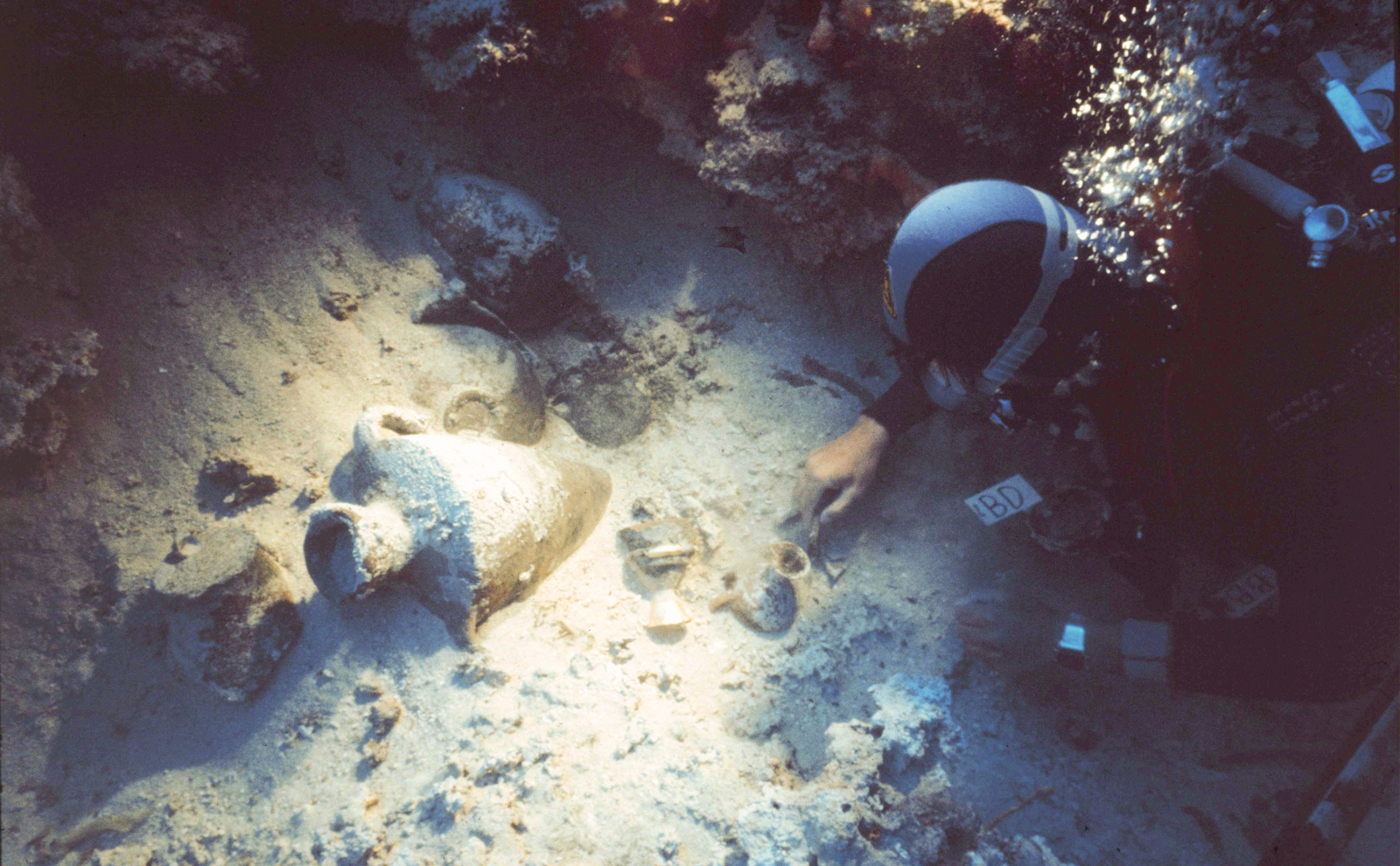
A Tradition That Never Disappeared
\n\n\n\nEarly seafaring did not fade with antiquity. Modern Cypriot ports often sit where ancient harbours once operated, continuing patterns established thousands of years earlier. Fishing practices, coastal settlement, and maritime skills all reflect long continuity rather than reinvention.
\n\n\n\nToday, Cyprus remains a major maritime nation, managing fleets that operate across global oceans. While the scale has changed, the underlying logic has not. Cyprus still relies on the sea as a connector, not a barrier.
\n\n\n\n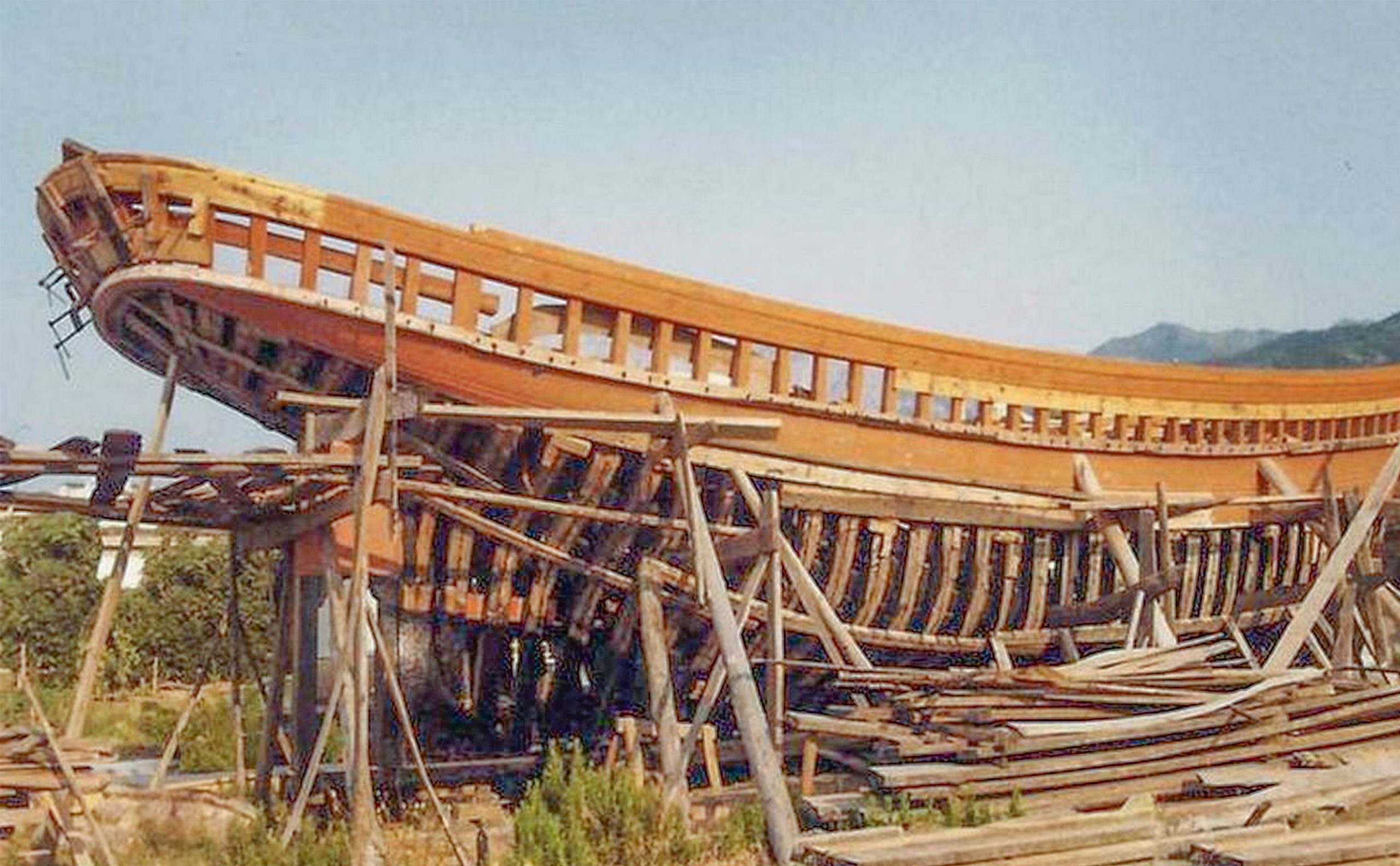
Why Early Seafaring Explains Cyprus Itself
\n\n\n\nEarly seafaring and shipbuilding explain how Cyprus overcame isolation and turned exposure into strength. Boats allowed the island to participate, adapt, and endure, linking it to wider worlds without losing its own identity.
\n\n\n\nThrough timber, sails, and open water, Cyprus learned early what it still understands today: survival on an island depends not on retreat, but on movement. The sea made Cyprus visible, relevant, and resilient — and it continues to do so, one horizon at a time.
\n