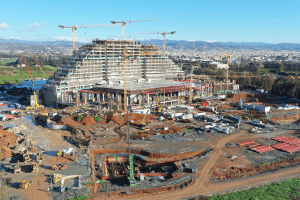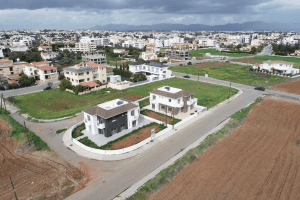
In recent year, the median price for an apartment in Cyprus is 469,983 euros, with a median price per square meter of 3,962 euros. In contrast, the median price for a house or villa is 835,000 euros, with a median price per square meter of 3,750 euros. The Cyprus property market closed 2025 with positive results, confirming its strong growth momentum despite global economic uncertainties.
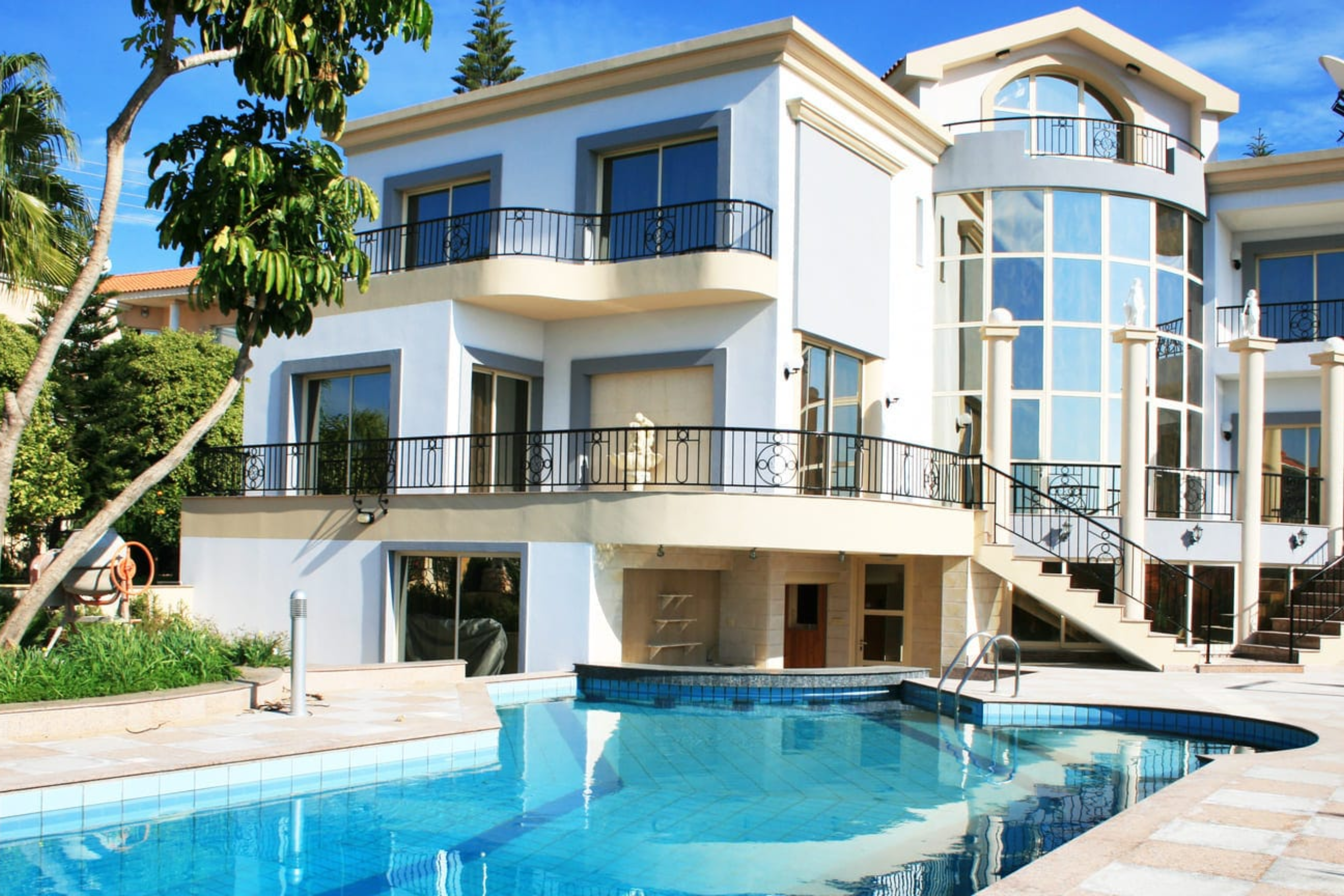
Real estate in Cyprus has transformed from a traditional resort destination into a mature sector attracting both institutional and private investors, driven primarily by the mass relocation of international companies and the formation of a strong IT cluster that created structural shortages of modern housing and office space.
Regional Price Differences Across the Island
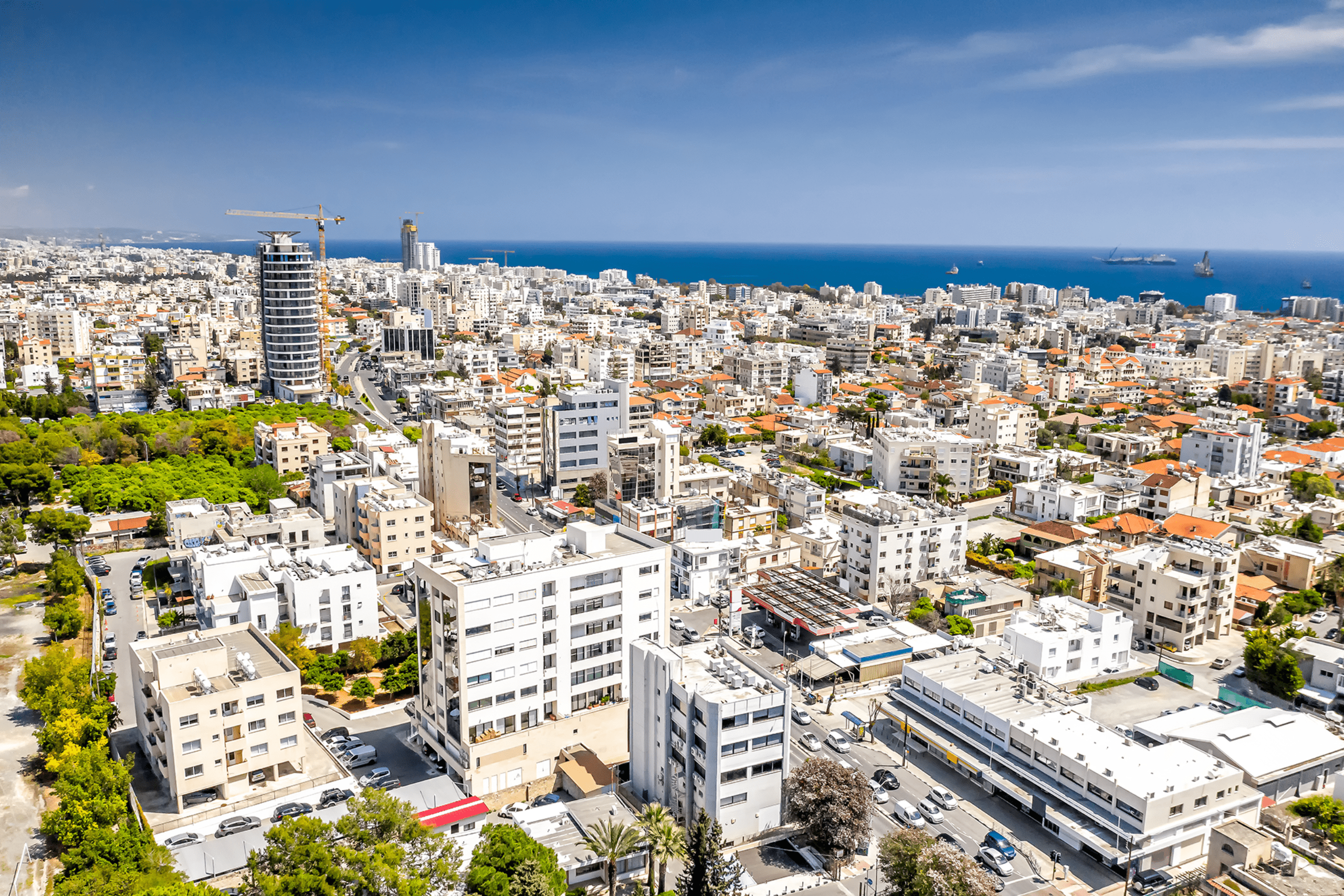
Limassol is the most expensive district in Cyprus, with a median listing home price of 670,000 euros. The city retains its status as the most prestigious location, where prices per square meter in premium seafront developments have stabilized at high levels. In central Limassol, a one-bedroom property is offered for rent for an average of 1,338 euros per month, while a three-bedroom property rents for 2,350 euros.
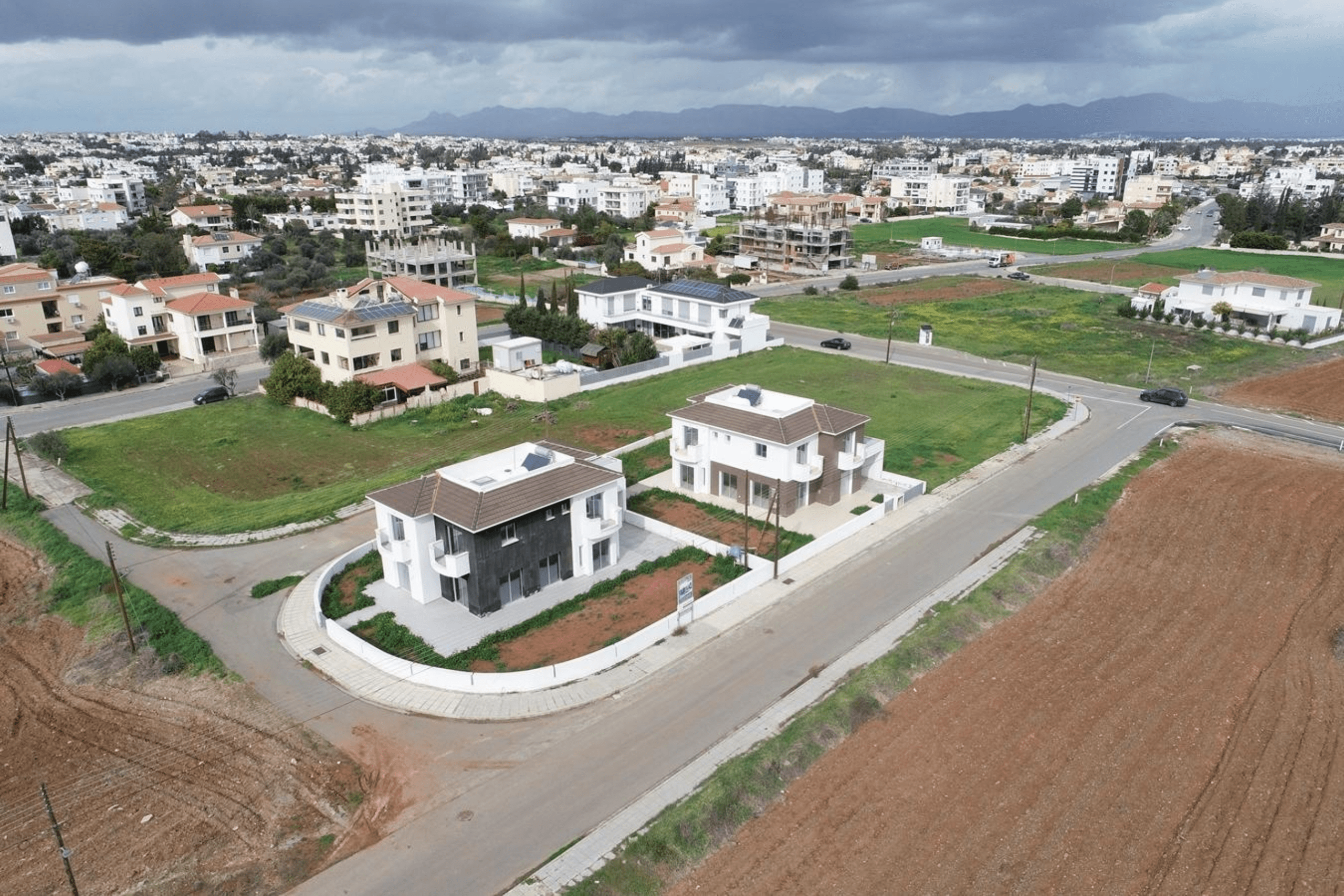
Paphos ranks second with a median listing home price of 613,000 euros. The city has strengthened its position in the luxury villa and eco-friendly housing segment. Price growth there is more moderate but stable, fueled by demand from affluent European retirees and families seeking privacy and natural surroundings.
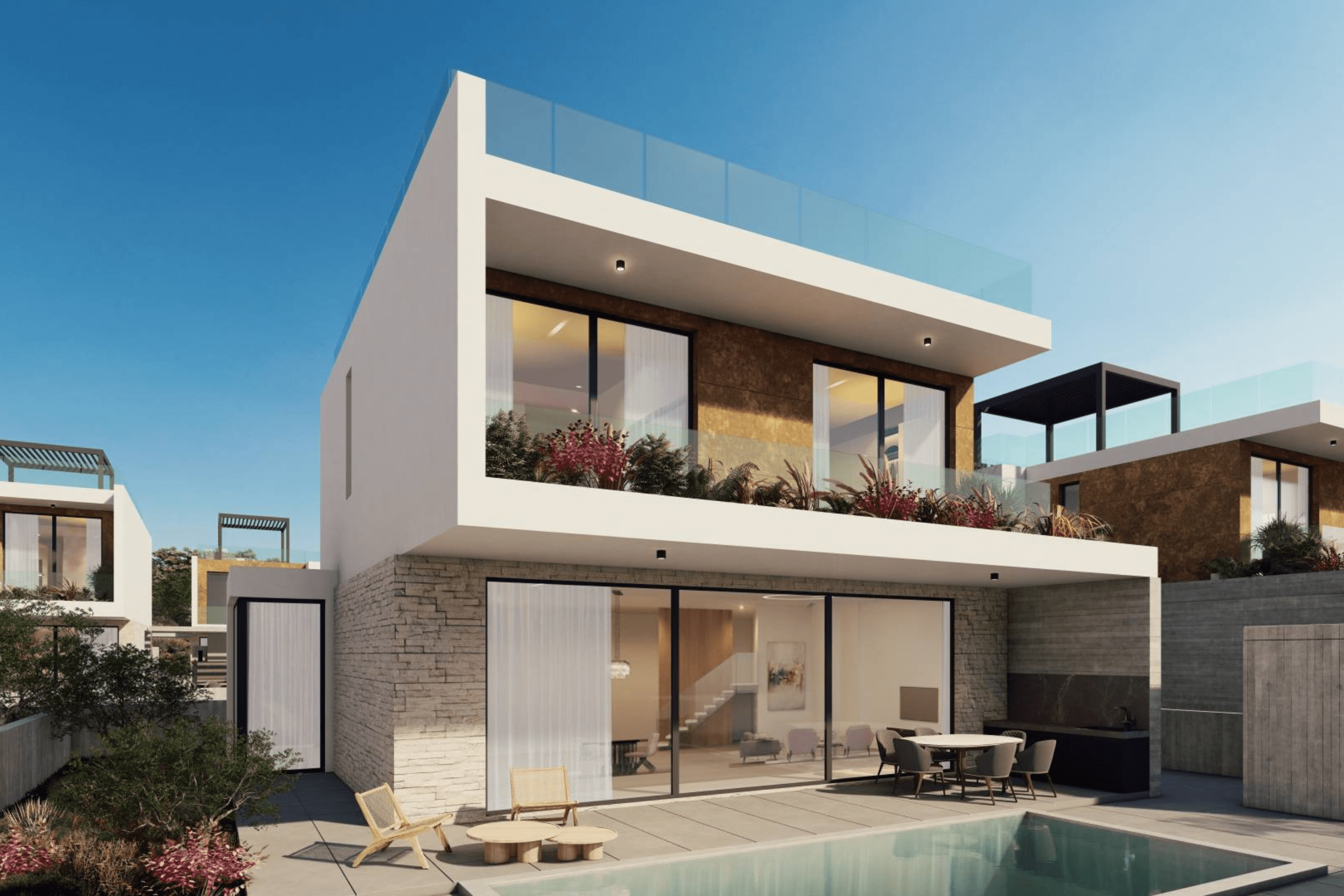
Larnaca has emerged as the fastest-growing region over the past two years, with a median listing home price of 330,000 euros. Supported by large-scale redevelopment plans for the port and marina areas, Larnaca recorded the highest percentage growth in property values over the past 12 months. Investors who entered selected projects two years ago are now seeing capital appreciation in the range of 20 to 25 percent. Average rents stand at 575 euros for one-bedroom, 738 euros for two-bedroom, and 900 euros for three-bedroom flats.
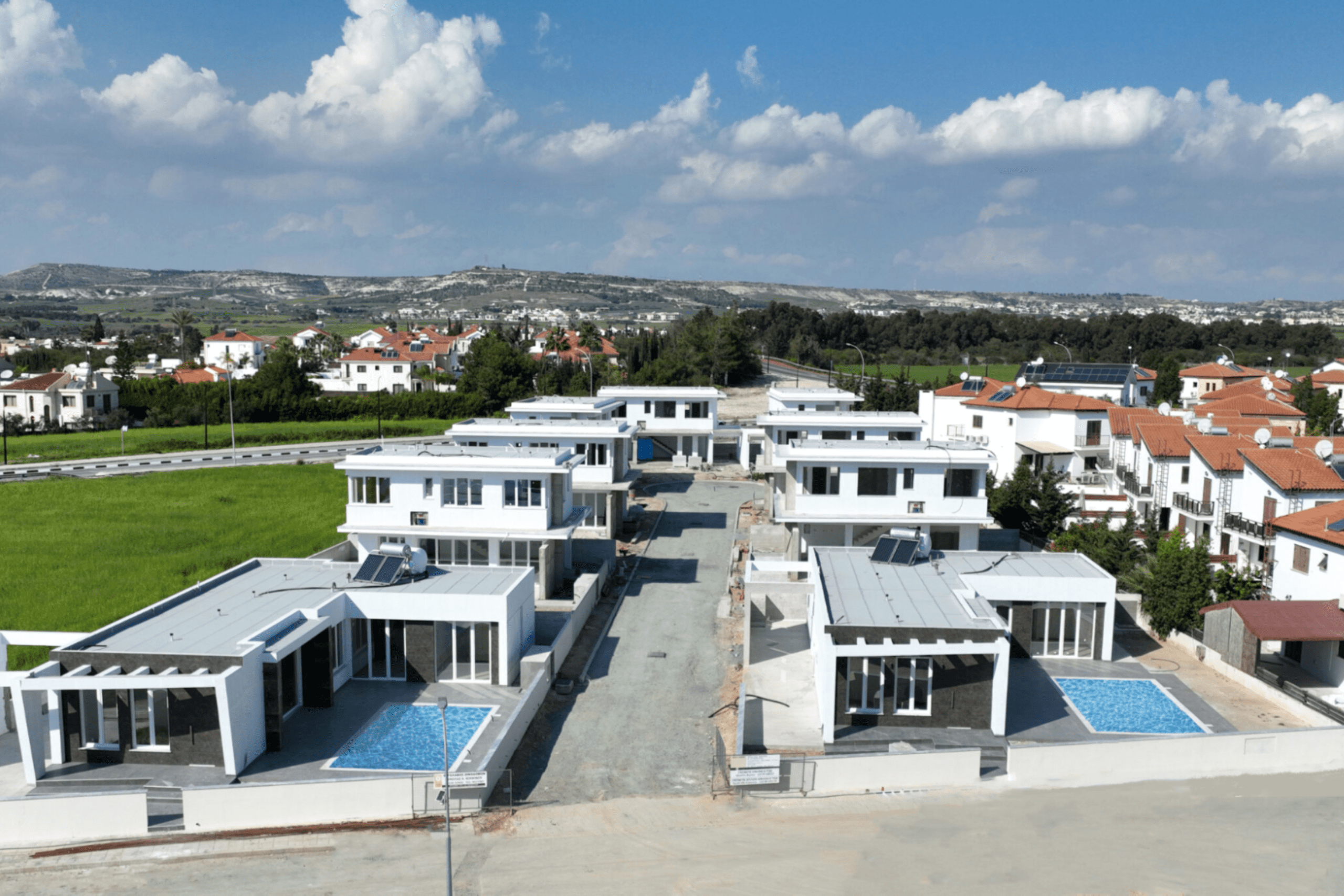
Nicosia claims the title of the most affordable area, with a median listing home price of 300,000 euros. The capital remains a market for domestic consumption and long-term investment, demonstrating minimal volatility and consistently high rental occupancy rates thanks to the government and educational sectors. One-bedroom flats rent for around 600 euros per month, two-bedroom options average 875 euros, and three-bedroom units go for about 1,000 euros.
Rental Market Dynamics and Yields
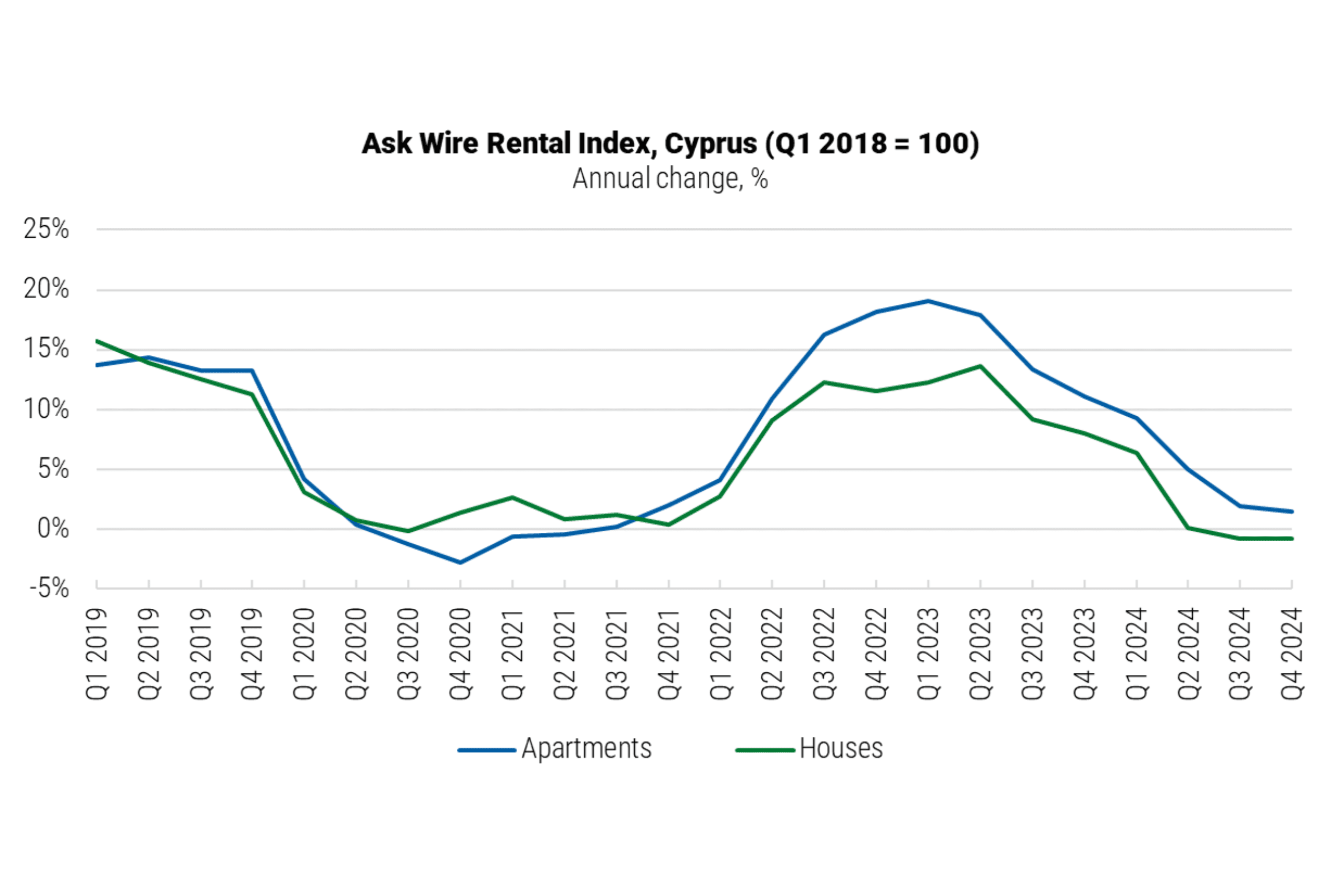
In 2024, Cyprus’s rental market saw significant growth, with apartment rents increasing by 10.57 percent and house rents by 9.55 percent. Growing rental rates range from apartments at 900 to 1,800 euros per month to villas at 2,000 to 5,000 euros per month, creating rental yields up to 10 percent annually in certain locations.
The overall rental yield in Cyprus averages 5.42 percent for apartments, 2.97 percent for houses, and 5.59 percent for offices. Cyprus rental yields for apartments sit notably higher than the 3 to 4 percent typical in Greece or Portugal, making the island attractive for buy-to-let investors. The effective vacancy rate for rentals is estimated at around 4 percent nationwide, varying from about 2 percent in high-demand Limassol seafront areas to around 6 percent in less central parts of Larnaca or Paphos.
Rentals in Cyprus stay listed for an average of 20 to 35 days, though well-priced properties in high-demand areas rent faster. Vacancy rates in Limassol sit around 2 to 4 percent, meaning well-priced units often rent within two to three weeks. This tight market reflects limited supply conditions that developed through 2024 when available listings dropped sharply.
Property Purchase Process for Foreigners
Buying property in Cyprus as a foreigner follows a straightforward process with clear steps. EU nationals may buy real estate in Cyprus including land, apartments, houses, or other property without restrictions. Non-EU foreign buyers need a government permit to acquire real estate in Cyprus, though lawyers typically handle this on the buyer’s behalf.
A Cypriot bank account is required for the transaction process. Buyers can explore properties remotely using databases of more than 200 Cypriot properties from trusted developers. Legal professionals assist with preparing and translating documents, filling out forms, and supervising the purchase and sale agreement. The permanent residency investment threshold of 300,000 euros has remained unchanged since 2021, creating a natural price floor in the new-build market that developers anchor their projects to.
Property Taxes and Ongoing Costs
Cyprus offers a business-friendly tax environment with several incentives for property owners. There is no annual state property tax, abolished in 2017. However, owners do pay local municipal and sewerage fees which vary by area. Municipal fees for house maintenance such as sweeping, outdoor electricity, and repairs range between 55 and 185 euros annually.
For homebuyers, a reduced 5 percent VAT can apply to part of a qualifying primary residence, with any remainder charged at the standard 19 percent VAT. Real estate transaction costs typically include legal fees, transfer fees, and stamp duty. Transfer fees are calculated on a sliding scale based on property value, with rates ranging from 3 to 8 percent of the property value.