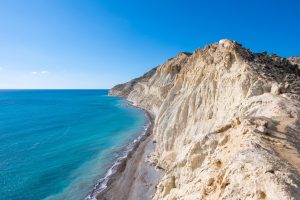
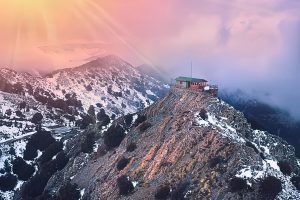
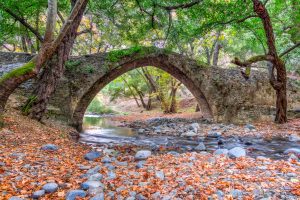
Mount Olympus, also called Chionistra in Greek, represents the highest point on an island better known for beaches than mountains. The peak sits within the Troodos range, a vast expanse of pine forests, rocky slopes, and endemic wildlife that covers roughly a third of Cyprus. Unlike its famous Greek namesake associated with Zeus and the ancient gods, Cyprus’s Olympus tells a different story through geology, nature, and seasonal transformation.
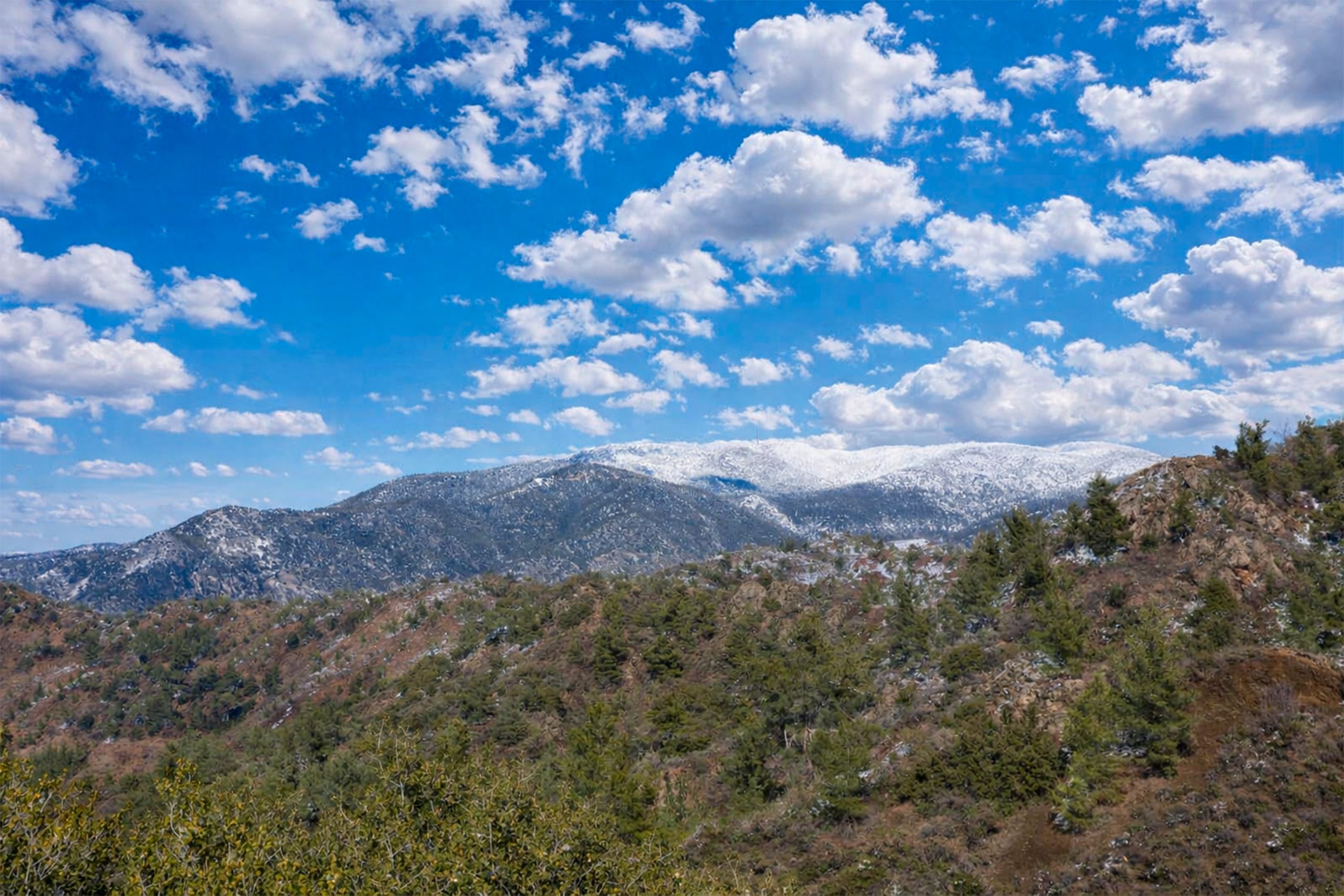
The mountain serves multiple purposes throughout the year. In winter, it becomes the only ski destination in Cyprus. During warmer months, hikers take to trails that wind through black pine forests and offer panoramic views across the entire island. The summit itself houses British and Cypriot radar stations, making the actual peak off limits to visitors, but numerous viewpoints just below provide spectacular perspectives of the surrounding landscape.
Historical Background
Mount Olympus formed approximately 92 million years ago as part of the Troodos Ophiolite Complex, an uplifted fragment of ancient oceanic crust from the prehistoric Tethys Ocean. The mountain’s core consists of ultramafic rock, primarily serpentinized harzburgite, which represents exposed upper mantle from deep beneath an ancient seabed. Tectonic forces pushed this oceanic crust upward through a process called obduction, eventually lifting it above sea level to create the island’s mountain spine.
This geological origin makes Troodos globally significant among scientists who study ophiolites. The rocks here preserve evidence of processes that occurred thousands of metres beneath the ocean floor, now accessible on mountain slopes. The UNESCO Troodos Ophiolite Geopark recognizes this importance, protecting one of the most complete and accessible ophiolite sequences on Earth.
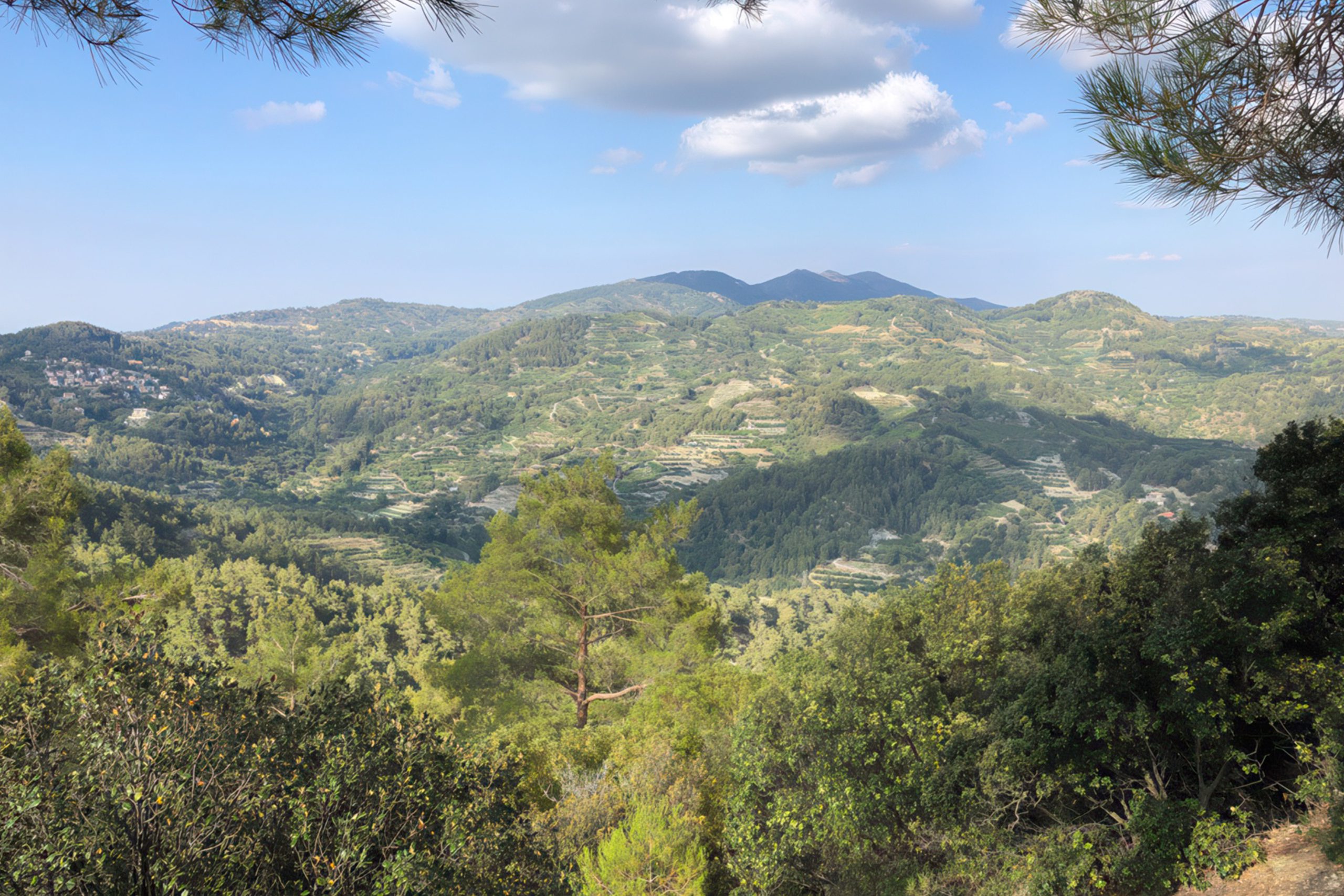
The name Olympus derives from ancient Greek practice. In the classical world, tall mountains across the Mediterranean received this designation, which translates roughly as “mountain of the gods” or “luminous peak.” The name links the site symbolically to divine elevation, though Cyprus’s version lacks the elaborate mythology associated with Greece’s famous Mount Olympus. Instead, ancient references connect the area more closely to Aphrodite, whose cult centred on Cyprus from the Bronze Age onward.
What Makes This Mountain Special
Several features distinguish Mount Olympus from other Mediterranean peaks. The summit area receives substantial winter snowfall, unusual for such a southern latitude. Snow typically covers the upper slopes from mid January through March, creating conditions suitable for skiing on an island where coastal temperatures rarely drop below 10 degrees Celsius.
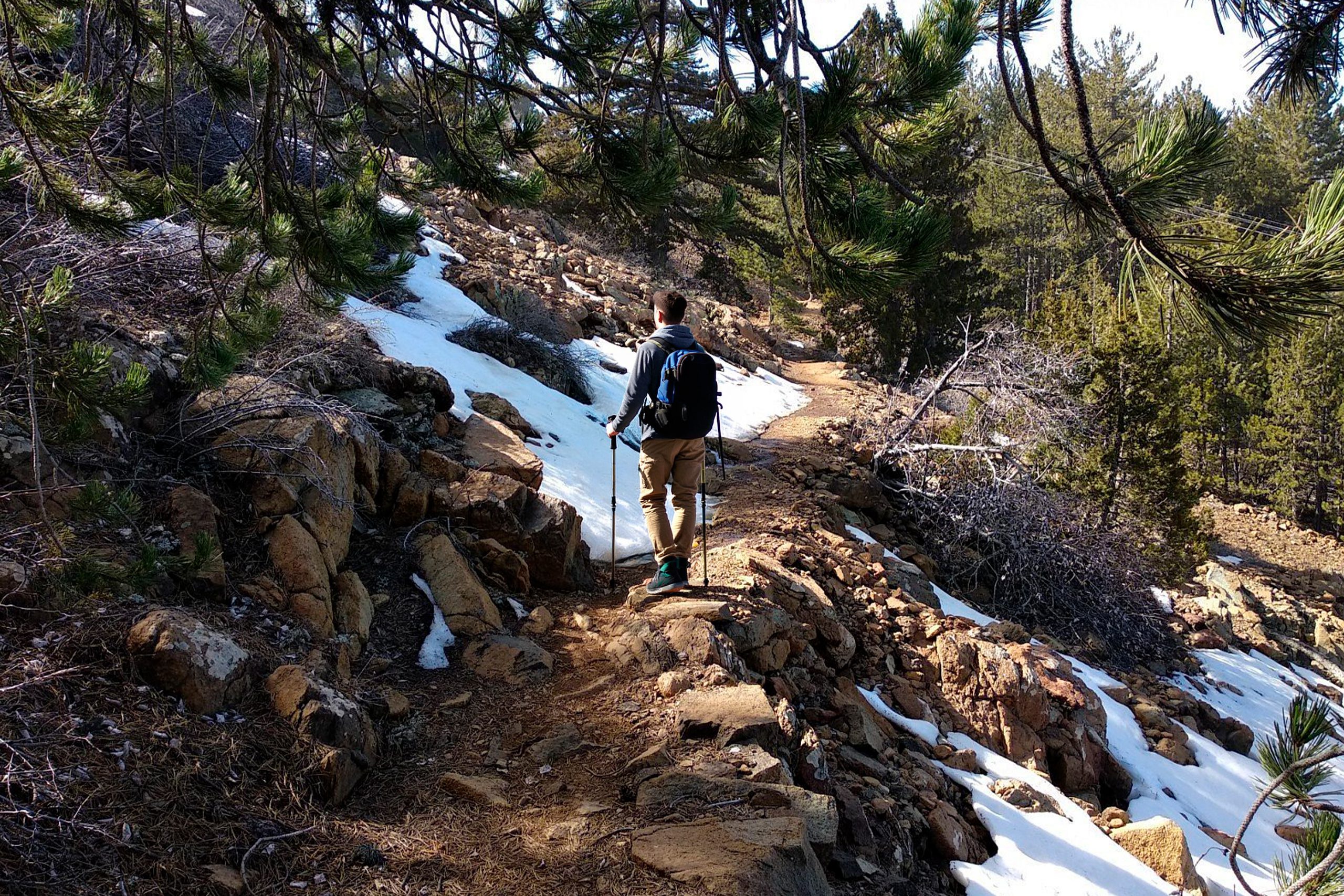
The Artemis Trail circles the peak at approximately 1,850 metres elevation, offering a seven-kilometre route through century-old black pine stands. This circular path requires two to three hours to complete and provides access to the mountain’s diverse ecosystem without technical climbing. Hikers encounter endemic flora including Troodos pine, golden oak, and Cyprus cedar, plus seasonal wildflowers like crocuses, orchids, and tulips that bloom as snow melts.
Wildlife includes the Cyprus mouflon, a wild sheep subspecies found nowhere else on Earth. These animals, with their distinctive curved horns and reddish-brown coats, represent the island’s national animal and largest wild mammal. Conservation efforts brought mouflon populations back from near extinction in the mid 20th century. Current estimates place over 3,000 individuals in the Troodos and Paphos forests, though spotting these shy creatures requires patience and luck.
Bird diversity reflects Cyprus’s position along major migration routes between Europe, Asia, and Africa. Two endemic species breed exclusively on the island: the Cyprus warbler and Cyprus wheatear. The Cyprus scops owl, recently recognized as a distinct species, inhabits forested areas with its secretive nocturnal presence. Larger raptors include Bonelli’s eagle and griffon vultures, which patrol the skies above rocky outcrops and pine forests.
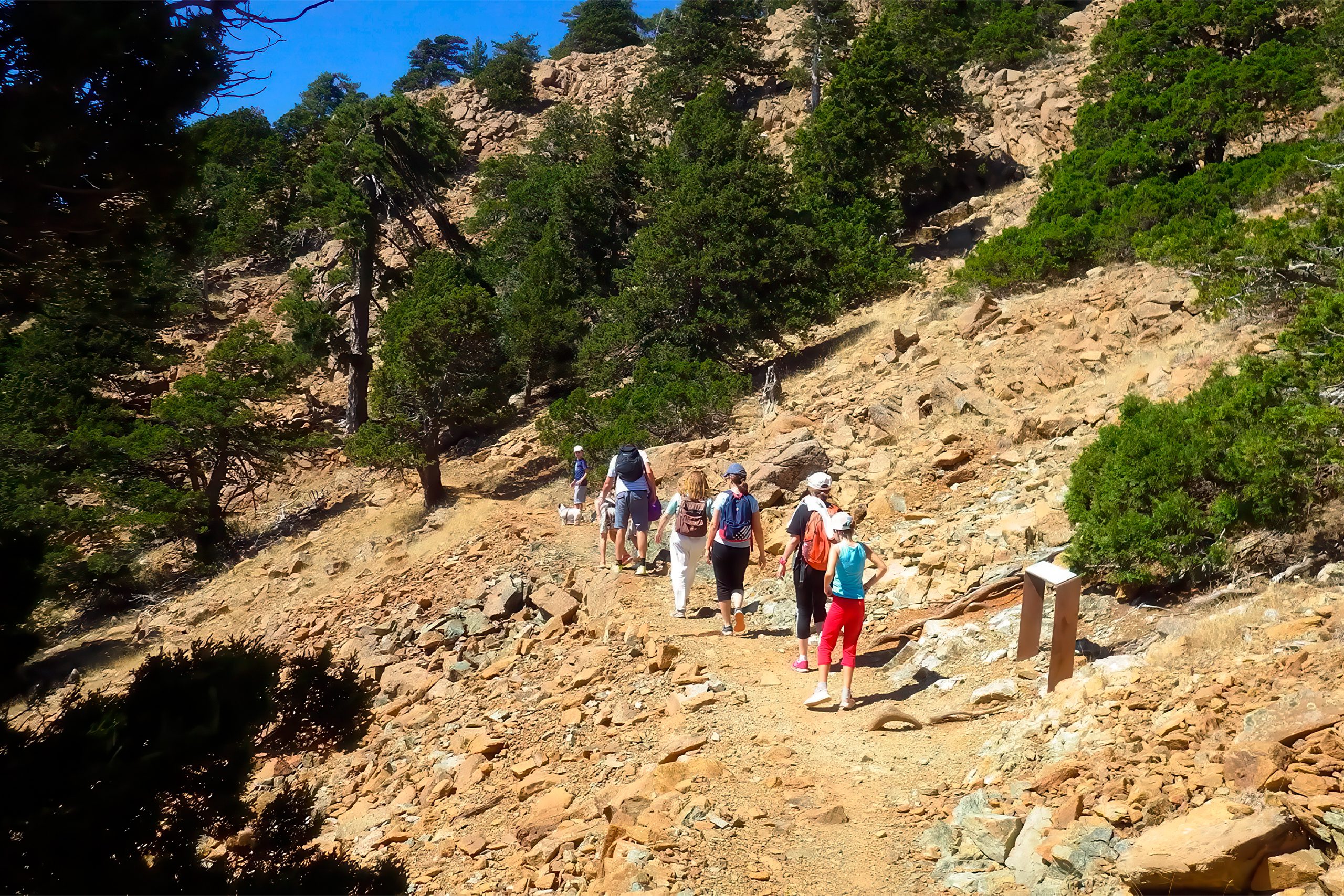
The Troodos range supports approximately 750 plant species, with nearly 70 endemic varieties. This botanical richness earned the mountains recognition as one of Europe’s most important plant habitats. Elevations ranging from sea level to nearly 2,000 metres create microclimates that support different communities, from Mediterranean scrub at lower levels to alpine conditions near the summit.
Interesting Facts About the Peak
The summit hosts RAF Troodos, a British signals intelligence station established in 1878 when Britain acquired Cyprus from the Ottoman Empire. The facility initially served as a hill station and field hospital providing relief from lowland heat for troops. It evolved into a radar and communications complex featuring the distinctive geodesic dome visible from much of western Cyprus. The installation remains operational, monitoring regional activities including conflicts in the Middle East.
A peculiar local belief holds that Leonardo da Vinci visited Cyprus in 1481 during travels through the Mediterranean. While no historical evidence confirms this visit, the story persists in village traditions around the mountain. The region’s medieval history includes Venetian fortifications from the 16th century, with remnants of defensive walls visible along some trails.
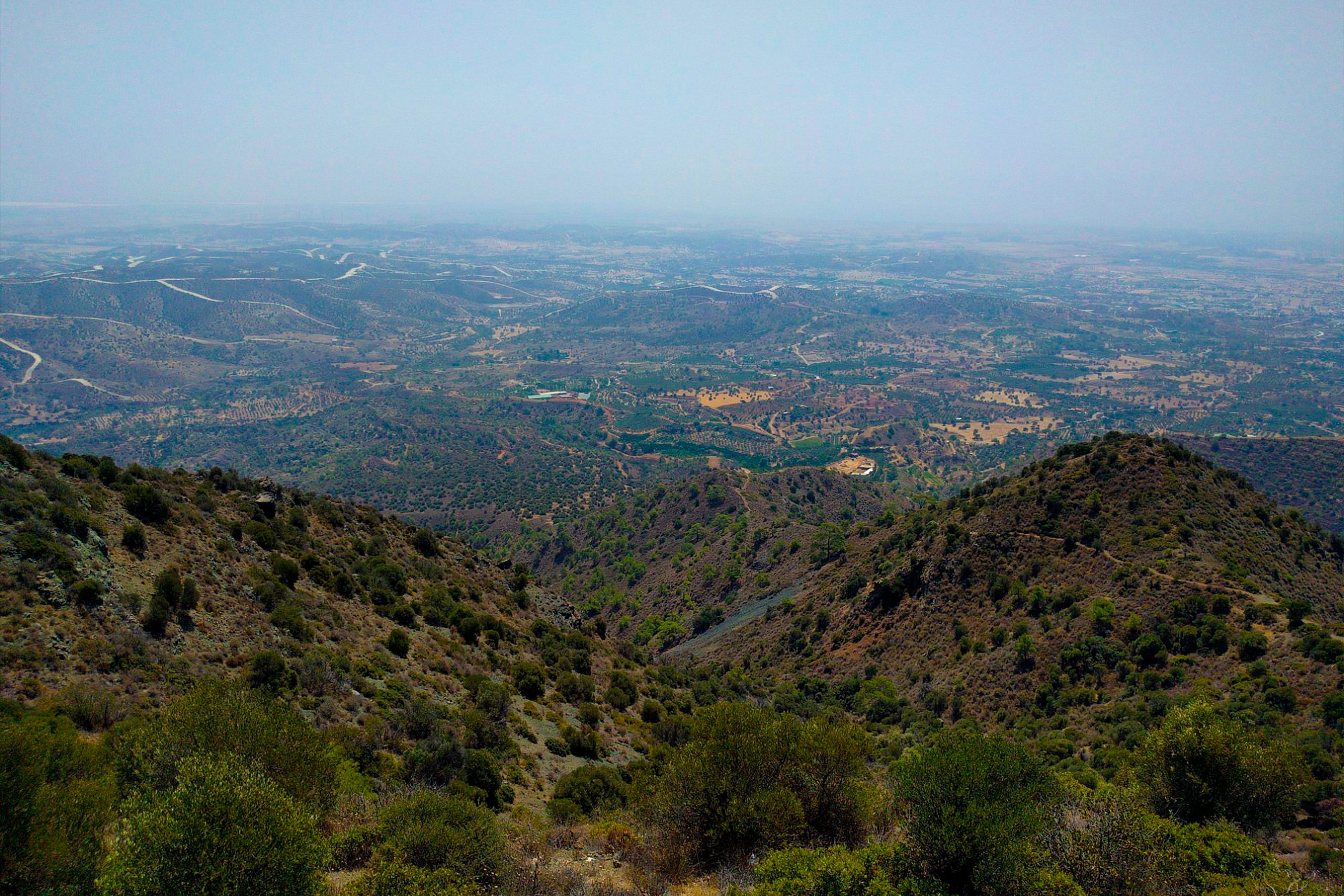
The mountain receives approximately 1,000 millimetres of annual rainfall, significantly higher than coastal areas that average 300 to 400 millimetres. This moisture supports the dense forest cover and year-round streams, rare features on an otherwise arid island. The contrast between the green, cool mountains and the dry coastal plains shapes Cyprus’s climate patterns and water resources.
Black pine specimens along the Artemis Trail include trees estimated at 500 years old. These veterans survived centuries of human activity including charcoal production, timber harvesting, and occasional forest fires. Their twisted trunks and spreading canopies demonstrate adaptations to high elevation conditions including strong winds, temperature extremes, and seasonal drought.
Understanding the Mountain’s Role Today
Mount Olympus functions as Cyprus’s primary wilderness area, protected within Troodos National Forest Park’s 9,337 hectares. The park preserves ecosystems that disappeared from much of the Mediterranean due to development, agriculture, and tourism. Conservation programs focus on endemic species protection, habitat restoration, and sustainable tourism management.
The mountain influences local climate by attracting moisture from passing weather systems. Orographic lifting forces air masses upward as they encounter the massif, cooling them and triggering precipitation. This effect creates the island’s only substantial freshwater sources, with streams flowing from mountain springs feeding agricultural areas and population centres at lower elevations.
Cultural significance extends beyond nature. The Troodos region houses nine Byzantine churches and one monastery inscribed on UNESCO’s World Heritage List for their exceptional frescoes and architecture. These painted churches, built between the 11th and 16th centuries, preserve religious art traditions developed when Cyprus served as a refuge for Orthodox Christianity during periods of political instability.
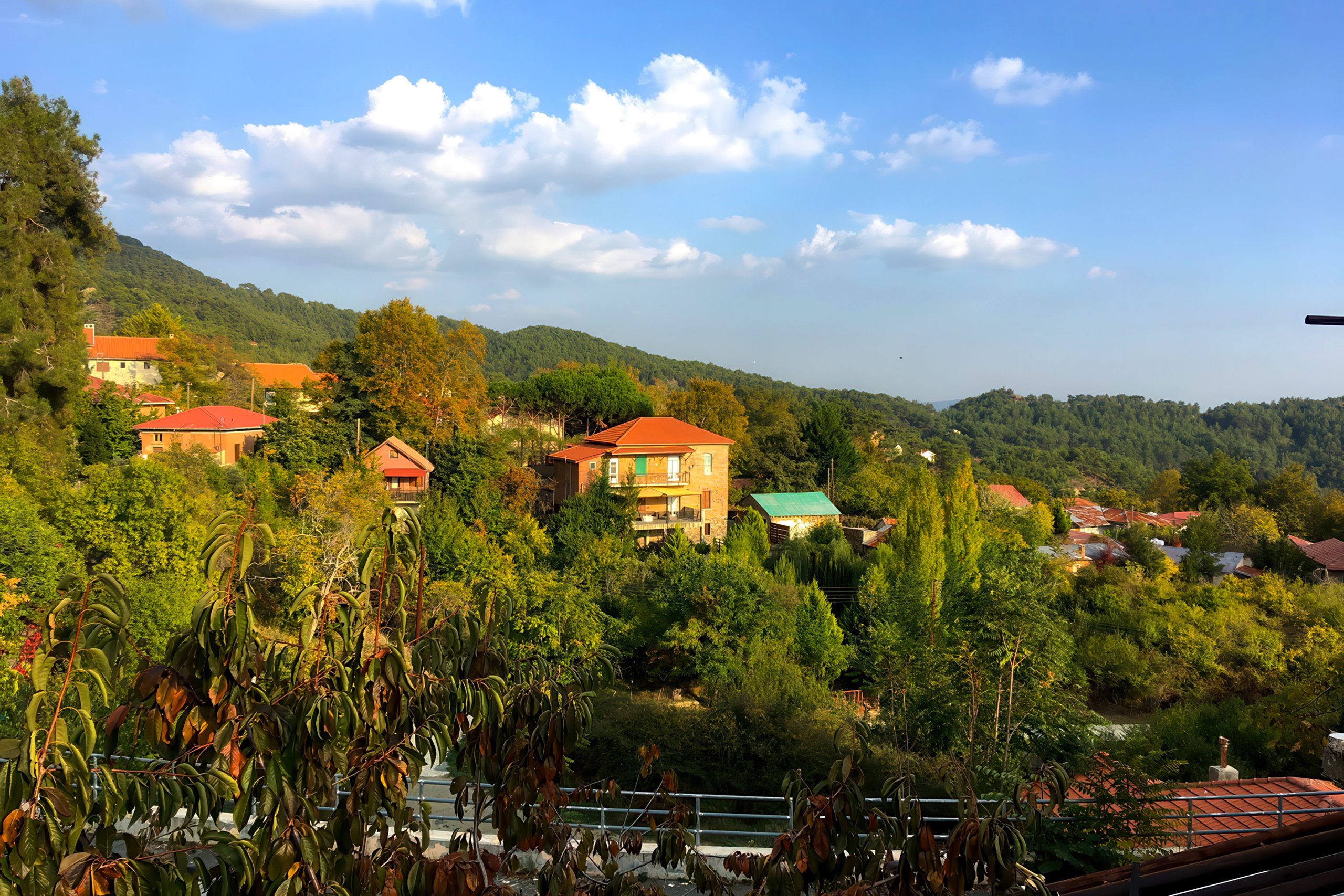
Villages clinging to mountain slopes maintain traditional architecture and customs shaped by altitude and isolation. Communities like Platres, Kakopetria, and Troodos village developed economies based on summer tourism, winter sports, and agricultural specialities including cherries, apples, and wine grapes. The cooler climate allowed cultivation of crops impossible in coastal zones.
Why This Mountain Matters to Cyprus
Mount Olympus represents more than geological curiosity or recreational opportunity. The mountain embodies Cyprus’s ecological diversity within a landscape often perceived as purely Mediterranean coastal. The forests, wildlife, and seasonal snow demonstrate that small islands can contain dramatic environmental variation within compact areas.
The peak serves as a water tower for the island, capturing precipitation that sustains agriculture and urban populations. Without the Troodos range’s moisture-gathering effect, Cyprus would struggle even more with water scarcity that already challenges development and quality of life.
Conservation success stories like the mouflon recovery show that targeted protection efforts can reverse species decline. The mountain provides refugia where endemic plants and animals persist despite pressures affecting lowland areas. This preservation function becomes increasingly critical as climate change and development stress Mediterranean ecosystems.
For visitors seeking authentic Cyprus beyond tourist beaches, Mount Olympus offers perspectives unavailable elsewhere. The cooler air, older villages, Byzantine art, and wilderness experiences contrast sharply with coastal resorts. Understanding the island requires experiencing both faces, the ancient mountain core and the developed shoreline that attracts most international attention.