Imagine a creature that looks like a miniature dragon, basking on sun-warmed rocks with starry patterns twinkling on its back. This is the kourkoutas, Cyprus’ very own rock agama a nimble lizard that’s as much a part of the island’s rugged landscapes as olive trees and ancient ruins. But what makes this endemic resident so special, and why does it deserve a spotlight in Cyprus’ wildlife tales?
Getting to Know the Starred Survivor
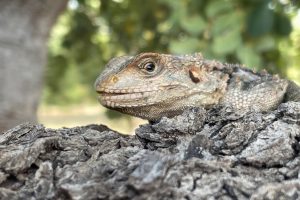
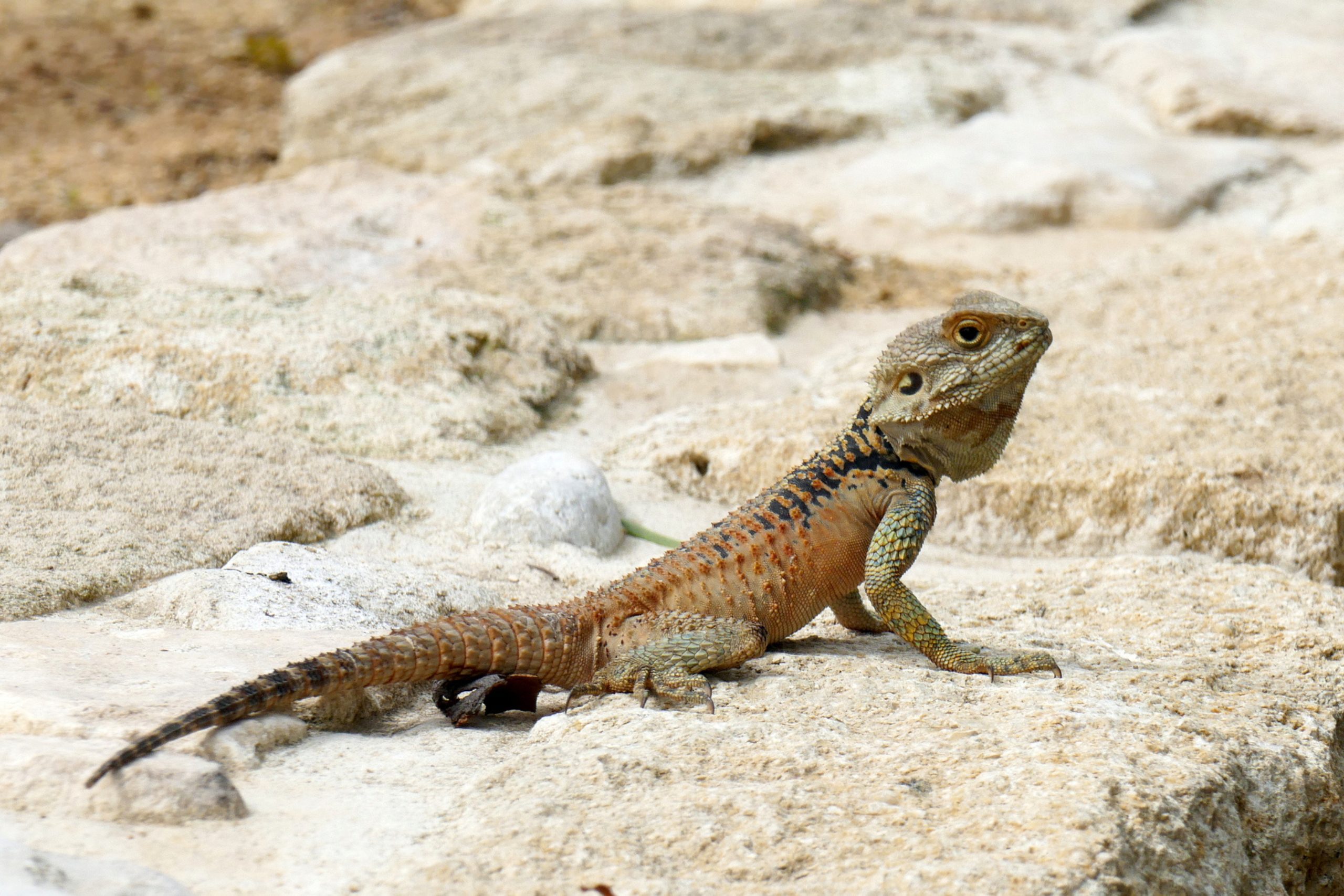
The kourkoutas, or Cyprus rock agama, is a biggest of lizards in Cyprus that’s perfectly adapted to island life. It’s not a giant though – growing up to about 35 centimeters from nose to tail tip – but it’s a tough little explorer of Cyprus’ diverse terrains. Think of it as a scaled sun-lover that’s at home anywhere from sandy beaches to mountain peaks, always ready to dart away from curious eyes.
A Journey from Ancient Lands
The kourkoutas belongs to the agama family, a group of lizards with roots stretching back to ancient times across Asia, Africa, and Europe. Its scientific name, Stellagama stellio cypriaca (or more correctly Laudakia cypriaca), highlights its starry appearance and Cypriot origins. Fossil records and genetic studies suggest its ancestors arrived on Cyprus during the late Pleistocene, evolving in isolation to become a unique subspecies. Unlike its mainland cousins in Turkey and Greece, which share similar thorny skins but differ in subtle scale patterns and colors, the Cypriot version adapted to the island’s dry, rocky world – perhaps hitching a ride on drifting vegetation during geological upheavals like the Messinian Salinity Crisis millions of years ago.
Thorny Armor and Starry Charm
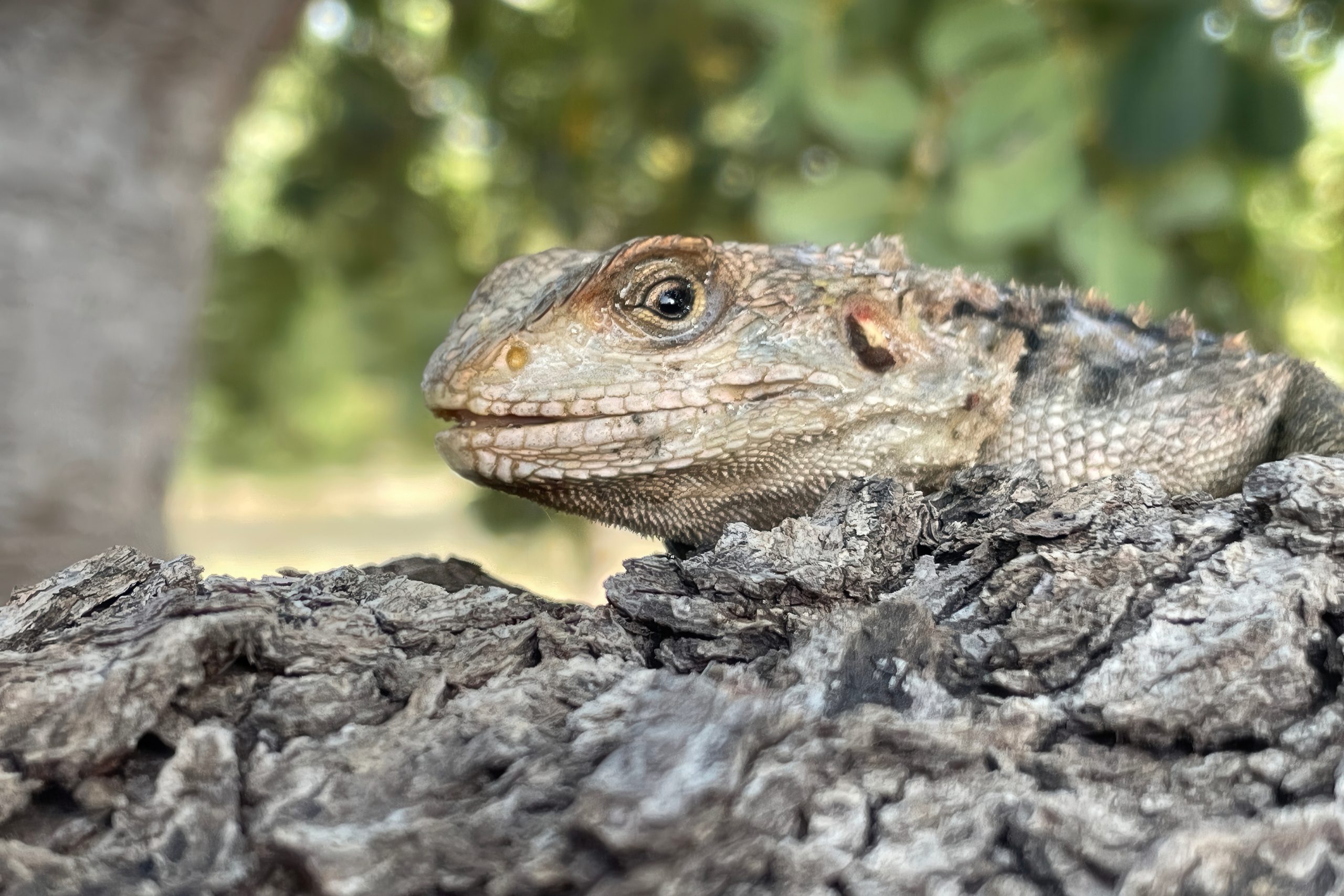
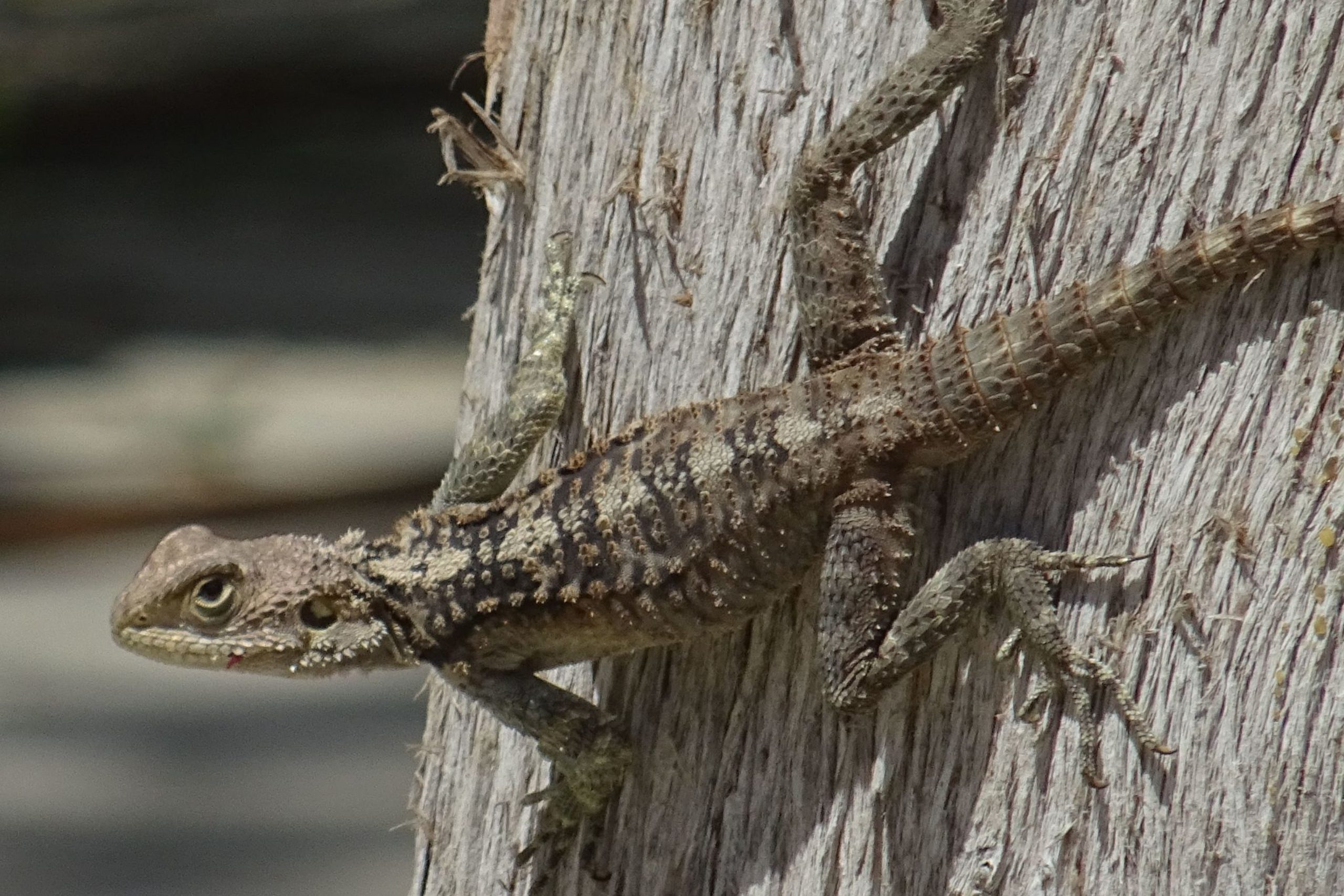
What sets the kourkoutas apart is its rugged look: a flattened, triangular head, spiny scales like tiny thorns along its back and sides, and a tail that’s often shorter than its body. Its dark gray back is dotted with yellowish-black spots and those signature ochre-white star shapes along the spine – earning it the “starred agama” nickname. The belly is a pale, creamy white, and males can flash brighter colors during mating season. It’s built for agility, with strong limbs for climbing and a body that can inflate to wedge into cracks for safety. In broader lizard taxonomy, it’s part of the Agamidae family, kin to bearded dragons and sailfin lizards, but this Cypriot gem has slimmed down for island survival.
Quirky Habits That’ll Make You Smile
• Did you know the kourkoutas can change color based on its mood, like a living mood ring? Stressed ones go darker, while relaxed sunbathers lighten up.
• Males perform dramatic head-bobs – up and down like a rock concert nod – to woo females or scare rivals, a behavior captured in studies using accelerometers.
• And here’s a wild one: if grabbed by the tail, it can drop it like a detachable decoy, regrowing a stubbier version later.
• In folklore, some Cypriots once thought it venomous, but it’s totally harmless – more scared of you than you are of it!
• In winter, these sun-lovers enter a hibernation-like state called brumation, hunkering down in crevices to conserve energy during cooler months – a clever trick to survive Cyprus’ mild but chilly winters.
Deeper Dives into Lizard Life
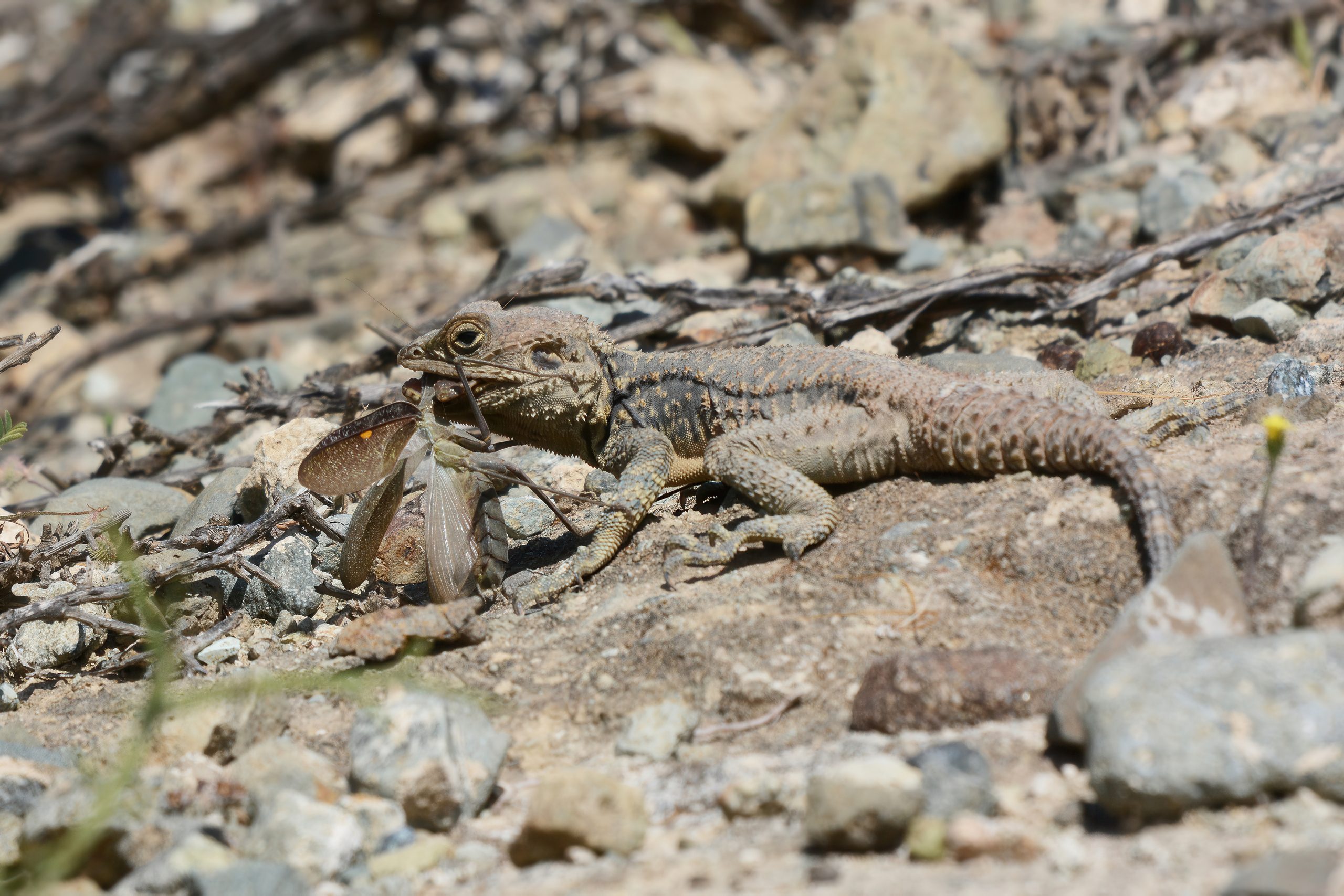
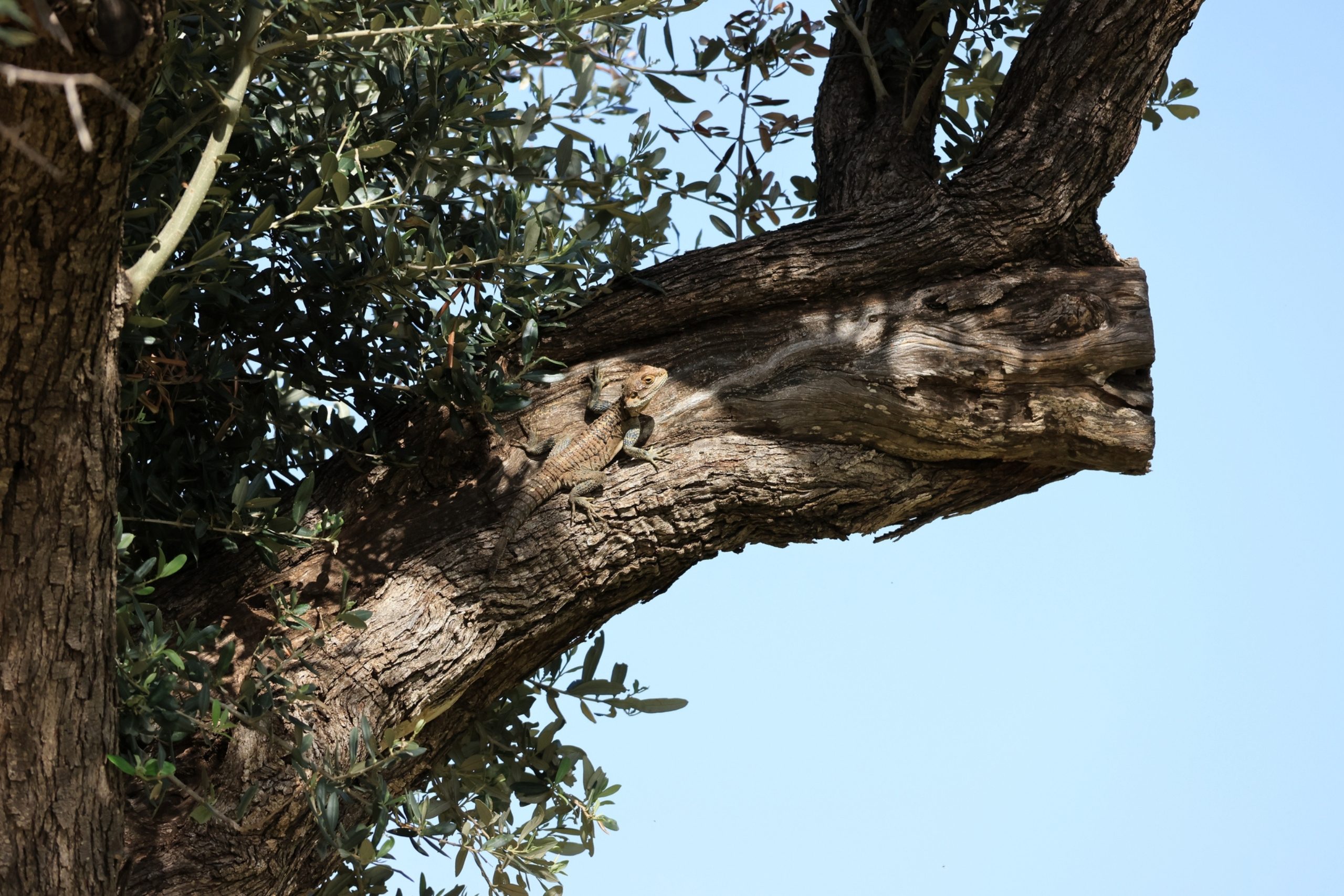
Zooming into its biology, the kourkoutas is a diurnal insectivore, munching on snails, caterpillars, beetles, and even small birds or fruits when available. Reproduction kicks off in spring, with females laying 3-10 leathery eggs in rocky crevices twice a year – no parental care needed, as hatchlings fend for themselves right away. Genetically, studies show it’s diverged from Turkish populations, with unique scale arrangements and behaviors like territorial head-banging. Botanically, it thrives amid Cyprus’ endemic plants like the golden oak (Quercus alnifolia) in Troodos forests, helping control insect pests in olive groves and pine woods. Agamas are a perfect tree climbers and could be often spotted on pines, olives and carob trees.
Still Scaling Cyprus’ Modern World
Today, the kourkoutas weaves into Cypriot culture as a symbol of resilience – protected under EU laws and the Bern Convention, it’s a reminder of the island’s unique biodiversity. In rural areas, it aids farmers by eating crop pests, fitting into modern eco-tourism and conservation efforts like Natura 2000 sites. Climate change and habitat loss from development pose risks, but its wide range keeps it common, embodying Cyprus’ blend of ancient heritage and vibrant nature.
Spotting the Star in the Wild
Head to rocky spots like the Akamas Peninsula, Troodos trails, Paphos Zoo or even village walls for a glimpse early mornings or late afternoons are best when they’re basking. The experience? A thrilling mix of hide-and-seek with a prehistoric vibe, feeling the sun’s warmth on stones as you watch their quick dashes. Always observe quietly; they’re shy climbers who vanish into crevices at the slightest noise.
Why This Lizard Lights Up Cyprus’ Story
In a world of vanishing wildlife, the kourkoutas shines as Cyprus’ homegrown hero – a starry survivor linking ancient geology to today’s ecosystems. Knowing it fosters appreciation for the island’s endemic treasures, urging us to protect these thorny gems for future generations. After all, in Cyprus’ mosaic of mountains and seas, every scale tells a tale of adaptation and wonder.