Whispers from the Sunlit Slopes

4 minutes read 4 views See on map

Imagine strolling across a rocky hillside in Cyprus under a clear blue sky, where a shrubby plant releases a warm, woody aroma that hints at ancient potions and savory island dishes. This is sage, a resilient herb that dots the wild landscapes of Cyprus, offering simple wisdom from nature’s own apothecary to those who pause to notice.
www.inaturalist.org

A Fragrant Shrub in the Mint Family

Sage belongs to the genus Salvia in the vast mint family (Lamiaceae), a group of plants known for their square stems and aromatic leaves rich in essential oils. In Cyprus, several wild species grace the landscape, thriving in dry, rocky slopes and maquis vegetation from sea level to the high Troodos peaks.

Echoes of Ancient Healers

The name Salvia comes from the Latin “salvare” – to save or heal – reflecting its long history as a medicinal plant. In Cyprus, sage has been gathered since prehistoric times. Ancient Greek physicians like Dioscorides praised its wound-healing powers, while it was used in rituals for protection and purification. Over centuries, it became deeply rooted in island folklore as a symbol of longevity and wisdom.
www.inaturalist.org

Woolly Leaves and Starry Blooms

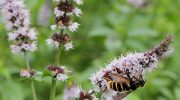
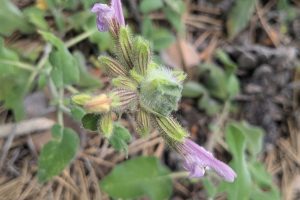
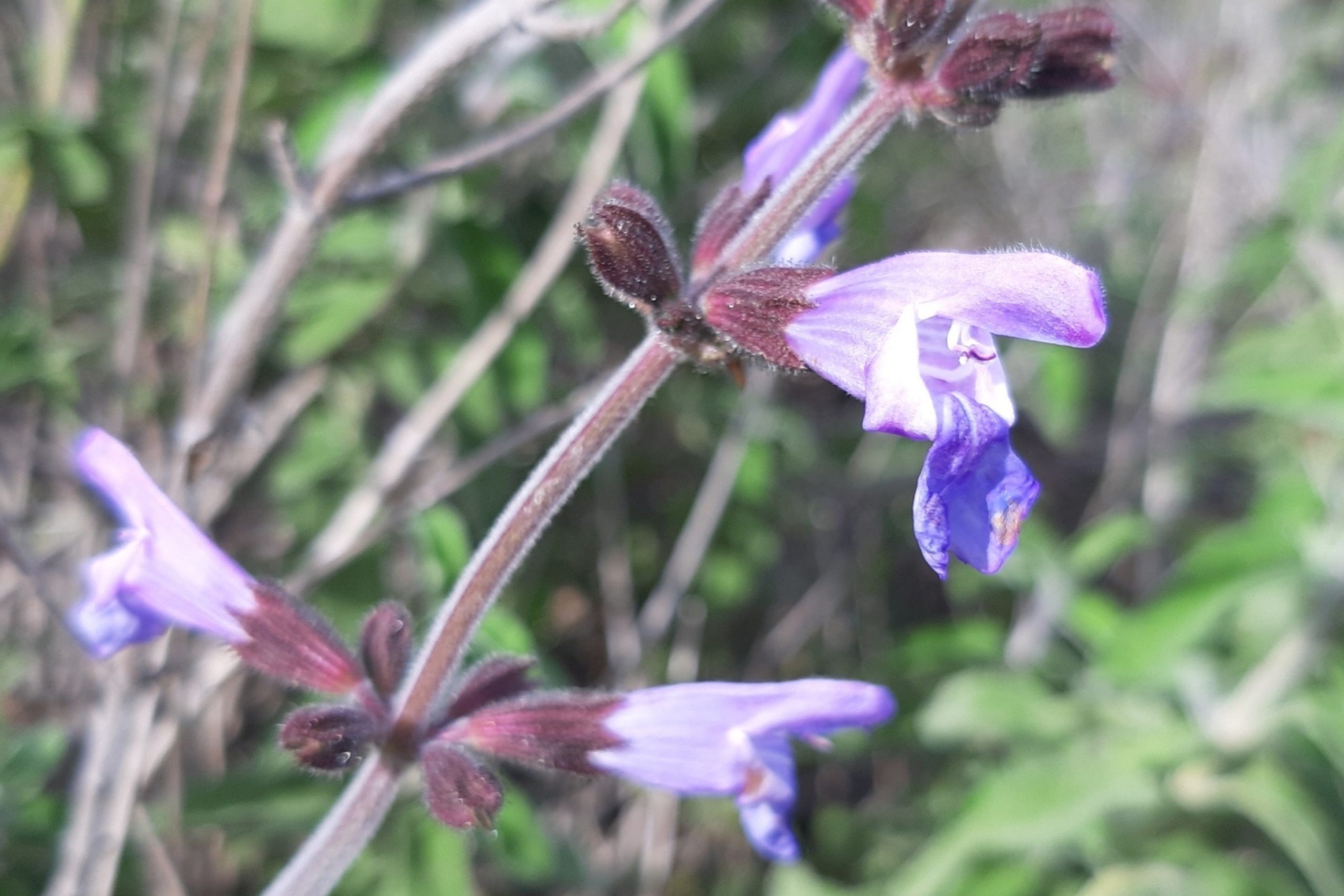
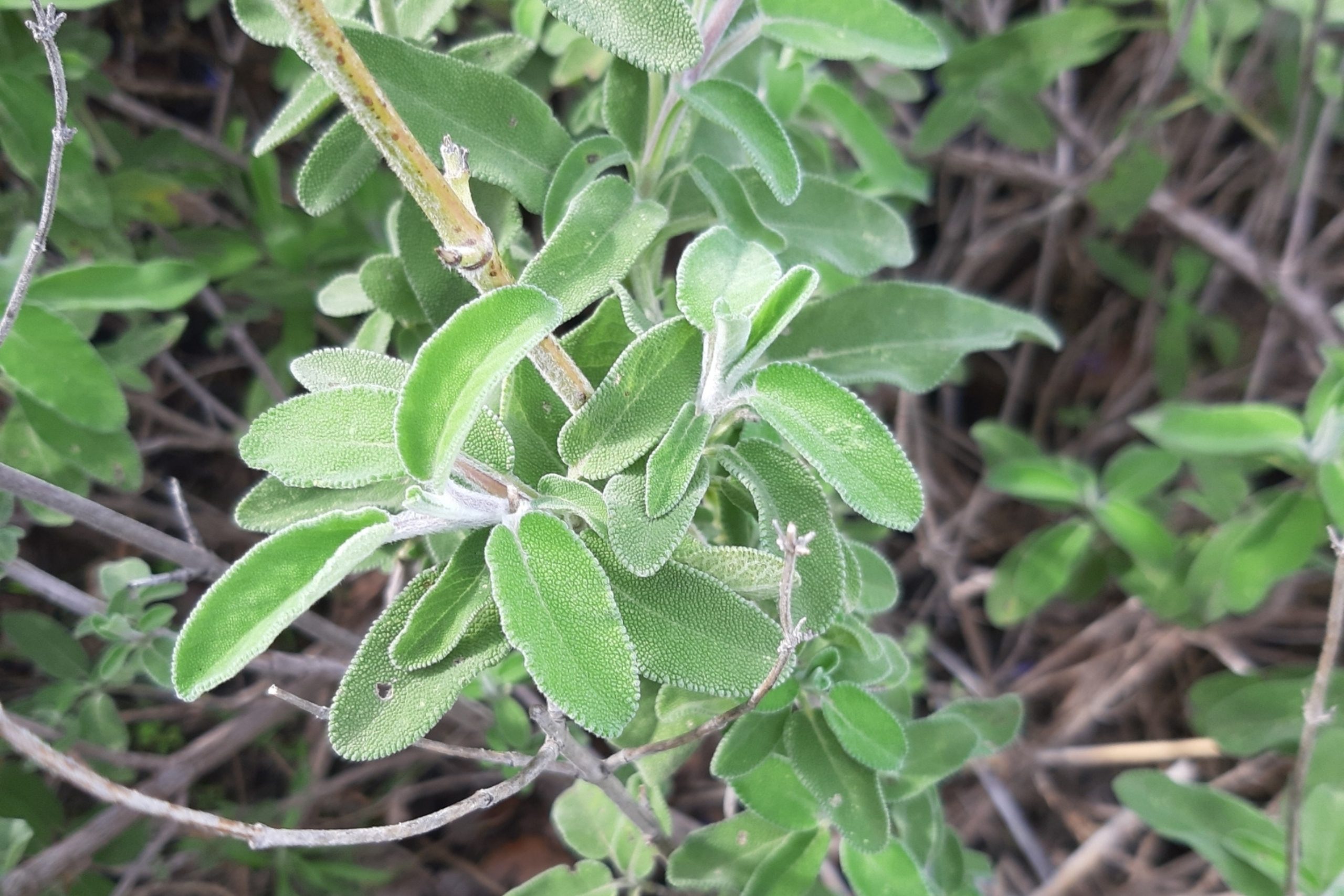
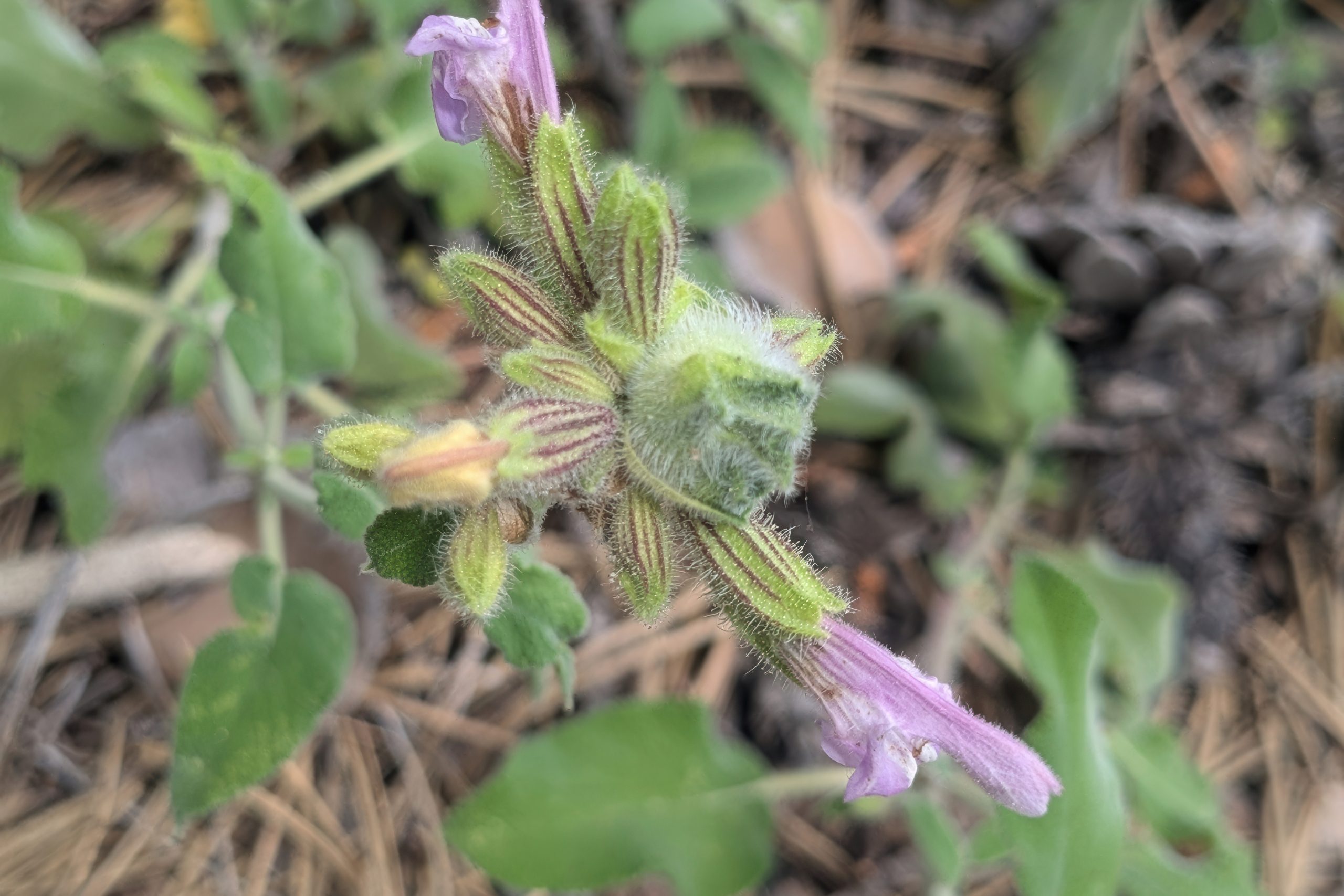
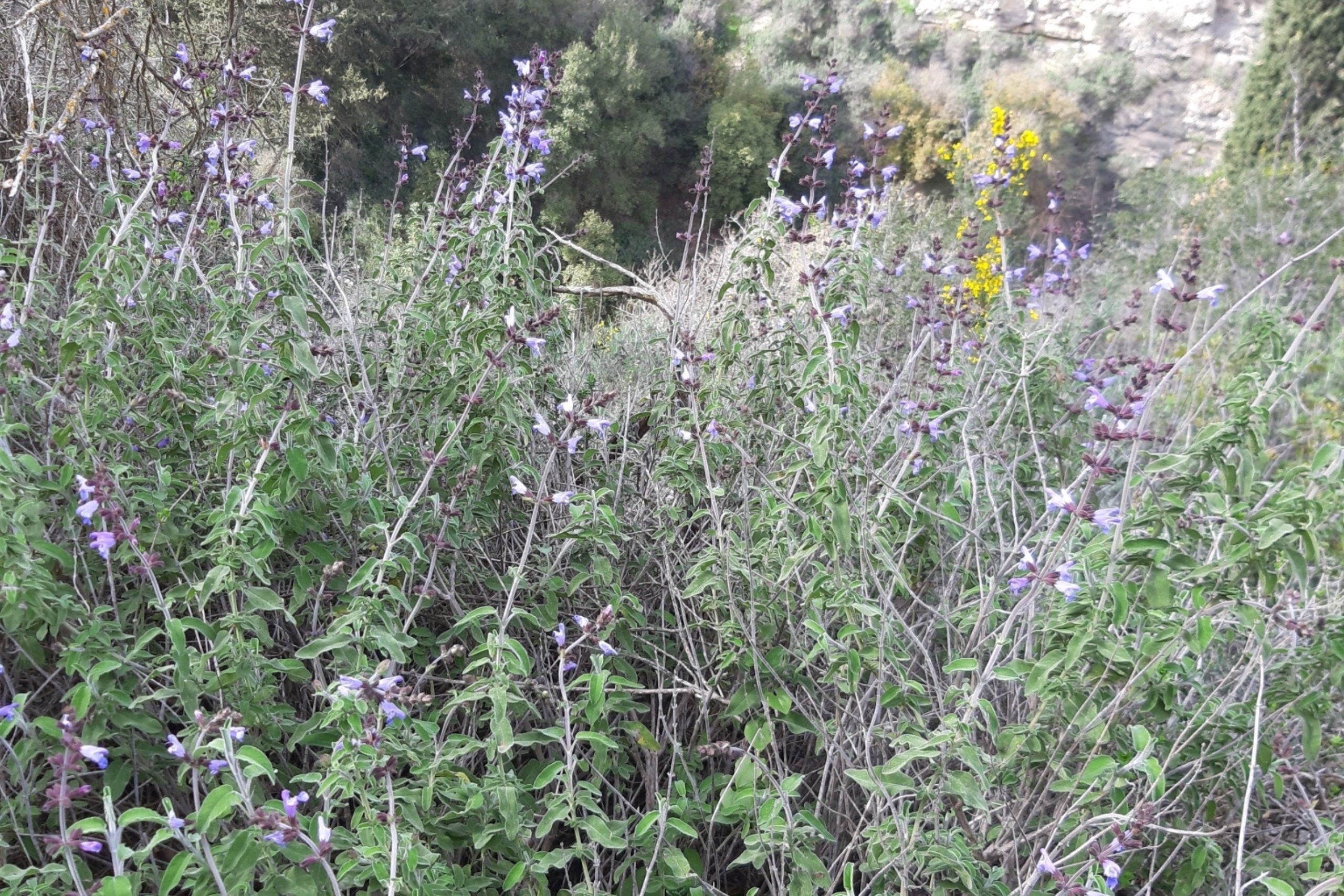
Wild sage in Cyprus typically grows as a low to medium shrub with fuzzy, silvery-green leaves that feel velvety to the touch. When crushed, they release a bold, earthy-camphor scent. In spring and early summer, they produce spikes of delicate pink, light blue or purple flowers that attract bees and butterflies, adding soft splashes of colour to the rugged terrain.

Delightful Discoveries

  • The strong aroma comes from compounds like rosmarinic acid and salvianolic acids, which give sage its powerful antioxidant and anti-inflammatory properties.
  • In traditional Cypriot medicine, sage tea has been used for centuries to soothe sore throats, aid digestion, and reduce sweating.
  • Bees love sage flowers, producing a light, aromatic honey highly prized by local beekeepers.
  • Ancient Romans believed burning sage purified homes, a practice that continues in some Cypriot villages today.
  • One species, Salvia veneris, is so rare it is found in only a handful of locations around Kythrea.
  • The leaves can be dried and stored for years, keeping their flavour better than many other herbs.

The Wild Sages of Cyprus

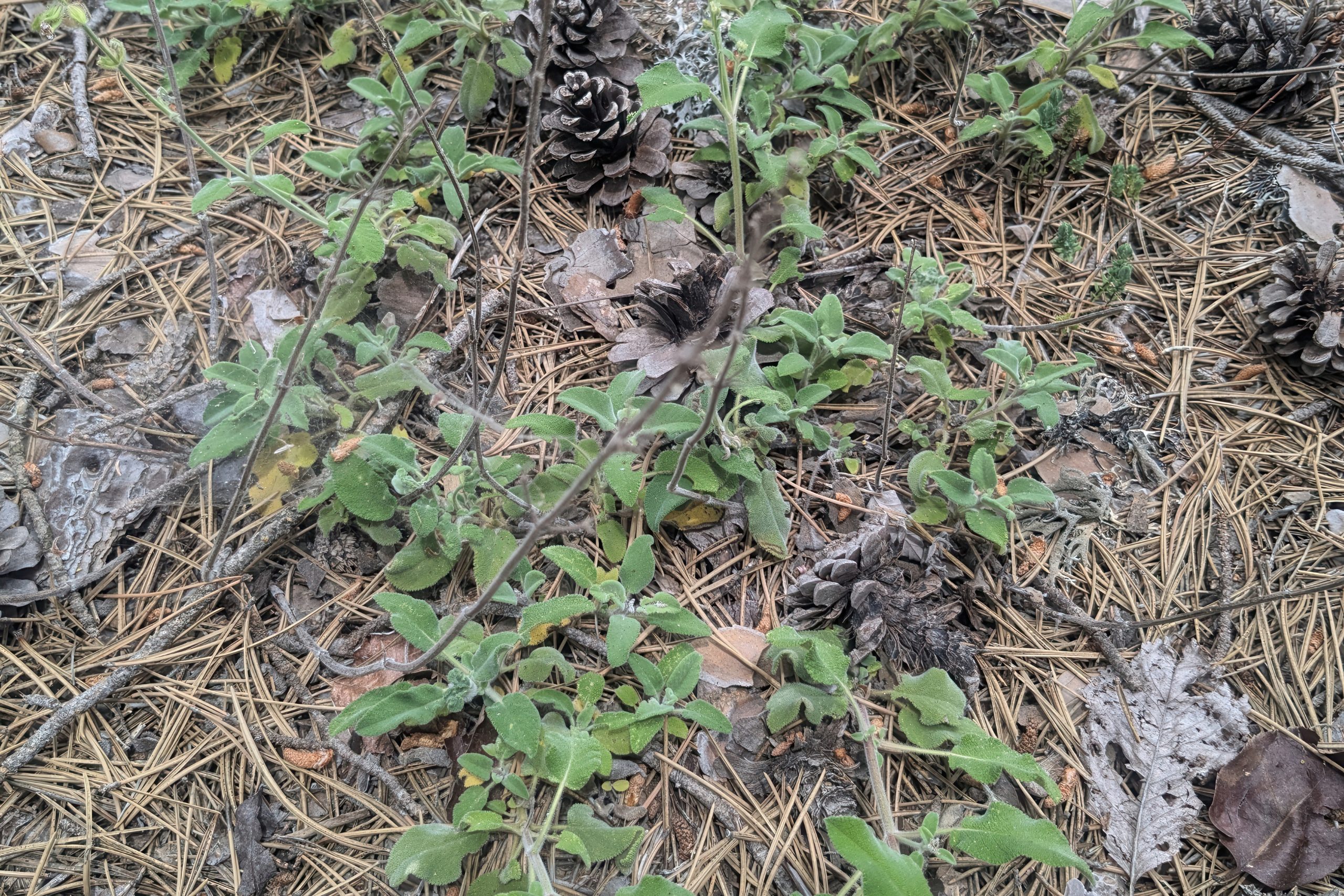
The most widespread wild sage is Salvia fruticosa (Greek Sage), locally known as φασκόμηλο (faskómilo). It is common across the island up to 1,550 m. Cyprus also boasts true endemics: Salvia willeana (Troodos Sage), found only at higher altitudes in the Troodos range, and Salvia veneris (Kythrean Sage), a narrow endemic restricted to a tiny area west of Kythrea village. The latter is listed as Vulnerable on the IUCN Red List due to its extremely limited distribution.
www.inaturalist.org

Living with Sage Today

In modern Cyprus, wild sage remains a kitchen and medicine cabinet staple. Its leaves flavour meats, cheeses, and herbal teas, while its essential oils are valued for their antimicrobial properties. As climate change and development threaten rare endemics like Salvia veneris, conservation efforts are increasingly important to protect these botanical treasures and the pollinators they support.
www.inaturalist.org

Finding Them in the Wild

You can encounter wild sage on hikes in the Troodos Mountains (for Salvia willeana) or along coastal paths and hillsides (for Salvia fruticosa). The rare Salvia veneris requires special permission and guided visits near Kythrea. Always admire from a distance, never pick protected species, and enjoy the warm, comforting scent that lingers on your fingers long after you leave.

A Living Legacy

Though modest in size, Cyprus’s wild sages represent a living link to our island’s ancient past and a testament to nature’s resilience. From the common faskómilo that seasons our tables to the rare endemics clinging to their rocky homes, these plants remind us why protecting Cyprus’s unique flora is essential for future generations – a green thread of wisdom, flavour, and wonder woven into the very soul of the island.

www.inaturalist.org

Explore our top stories and discover ideas worth your time.

Whispers of the Wild Marathos

Whispers of the Wild Marathos

Imagine wandering through the sun-drenched hills of Cyprus, where a tall, feathery plant sways gently in the breeze, releasing a sweet, licorice-like aroma that hints at ancient secrets. This is wild fennel, a humble herb that has flavored Cypriot life for millennia, blending culinary delight with healing wisdom. But what tales does this unassuming plant hold, and why does it thrive so vibrantly on this island paradise? www.inaturalist.org A Fragrant Member of the Carrot Clan Wild fennel, known scientifically as Foeniculum vulgare, belongs to the Apiaceae family – a vast group that includes everyday favorites like carrots, parsley, and dill. This broader taxonomy places it among plants celebrated for their aromatic seeds and leaves, which have sustained Mediterranean communities for generations. In its simplest form, it's a perennial herb that pops up in unexpected places, offering both beauty and utility without demanding much in return. From Ancient Myths to Island Shores The story of wild fennel stretches back to the dawn of Mediterranean civilization, intertwined with human history and mythology. In ancient Greece, it was so abundant on the plain of Marathon – where a legendary battle unfolded in 490 BC – that the site was named after the plant itself; "marathos" in Greek means fennel, evoking images of vast fields swaying like a green sea. Greek scholars like Pliny…

Read more
Whispers of White Petals in the Cypriot Breeze

Whispers of White Petals in the Cypriot Breeze

Picture a sun-drenched Cypriot meadow in spring, dotted with cheerful daisy-like flowers that bob like tiny suns on slender stems, their delicate scent mingling with the salty sea air. These are the Anthemis or Mayweed species, often mistaken for their chamomile cousins, a group of wildflowers that paint the island's landscapes with subtle beauty. But what tales do these unassuming blooms tell of Cyprus' wild heart? www.inaturalist.org Getting Acquainted with the Island's Daisies Anthemis is a genus of flowering plants in the vast Asteraceae family, which includes everything from sunflowers to dandelions, showing how these humble herbs fit into a broader world of composite blooms that rely on wind and insects for their spread. In Cyprus, they're known as wild chamomiles or μαργαρίτες (margaritas) in Greek, evoking simple, everyday beauty. Think of them as the island's resilient ground-huggers, annual or perennial herbs that thrive in open spaces, offering a gentle introduction to the Mediterranean's floral diversity without any fuss. A Legacy Etched in Ancient Soils The story of Anthemis in Cyprus reaches back to the island's Bronze Age settlers, who likely encountered these flowers amid terraced fields and rocky hills, perhaps using them in early herbal remedies as hinted in ancient texts like Dioscorides' "De Materia Medica," where similar chamomiles were praised for soothing woes. www.inaturalist.org Over centuries, as Phoenicians,…

Read more
Sweet Whispers from the Cypriot Countryside

Sweet Whispers from the Cypriot Countryside

On warm spring mornings across Cyprus, a subtle licorice-like fragrance drifts through sunlit fields and village gardens. This comes from a graceful little herb known as Anise, or Pimpinella anisum. Though modest in size, it has woven itself into the island’s traditions for flavour, comfort, and quiet beauty inviting us to look closer at one of the Mediterranean’s most aromatic treasures. commons.wikimedia.org Discovering the Gentle Anise Herb Anise is a charming annual plant belonging to the Apiaceae family the vast “umbellifer” clan that also includes carrots, parsley, fennel, and dill. In broader terms, these plants are famous for their umbrella-shaped flower clusters and distinctive scents. Here in Cyprus, our species stands out as a delicate member of this group, offering sweet seeds that have been prized since ancient times. Whether you call it aniseed or simply the “sweet one,” it is an easy-to-love herb that feels right at home under our Mediterranean sun. Echoes from Ancient Mediterranean Shores Anise has deep roots in the eastern Mediterranean, with Cyprus proudly included in its native range. People have cultivated it for over 4,000 years – first in ancient Egypt, then across Greece and Rome. The Greek name ἄνηθον (ánēthon) even echoes in its story, though it originally pointed to dill. Modern name for Anise is Γλυκάνισο. commons.wikimedia.org In Cyprus, historical records and…

Read more