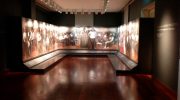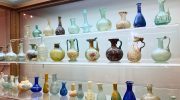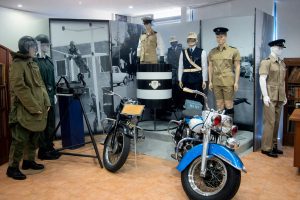
The Cyprus Police Museum chronicles law enforcement history in Cyprus from British colonial times through independence to the present day. The British Chief of Police, W.C.C. King, founded the museum in 1933 during the colonial period.
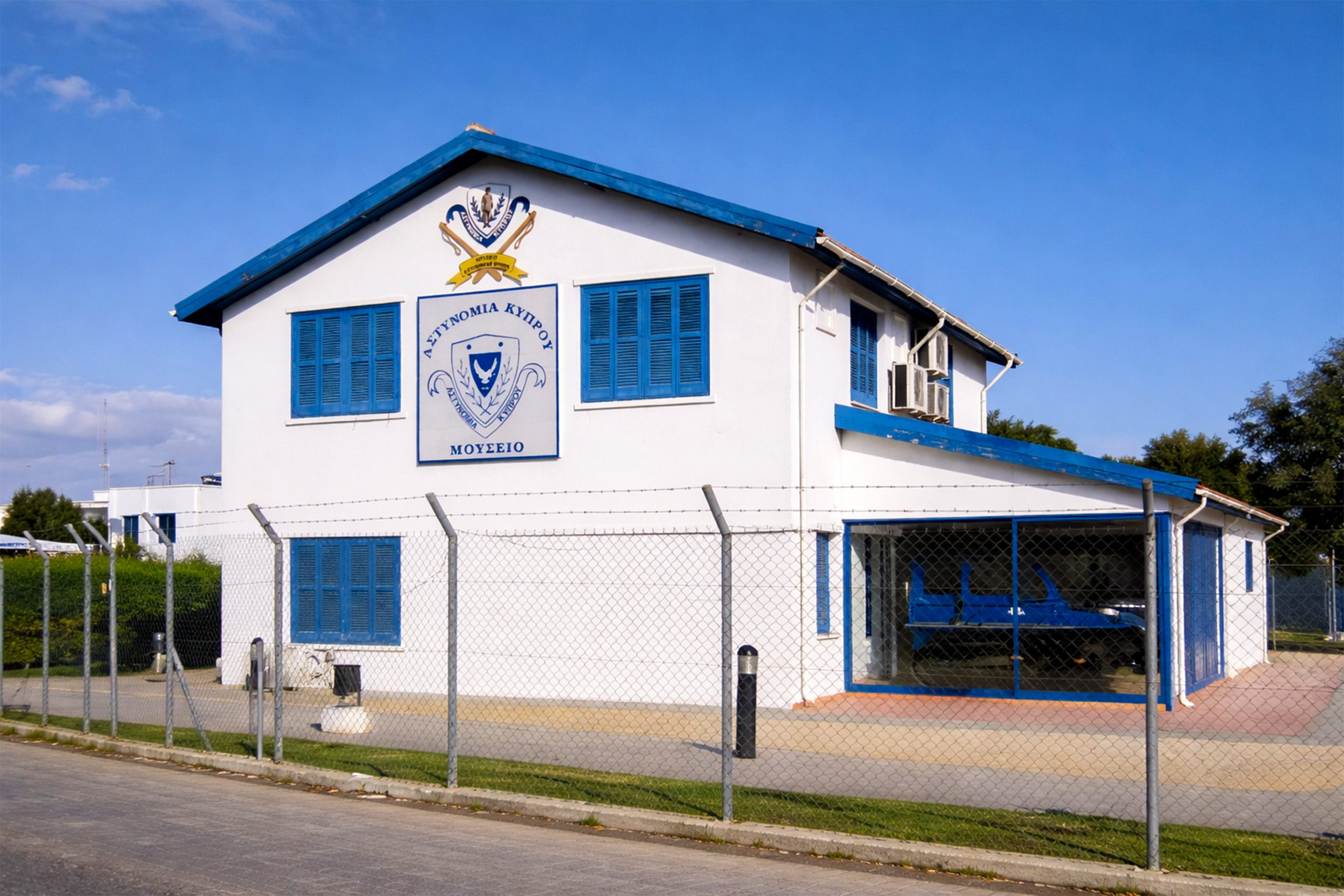
The museum documented criminal methods and police responses during a period when Cyprus was transitioning from traditional village life to a more modern urban society.
The facility displays uniforms, weapons, equipment, police vehicles, and documents that trace the development of policing on the island. The museum also houses important materials from World War II and the 1955 to 1959 National Liberation Struggle against British rule.
Evolution to a Historical Institution
Over decades, the museum’s scope expanded beyond purely criminal matters. While crime-related exhibits remain important, the collection now covers the broader history of the Cyprus Police Force. The institution documents how policing changed through different political periods, from British colonial administration through the establishment of the Republic of Cyprus in 1960 to modern law enforcement practices.
The Police Museum is owned by the Cyprus Police and managed by Department A of the Police Headquarters. It operates as a public institution with free admission, making police history accessible to all visitors. The museum serves both educational purposes and institutional memory, preserving the legacy of police work in Cyprus.
Police History Collections
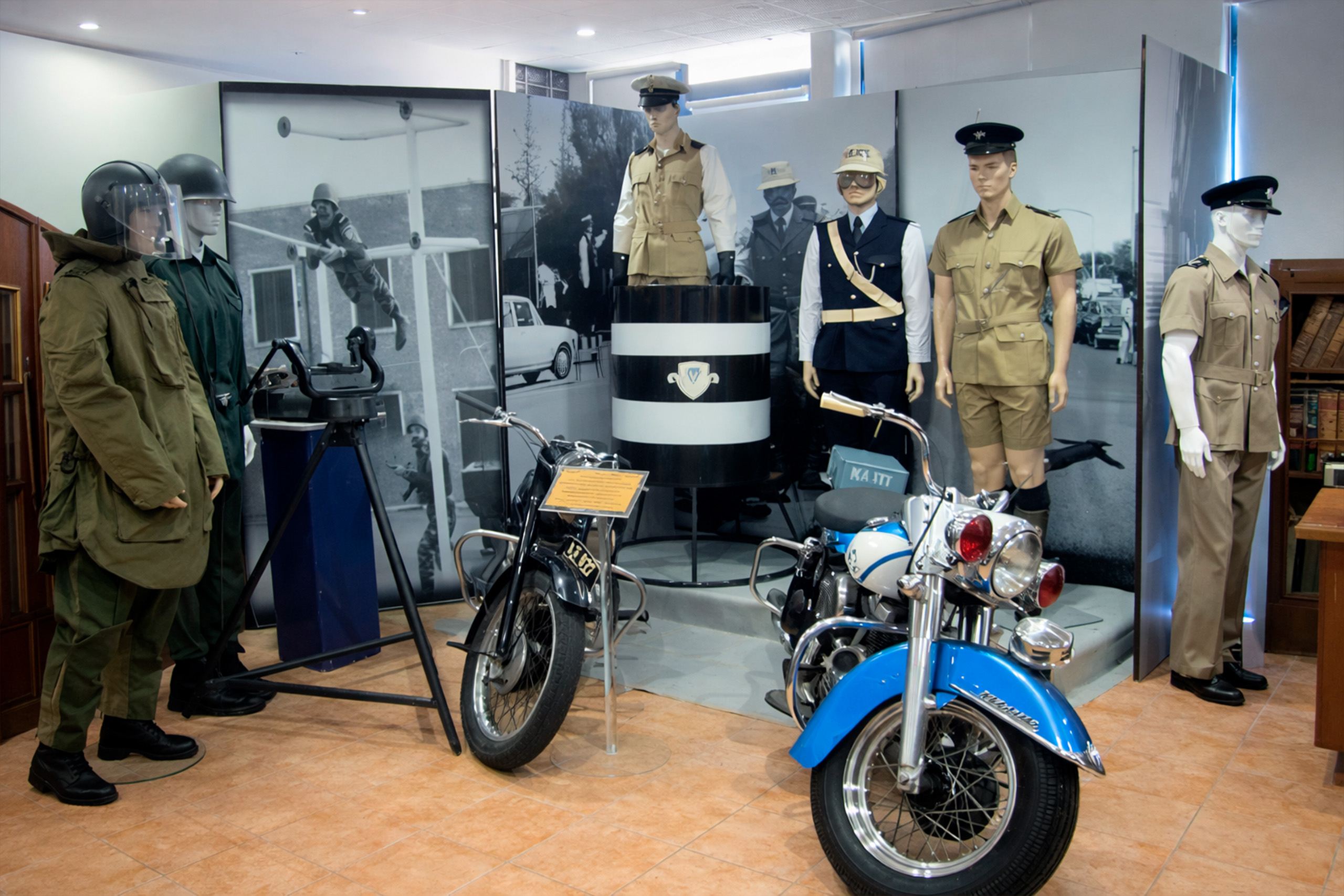
A substantial section displays the development of the Cyprus Police Force from British times to the present. Visitors can see how uniforms evolved through different eras, reflecting changes in style, materials, and organizational structure. The uniform collection shows distinctions between ranks and specialized units.
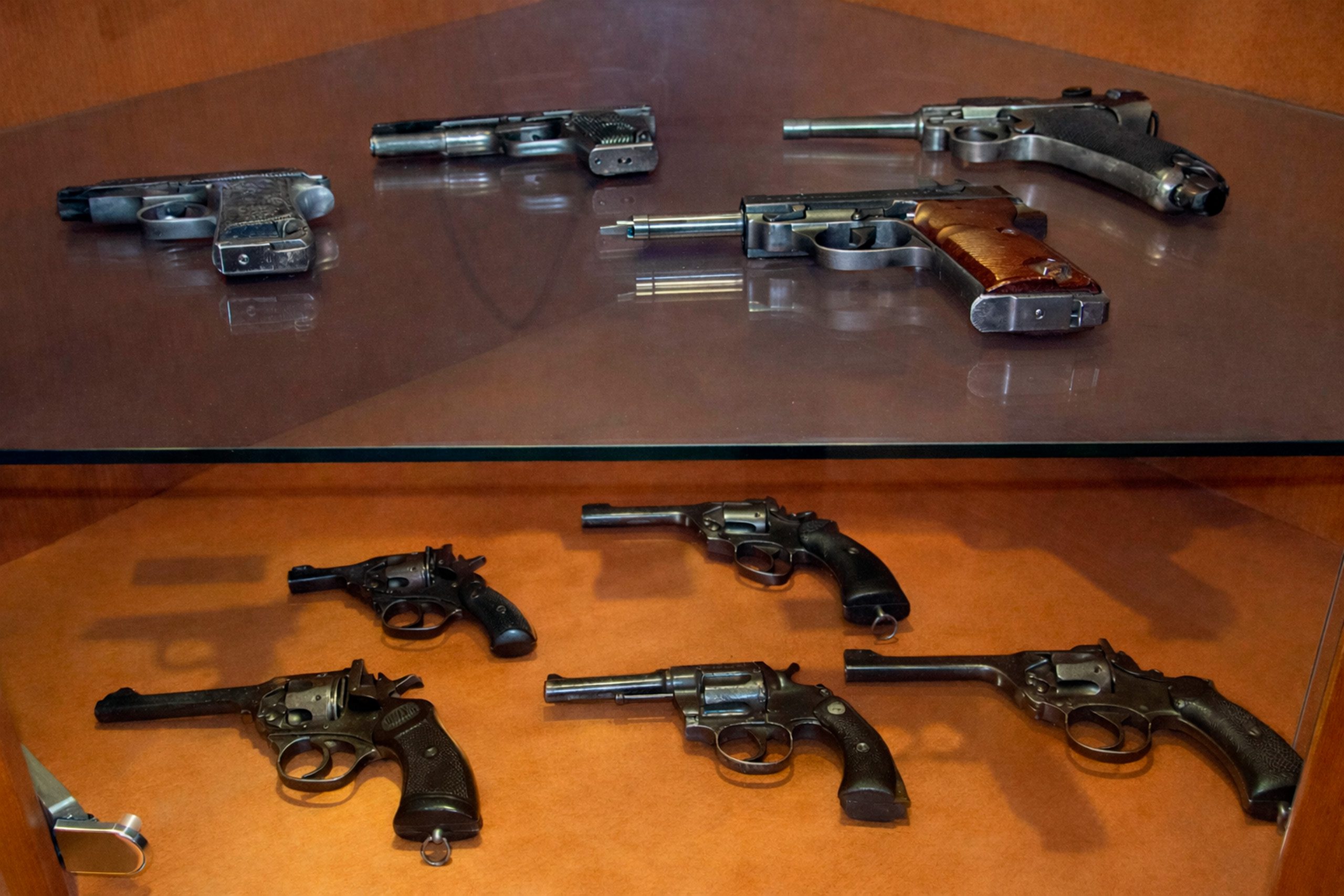
Weapons and equipment demonstrate technological advances in law enforcement. Early firearms, batons, handcuffs, and other tools used by colonial police contrast with modern equipment. The progression illustrates how police capabilities expanded with access to better technology and training.
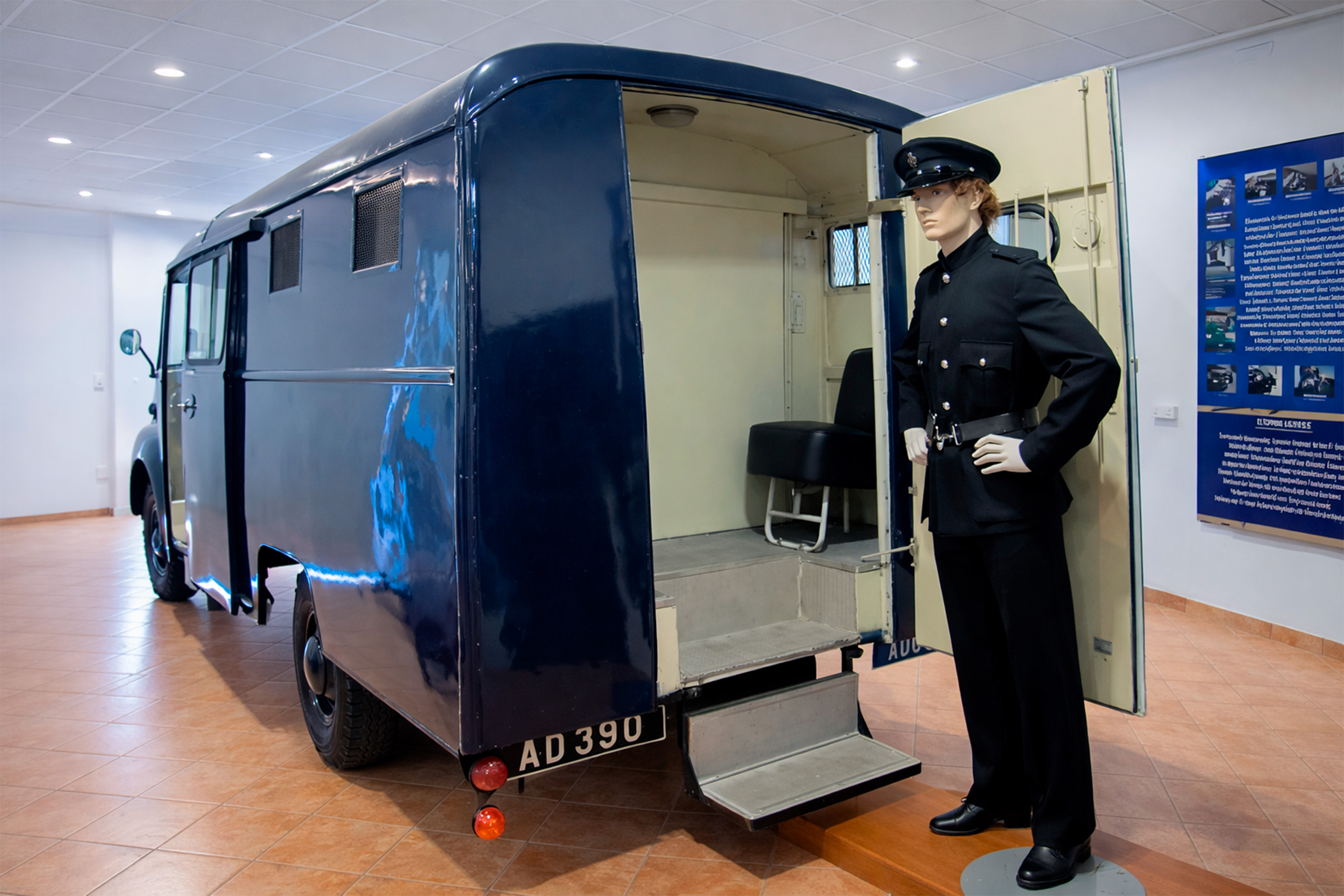
Police vehicles on display show transportation methods across different periods. From early motorcycles to patrol cars, these vehicles represent how officers covered territory and responded to incidents. Some vehicles show damage from conflicts, providing tangible evidence of dangerous situations police faced.
Police Band Materials
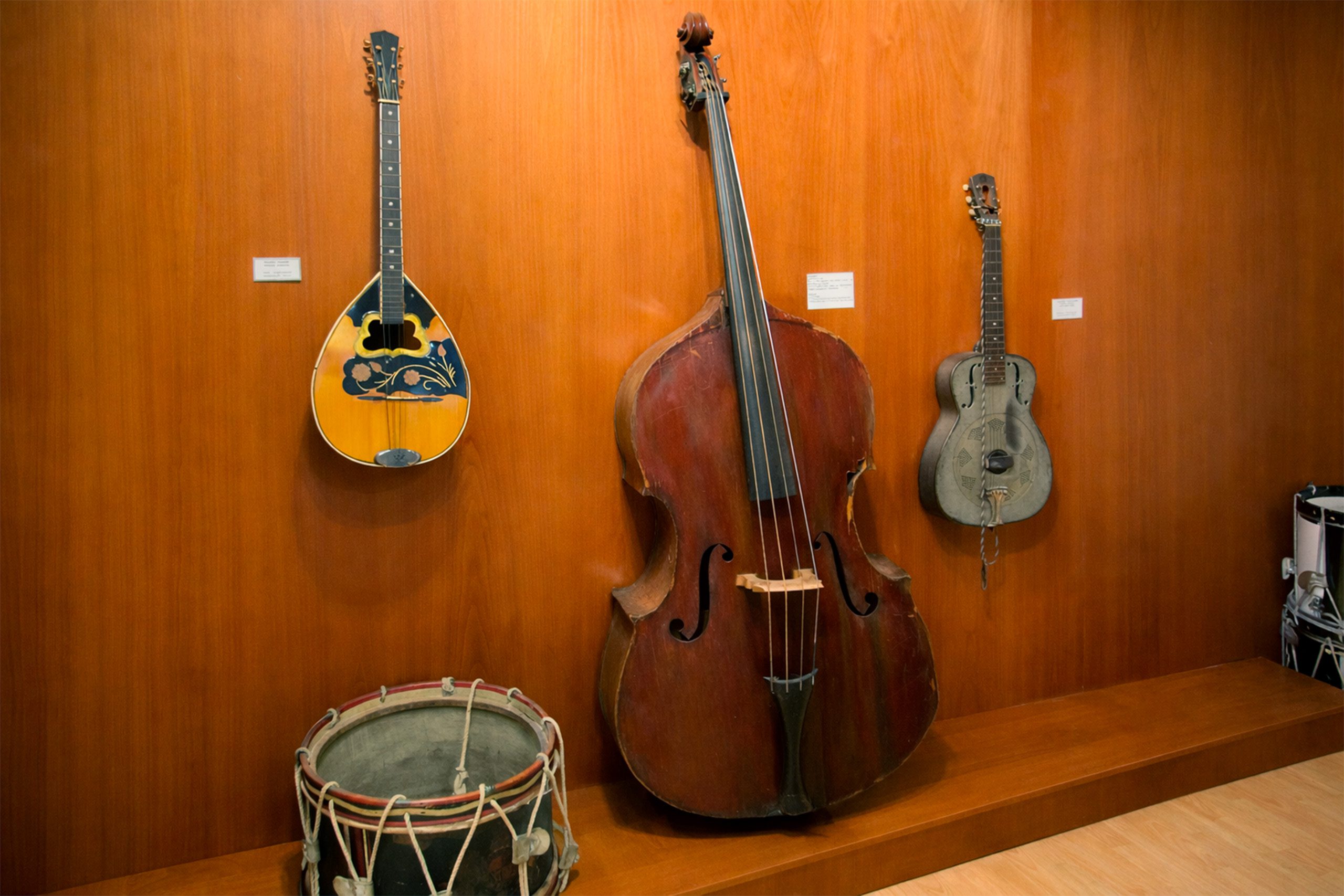
The museum houses musical instruments, photographs, and documents from the Cyprus Police Band. The band has been an important part of police culture and public relations. Musical instruments from different decades show the band’s long history. Some instruments bear marks of historical events, including a double bass with a bullet hole from fighting in 1974.
Photographs document the band’s performances at official ceremonies, national celebrations, and public events. The band served to build positive relationships between police and communities through cultural activities alongside law enforcement duties.
World War II Exhibits
The museum contains objects and documents from World War II when Cyprus served as a British military base. The strategic location made the island important for Mediterranean operations. Police maintained security, monitored potential threats, and assisted military authorities during wartime conditions.
Materials from this period include official documents, photographs, equipment, and personal items from police officers who served during the war years. These exhibits show how policing adapted to wartime requirements while continuing regular duties.
Crime Detection and Investigation Exhibits
The original criminal focus remains through exhibits on crime detection and investigation methods. Displays show how forensic techniques developed over time, from basic fingerprint analysis to modern scientific methods. Evidence collection procedures, laboratory equipment, and investigative tools demonstrate the evolution of criminal investigation.
Cases from different decades illustrate unusual crimes and clever detective work. The museum presents stories of real investigations, showing how police solved difficult cases through persistence and skill. Some exhibits feature crafty burglaries and the methods used to catch perpetrators.
These crime-related displays appeal to visitors interested in detective work and criminal justice. The exhibits avoid sensationalism while presenting factual information about how police investigate crimes and bring offenders to justice.
Visiting the Cyprus Police Museum
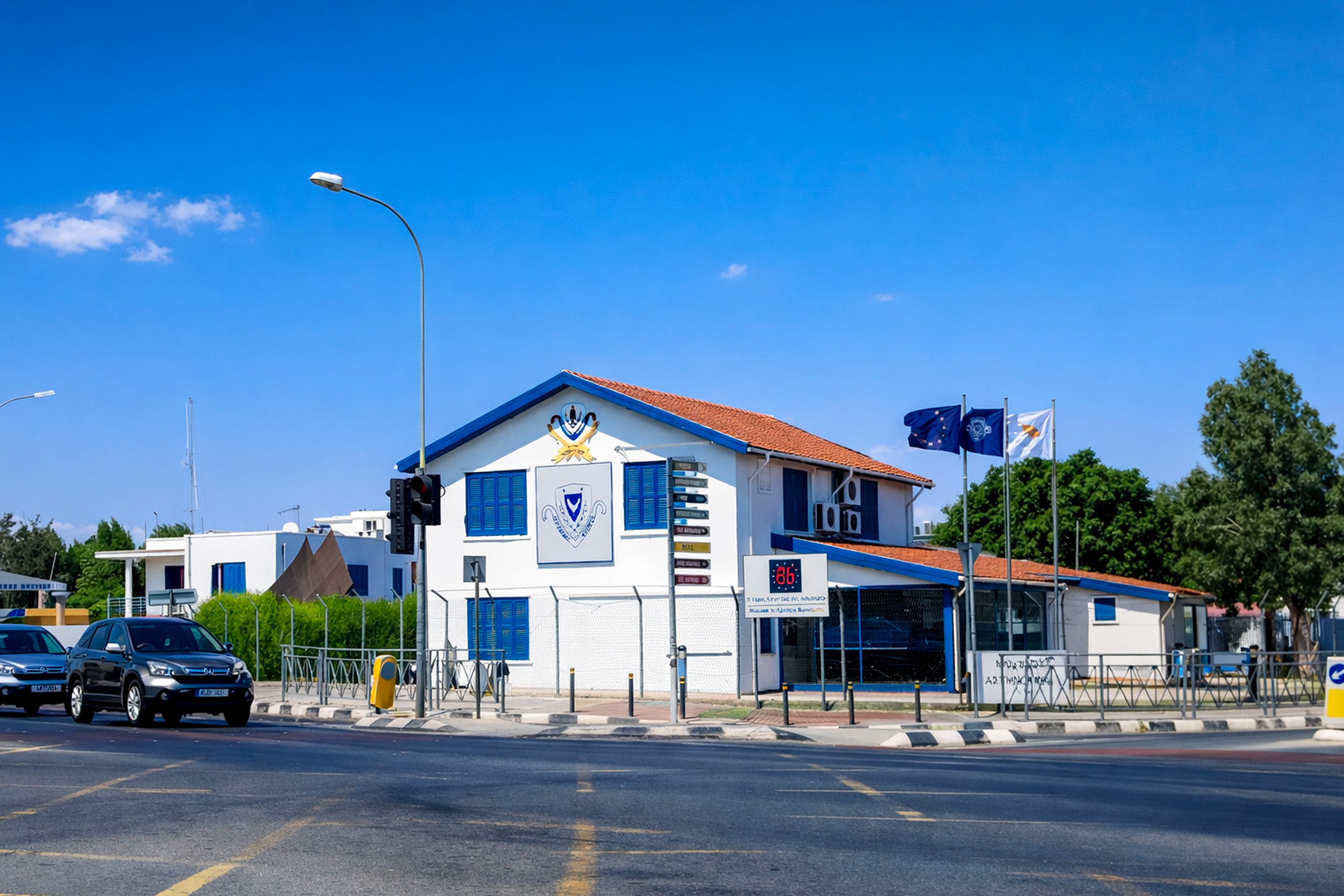
The museum is located on Evangelou Floraki Street near the Police Academy Headquarters in Nicosia. The building sits behind security fencing, which can make it challenging for first-time visitors to locate the entrance. Following the signs leads to the museum entrance, where staff welcome visitors.
The facility operates Monday through Friday from 9:00 AM to 1:00 PM. The museum does not charge admission, making it freely accessible to anyone interested in police history. Advance telephone contact is recommended for group visits to ensure adequate staff are available. The museum can be reached at 22 808 793 or 22 305 878.
The museum’s location near other Nicosia attractions allows visitors to combine it with trips to the Archbishop’s Palace, the Cyprus Museum, or other cultural sites in the capital. The central location makes it convenient for both tourists and local residents.
Educational Value
The museum serves educational purposes for schools, police training, and public awareness. Student groups visit to learn about law enforcement history and how police work has changed over time. The exhibits help young people understand the role of police in society and the challenges officers face.
For police trainees, the museum provides historical context for their profession. New officers learn about the traditions and sacrifices of those who served before them. This connection to institutional history builds professional identity and pride.
General visitors gain appreciation for the complex history of law enforcement in Cyprus. The exhibits show how police navigated political changes while maintaining order and protecting citizens. The museum presents balanced perspectives on difficult periods without avoiding controversial aspects of police history.
Significance for Cyprus
The Police Museum documents an important aspect of Cypriot history often overlooked in favor of archaeological sites and medieval monuments. Law enforcement shaped daily life and political development throughout the 20th century. Understanding police history helps explain broader social changes on the island.

The museum preserves institutional memory that might otherwise be lost. As officers retire and equipment becomes obsolete, the museum ensures that knowledge and artifacts from earlier eras remain accessible. This preservation serves both historical research and public education.
The collection demonstrates how Cyprus navigated the transition from colonial territory to independent republic. Police institutions had to adapt to new political realities while maintaining public safety. The museum shows this complex process through concrete objects and documents rather than abstract descriptions.
Future Development
The museum continues to collect materials as the Cyprus Police evolves. Modern equipment and documentation from recent decades will eventually become historical artifacts requiring preservation. The institution balances displaying established collections with acquiring new materials that document ongoing developments.
Technology changes how museums present information. The Cyprus Police Museum could potentially incorporate digital displays, interactive elements, or multimedia presentations to enhance visitor engagement. However, the current approach of presenting physical artifacts maintains the museum’s authentic character.
The museum represents a valuable resource for understanding Cyprus’s modern history through the lens of law enforcement. The collections document political changes, social conflicts, technological progress, and institutional development across nearly a century of police work on the island.