Explore Cyprus with Our Interactive Map

Explore our top stories and discover ideas worth your time.

Kaledonia Waterfall Trail

Kaledonia Waterfall Trail

The Kaledonia Waterfall Trail offers one of Cyprus's most scenic forest hikes. This 3-kilometer nature trail follows the Kryos Potamos River through dense pine and oak forests in the Troodos Mountains, leading to a spectacular 12-meter waterfall at 1,330 meters elevation. The trail takes its name from the Kaledonia waterfall at its center point, though many maps also spell it Caledonia. The path maintains a mostly shaded route under tall pine trees along the riverbank, creating a cool microclimate even during Cyprus's hot summer months. The sound of rushing water accompanies hikers throughout the journey as they cross the Kryos Potamos River six to seven times before reaching the main cascade. The trail sits within Troodos National Forest Park, a protected area covering 9,147 hectares around Mount Olympus. Wooden bridges span the stream at key points, though hikers must also step across river stones polished smooth by centuries of water flow. Business Insider ranked this waterfall as the 14th best in Europe in 2015, bringing increased international attention to what was previously a lesser-known local hiking destination. Historical Background In 1878, a Scottish expedition visited the Platres region during the early period of British colonial administration in Cyprus. When the Scots encountered the waterfall and surrounding landscape, they found remarkable similarities to the waterfalls and forested gorges of their homeland.…

Read more
Traditional Village Homes of Cyprus

Traditional Village Homes of Cyprus

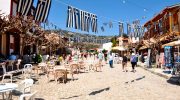
Traditional Cyprus village homes centered on extended family units living together across multiple generations within shared compounds. These stone-built structures featured the dikhoro or double room arrangement as the main living space, surrounded by courtyards where families conducted agricultural work, food processing, and daily domestic tasks. The architecture reflected social organization where newly married couples built homes adjacent to parents' property, creating family clusters that expanded outward from original settlement cores. Children grew up surrounded by grandparents, aunts, uncles, and cousins who shared courtyard spaces and participated in collective economic activities including olive pressing, wine making, and textile production. The extended family functioned as an economic unit that pooled labor and resources while providing social security through mutual support. This traditional living arrangement persisted until the mid-20th century when urbanization, employment opportunities outside agriculture, and changing social values prompted nuclear family households to become dominant. The Dikhoro as the Heart of Domestic Life The dikhoro, meaning two areas, consisted of two parallel rooms separated by a graceful stone arch or arcade that allowed visual and physical connection while maintaining functional divisions. This arrangement provided the main living quarters where family members gathered for meals, conversation, sleeping, and household tasks. One room typically served as sleeping space for parents and young children, while the second room accommodated daytime activities including food…

Read more
Why Retirement in Cyprus Popular Among Europeans

Why Retirement in Cyprus Popular Among Europeans

Cyprus has emerged as one of Europe's top retirement destinations, attracting thousands of retirees annually with its combination of Mediterranean climate, favorable tax treatment, and accessible healthcare. The island offers multiple pathways to residency for retirees from EU and non-EU countries, with costs and requirements that make long-term settlement achievable for many pensioners. Understanding why Europeans choose Cyprus for retirement reveals practical advantages that extend beyond the obvious appeal of year-round sunshine. The Tax Advantage That Changes Everything Cyprus offers one of Europe's most attractive tax regimes for foreign pension income. Tax-resident retirees can choose between two taxation methods for their foreign pensions. The first option applies a flat 5% tax rate on pension income exceeding €5,000 annually, with amounts below this threshold remaining exempt. The second option taxes pension income at progressive rates ranging from 20% to 35% based on total earnings. Most retirees select the 5% flat rate, which dramatically reduces tax burdens compared to home countries. A British retiree paying 40% tax in the UK who moves to Cyprus immediately cuts their pension tax to just 5% on amounts over €5,000. This difference adds thousands of euros to annual retirement income without any change to the pension itself. Cyprus maintains double taxation agreements with 67 countries including the UK, United States, Germany, France, and most EU members.…

Read more