Cyprus maintains ancient traditions of protective talismans and healing herbs that defend against supernatural harm and physical illness. The blue glass evil eye amulet appears everywhere across the island, worn as jewelry, pinned on babies, hung in homes and vehicles. These nazar charms ward off envious gazes that cause spiritual and physical suffering. Garlic cloves dangle near doorways to keep evil forces away, combining multiple protective strategies.

Silver crosses provide Christian spiritual protection while pre Christian symbols offer additional safeguards. Both Greek and Turkish Cypriot communities share remarkably similar talisman traditions despite political division, proving that folklore unites the island. These protective objects operate alongside modern medicine rather than replacing it, with Cypriots using both systems without seeing contradiction.
The Power and Meaning of Blue Eye Talismans
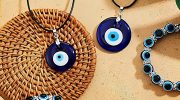
The nazar or evil eye amulet consists of concentric circles in blue, light blue, white, and dark blue representing an eye that absorbs harmful energy before it reaches the owner. Blue holds special protective power due to ancient associations with divinity, as Egyptians considered blue the divine color and Sumerians viewed it as a symbol of gods. The eye shape works through principles of sympathetic magic, with the representation of an eye deflecting actual harmful gazes.

Parents pin these charms on newborn babies from their first days of life, believing infants face particular vulnerability to envious looks. The talismans come in various forms including jewelry, keychains, wall hangings, and car decorations. Breaking glass accidentally brings rejoicing rather than dismay, with Cypriots shouting that evil spirits have departed as the shattered object releases accumulated negative energy.
Garlic Defends Homes from Supernatural Threats
Fresh garlic cloves hanging near doorways rank as the second most common protective talisman in Cyprus after blue eye charms. The pungent bulbs ward off evil forces through both their sharp smell and long associations with supernatural protection across Mediterranean cultures. Many homes display braided garlic strands that combine practical food storage with spiritual defense.

New mothers hang garlic near baby cradles to protect vulnerable infants from evil eye and other harmful influences. The tradition likely derives from pre Christian practices that merged with Orthodox Christianity, as the church officially condemns such folk protections while believers see no conflict. Garlic also appears in healing rituals, with some traditional practitioners rubbing raw cloves on affected body parts to draw out illness or negative energy.
Herbs Treat Both Body and Spirit
Traditional Cypriot medicine employs numerous herbs for healing that operate on both physical and spiritual levels. Chamomile tea soothes digestive problems and calms nerves while also clearing negative spiritual influences. Sage burned as incense purifies homes and protects against evil eye, with the smoke carrying away harmful energies. Wild oregano gathered from mountain slopes treats respiratory infections and provides general health protection.

Rosemary promotes memory and mental clarity while defending against supernatural attack. Mint addresses stomach ailments and offers spiritual cleansing when added to bathwater. Olive oil blessed by priests becomes healing oil applied to sick individuals or used to anoint homes after misfortune. These herbs grow abundantly across Cyprus, making them accessible to all economic classes and allowing self treatment without dependence on expensive medicines or specialist healers.
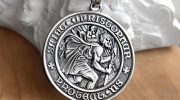
Small icons of the Virgin Mary protect homes, vehicles, and workplaces. Holy water collected from churches on Epiphany possesses healing and protective power, kept in bottles throughout the year. Families sprinkle blessed water around homes after periods of bad luck or following evil eye attacks. Incense burned during church services carries protective power, with believers bringing incense home to purify their spaces. These Christian objects layer over older pagan protections, creating comprehensive defensive systems.
How Talismans Enter Daily Routines
Cypriots integrate talismans into daily life through consistent rituals and practices. Morning routines include touching or kissing religious icons before leaving home, invoking divine protection for the day ahead. Parents check that children wear their blue eye pins securely before school. Drivers ensure nazar charms hang from rearview mirrors before starting journeys. Shop owners display evil eye talismans prominently at entrances to protect businesses from envious competitors.

New ventures including business openings, weddings, and home purchases require multiple protective measures combining blue eyes, garlic, blessed oil, and prayers. When receiving compliments that might carry envy, Cypriots spit three times over their left shoulder while saying tfu tfu tfu to deflect potential harm. These practices become automatic habits taught from childhood, creating lifelong protective routines.
The Role of the Evil Eye in Cypriot Jewelry
Jewelry in Cyprus often incorporates the evil eye symbol as a form of protection against jealousy and misfortune. This symbol, universally recognized across cultures, holds particular importance in Cypriot traditions. Many locals wear necklaces, bracelets, or rings adorned with a blue eye charm to safeguard against negative energy and perceived harm. The belief is that these pieces create a barrier, absorbing or deflecting envious glances that might bring bad luck.
Cultural and Psychological Significance
Talismans and protective herbs serve essential psychological and social functions that modern medicine cannot fulfill. The physical objects provide tangible focal points for anxiety and fear, offering perceived control over unpredictable threats. Wearing amulets creates constant reassurance that protection operates even when conscious attention focuses elsewhere. The traditions maintain intergenerational bonds as grandparents gift talismans to grandchildren while teaching their proper use and meaning. Shared belief systems unite communities through common worldviews that transcend political and religious divisions.
The practices connect modern Cypriots to ancestors stretching back thousands of years, preserving cultural continuity despite rapid technological and social change. For Cyprus, these traditions anchor identity in deep historical roots while demonstrating how ancient wisdom adapts to contemporary contexts through ongoing use rather than museum preservation.