Adonis stands as one of the most compelling figures in Cyprus mythology, a mortal whose extraordinary beauty captured the heart of Aphrodite, goddess of love. The myth of Adonis is a legendary love story that combines tragedy and death on the one hand and the joy of coming back to life on the other.

The god of beauty, fertility, and permanent renewal originated in Canaanite and Mesopotamian traditions as Adon before being adopted into Greek mythology. His name derives from the Canaanite word adon, meaning “lord.” Cyprus played a very significant role in transferring the myth of Adonis and Astarte from the Canaanite regions to the Greeks and from the latter to the Romans, making the island central to this enduring tale.
The Tragic Birth and Forbidden Love
The story begins with an insult that set divine vengeance in motion. According to the version found in Ovid’s Metamorphoses, Adonis was the son of Myrrha, who was cursed by Aphrodite with insatiable lust for her own father, King Cinyras of Cyprus, after Myrrha’s mother bragged that her daughter was more beautiful than the goddess. When Aphrodite heard of this boast, she became angry and decided to retaliate, using her son Eros to make Myrrha fall in love with her father.
With help from her nurse, Myrrha disguised herself and tricked her father into an incestuous relationship that lasted seven nights. When Cinyras discovered the truth, he was horrified and pursued his daughter with a sword, intending to kill her. Myrrha prayed to the gods for help, pleading to be driven from both life and death to cease offending the living and the dead. Her prayer was answered, and she transformed into a myrrh tree.

After nine months, from the trunk of the tree, Adonis was born, the most beautiful of the mortals. In this version, Aphrodite was present at his birth and amazed by the baby’s beauty. She decided to hide Adonis from the rest of the goddesses and entrusted him to Persephone, queen of the underworld, for safekeeping. When Adonis grew into a young man, Persephone was so attracted by his good looks that she refused to give him back to Aphrodite.
A dispute rose between Aphrodite and Persephone over who would claim Adonis as a lover. The Muse Calliope, acting as arbitrator, ruled that Adonis would spend a third of the year with each goddess and the remaining third by himself. Adonis chose to spend this remainder with Aphrodite, demonstrating his preference for the goddess of love.
The Hunt That Ended in Tragedy
Adonis grew into an exceptionally handsome man who was considered the ideal of male beauty in classical antiquity. He won the love of Aphrodite and spent all the time he could with her until his untimely death. Delighted with the beauty of the youth, Aphrodite forsook all else, even abandoning her beloved sanctuaries at Paphos, Cyprus’s most important cult center.

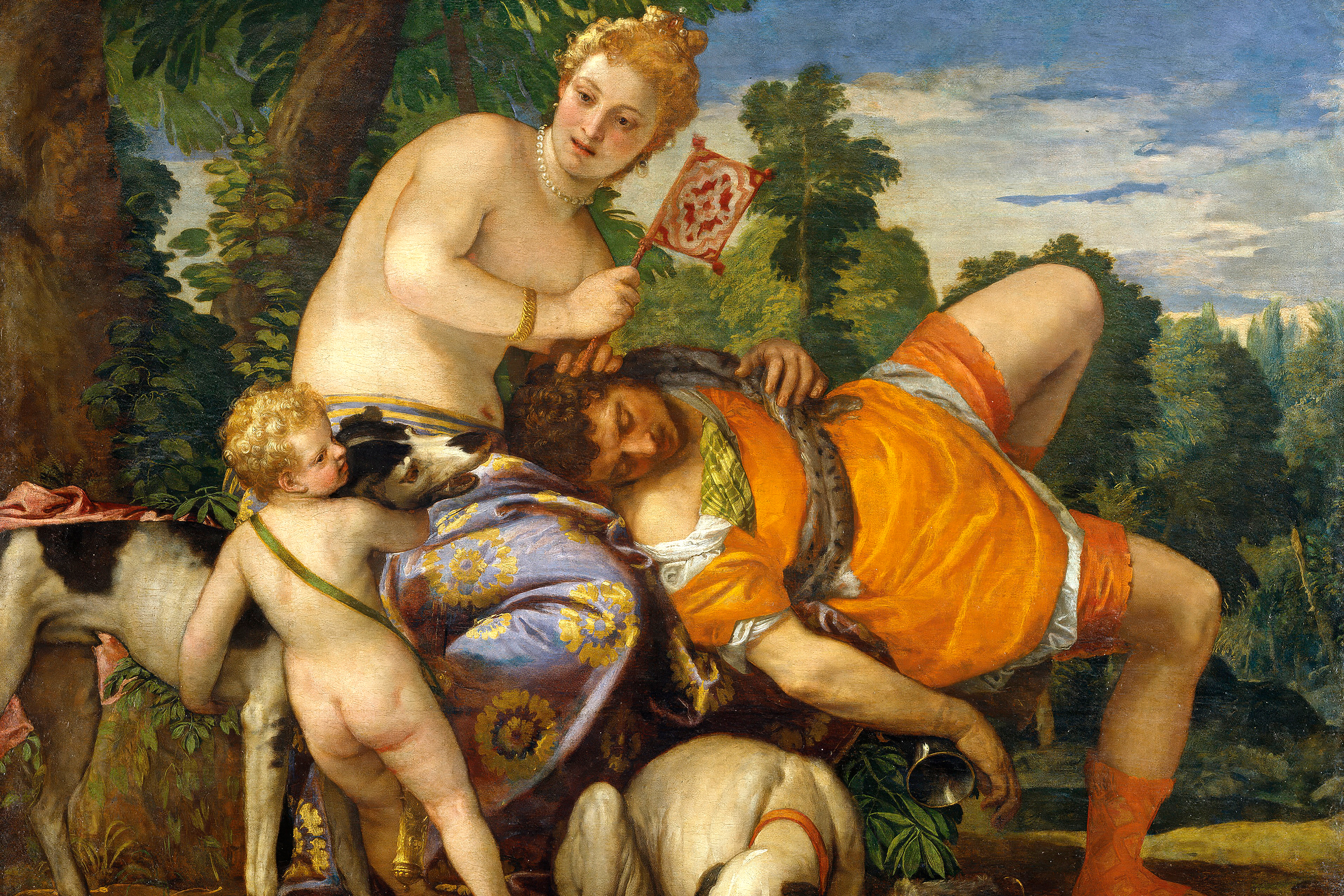
The myth tells that Adonis was gored by a wild boar during a hunting trip and died in Aphrodite’s arms as she wept. His blood mingled with her tears and became the anemone flower. In some versions, a red rose grew where Aphrodite’s tears fell. The story provides an etiology for Aphrodite’s associations with certain flowers and explains the origin of these blooms through divine grief.
Different accounts attribute the boar attack to various sources. Some claim Ares, jealous of Aphrodite’s devotion to Adonis, sent the beast. Others suggest Apollo sought revenge for a different slight. A variation describes Artemis sending the boar after Adonis boasted of hunting prowess superior to hers. Regardless of the cause, the result remained the same: the beautiful youth died young, leaving Aphrodite bereft.
Before his death, Aphrodite warned Adonis to avoid dangerous beasts, telling him to pursue only timid animals like hares and deer. Her warnings went unheeded. When Adonis encountered the wild boar, he struck it with his spear but failed to kill it. The wounded animal charged and gored him in the groin with its tusks, inflicting a mortal wound.
The Festival of Adonia
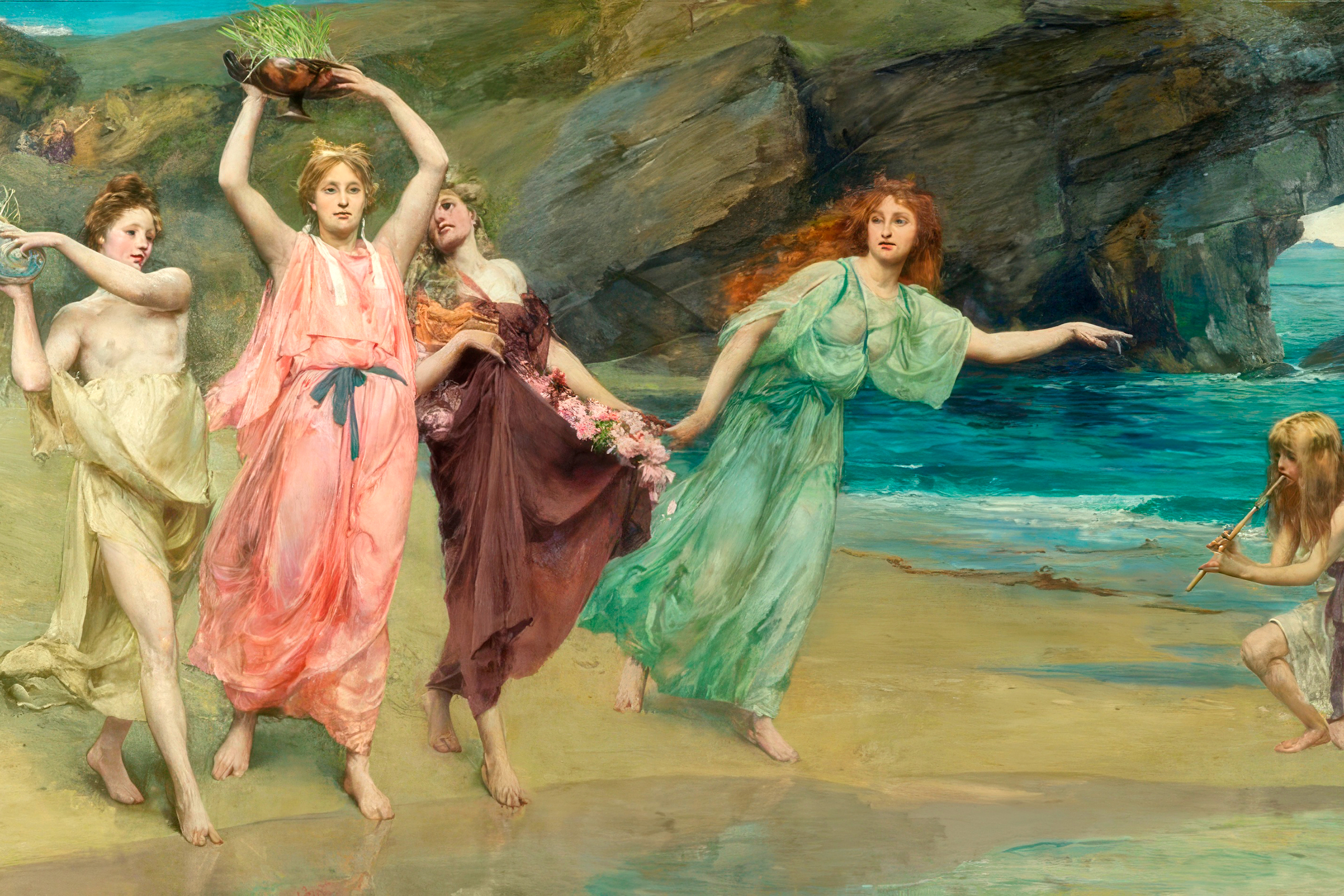
The Adonia festival commemorated Adonis’s tragic death, celebrated by women every year in midsummer. During this festival, Greek women would plant gardens of Adonis, small pots containing fast-growing plants such as lettuce and fennel, which they would set on top of their houses in the hot sun. The plants would sprout quickly but soon wither and die from the heat.
Then the women would mourn the death of Adonis, tearing their clothes and beating their breasts in a public display of grief. The gardens of Adonis were seen as wasteful by some, but to the women who celebrated the Adonia they were a symbol of love and beauty that, although cherished, was short-lived and vulnerable.
Together with statuettes of Adonis, the failed gardens were carried in a funeral procession. In Athens, this parade went to the coast and the icons and dead plants were thrown into the sea from which Aphrodite had come. In other places, women held singing contests where they sang mourning songs in honor of Aphrodite’s dead lover.
The rituals reflected ancient beliefs about the cycle of vegetation and agricultural renewal. The winter represented a season of gloom and sadness, whereas the spring and summer brought the joy of new life. Adonis’s death and yearly return symbolized this natural pattern of death and rebirth that governed farming societies.
Adonis represents more than a mythological figure; he symbolizes the deep connection between human life and the natural environment. His story reflects the understanding that growth and decay are inseparable parts of existence. By embodying seasonal cycles, he bridges the gap between cosmic patterns and personal emotion.
Cyprus and the Adonis Cult
The cult of Adonis gradually superseded that of Cinyras in Cyprus, becoming deeply embedded in the island’s religious landscape. At Amathous, the cult of the goddess was kept very vivid as witnessed by the great number of figurines and statues of the Hellenistic period, while her cult was associated with the cult of Aphrodite-Isis and Adonis.
The legend is based in fact on the Kinyrid dynasty and the rituals of Aphrodite and Adonis survive in the Paphiot spring flower festival, the Anthistiria, and the Flood Festival in June, Kataklysmos, where a plunge in the sea echoes Aphrodite’s emergence from the waves. These modern festivals preserve ancient traditions, allowing contemporary Cypriots to maintain connections to mythology that shaped their island’s identity.

Funerary lamentations took place in the annual celebrations in honor of Aphrodite and Adonis across Cyprus. After the death of Adonis, Aphrodite declared that memorials of her sorrow would endure and each passing year his death would be repeated in the hearts of men to re-enact her grief and lament. This promise ensured the festivals continued across generations.
Why the Myth Endures
The story of Adonis illustrated the Greek ideal of youthful good looks, but it carried deeper meaning as a fertility myth. The narrative explained seasonal cycles and agricultural patterns crucial to Mediterranean civilizations. Adonis represented vegetation that dies in summer heat and revives with autumn rains.

The myth emphasized the temporary nature of beauty and life. Despite his perfect appearance and divine love, Adonis could not escape mortality. This tragic element made the story resonant across cultures and time periods. Artists, poets, and writers have drawn inspiration from Adonis for thousands of years.
The tale also demonstrated Aphrodite’s vulnerability. In her love with Adonis, she becomes a brave goddess who fights for her love at the expense of losing her beauty. The goddess usually portrayed as powerful and seductive appears grief-stricken and helpless, unable to save her beloved from death. This humanization made the deities more relatable to worshipers.