Moving to a new country brings excitement mixed with practical challenges. Cyprus welcomes thousands of newcomers annually, from retirees seeking Mediterranean sunshine to professionals building international careers. The island nation offers a comfortable climate with over 320 sunny days yearly, affordable living costs compared to Western Europe, and a welcoming expat community.

English speakers find integration particularly smooth, as the language remains widely spoken due to Cyprus’s British colonial history lasting until 1960. Understanding the essential steps before arrival transforms what could be an overwhelming process into a manageable transition. This guide covers the practical elements of settling in Cyprus successfully.
Finding Housing That Fits Your Budget
Housing costs vary dramatically by location and proximity to coastlines. Limassol and Nicosia command the highest rents, with one-bedroom city center apartments ranging from €700 to €1,500 monthly. Paphos and Larnaca offer more affordable options at €400-700 for similar accommodations. Mountain villages and inland areas provide the lowest costs, with properties sometimes available under €400 monthly.

Purchase prices follow similar patterns. Coastal properties in tourist zones cost €3,000-5,000 per square meter, while inland locations range from €1,300-2,500. Property buyers must account for additional expenses including VAT (5-19% depending on property type and value), stamp duty (0.15-0.2%), and transaction fees (1%). Non-EU buyers require Council of Ministers approval, though this rarely causes delays.
Popular rental listing platforms include Bazaraki.com and Facebook groups dedicated to Cyprus housing. Facebook expat communities often provide reliable landlord referrals and shared housing opportunities. Most landlords require one month’s rent as security deposit plus first month’s payment upfront.
Rental agreements should specify utility responsibilities, as electricity and water bills range from €100-200 monthly with significant summer increases from air conditioning usage.
Transportation Realities on the Island
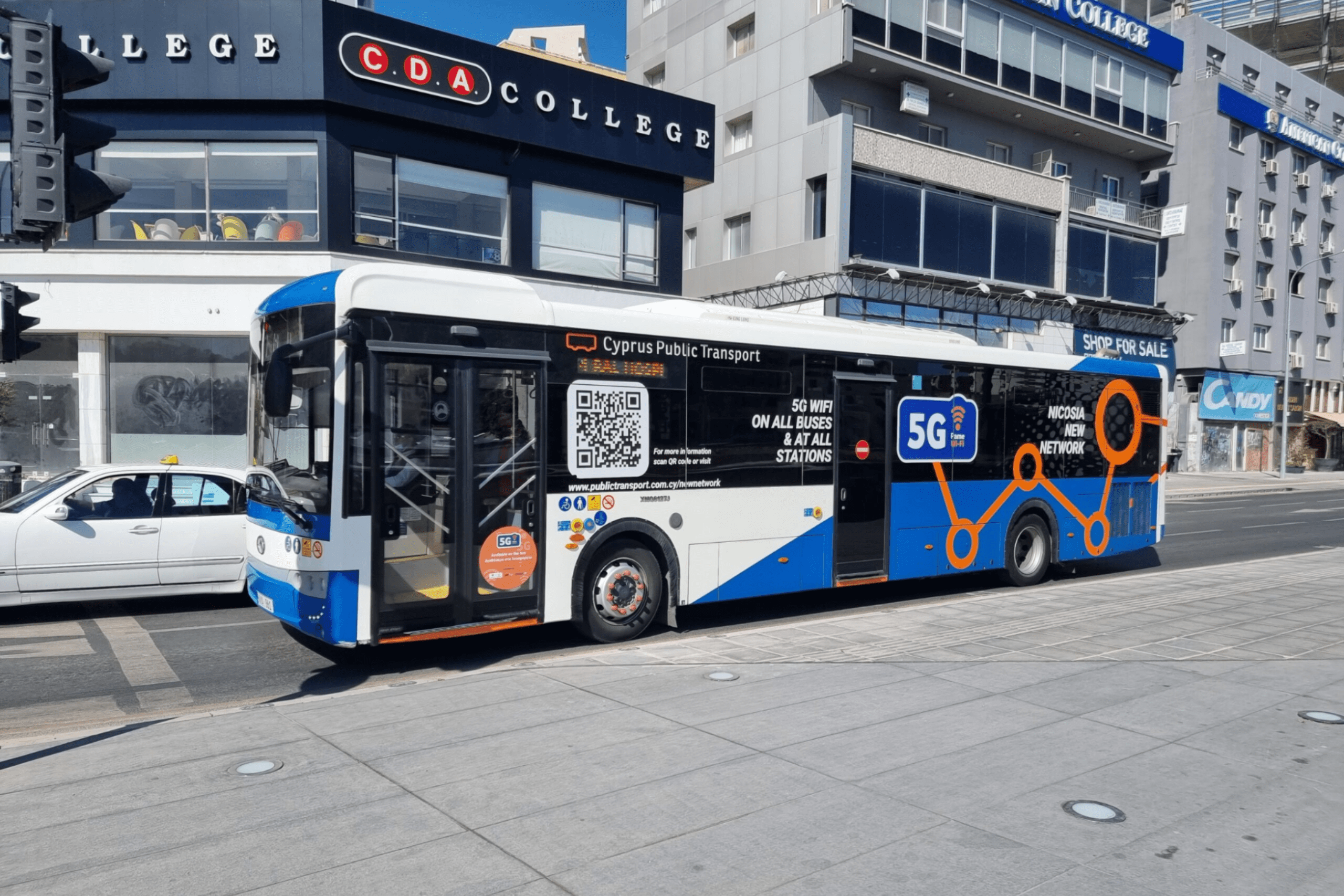
Public transportation remains limited across Cyprus, making vehicle ownership nearly essential for most residents. Buses operate mainly in city centers with infrequent schedules. The island drives on the left side, familiar to British newcomers but requiring adjustment for others. Road signs appear in both Greek and English.
Petrol costs approximately €1.39 per liter for unleaded 95. Importing vehicles from EU countries involves registration fees and road tax based on engine size and emissions. Non-EU vehicle imports face customs duties that often make purchasing locally more economical.
Cyprus uses right-hand drive vehicles, though left-hand drive imports are permitted. The Motor Vehicles Inspection Unit must approve all imported cars. Annual road tax ranges from €50 for small engines to several hundred euros for larger vehicles. Compulsory insurance costs vary by age, driving history, and vehicle type.
Cypriot driving licenses are available through a practical and theoretical test. EU license holders can exchange without testing during the first six months of residency. Non-EU licenses from certain countries allow direct exchange, while others require taking local tests. Most major international car rental companies operate at both Larnaca and Paphos airports for newcomers not ready to purchase immediately.
Banking Basics for New Residents
Opening a bank account ranks among the first practical tasks after arrival. Both EU and non-EU citizens can establish accounts without residency requirements, though documentation differs. EU nationals typically provide passport or national ID, proof of address (recent utility bill), and basic income documentation. Processing completes within two weeks.

Non-EU applicants face stricter requirements including notarized documentation, clear proof of income sources, and explanation of fund origins. Processing extends to three to six weeks. The main Cypriot banks include Bank of Cyprus (largest with most extensive branch network), Hellenic Bank (recently merged with Eurobank), Alpha Bank (known for customer service), and AstroBank. All offer English-language services and digital banking platforms.
Traditional banking hours close early at 1-2pm, making online banking essential for most account management. Account types include basic accounts for everyday transactions (available even without employment or residence permits), current accounts with overdraft facilities and checkbooks, and savings accounts offering higher interest rates.
Most banks require initial deposits of €500-1,000 when opening accounts for foreign nationals. Monthly fees vary by bank and account type, typically ranging from €0-15. ATM withdrawals at own-bank machines usually carry no charges, while other banks charge €1-3 per transaction.
Practical Daily Life Considerations
Grocery shopping options range from large international supermarkets to local markets selling fresh produce. Major chains include Alphamega, Papantoniou, and Lidl. Local farmers’ markets offer seasonal fruits and vegetables at lower prices, typically operating Saturday mornings in most towns. Imported products cost significantly more than local alternatives.

A realistic monthly grocery budget for one person ranges from €250-350, with costs increasing for households preferring imported brands. Electricity bills fluctuate dramatically by season. Summer air conditioning can triple costs compared to mild weather months.
Many homes use electric water heaters, adding to consumption. Two-monthly bills for average families range from €200-400 in summer and €100-200 in winter.
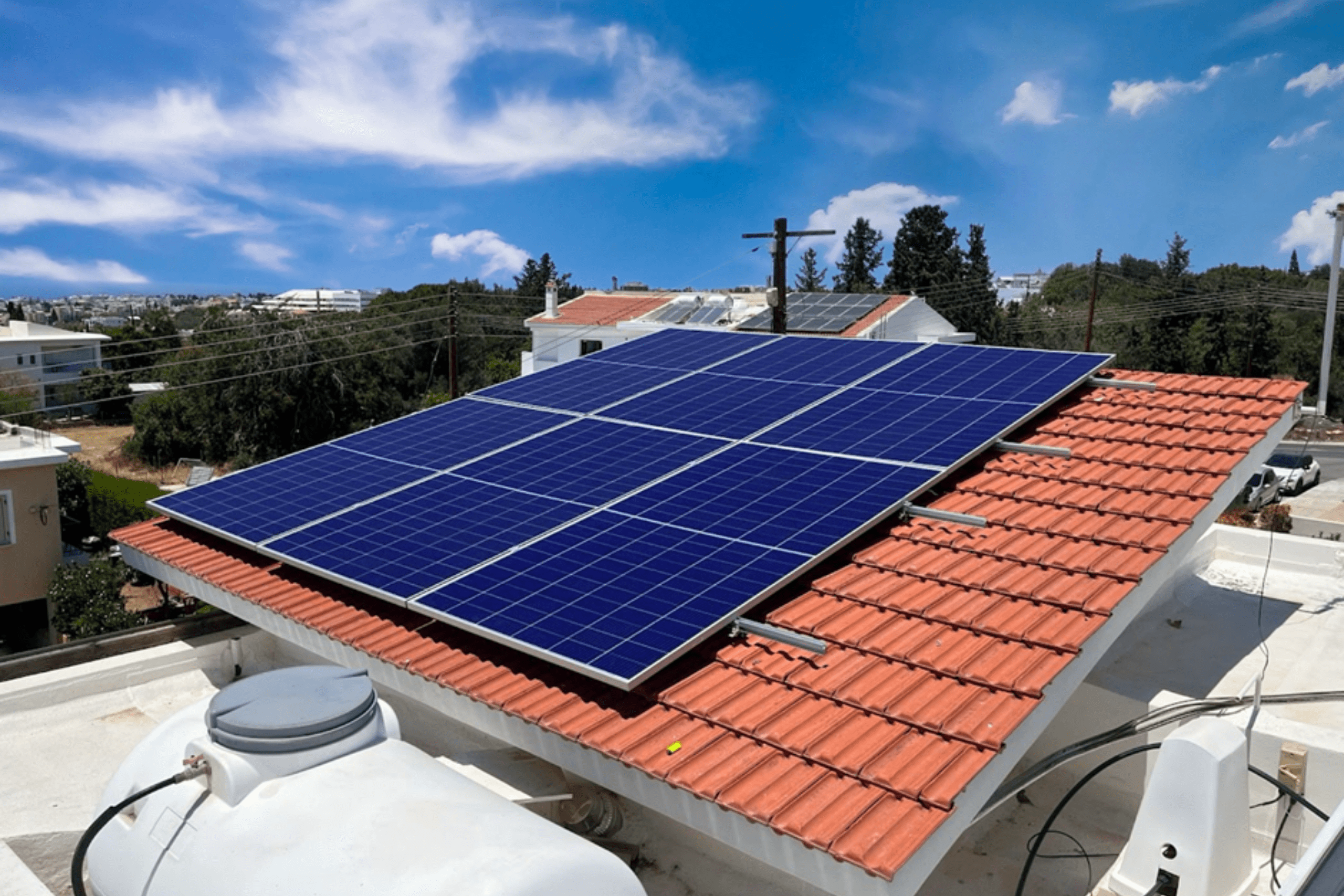
Solar panels reduce costs substantially but require initial investment of €5,000-8,000 for residential systems.
Time perception in Cyprus operates differently from Northern European standards. Appointments may start 15-30 minutes late without apology. Service industries move at relaxed pace. This slower lifestyle appeals to many expats but requires patience during administrative processes like license renewals or permit extensions. Government offices often experience long queues, particularly near deadline periods.
Social Integration Through Community Groups
Established expat communities organize regular activities helping newcomers integrate. Facebook groups dedicated to specific cities or nationalities provide real-time advice, event announcements, and social connections. Popular groups include “Expats in Cyprus,” “Paphos Expats,” and “Limassol International Community.”
Regular meetups occur for various interests including hiking groups exploring Troodos Mountain trails, book clubs, wine tasting evenings, tennis leagues, golf tournaments, and charity fundraising events.
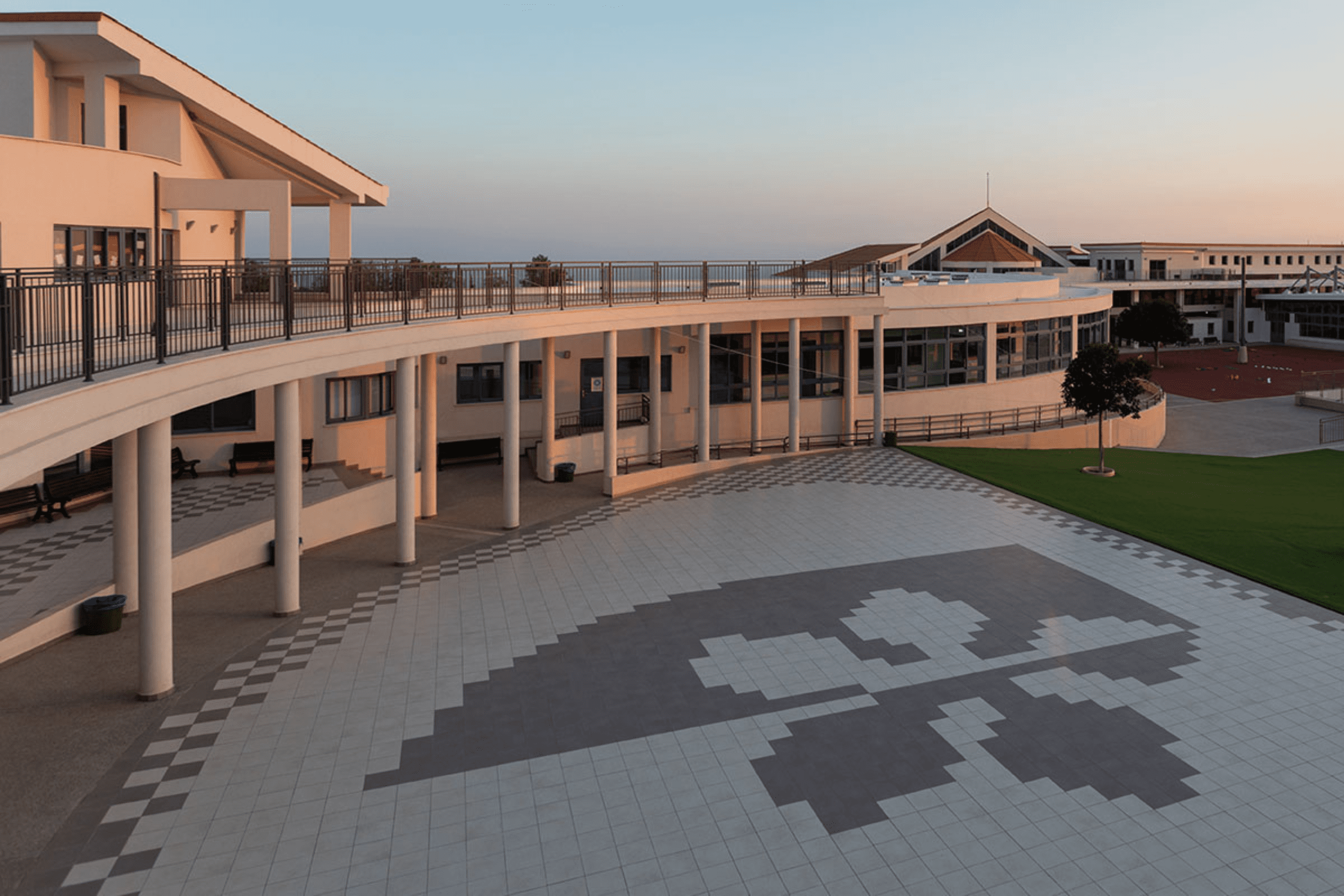
International schools often serve as social hubs for expat families, with parent groups organizing social events extending beyond school activities. Sports clubs welcome foreign members, with cricket, rugby, and football clubs particularly active among British expats.
Volunteer opportunities exist through animal welfare organizations, environmental conservation groups, and charities supporting vulnerable populations.
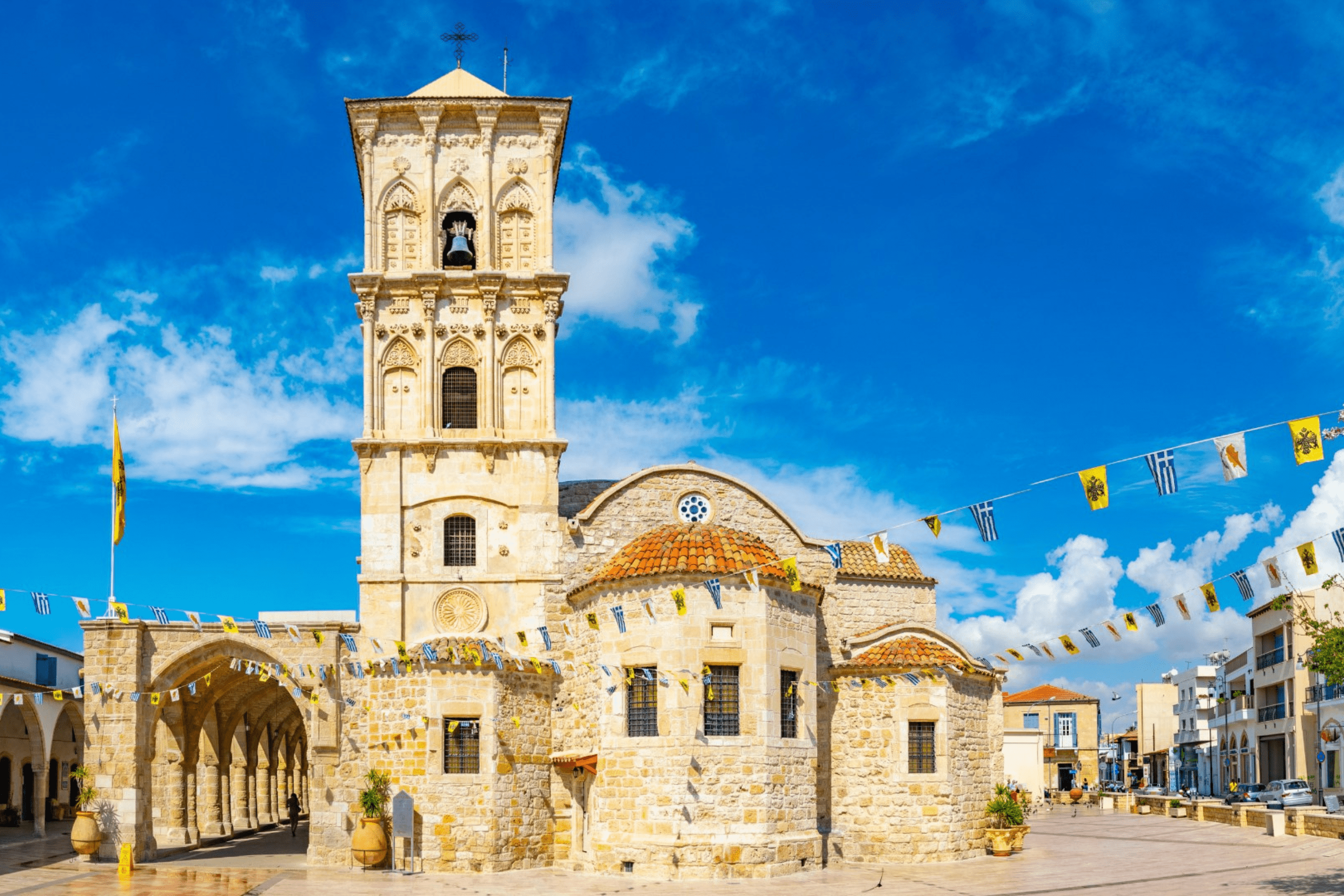
Churches and religious organizations maintain English-language services in major cities, providing both spiritual support and social networks. The island celebrates numerous festivals throughout the year including village wine festivals, religious processions, traditional dance performances, and cultural exhibitions. These events offer authentic Cypriot experiences and opportunities to meet locals.
Building Your New Life Successfully
Successful settling in Cyprus depends on realistic expectations and thorough preparation. The bureaucracy moves slowly by Western standards, requiring patience with paperwork processing. However, the established expat infrastructure means newcomers find extensive support networks.
The climate enables outdoor lifestyles year-round, with beach access and mountain hiking both readily available. Cost of living remains lower than most Western European countries, though specific expenses like electricity challenge budgets. Healthcare quality meets international standards while remaining affordable.
The island’s safety and low crime rates allow residents to move freely without security concerns. English prevalence eases the transition while gradual Greek language acquisition enhances cultural integration.
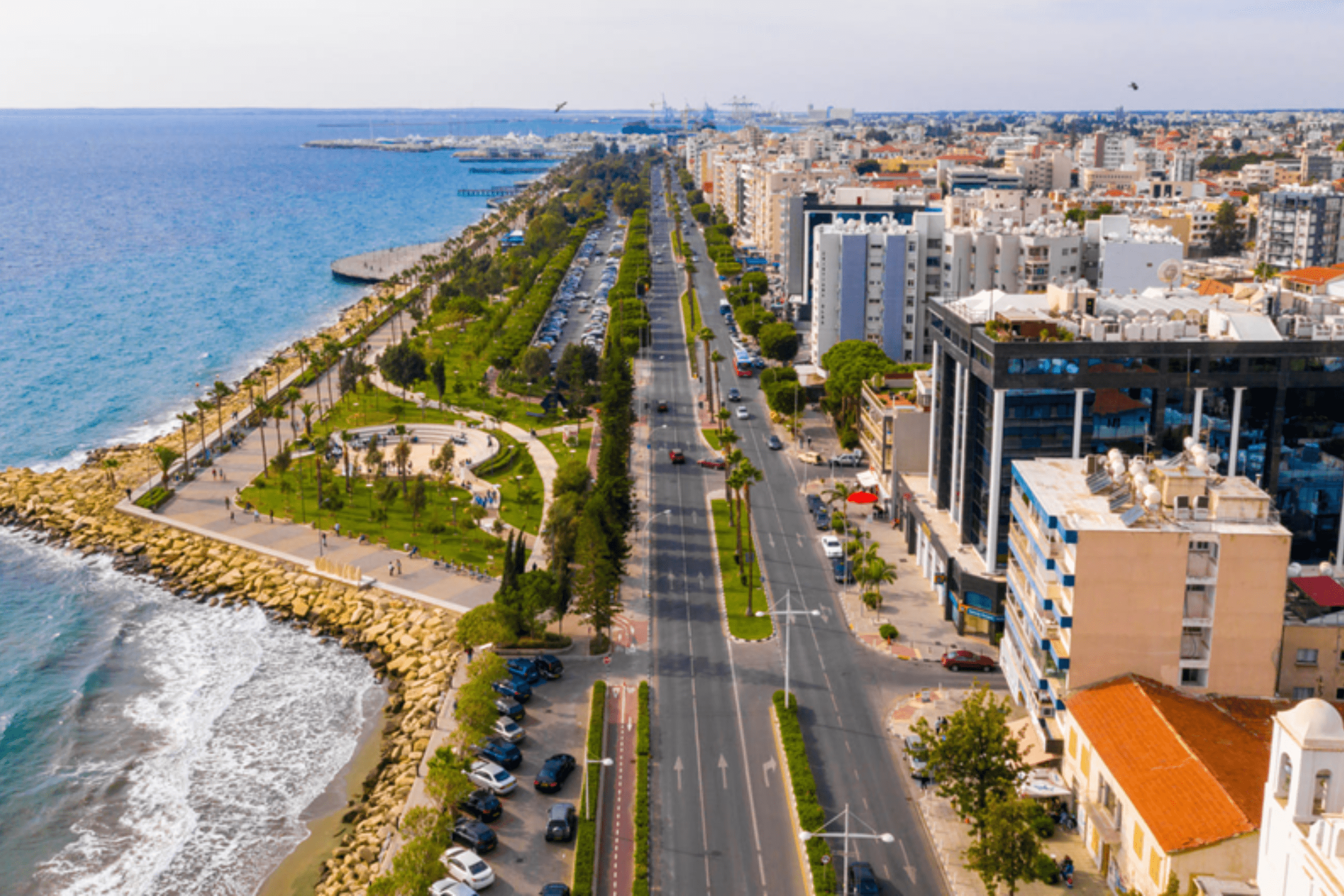
Whether retiring to coastal tranquility, pursuing career opportunities, or seeking Mediterranean lifestyle, Cyprus offers the infrastructure and community support for successful settlement. Taking time to understand local systems, connecting with expat networks, and embracing cultural differences creates the foundation for making Cyprus feel like home rather than just another foreign country.