Shepherd Calls and Vocal Signals are non-musical vocal expressions integral to pastoral life in Cyprus, forming a unique soundscape shaped by the island’s landscape and herding traditions. These calls, including whistles, shouts, and melodic cries, serve practical purposes like directing flocks or communicating across distances, while carrying cultural depth. This practice preserves ancient methods of interaction with nature, highlighting how sound connects livelihood, environment, and community in Cypriot rural heritage.
An Acoustic Tradition of the Countryside
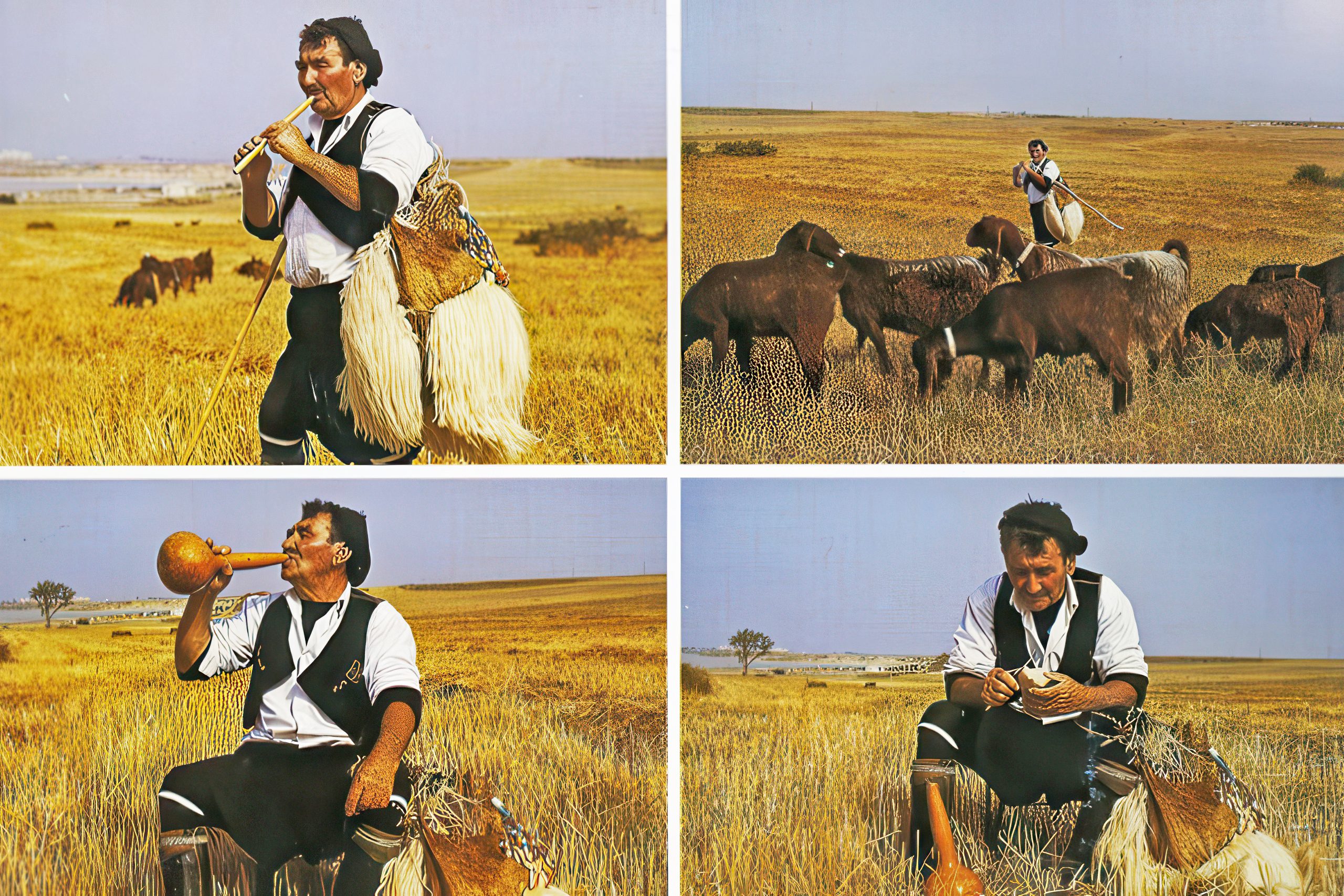
Shepherd calls and vocal signals represent a functional form of communication in Cypriot pastoralism, where sounds replace words to manage livestock and navigate terrain. These expressions, devoid of formal melody, rely on pitch, volume, and timbre to convey commands or alerts. In the island’s varied landscapes – from coastal plains to Troodos mountains – they create an auditory layer that blends with natural echoes, forming a soundscape unique to herding life. This tradition underscores how Cypriot shepherds adapted vocal techniques to their environment, turning everyday tasks into a cultural practice that links humans, animals, and land.
The Historical Foundations of Vocal Herding
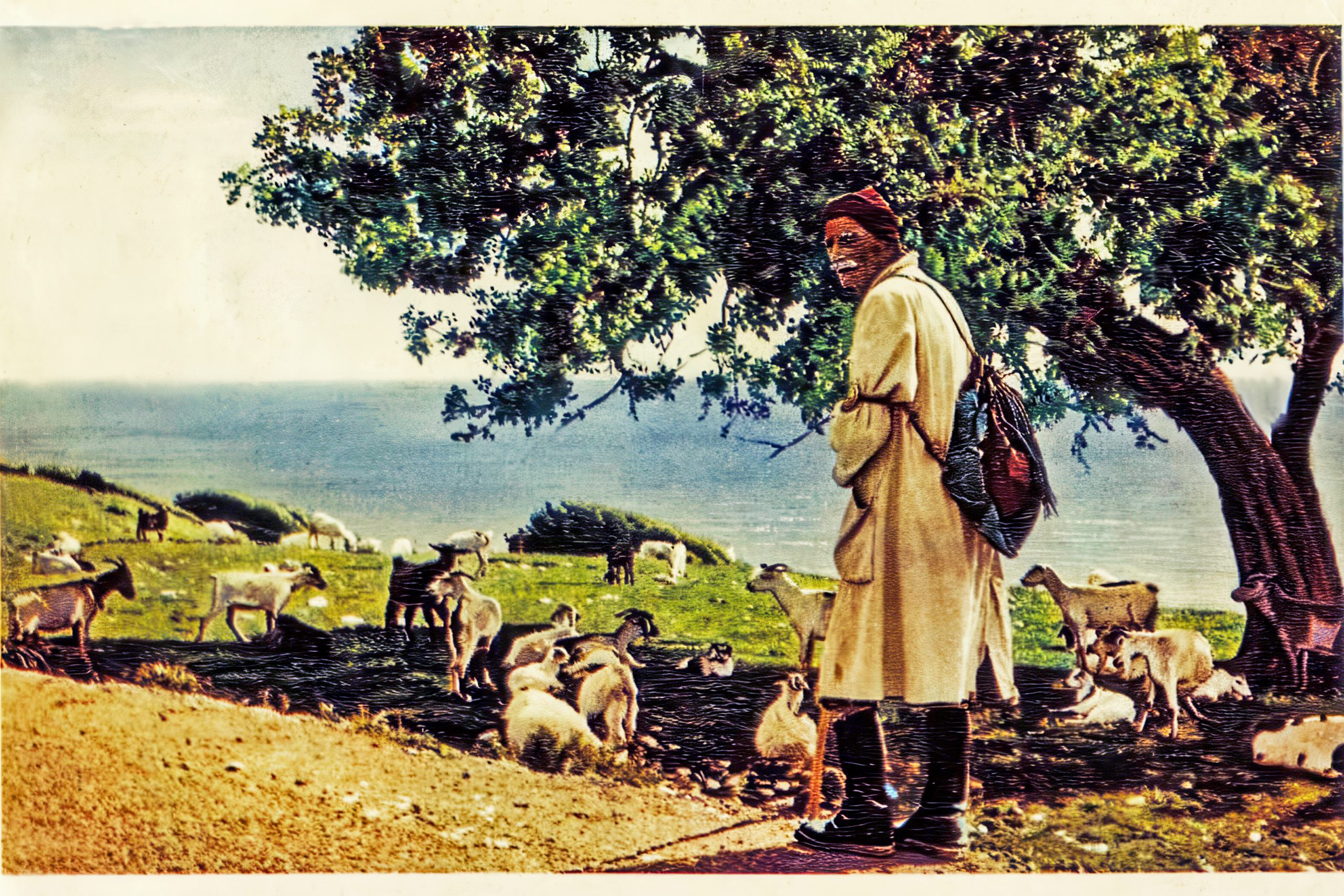
Shepherd calls in Cyprus trace origins to prehistoric times, when early inhabitants domesticated animals around 8500 BC during the Neolithic period. Archaeological evidence from sites like Choirokoitia shows tools for herding, suggesting vocal signals accompanied flock management. By the Bronze Age (2500-1050 BC), trade with the Levant and Aegean introduced new herding practices, with calls possibly influenced by Eastern whistles for signaling across valleys.
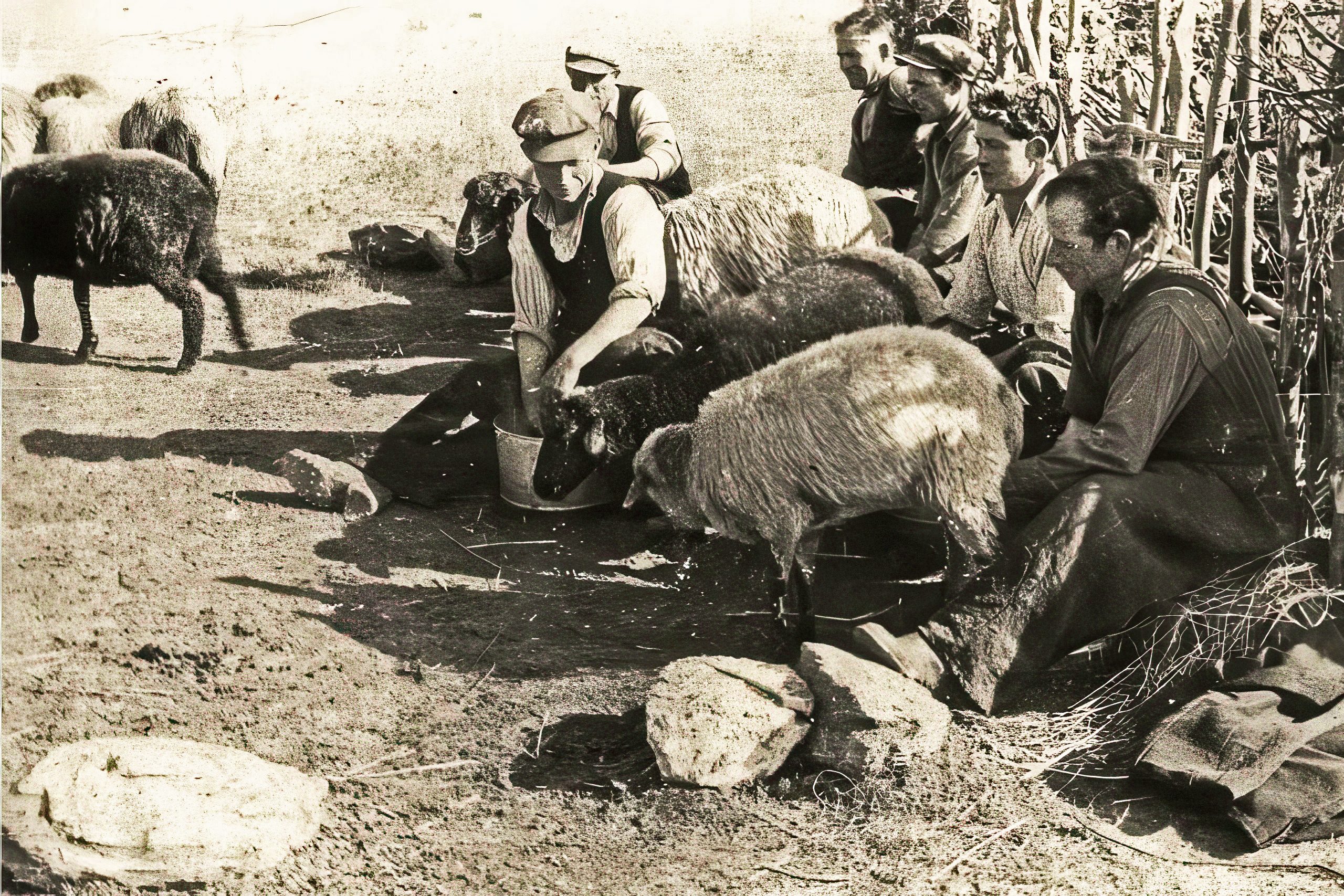
In the Byzantine era (4th-15th centuries AD), monastic herding in Troodos monasteries formalized some signals, blending them with chants for spiritual resonance. Lusignan rule (1192-1489) added Western elements, like French hunting horns, but Cypriot calls stayed vocal for practicality in rugged terrain. Venetian period (1489-1571) saw Italian influences in rhythmic patterns, while Ottoman occupation (1571-1878) incorporated Turkish “çoban” calls, adding yodel-like trills for long-distance communication.
British colonial times (1878-1960) documented them in ethnographic studies, like those by John Myres in 1900, noting regional variations: mountain calls with echoes for distance, coastal ones shorter for wind. Post-independence in 1960 and 1974 division, calls persisted in rural areas, with Greek Cypriot versions emphasizing flock commands, Turkish Cypriot adding “hey” shouts. UNESCO’s intangible heritage efforts recognize them as part of Cypriot folk practices, with recordings by the Centre for Cypriot Studies preserving dialects.
How Calls and Signals Work
Cypriot shepherd calls use a repertoire of sounds: short whistles for stopping flocks, long cries for gathering, and shouts like “hoi” for direction. Pitch varies – high for urgency, low for calm – with timbre adjusted by cupping hands or using landscape echoes. In mountains, calls travel up to 1km, shaped by terrain for natural amplification. Signals include claps or stick taps for dogs, but vocal ones dominate for sheep, exploiting herd instincts.

Regional variants: Troodos calls are drawn-out with trills for valleys, Paphos shorter with whistles for plains. Tools like “koudounia” (bells) complement, but voice remains primary. This system ties to livelihood – efficient for solo herders managing 100+ sheep – and landscape, where sounds navigate fog or night.
Fun Facts That Add Charm
A quirky custom: shepherds “name” calls after animals, like “kri-kri” for goats mimicking bleats. In folklore, calls originated from Pan teaching shepherds to “speak” to flocks, a myth in 19th-century collections by Nikolaos Politis. UNESCO noted similarity to Sardinian “tenores,” traded via Venetian ships. Famous 20th-century shepherd Michalis from Pedoulas could call flocks from 2km, recorded in 1950s audio archives at the Peloponnesian Folklore Foundation. And in contests at festivals, shepherds compete in call distance, with prizes for clarity.
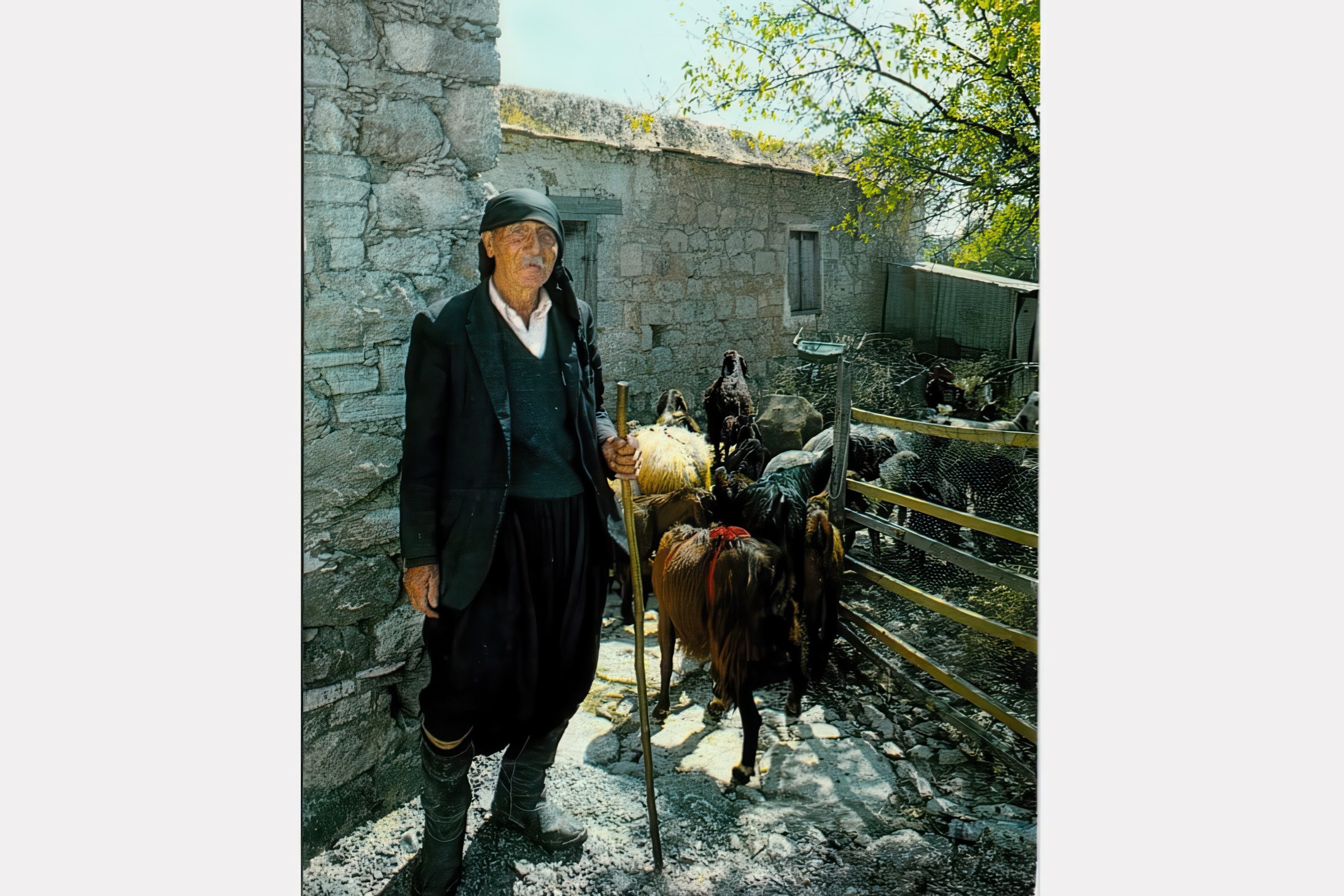
One tale: during Ottoman times, calls hid messages from tax collectors, using codes for warnings. Modern apps simulate calls for educational use.
Deeper Role in Livelihood and Culture
Calls symbolize harmony with nature: high pitches mimic bird warnings for danger, low tones calm like wind. In herding, they reduce stress on animals, as studies by the Cyprus Veterinary Services show vocal commands lower cortisol levels in sheep compared to physical prods. Socially, calls foster bonds – shepherds recognize each other’s “voice prints,” aiding cooperation in shared pastures.
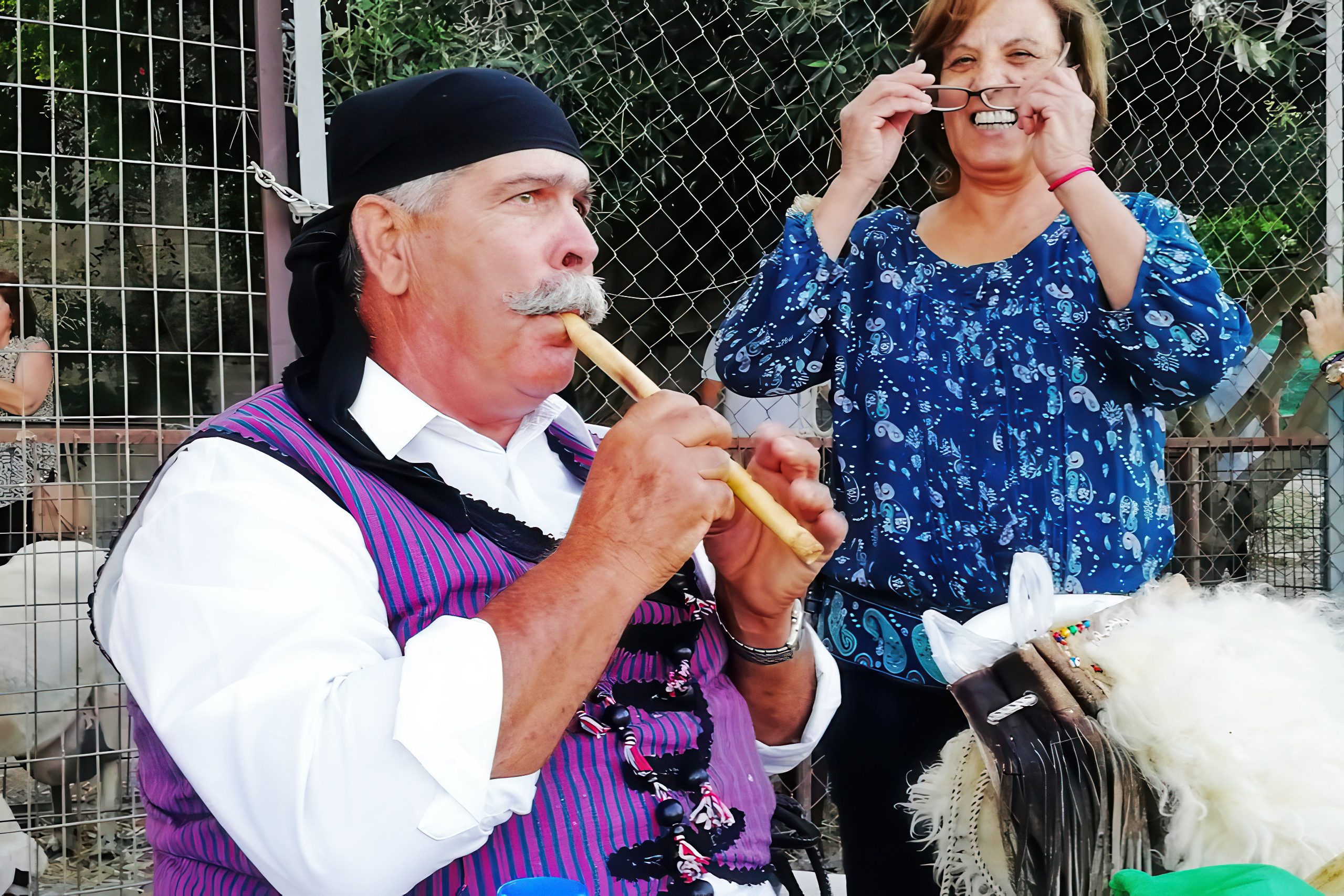
Cultural depth: calls preserve dialect with archaic words like “psa” for come, linking to ancient Greek. In rituals, they feature at saint feasts for livestock blessings, blending with chants. Regional identities shine: Turks call add Turkish “gel” for come, Greeks use Greek “ela.” This system reflects Cyprus’s blend, with Arab influences in whistles from Ottoman millets, Venetian in rhythmic patterns.
Ethnozoology at the University of Cyprus analyzes calls’ effects on animal behavior, noting how frequencies align with sheep hearing ranges for effective control.
Shepherd Calls in Cyprus Today
In contemporary Cyprus, shepherd calls endure in rural areas, with herders using them alongside GPS for tradition. Amid urbanization, they symbolize heritage, revived at festivals like the Psematismenos Shepherd Day in May, where demonstrations teach youth. Division since 1974 sees shared calls in bicommunal events, promoting unity. Climate change affects pastures, prompting adaptations like recorded calls for training. Artists incorporate them in sound art, while UNESCO’s heritage status spurs documentation by the Cyprus Folk Art Museum.
Opportunities for Exploration
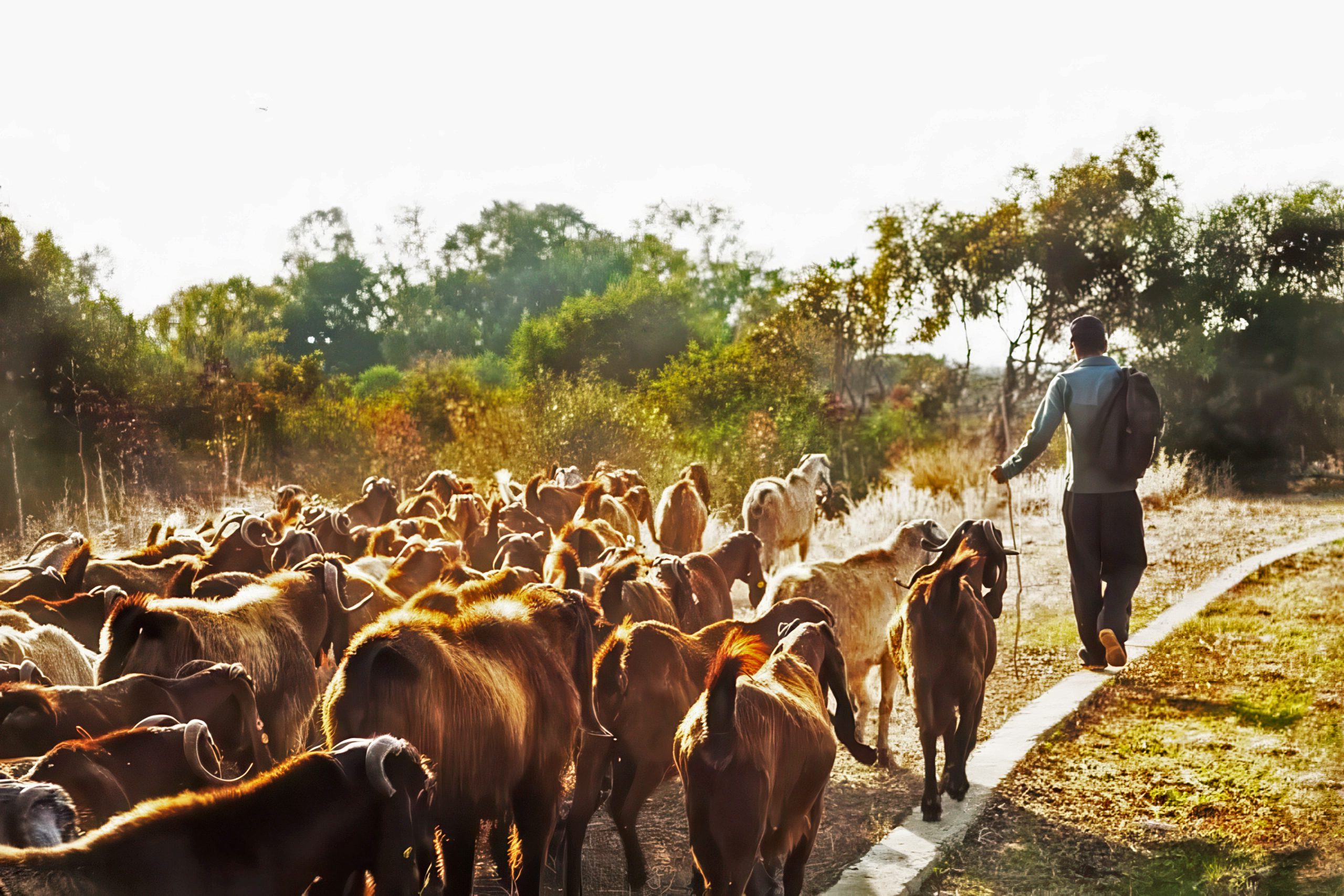
Cultural centers like the Cyprus Ethnographic Museum in Lefkosia host call demonstrations, open daily for €3. Festivals like the Troodos Shepherd Festival in July feature live signals, free to attend with workshops. Guided eco-tours through the Cyprus Tourism Organization cost €15-20, visiting pastures like Akamas for sessions. Spring or fall avoids heat, pairing with hikes where calls echo. Many venues offer online videos for remote access.
A Soundscape of Land and Life
Shepherd Calls and Vocal Signals hold value as non-musical expressions tying pastoral life to Cyprus’s landscape and livelihood, preserving ancient communication in a unique soundscape. This wasn’t just utility; it’s a link to historical roots, blending environment with emotion in every cry. Knowing it enriches appreciation for Cyprus as an acoustic crossroads. Engagement with its sound or signal evokes renewed wonder at cultural endurance. In a noisy world, these calls affirm voice’s power to connect past and present.