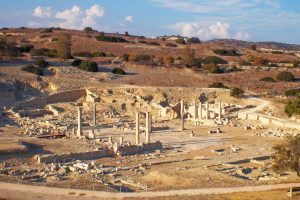
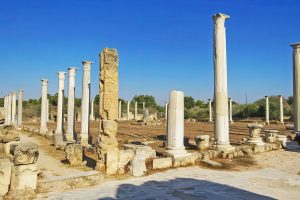
The Sanctuary of Apollo Hylates was one of the most important religious centres in ancient Cyprus, set within the wooded landscape near Kourion. Dedicated to Apollo in his role as protector of forests and nature, it combined Greek religious traditions with older local beliefs and attracted pilgrims for centuries.
The sanctuary reveals how religion, nature, and daily life were closely connected in the ancient world.
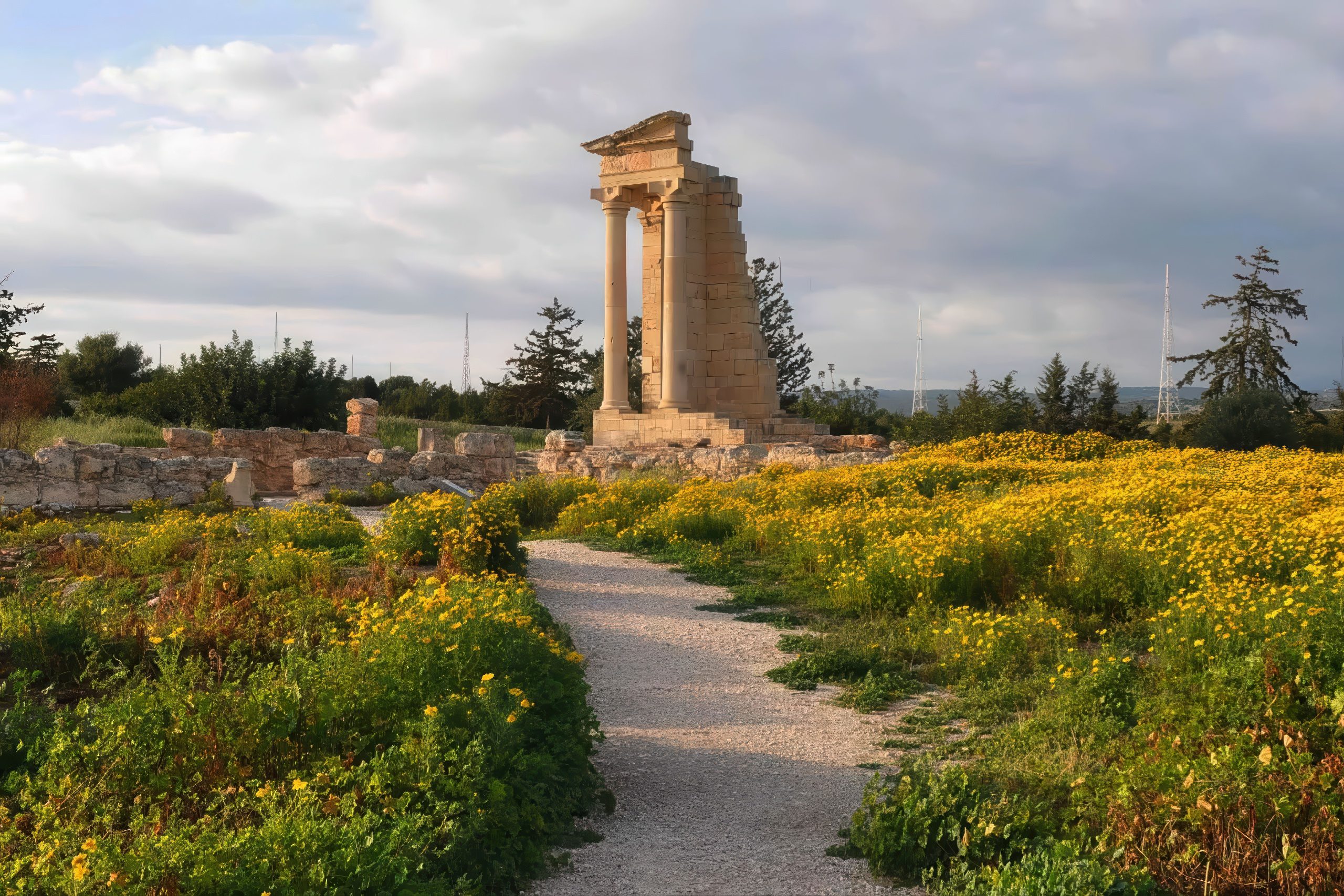
A Sacred Place in the Forest
The Sanctuary of Apollo Hylates lies west of ancient Kourion, surrounded by gentle hills and woodland. Unlike urban temples built into city centres, this sanctuary was deliberately placed in nature, reflecting the character of the god worshipped there.
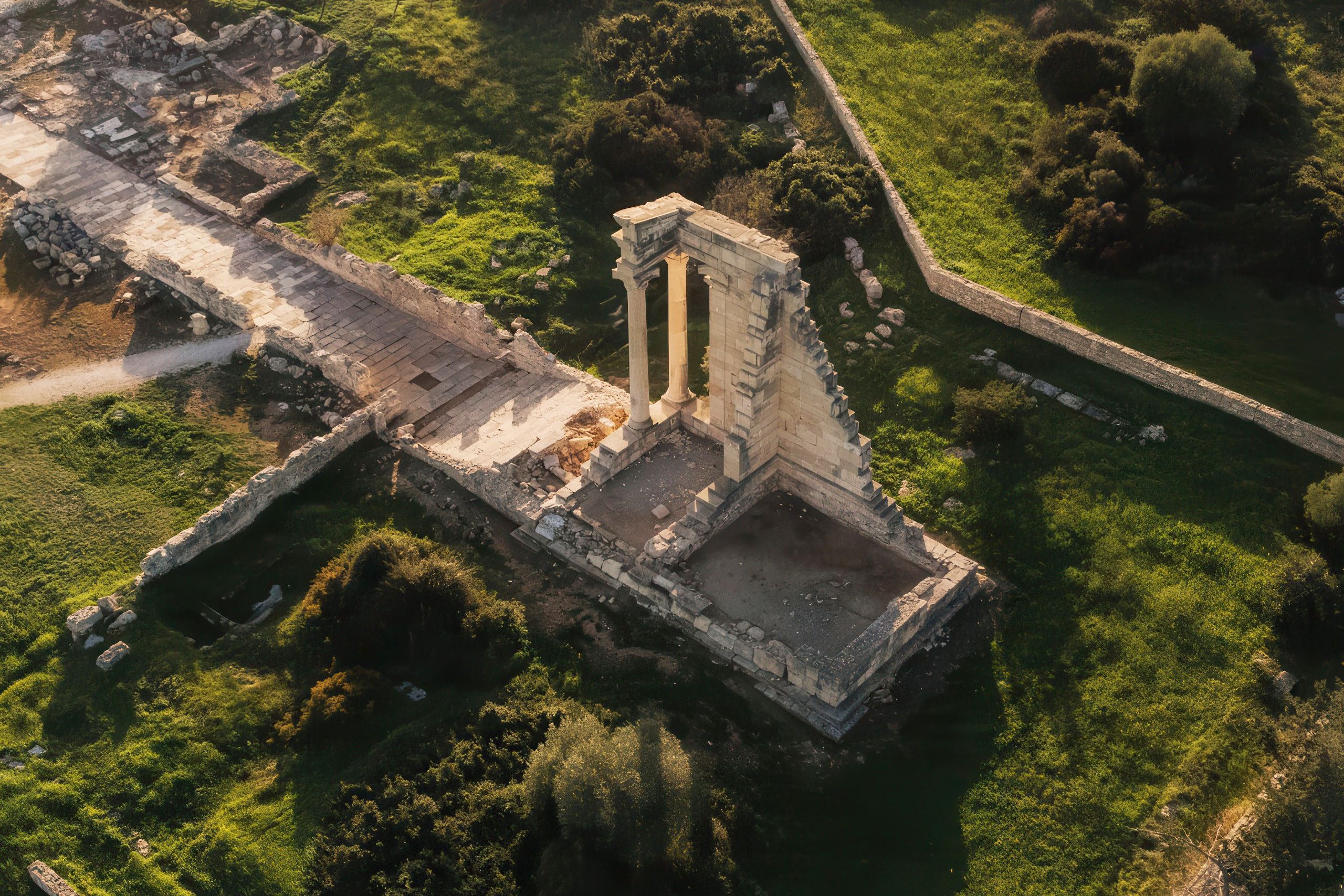
Apollo Hylates was not the sun god or musician known from classical myths, but a guardian of forests, wild landscapes, and natural balance. The setting itself was part of the sacred experience, where worshippers felt close to both the god and the land.
Roots Older Than the Greeks
The origins of the sanctuary reach back to the Late Bronze Age. Before Greek settlers arrived, local communities already worshipped a nature deity connected to trees and the wilderness. When Greek culture spread to Cyprus, this local god was identified with Apollo.
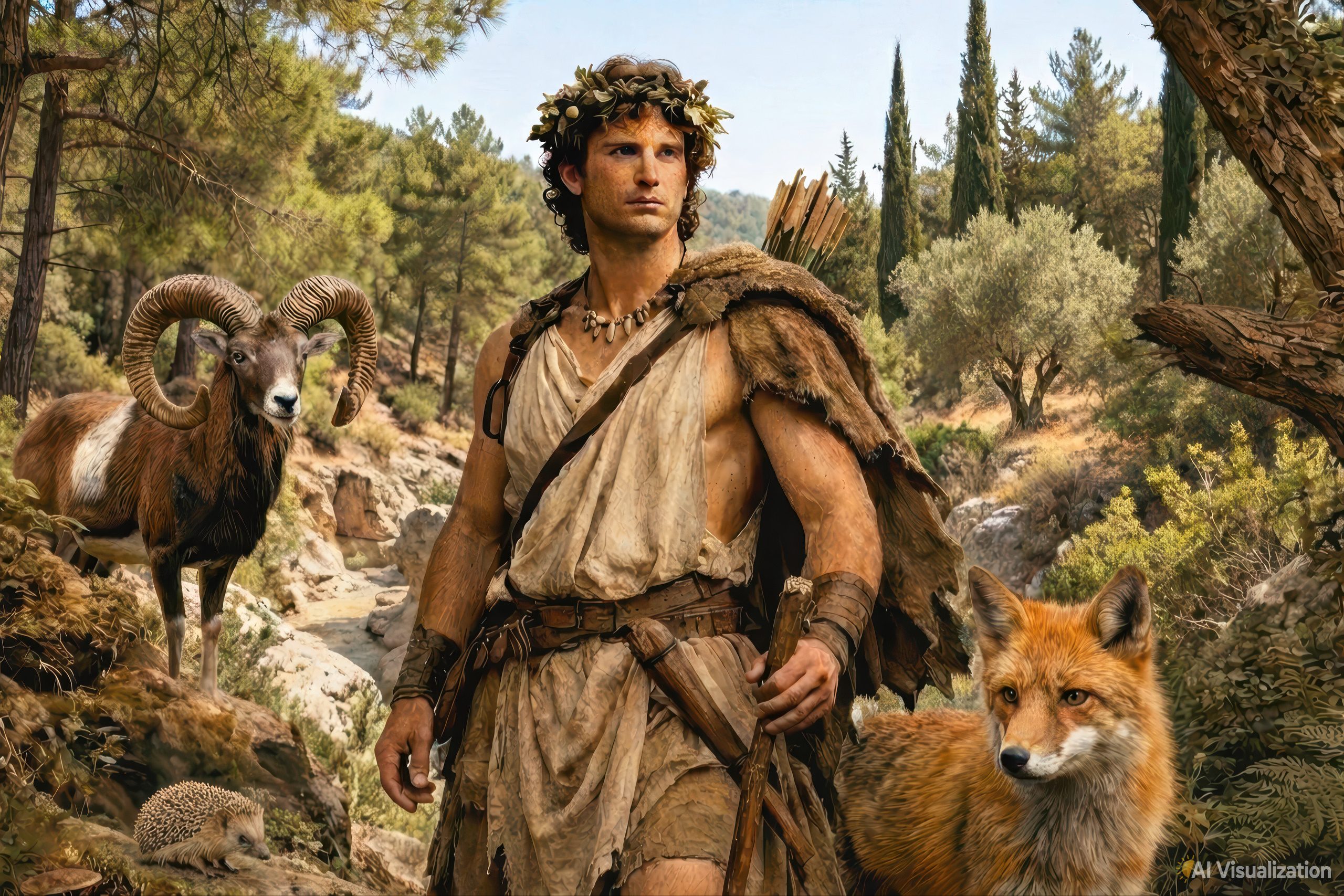
Rather than replacing older beliefs, Greek religion absorbed them. The result was Apollo Hylates, a uniquely Cypriot form of the god that reflected both Greek mythology and deep-rooted local traditions tied to the natural world.
From Sacred Grove to Monumental Sanctuary
At first, the sanctuary was likely little more than a sacred grove, marked by simple altars and open spaces. Over time, especially during the Hellenistic and Roman periods, it developed into a large and impressive religious complex.
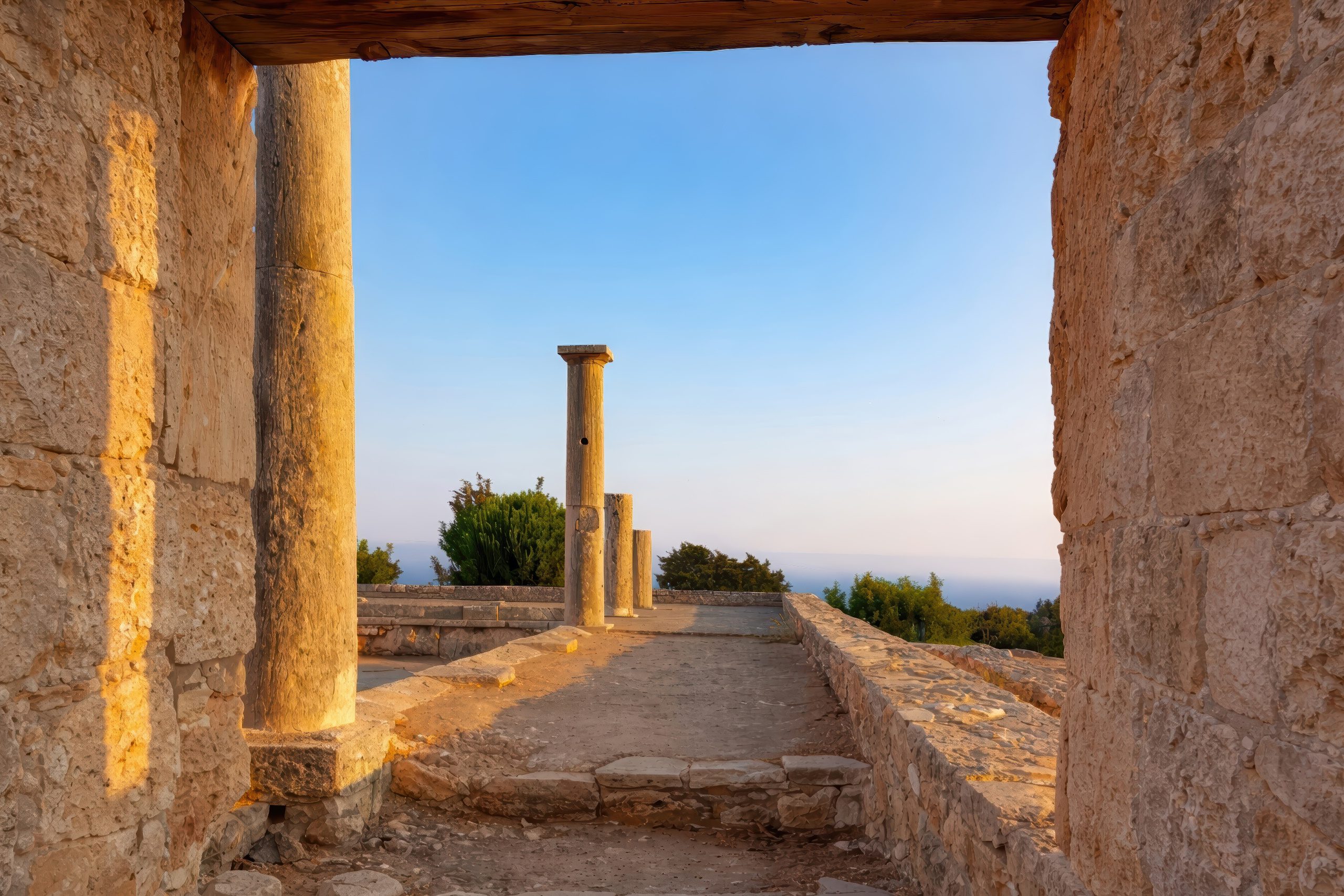
Visitors entering the sanctuary passed through gates and courtyards, moving toward altars, bathing facilities, and ceremonial buildings. Despite these later additions, the sanctuary always retained its open character, with rituals taking place under the sky rather than inside enclosed temples.
Pilgrimage, Ritual, and Daily Worship
For centuries, people travelled to the Sanctuary of Apollo Hylates to offer sacrifices, prayers, and gifts. Pilgrims sought protection, healing, and harmony with nature. The sanctuary also hosted festivals and communal gatherings that strengthened social and religious bonds.
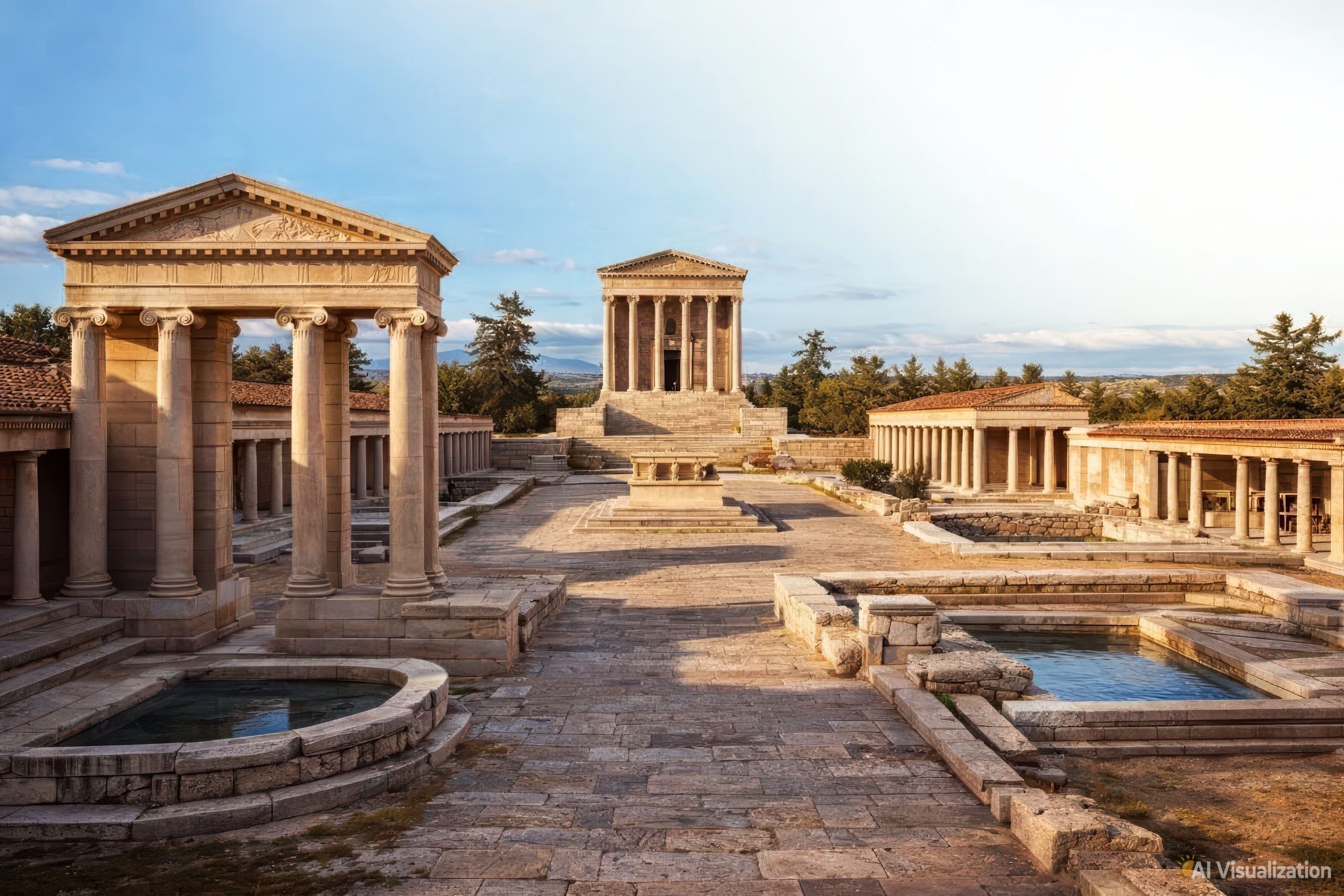
Strict rules governed behaviour within the sacred space. Certain activities were forbidden, reinforcing the idea that this was not an ordinary place but one governed by divine presence and respect for the natural world.
A Sanctuary Shaped by Nature
Unlike many Greek sanctuaries, this site was deeply integrated into its environment. Trees, open ground, and natural pathways were essential parts of the sacred layout. Even as stone buildings were added, they complemented rather than dominated the landscape.
This close relationship between architecture and nature reflects the identity of Apollo Hylates himself, a god whose power was believed to dwell in forests and untamed spaces rather than in cities alone.
Decline and Rediscovery
The sanctuary remained active well into the Roman period, but with the rise of Christianity, traditional pagan worship gradually faded. The site was abandoned, its buildings fell into ruin, and nature slowly reclaimed the area.
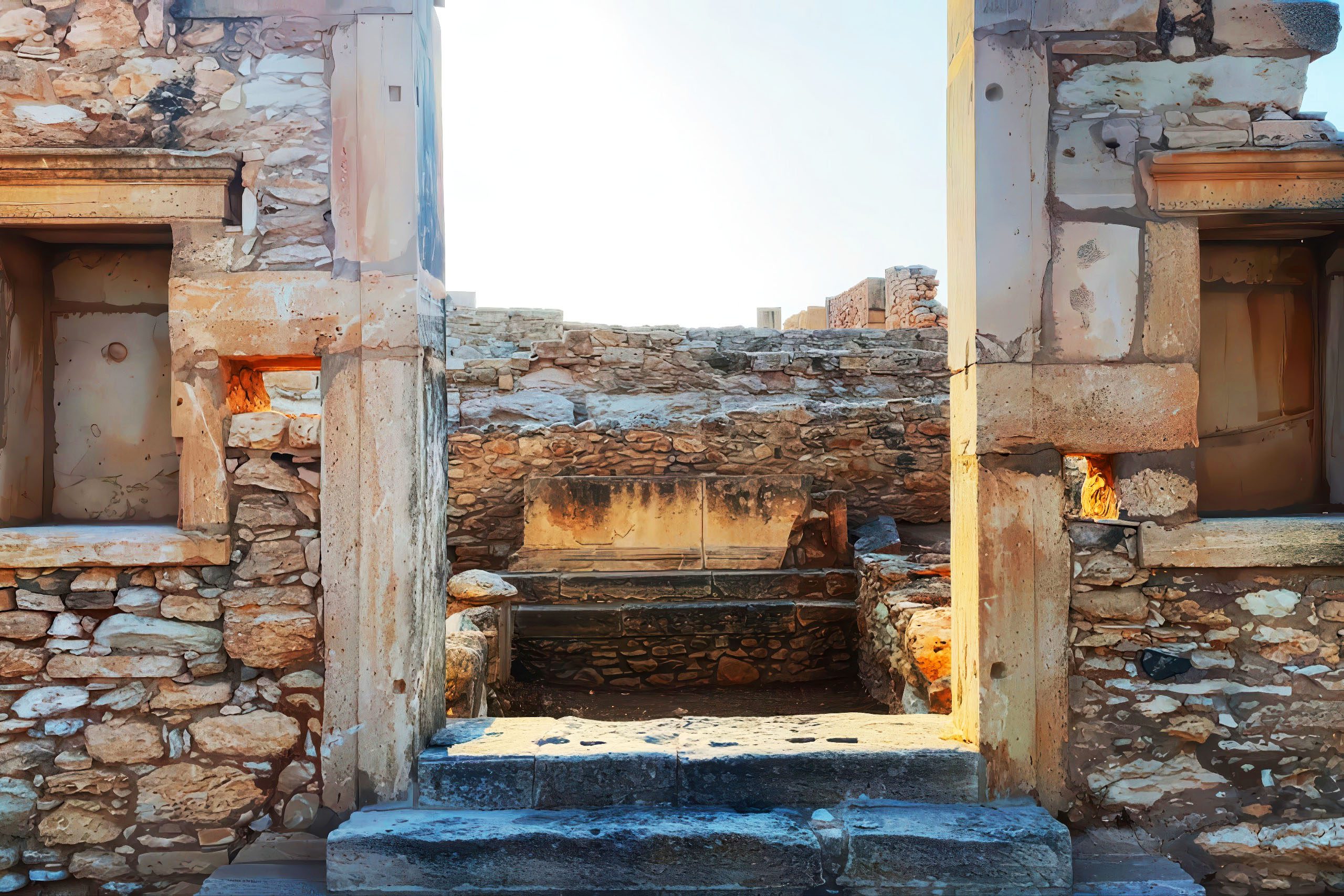
The sanctuary remained active well into the Roman period, but with the rise of Christianity, traditional pagan worship gradually faded. The site was abandoned, its buildings fell into ruin, and nature slowly reclaimed the area.
The sanctuary remained active well into the Roman period, but with the rise of Christianity, traditional pagan worship gradually faded. The site was abandoned, its buildings fell into ruin, and nature slowly reclaimed the area.
Centuries later, archaeological excavations uncovered the remains, revealing the scale and importance of the sanctuary and offering insight into how religion once shaped life beyond the city walls.
Visiting the Sanctuary Today
Today, the Sanctuary of Apollo Hylates is an open archaeological site set within a peaceful natural setting. Visitors can walk among the ruins, follow ancient pathways, and experience the same sense of space and calm that once defined the sanctuary.
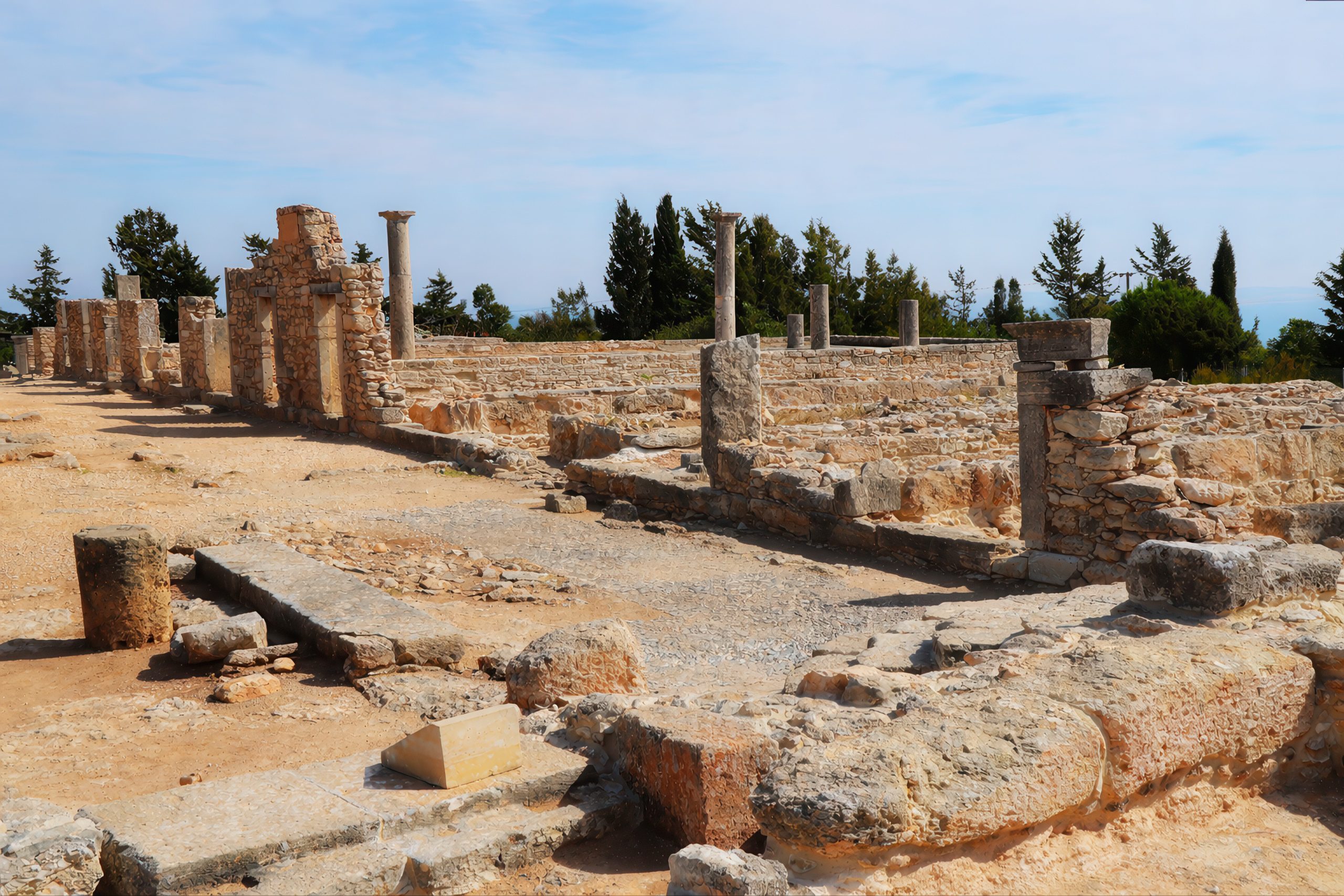
The site feels less like a monument and more like a landscape shaped by belief, making it easy to imagine ancient pilgrims moving through the trees toward the sacred heart of the complex.
Why the Sanctuary Still Matters
The Sanctuary of Apollo Hylates stands as a powerful example of how ancient religion adapted to place. It shows how Greek gods were reshaped by local traditions and how nature itself could become central to worship.
In a world increasingly separated from the natural environment, this sanctuary reminds us that for the ancient Cypriots, forests, land, and divine presence were deeply intertwined. It remains a quiet but meaningful link between Cyprus’s spiritual past and its living landscape.