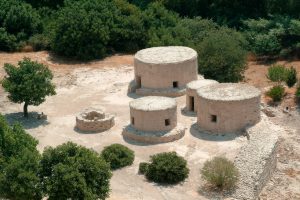
Paphos, the ancient city on Cyprus’s southwest coast, stood as the unrivaled heart of goddess worship in the Mediterranean, where Aphrodite’s cult drew pilgrims from afar to honor her as the embodiment of love, beauty, and fertility. This wasn’t just a local shrine; it became a global beacon, blending myth, ritual, and power in a place believed to be her earthly birthplace. Exploring its story reveals how a coastal spot turned into a sacred powerhouse that still captivates imaginations today.
A Sacred Hub Born from the Sea
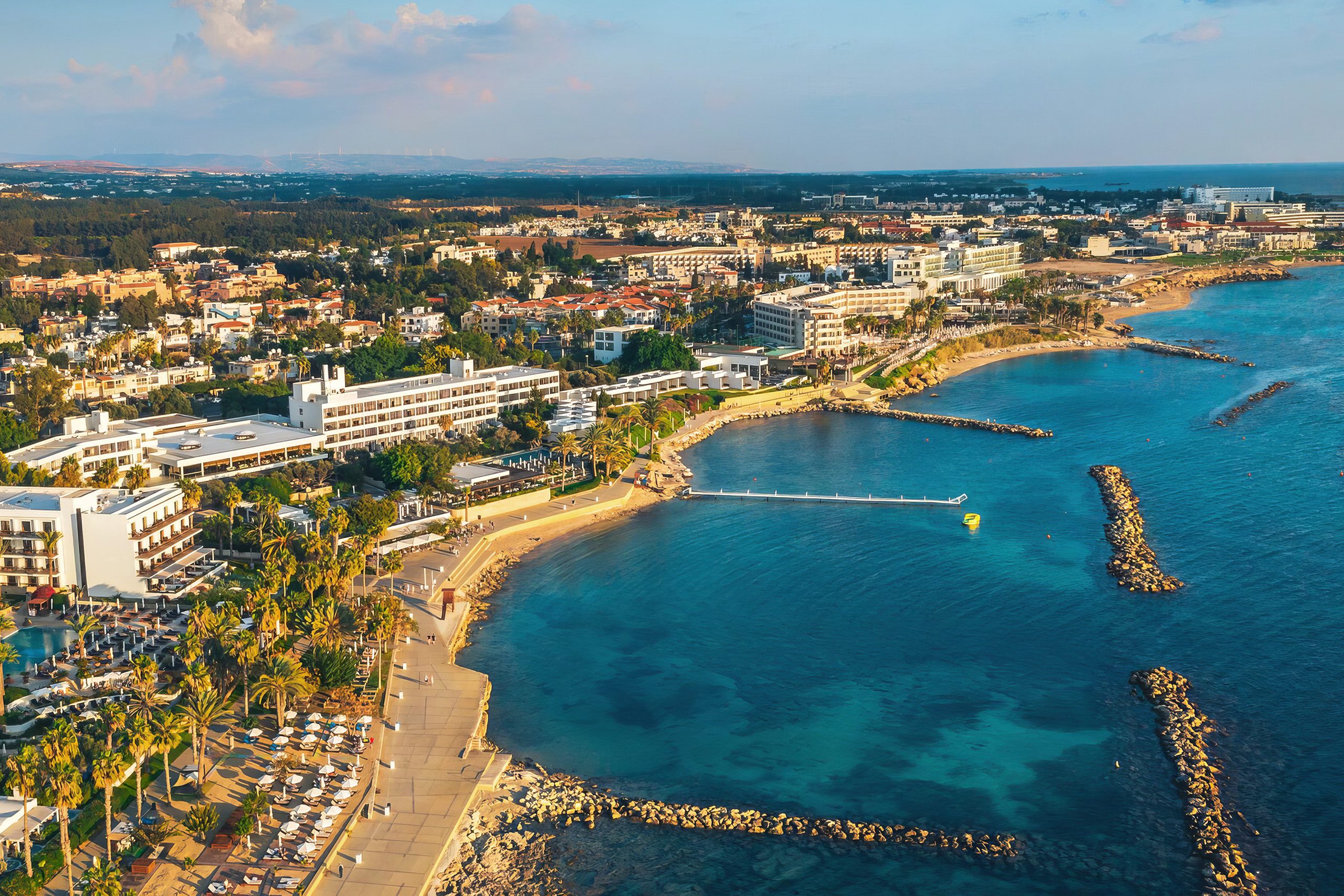
Picture Paphos as more than ruins – it’s where ancient worlds collided in devotion to a goddess who symbolized life’s spark. Tucked on Cyprus’s edge, with waves lapping at rocky shores and fertile fields stretching inland, the city grew around a sanctuary that felt like the goddess’s own domain. Here, worship wasn’t confined to temples; it spilled into the landscape, making every visit a brush with the divine. For centuries, from humble beginnings as a Mycenaean settlement to a bustling Roman hub, Paphos claimed supremacy in Aphrodite’s cult, attracting everyone from sailors seeking safe voyages to rulers craving legitimacy. No other site could match its pull – it was the origin point, where myth met reality in a way that felt timeless and intimate.
From Mythic Origins to Mediterranean Fame
Paphos’s rise as a worship center traces back to the Late Bronze Age, around 1200 BC, when Mycenaean Greeks settled Cyprus after the Trojan War’s chaos. Archaeological digs at Kouklia (ancient Palaepaphos) reveal a sanctuary dating to the 12th century BC, blending local fertility rites with incoming Greek myths. Hesiod’s Theogony, from the 8th century BC, cemented the tale: Aphrodite rose from sea foam near Petra tou Romiou, then made landfall at Paphos, where Horae (seasons) clothed her. This story elevated the site, drawing Phoenicians, Persians, and Greeks who syncretized her with Astarte or Ishtar.
By the Classical period (5th-4th century BC), Paphos was one of Cyprus’s ten kingdoms, its priest-kings wielding power as Aphrodite’s earthly reps. Alexander the Great honored it in 326 BC, and under Romans from 58 BC, it became the island’s capital, with emperors like Titus rebuilding the temple after a 15 BC quake. Through Hellenistic and Roman eras, the cult spread via trade routes, influencing sites from Sicily to Anatolia, but Paphos remained the “mother sanctuary.” Even as Christianity rose in the 4th century AD, closing the temple around 391 AD, its legacy lingered in converted churches and enduring folklore.
The Heart of Aphrodite’s Worship
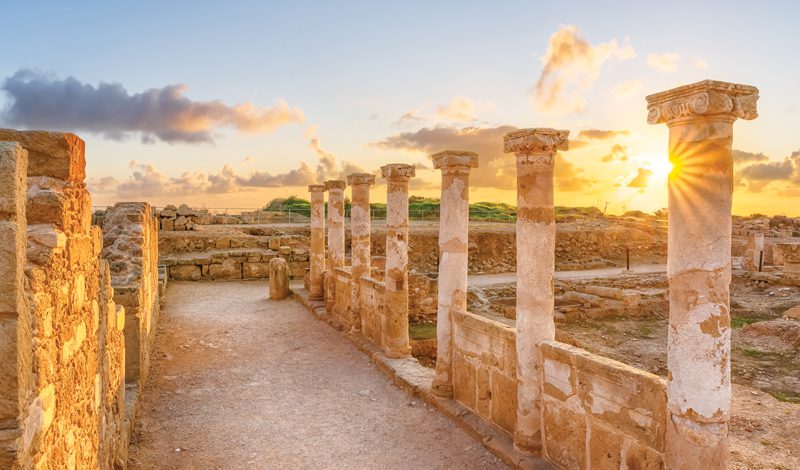
What set Paphos apart was its raw, elemental devotion – no human-like statues for ages, just a black conical stone (baetyl) anointed with oil, symbolizing the goddess’s boundless essence. The massive sanctuary at Palaepaphos sprawled over hectares, with altars for bloodless offerings like incense and flowers, reflecting her ties to nature. Rituals included sacred dances, dove sacrifices (her bird), and myrtle wreaths, evoking fertility and love. Pilgrims bathed in nearby springs for purification, believing the site’s aura granted blessings for romance, childbirth, or harvests.
Geographically, it was perfect: western-facing for sunsets symbolizing transitions, fertile plains for abundance, and a harbor bustling with devotees. Unlike Athens’s intellectual cults or Corinth’s sensual ones, Paphos emphasized origins – Aphrodite as Cypris, the Cypriot-born, making it the ultimate authority. Inscriptions and coins from the era show her with a temple facade, proclaiming Paphos’s primacy in a network of shrines across the empire.
Little-Known Tales That Add Wonder
Paphos hides gems that make its history sparkle. Legend says the sanctuary’s stone fell from the sky, a meteorite linking heaven and earth – some scholars think it was volcanic rock, but ancients saw it as divine. During festivals like Aphrodisia, sacred prostitution might have occurred, blending ecstasy with ritual, though debated today. A quirky rite: priests walked on embers unharmed, proving the goddess’s protection. Emperor Titus, after a 77 AD visit, consulted her oracle for his Jerusalem campaign, crediting victory to her favor.
Archaeology uncovers fun bits: a 1st-century AD mosaic shows Dionysus’s discovery by Aphrodite, hinting at wine-fueled rites. In the 1950s, digs revealed Persian-era gold jewelry offered by pilgrims, including a ring engraved with her name. And a wild connection – Botticelli’s Birth of Venus drew from Paphian myths, immortalizing the foam-born goddess in Renaissance art. These snippets turn Paphos from textbook site to a place of lively, mysterious devotion.
Deeper Layers of Ritual and Influence
Unpack more, and Paphos reveals a sophisticated web of beliefs. The cult merged Cypriot earth-mother traditions with Greek anthropomorphism, evolving Aphrodite from fertility force to multifaceted deity of love, war (as armed Aphrodite), and navigation. Priest-kings, like the Kinyradai lineage tracing to mythical Cinyras (Aphrodite’s lover), held dual roles, taxing copper mines to fund lavish rites. Oracles here were famed: pilgrims sought prophecies via dream incubation or dove flights, influencing decisions from marriages to battles.
Ties extended far: Paphos exported cult statues to Rome’s Venus temples, and Ptolemaic Egypt synced her with Isis, creating hybrid worship. Inscriptions detail vows from sailors surviving storms, or women dedicating locks of hair for safe births. Politically, it was a diplomacy tool – Hellenistic kings like Ptolemy II funded expansions to curry favor. Even in decline, as earthquakes hit in 365 AD, the site’s holiness inspired rebuilds. This depth shows Paphos as a cultural engine, where goddess worship fueled art, trade, and identity across empires.
Paphos’s Enduring Pull Today
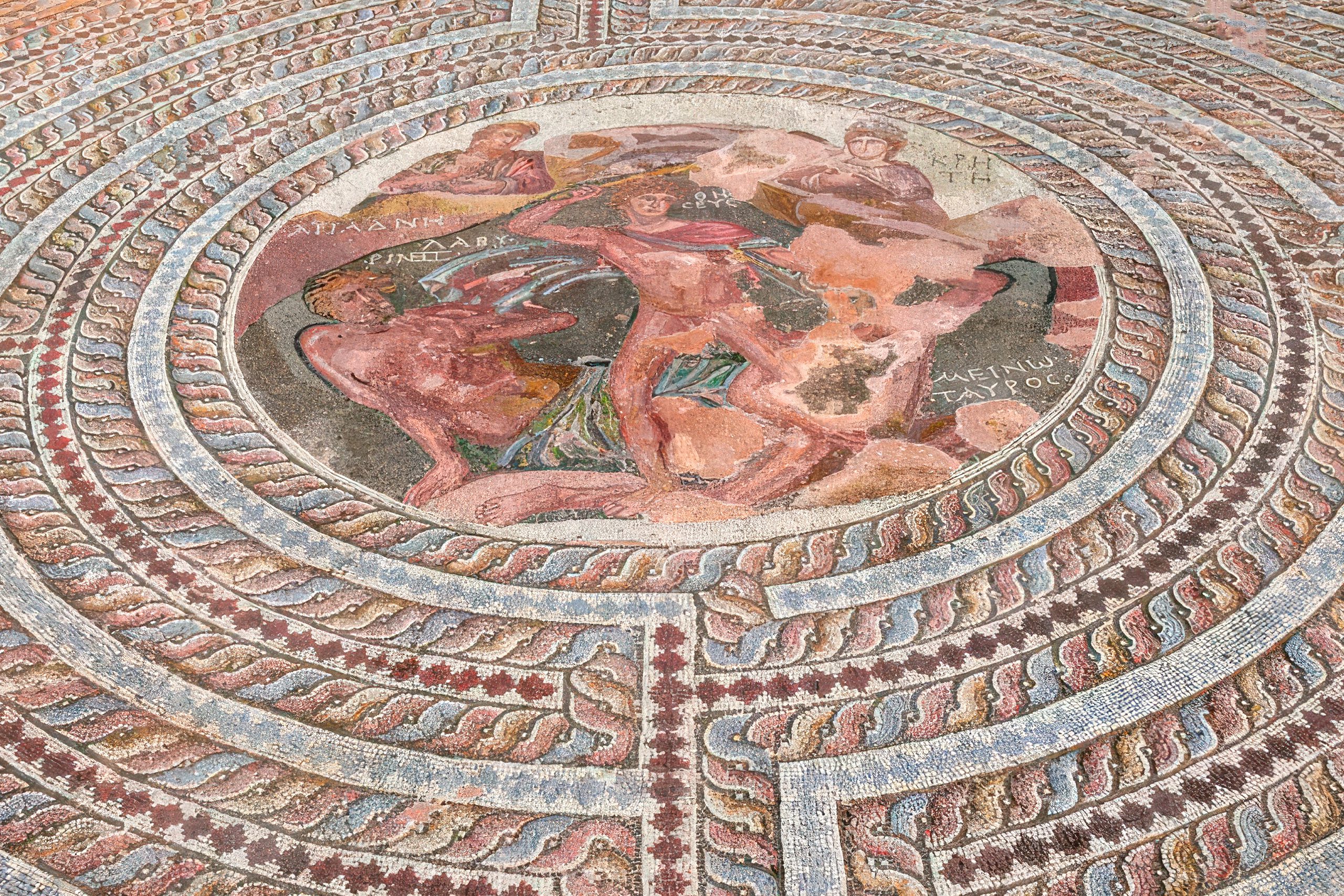
In modern Cyprus, Paphos thrives as a UNESCO World Heritage site, weaving ancient reverence into today’s vibe. It’s branded the “Birthplace of Aphrodite,” with beaches and trails drawing romantics for weddings or proposals – think couples renewing vows at her rock. Amid island divisions, it unites through shared heritage, hosting festivals like the Paphos Aphrodite Festival with opera under stars, echoing old rites. Tourism sustains it, but locals honor roots: women light candles in churches built over temples, blending Christian Mary with pagan echoes.
Environmentally, preservation battles erosion from rising seas, with EU funds restoring mosaics depicting her myths. Artists and writers draw inspiration – novels romanticize her cult, while eco-tours link her fertility to conservation. In pop culture, it appears in films like Clash of the Titans, proving the goddess’s allure persists. Paphos reminds Cypriots of their island’s magnetic past, fostering pride in a globalized world.
Stepping Into the Goddess’s Realm
Visiting Paphos? It’s straightforward – fly into the airport, then rent a car for the 10km to the archaeological park at Kouklia. Entry’s €4.50, open daily; wander the sanctuary ruins, touch replica stones, and imagine ancient chants. Best in spring for mild weather and blooming myrtle. The Paphos Mosaics nearby showcase her in vivid floors – €4.50 more, with shaded paths for easy strolling.
For immersion, hike to Petra tou Romiou (her “birth” beach), 20km away – swim if calm, but mind currents. No fees, but pack snacks. Combine with a winery tour – commandaria wine ties to her festivals. Dress modestly for churches; summer heat means early visits. If adventurous, join guided myth walks (€15-20) sharing oracle tales. Safety’s fine, but watch slippery stones. It’s not just touring – it’s feeling the pull of a place where goddess worship once ruled the world.
A Legacy That Still Enchants
Ultimately, Paphos as the global center of goddess worship is worth diving into because it captures Cyprus’s magic: a spot where myths elevated a city to divine status, influencing hearts across seas. This wasn’t fleeting fame; it shaped cultures, blending love’s tenderness with power’s edge in enduring ways. Knowing it deepens the island’s allure – a reminder that sacred stories can turn shores into sanctuaries. Whether tracing temple stones or watching waves, Paphos invites us to embrace origins, proving that in our search for meaning, ancient echoes still whisper wisdom.