When the Ottoman Empire took control of Cyprus in 1571, the island experienced major changes in its architecture and daily life. Among the most practical contributions the Ottomans brought were sebils, public water fountains that became essential features of Cypriot cities. These structures served both religious and civic purposes, providing free drinking water to travelers and locals while allowing Muslims to perform ritual ablutions before prayer.
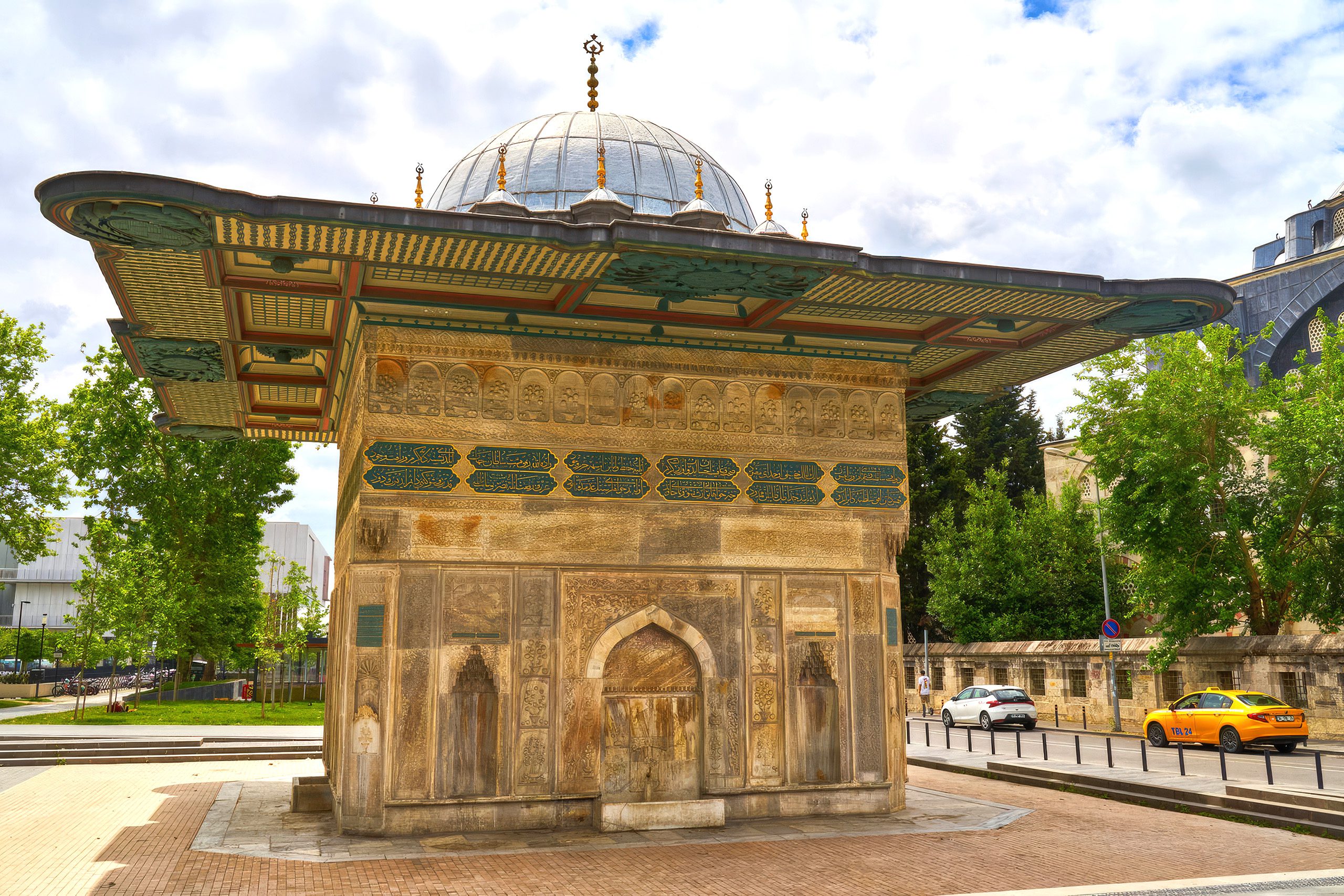
The word sabil comes from the Arabic root meaning to make available or to provide a way. In Islamic tradition, building a sabil was considered an act of charity, a way to earn religious merit by serving the community. The Ottoman authorities valued these fountains so highly that they granted tax exemptions to anyone who built a public sabil, provided they kept water available for travelers at all times.
Historical Background
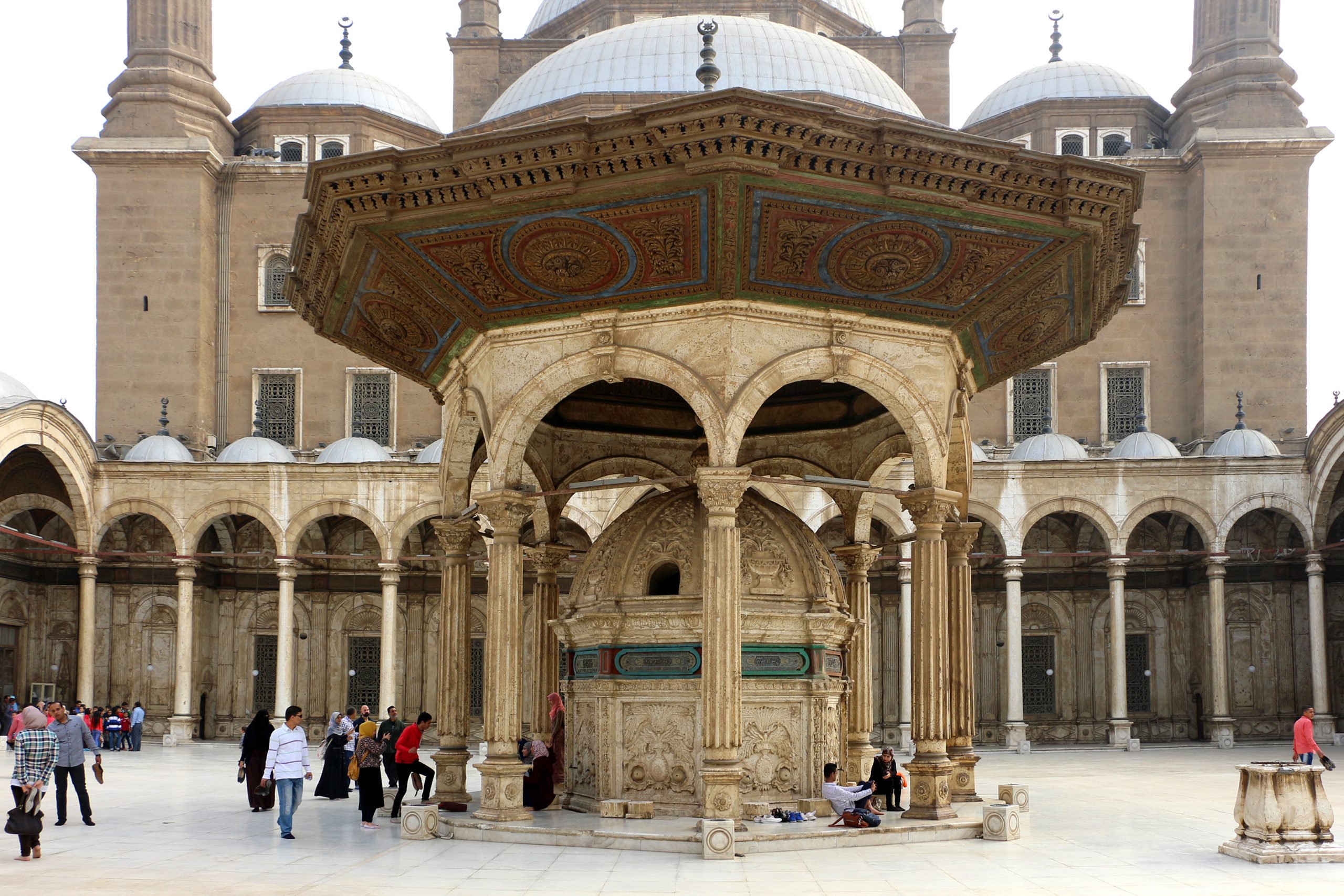
Ottoman sebils were not just simple fountains. They were carefully designed structures that combined function with beauty. The typical sabil featured a small kiosk where an attendant stood behind a grilled window, handing out cups of water to passersby. Some sebils were standalone buildings at busy street corners, while others were attached to mosques or caravanserais.
The architectural style of Sebils varied across the empire. In Istanbul, elaborate sebils appeared during the Tulip Period in the early 18th century, decorated with intricate carvings, colorful tiles, and Ottoman Turkish verses. The famous Fountain of Ahmed III, built in 1728 near Topkapi Palace, represents the peak of this ornate Baroque style. However, Cypriot sebils tended to be more modest, reflecting the island’s status as a province rather than the imperial capital.
Most sebils were built from cut stone or marble, with surfaces decorated through carving techniques that included geometric patterns and arabesque designs. The interiors often featured polished marble basins, and some structures were crowned with domes that provided shade for those using the fountain. During special holidays and celebrations, Sebils sometimes distributed sherbet, a sweetened fruit drink, instead of plain water.
The Ottoman Water System in Cyprus
The Ottoman administration made significant improvements to the water supply across Cyprus. Before their arrival, local residents often had to carry water on their backs for hours. The Ottomans changed this by building aqueducts and establishing networks of fountains throughout major cities.
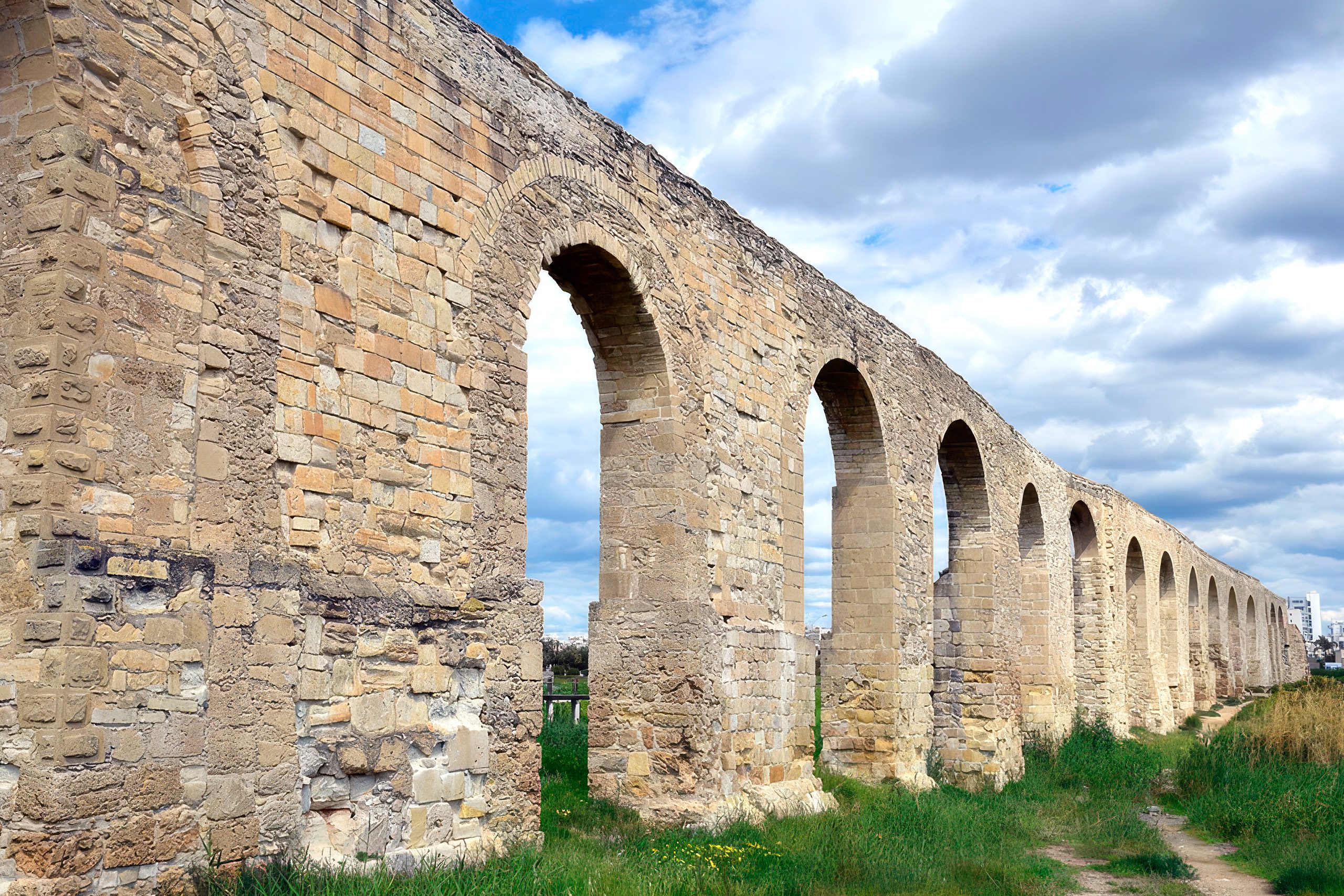
The most notable example was the Bekir Pasha Aqueduct, constructed between 1746 and 1748 under the direction of Ebubekir Pasha. This impressive structure supplied fresh water to Larnaca, dramatically improving life for residents who had previously struggled with water access. In Nicosia, the 18th century Silihtar Aqueduct, named after an Ottoman governor, carried water from the northern mountains to fountains inside the old city. This stone arched construction ran from Kyrenia Gate to Famagusta Gate, supplying multiple fountains in the inner quarters.
In Famagusta, Ottoman governor Cafer Pasha improved the water supply in 1605 by building fountains within the city walls. One fountain from 1597 remains the best preserved example in the walled city today. These water improvements were practical necessities, as fountains gradually replaced the older system of wells and water delivered by donkey cart in clay jars.
Sebils and Ottoman Buildings
Sebils were often integrated into larger Ottoman building complexes. The caravanserais that served as hotels for traveling merchants typically included fountains for ritual ablutions. Büyük Han in Nicosia, one of the first Ottoman buildings erected after the 1571 conquest, featured such facilities. This massive caravanserai was built between 1570 and 1572, funded by a special tax imposed by the governor Muzafer Pasha. The speed of its construction showed how the Ottomans prioritized trade infrastructure and water access.
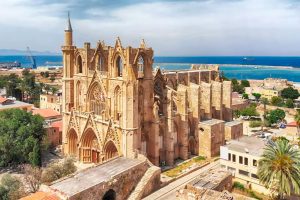
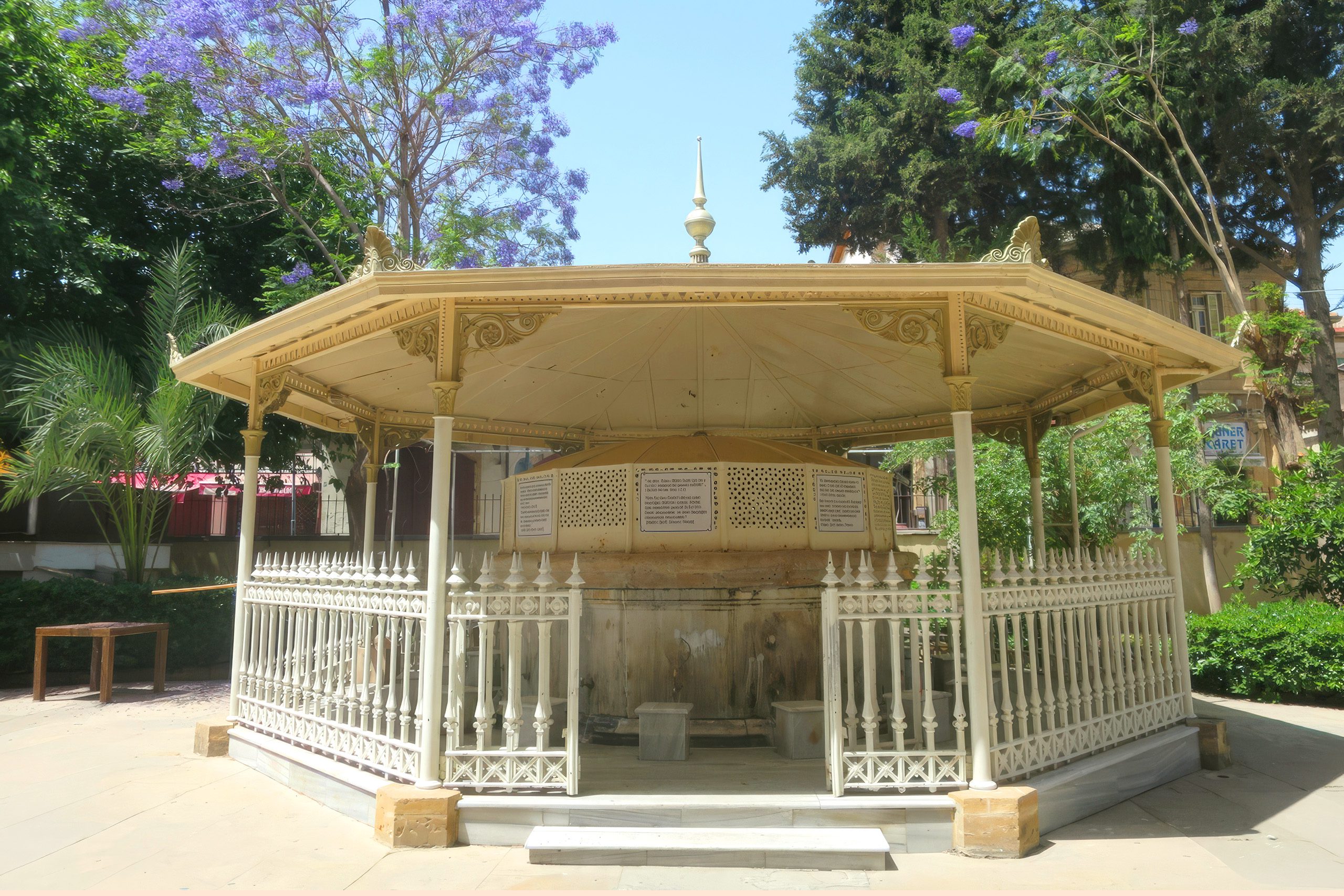
Mosques also incorporated fountain facilities. When the Ottomans converted Catholic churches into mosques, such as the St. Nicholas Cathedral in Famagusta (now Lala Mustafa Pasha Mosque) and the Latin Cathedral in Nicosia (now Selimiye Mosque), they added water facilities for ablutions. These fountains allowed worshippers to cleanse before entering the mosque to pray, an essential ritual in Islamic practice.
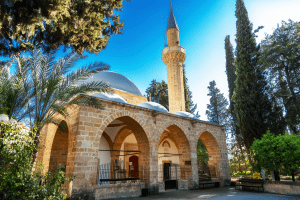
The Ottoman architectural contribution to Cyprus blended local traditions with imperial style. While Greek Orthodox churches remained intact, the Ottomans modified Gothic buildings with distinctive Ottoman elements. This synthesis created a unique Cypriot Ottoman architecture, visible in structures like the minaret of Cami Kebir in Larnaca, which incorporated Gothic features.
Daily Life Around the Fountains
Sebils became natural gathering places in Ottoman cities. People met at fountains while filling their water containers, exchanging news and local gossip. For women especially, who had limited public spaces to socialize, fountain visits provided opportunities for community interaction. Many fountains included seats where people could wait their turn, creating informal social hubs throughout the city.
The fountains were strategically placed at crossroads, busy intersections, and near markets where commercial activity naturally developed. This placement ensured maximum benefit to the community while also serving as visible symbols of Ottoman civic responsibility and religious charity. In Nicosia alone, the fountain network was extensive enough to supply water throughout the inner quarters of the walled city.
Initially, Ottoman fountains had free-flowing water, but Sultan Süleyman later introduced taps throughout the empire’s water system. This innovation saved water and prevented streets from becoming muddy, showing how the Ottomans adapted their infrastructure based on practical experience.
The Sebil Tradition Across the Empire
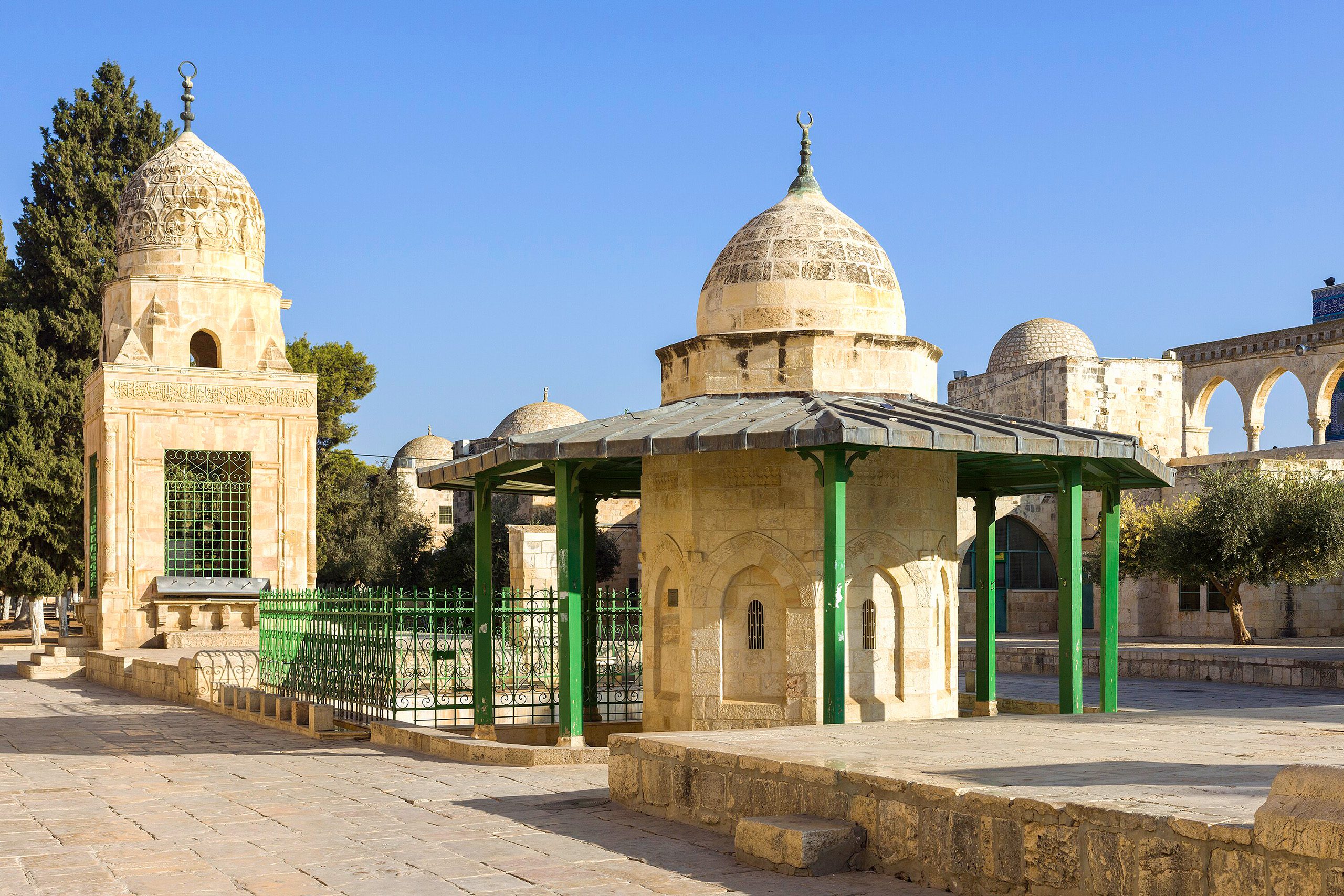
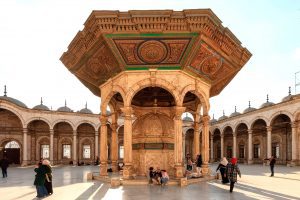
Cyprus was part of a vast empire where sebil marked Ottoman presence from Istanbul to Jerusalem to Cairo. Each region developed its own style, but the basic charitable purpose remained constant. Jerusalem had approximately 30 sabils built during the Mamluk and Ottoman periods, including notable examples like the Fountain of Qasim Pasha, constructed in 1526 as the first Ottoman public structure in the al-Aqsa Mosque compound. In Cairo, over 300 historic sabil-kuttabs once dotted the city, structures that combined a ground-floor fountain with a religious school above.
Istanbul itself had more than 1,000 fountains at the height of the Ottoman period, though only around 400 survive today. The construction boom during the Tulip Period created some of the empire’s most elaborate examples, reflecting a shift toward Western-influenced Baroque and Rococo styles. These monumental fountains served as architectural statements about Ottoman power and prosperity.
Sebils remained essential to daily life until the 20th century, when modern plumbing brought water directly into homes. Many sebils were then abandoned or converted to other uses. In Istanbul, some became commercial shops, while others were restored as historical monuments. The same pattern occurred in Cyprus, where British colonial infrastructure eventually replaced the Ottoman fountain system with modern water delivery.
Legacy and Preservation
Today, the remaining Ottoman fountains in Cyprus stand as reminders of a time when access to clean water required community infrastructure and charitable giving. The aqueducts and fountains represented significant engineering achievements that improved public health and daily convenience. The 11-arch section of the Silihtar Aqueduct in Nicosia, discovered hidden within a later building, was restored as part of the Nicosia Master Plan, preserving this example of Ottoman hydraulic engineering.
The Sebils also demonstrate how Islamic principles shaped urban planning. The religious obligation to provide water as charity created a network of public facilities that benefited entire communities. Building a sabil was considered an act of piety that publicly displayed the patron’s devotion and social standing. This combination of religious duty and civic pride produced enduring monuments that served practical needs while beautifying the cityscape.