Explore Cyprus with Our Interactive Map

Explore our top stories and discover ideas worth your time.

Cyprus Folk Dance Workshops

Cyprus Folk Dance Workshops

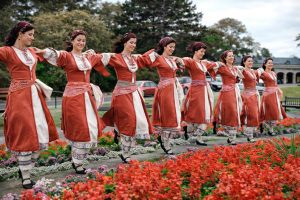
Cypriot folk dance is not something observed from a distance. It is something entered, shared, and carried by the group. Across Cyprus, workshops and demonstrations keep traditional dance alive by teaching it as a social practice rather than a staged performance. Whether held in village squares, community halls, or coastal courtyards, these gatherings connect rhythm, memory, and collective life in ways that still feel natural on the island today. politistiko-ergastiri.org Rather than preserving dance as choreography alone, Cypriot workshops focus on movement as a form of communication. Steps are learned not just as patterns, but as expressions shaped by history, environment, and social structure. Participation matters more than polish, and understanding matters more than display. Dance as a Social Language Traditional dance in Cyprus developed as a shared language rather than a spectacle. Long before formal instruction existed, dances were learned through observation and repetition during weddings, harvest celebrations, and religious festivals. Movement reflected everyday rhythms and reinforced bonds within the community. Modern workshops continue this approach. Instead of separating dancers into performers and audiences, they recreate the original logic of participation. Circles and open lines organise people spatially and socially, assigning roles, setting pace, and encouraging mutual awareness. A dance begins only when the group moves together, and its success depends on collective rhythm rather than individual expression. Foundational…

Read more

Pilgrimage to Saintly Relics

Pilgrimage to Saintly Relics

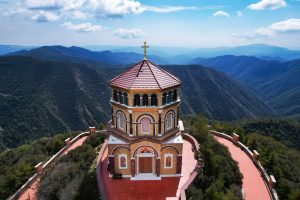
Pilgrimage to saintly relics in Cyprus is a heartfelt tradition where believers journey to tombs, monasteries, and churches to connect with holy figures like Saint Lazarus or pieces of the True Cross. These trips blend deep faith with hopes for healing and protection, turning the island's landscapes into paths of spiritual renewal. It's a practice that feels personal and alive, drawing people from near and far to experience a touch of the divine in everyday places. Basilica-ro A Journey of Faith and Connection Imagine setting out on a winding road through Cyprus's hills or coastal towns, driven not by sightseeing but by a quiet need for solace or thanks. That's the essence of pilgrimage to saintly relics here - a simple yet profound act where ordinary folks seek out the remains or sacred items of saints, believing they hold ongoing power. These aren't museum pieces; they're bridges to the holy, places where prayers feel heard and lives can shift. From bustling Larnaca to remote mountain monasteries, pilgrims come for everything from physical cures to emotional peace, making the island a living map of devotion. No fancy rituals required - just an open heart and a willingness to travel, turning the act of going into a form of worship itself. Roots in Ancient Beliefs and Miracles This tradition stretches back to…

Read more
Pistacia Atlantica

Pistacia Atlantica

High on rocky hillsides where the Mediterranean sun bakes the earth, a sturdy, wide-crowned tree stands like an ancient sentinel. Its twisted trunk oozes fragrant resin, and in autumn its golden leaves and clusters of red-to-black fruits light up the landscape. Meet the wild pistachio, a true survivor and one of the quiet heroes of Cyprus’s native woodlands. wikimedia.org A Proud Member of the Cashew Family Scientifically known as Pistacia atlantica, this deciduous tree belongs to the genus Pistacia within the Anacardiaceae family – the cashew or sumac clan, which also includes the closely related mastic tree (Pistacia lentiscus), another iconic native of Cypriot maquis. Both species thrive in the island’s dry, rocky slopes and garigue, sharing the family’s trademark resin canals and compound leaves. Ancient Roots in Cyprus Landscapes Wild pistachios have been part of Cyprus since prehistoric times, forming part of the original maquis vegetation alongside carobs and olives. Ancient settlements like Tremithounta took their name from the tree (tremithos), and its resin called “Paphitiki pissa” or Cyprus turpentine was chewed as natural gum and traded across the Mediterranean. wikimedia.org British foresters in the 19th century recorded it in degraded shrublands, while today one of the island’s oldest living trees, estimated at over 1,500 years, still shades a village square as a protected natural monument. Distinctive Features That…

Read more