Olive trees shape Cyprus in ways that go far beyond agriculture. They define rural landscapes, anchor village life, and sit quietly at the centre of everyday cooking, ritual, and memory. From ancient stone presses to modern organic mills, olive cultivation on the island reflects continuity rather than reinvention. This is not a story of industrial scale, but of endurance. To understand Cyprus is to understand how olives are grown, harvested, pressed, and woven into daily life, generation after generation.
- More Than Agriculture: The Olive as a Way of Life
- A History Rooted in the Earliest Settlements
- Olive Trees That Shape the Landscape
- The Rhythm of the Olive Harvest
- From Stone Presses to Modern Mills
- What Makes Cypriot Olive Oil Distinct
- Olive Oil at the Heart of Cypriot Cooking
- Ritual, Belief, and Symbolism
- A Sector Facing Modern Challenges
- Experiencing Olive Culture as a Visitor
- Why Olive Cultivation Still Matters in Cyprus
More Than Agriculture: The Olive as a Way of Life
Across Cyprus, olive trees are not confined to large estates or monoculture farms. They appear along field boundaries, beside houses, in courtyards, and on shared village land. Many families harvest their own olives each year, even if production is small, creating an agricultural culture that is deeply personal rather than purely commercial.
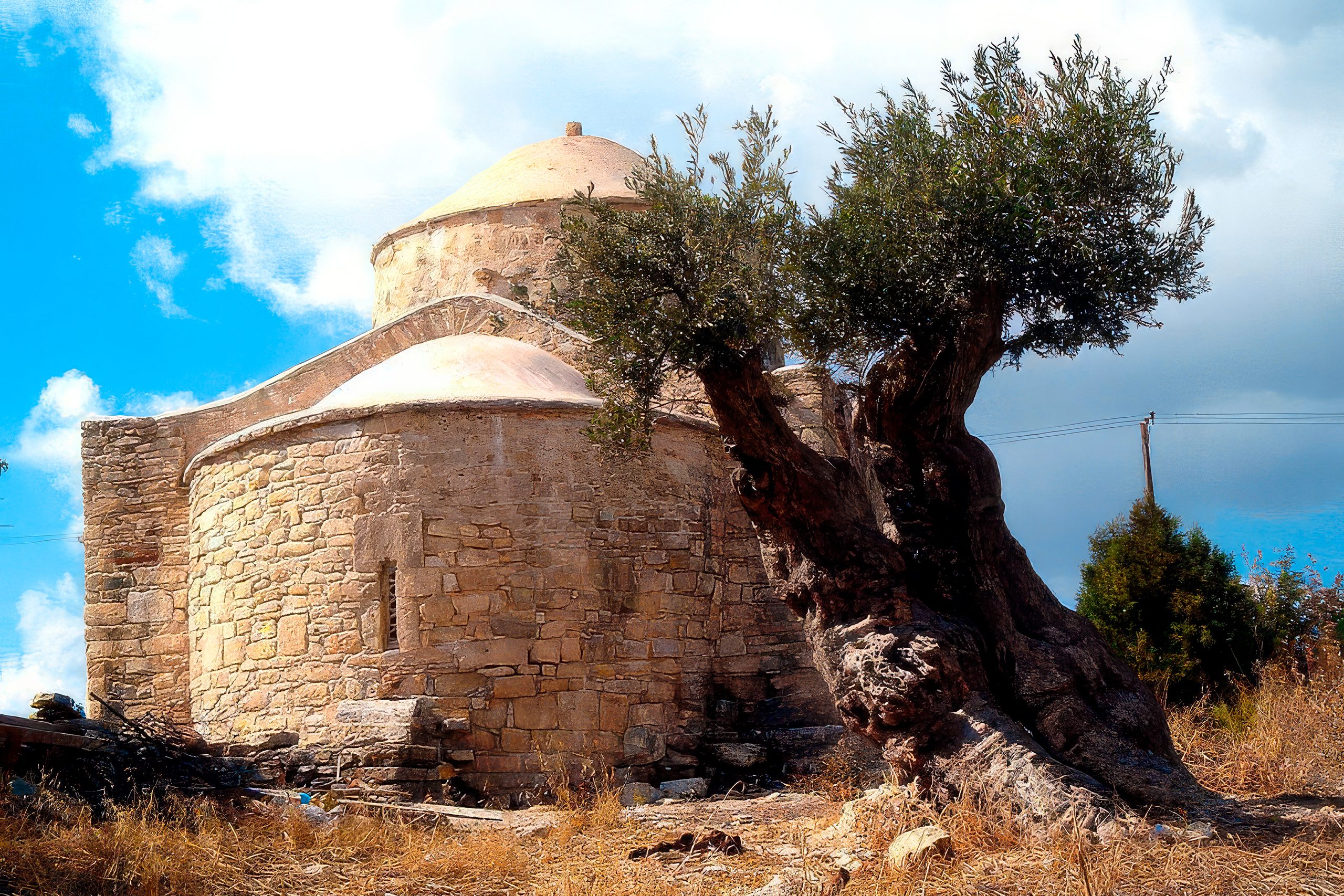
Unlike countries that dominate global olive oil markets, Cyprus produces modest quantities. What it lacks in volume, it makes up for in intimacy. Olive cultivation here is less about export-driven efficiency and more about maintaining a relationship between people, land, and season.
A History Rooted in the Earliest Settlements
Olives have been part of Cypriot life for thousands of years. Archaeological evidence shows that wild olives were used by early communities during the Neolithic period, with deliberate cultivation developing in the second millennium BCE. By the late Bronze Age, industrial-scale presses appeared in both settlements and sacred spaces, highlighting the economic and ritual importance of oil.
Over centuries, successive rulers shaped olive cultivation without erasing earlier practices. Frankish-era varieties introduced during the medieval period still survive, while Venetian and Ottoman administrations expanded olive planting across the countryside. Rather than replacing older systems, each era layered new techniques onto existing traditions, creating a landscape shaped by continuity and adaptation.
Olive Trees That Shape the Landscape
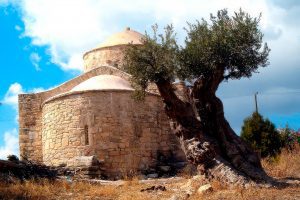
Cypriot olive trees are known for their resilience. They tolerate drought, poor soils, and long periods of neglect, with many monumental trees still standing after centuries of growth. Their twisted trunks and silver-green leaves have become defining features of the island’s countryside.
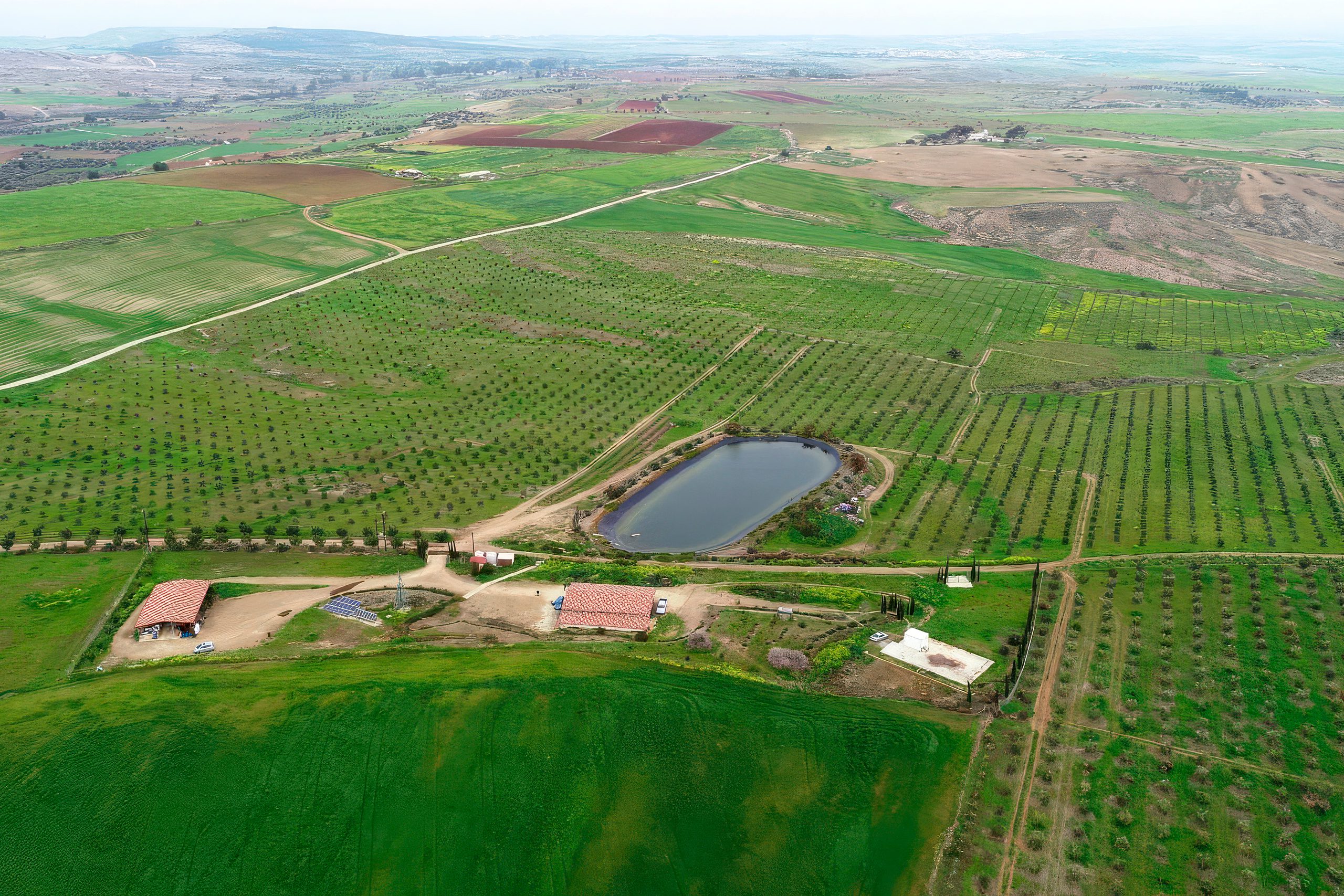
The most characteristic local variety is Ladoelia (Kypriaki), though researchers have identified other native cultivars such as Kato Drys and Korakou. These varieties produce fragrant, slightly peppery oils that reflect the island’s climate and soil. Although their yield is lower than that of some imported cultivars, they remain prized for flavour and quality. Since the late 1970s, varieties such as Koroneiki, Kalamon, and Arbequina have been introduced to improve consistency and output, particularly in newer plantations.
The Rhythm of the Olive Harvest
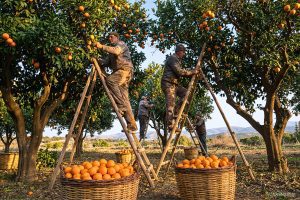
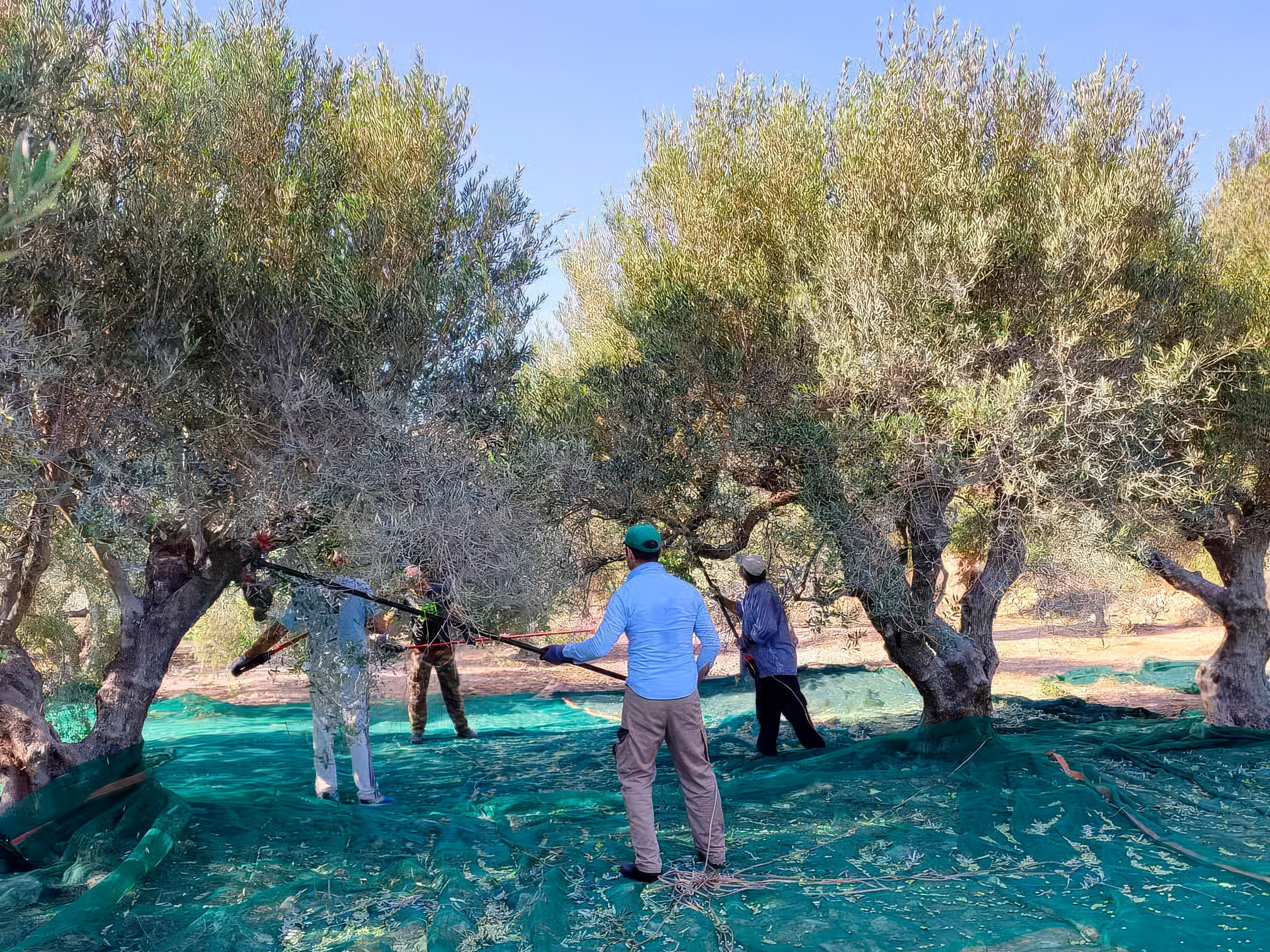
The olive harvest, known locally as ladia, follows a seasonal rhythm that shapes rural life. Green olives are picked first, often in late summer, for traditional preparations, while olives destined for oil are harvested later, usually from October through winter, when oil content is highest.
Traditionally, harvesting was a communal activity. Families gathered under the trees, laying nets on the ground while olives were shaken or gently struck from the branches. Although mechanised tools are now common, the harvest still carries social significance. It is a time when relatives return to villages, meals are shared outdoors, and work unfolds at a measured pace that reinforces community ties.
From Stone Presses to Modern Mills
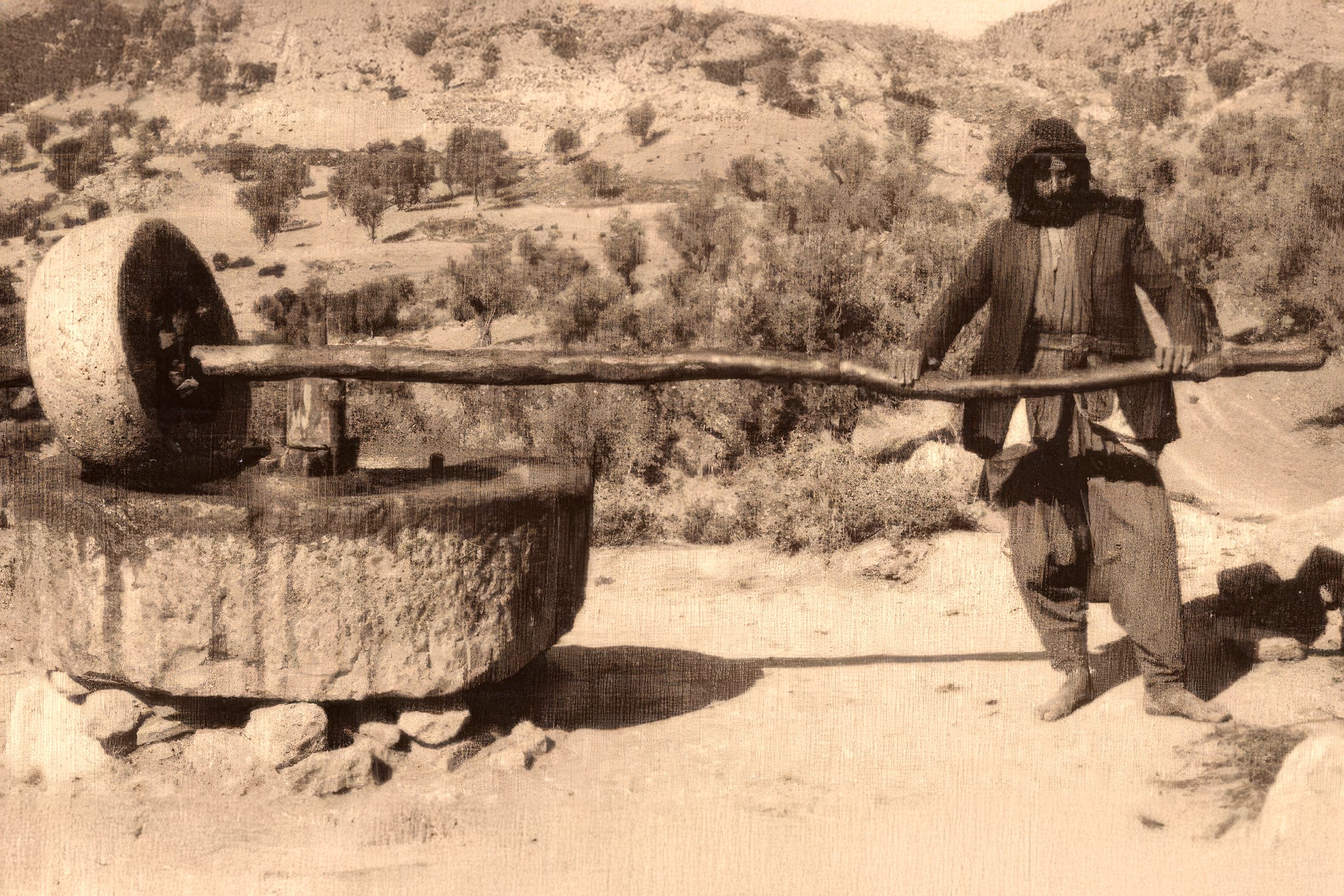
For centuries, olive oil in Cyprus was produced using stone mills. Olives were crushed slowly, pressed by hand, and left to settle naturally in clay jars. The finest oil rose to the surface on its own and was collected separately, a labour-intensive process that every village once understood intimately.
Today, most oil is produced using continuous-flow centrifugal systems that prioritise hygiene, speed, and temperature control. Olives are pressed within hours of harvesting to reduce oxidation and preserve flavour. While the technology has changed, the goal remains the same: to produce oil that reflects the quality of the fruit rather than the force of the process.
What Makes Cypriot Olive Oil Distinct
The best Cypriot olive oils are typically extra virgin, with low acidity and a pronounced aroma. They are often described as grassy, slightly bitter, and peppery, qualities associated with high polyphenol content. These characteristics are valued not only for taste but also for their health benefits.
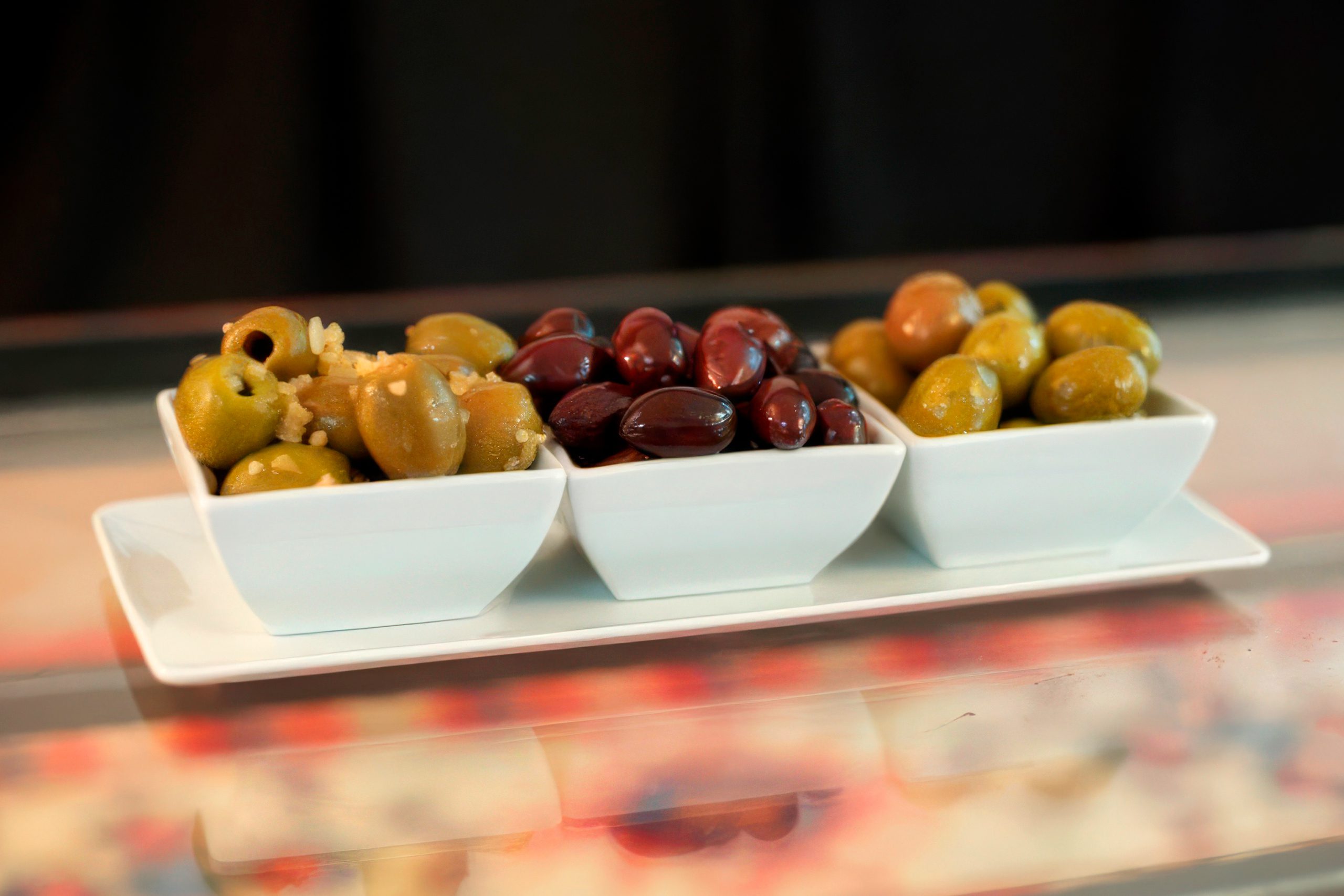
In recent years, producers have increasingly focused on organic cultivation and small-batch production. Rather than competing on volume, Cyprus has positioned itself within premium and niche markets, where traceability, heritage, and terroir matter as much as yield.
Olive Oil at the Heart of Cypriot Cooking
Olive oil is not an accent in Cypriot cuisine. It is the foundation. Many traditional dishes rely on generous amounts of oil to create texture, depth, and balance.
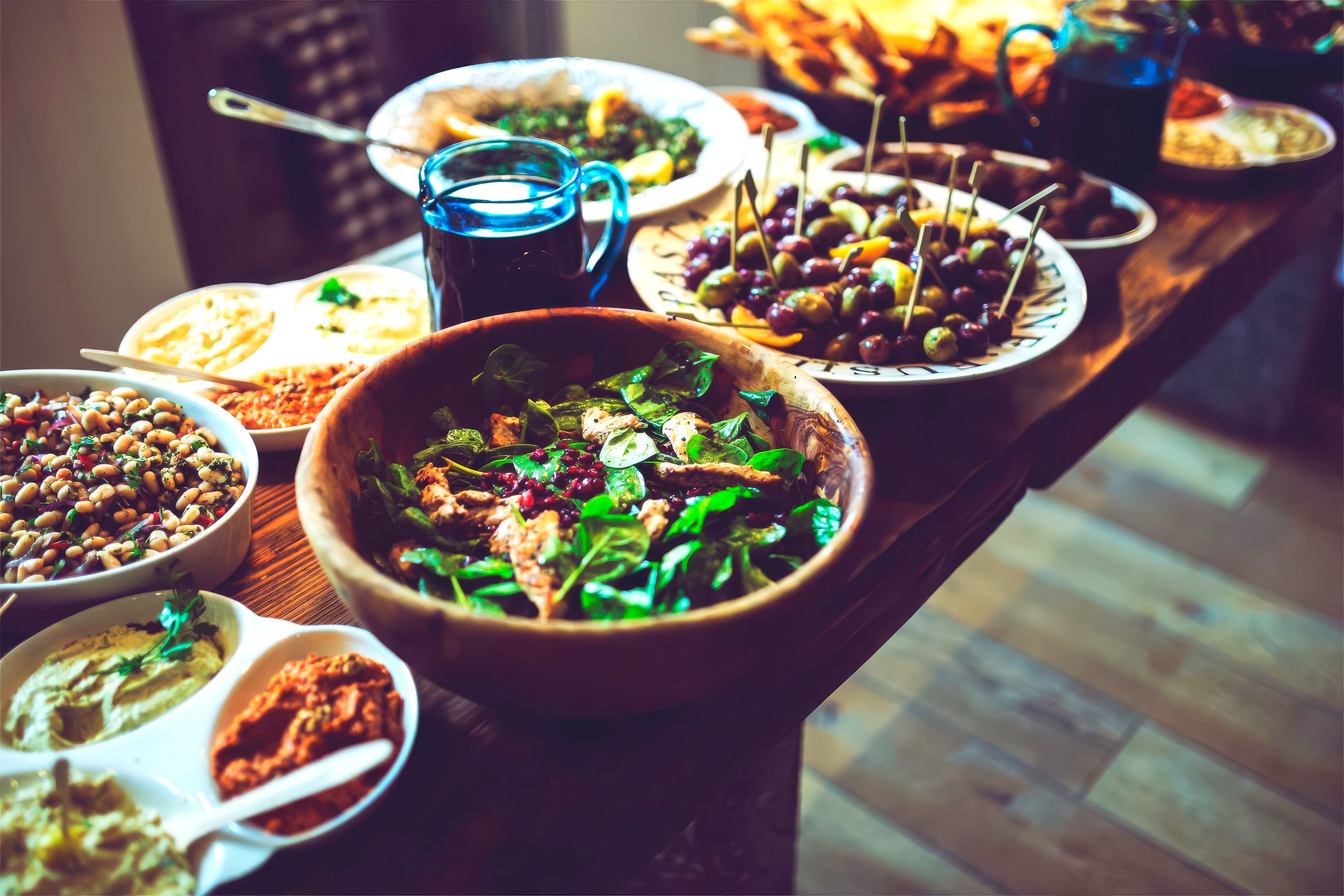
Vegetable stews known as ladera are cooked slowly in olive oil, allowing flavours to merge into a rich, cohesive dish. Olive oil is also central to breads and pastries, where it replaces butter and shapes both flavour and structure. From crushed green olives served as meze to oil-rich stews eaten during fasting periods, olive oil defines how food is prepared and shared across the island.
Ritual, Belief, and Symbolism
Beyond the kitchen, olive oil holds deep symbolic meaning in Cyprus. It is used in religious ceremonies, from baptism to the lighting of church lamps, and olive branches appear in seasonal rituals and domestic traditions believed to bring protection and continuity.
The olive tree’s ability to regenerate after fire or damage has long made it a symbol of resilience. This symbolism is embedded in modern identity as well, appearing on the national flag as a sign of peace and endurance, linking ancient agricultural practices with contemporary national consciousness.
A Sector Facing Modern Challenges
Today, olive cultivation in Cyprus faces significant pressure. Prolonged droughts, extreme heat during flowering, and water scarcity have reduced yields, forcing farmers to balance survival with sustainability. Climate variability has become one of the greatest threats to a crop once defined by reliability.
At the same time, rising global prices and increased interest in high-quality oils have created new opportunities. Producers who focus on quality, heritage varieties, and experiential tourism are finding ways to remain viable without abandoning tradition, blending innovation with continuity.
Experiencing Olive Culture as a Visitor
For visitors, olive cultivation offers a way to experience inland Cyprus beyond the coast. Olive parks, restored mills, and monumental groves provide insight into how deeply this crop shapes the island. Some centres allow visitors to observe pressing, taste fresh oil, or walk among trees that have stood for centuries.
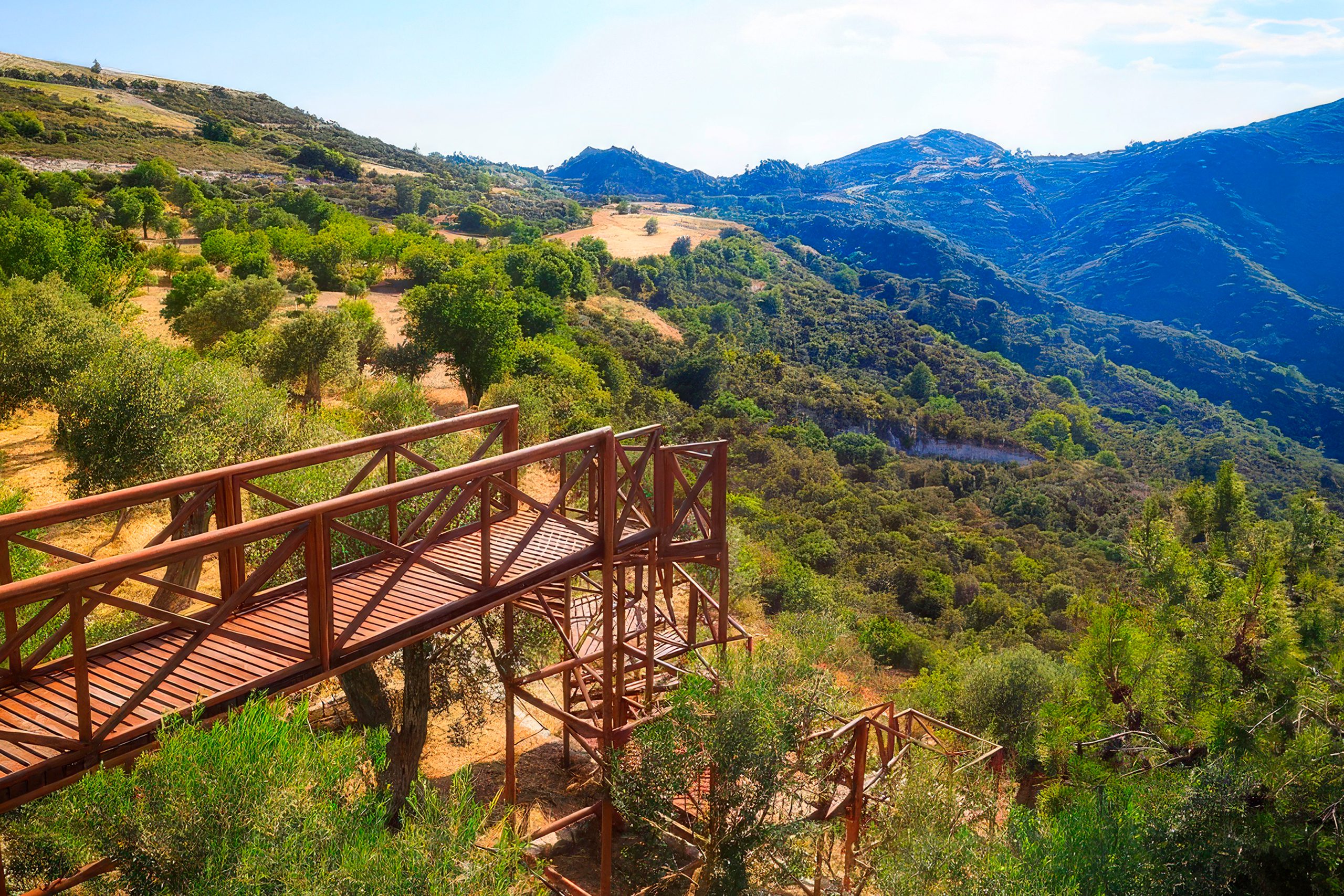
These experiences are quiet rather than spectacular, mirroring the character of olive culture itself and offering a slower, more reflective connection to the landscape.
Why Olive Cultivation Still Matters in Cyprus
Olive cultivation in Cyprus is not a relic of the past, nor a purely commercial enterprise. It is a living system that connects land, food, belief, and identity. Despite technological change and environmental strain, the olive tree continues to anchor rural life and cultural memory.
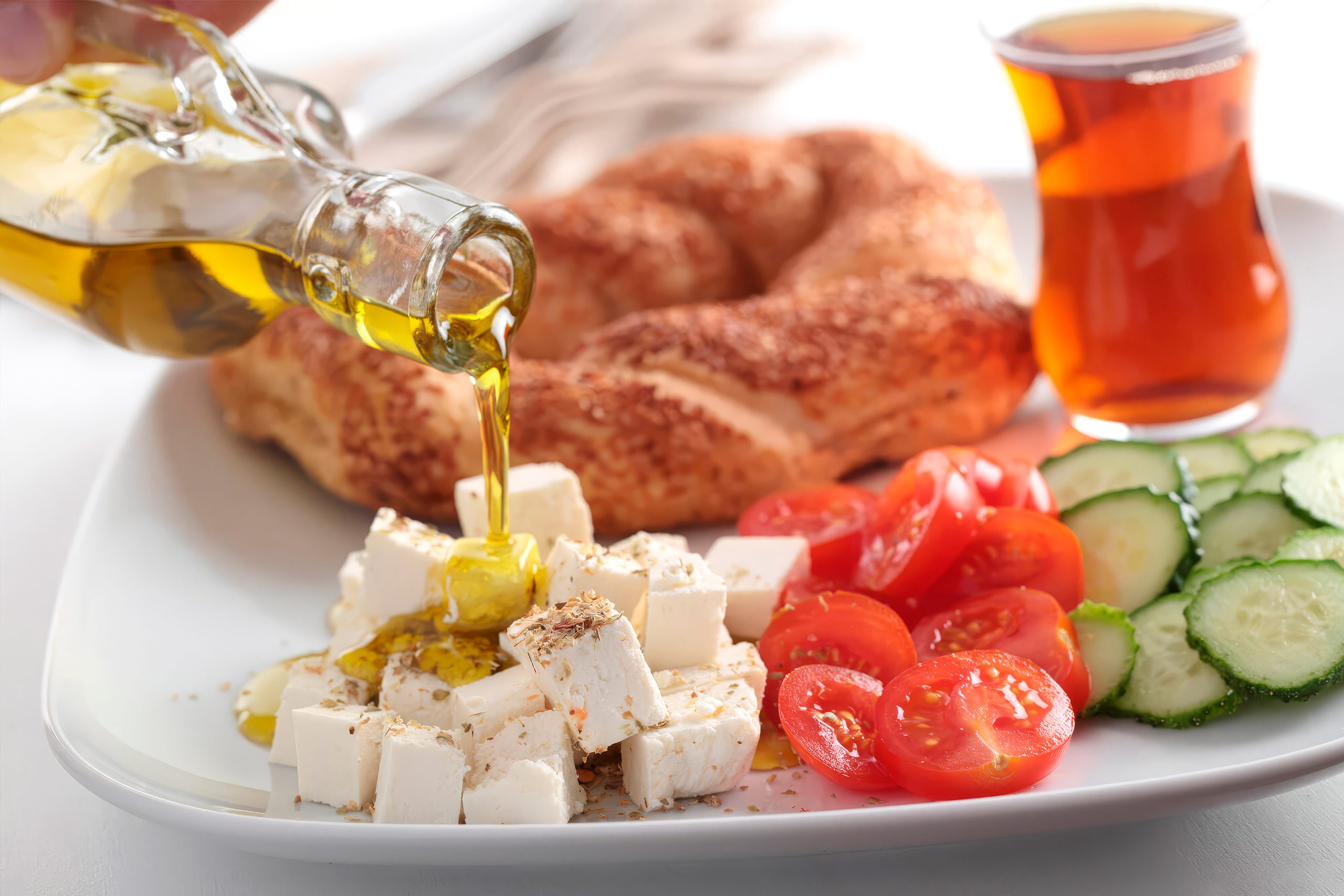
As Cyprus looks to the future, the olive tree remains a reminder that resilience often comes from continuity. Rooted deeply in the soil and shaped slowly by time, it reflects an island that has endured by adapting without forgetting where it began.