Explore Cyprus with Our Interactive Map

Explore our top stories and discover ideas worth your time.

Cyprus Ancient Gods

Cyprus Ancient Gods

Long before saints and churches, Cyprus was home to powerful gods and goddesses whose temples dotted the island and whose myths shaped Mediterranean culture. From Aphrodite rising from the sea foam to warrior deities protecting cities, Cyprus's ancient pantheon blended Greek, Phoenician, and local traditions into something uniquely Cypriot - and traces of these divine beings still linger in the landscape today. A Crossroads of the Divine Ancient Cyprus didn't worship just one set of deities. Instead, the island's position at the crossroads of Greek, Near Eastern, and Egyptian civilizations created a rich religious tapestry where different cultures' gods merged, borrowed from each other, and sometimes became the same deity under different names. myfirstticket-com From the Bronze Age onward, Cypriots worshipped a Great Goddess of fertility who would eventually be identified with the Greek Aphrodite. But they also honored male gods adapted from neighboring lands - Phoenician warrior protectors, Greek sky fathers, and mysterious local spirits. By classical times, the island had developed a complex pantheon where Greek Aphrodite and Apollo appeared alongside Near Eastern Astarte and Resheph, creating a unique mythic identity that belonged fully to neither East nor West but to Cyprus itself. Where Divine Traditions Met and Merged Cyprus's religious history stretches back thousands of years, with each wave of settlers adding new layers to the island's…

Read more
Ottoman Baths in Cyprus – Historic Hamams

Ottoman Baths in Cyprus – Historic Hamams

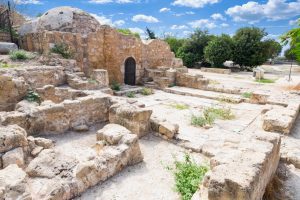
wikimedia.org1 Ottoman baths, known as hamams, represent a distinctive cultural contribution to Cyprus architecture and social life. These public bathhouses served communities across the island for centuries, combining cleansing rituals with social gathering spaces. Several hamams survive today as monuments to Ottoman rule, with two still operating as functional spas. The hamam tradition did not originate with the Ottomans. Its roots stretch back to Roman thermae and Byzantine bathing practices, which the Ottomans inherited and adapted to Islamic requirements for ritual cleanliness. The word hamam comes from the Arabic root meaning heat or heating, reflecting the central role of warmth in the bathing process. Islamic tradition emphasizes cleanliness as a prerequisite for prayer. This religious requirement, combined with social customs, made hamams essential public facilities throughout the Ottoman Empire. Most homes lacked private bathing facilities, so hamams served practical hygiene needs while also becoming important social institutions. Historical Background thisispafos.com The Ottoman Empire captured Cyprus from Venice in 1571 after a prolonged military campaign. This conquest marked the beginning of over three centuries of Ottoman administration that fundamentally reshaped the island's demographic and cultural character. One of the Ottomans' first priorities in newly conquered cities was establishing hamams. These buildings demonstrated Ottoman presence and provided essential services to both the Turkish soldiers and settlers who arrived from Anatolia and the…

Read more
Sheftalia Cypriot Sausage Tradition

Sheftalia Cypriot Sausage Tradition

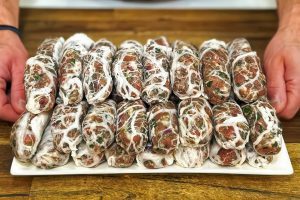
Sheftalia looks like a sausage, but it behaves very differently. There is no casing to snap, no neat uniformity, and no attempt to imitate anything else in the Mediterranean. Instead, minced meat, herbs, and onion are wrapped loosely in caul fat and cooked slowly over charcoal, producing something softer, juicier, and unmistakably Cypriot. facebook-com This is a dish shaped by village logic rather than factory precision. Its endurance comes from how well it fits the island’s rhythms of cooking, gathering, and shared meals. To understand sheftalia is to understand how Cyprus turns necessity into identity. Built Around Fire, Not Convenience Sheftalia is inseparable from the grill. It is not cured, dried, or stored. It is mixed, wrapped, and cooked fresh, usually over charcoal rather than gas. This choice matters. As the caul fat melts, it bastes the meat from the outside, dripping onto the coals and sending smoke back into the sausage. The cooking process is interactive and attentive, requiring turning, patience, and an understanding of heat. Unlike conventional sausages, which rely on tight casings and internal pressure, sheftalia remains deliberately loose. The meat steams gently inside its fatty wrap while the exterior browns. The result is not crispness, but succulence, a texture designed for slow eating rather than fast handling. Why Caul Fat Changes Everything The defining feature of…

Read more