Climate zones and ecosystems

Articles: Climate zones and ecosystems

Stories in this category and its subcategories.

Cyprus Fertile River Valleys

Cyprus Fertile River Valleys

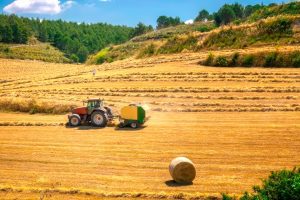
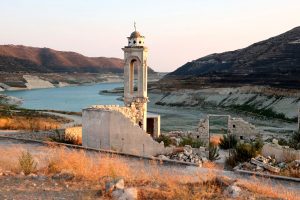
Cyprus contains approximately 35 streams and rivers, though most qualify as temporary watercourses that flow only during winter rains. These rivers create fertile valleys that have supported agricultural communities for over 9,000 years. The island receives an estimated 600 million cubic meters of usable runoff from annual rainfall, a limited resource distributed unevenly across the landscape. Major rivers, including the Pedieos, Kouris, Xeros, Vasilikos, and Diarizos originate in the Troodos Mountains, flow through productive valleys, and terminate either at the Mediterranean coast or in modern reservoir systems. theislandofcyprus.com The Pedieos River Valley and Central Plains Agriculture The Pedieos River extends 100 kilometers from its source near Machairas Monastery in the Troodos range, making it the longest river in Cyprus. The…

Read more
Freshwater Wetlands and Ponds Cyprus

Freshwater Wetlands and Ponds Cyprus

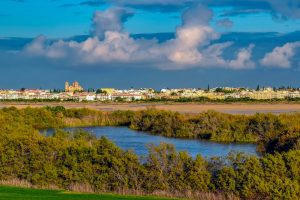
Freshwater Wetlands and Seasonal Ponds are temporary ecosystems in inland depressions across Cyprus, supporting amphibians, migratory waterfowl, and rare fish. These habitats form during winter rains, transforming dry basins into vibrant pools that host diverse life before evaporating in summer heat. Facebook.com They play a crucial role in the island's biodiversity, offering breeding grounds and stopovers in an otherwise arid landscape, highlighting nature's cyclical resilience. A Temporary Ecosystem Inland Freshwater wetlands and seasonal ponds in Cyprus represent ephemeral water bodies that appear in low-lying inland areas, filling with rainwater and runoff to create shallow, nutrient-rich habitats. These depressions, scattered across the Mesaoria Plains and Troodos foothills, range from small ponds of a few square meters to larger wetlands like the…

Read more
Seasons of Cyprus

Seasons of Cyprus

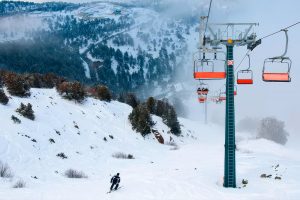
Cyprus experiences four distinct seasons, each with dramatic differences across its varied landscape. The same day that sees snow on Mount Olympus can bring 20-degree sunshine to coastal beaches just an hour away. This climate diversity creates a unique Mediterranean island where visitors can ski in the morning and swim in the afternoon. Understanding these seasonal patterns helps explain both the natural beauty and the agricultural traditions that define Cyprus. royalcaribbean.com The island enjoys roughly 300 days of sunshine annually, with temperatures influenced heavily by elevation. Coastal areas maintain mild winters and hot summers, while the Troodos Mountains create their own weather patterns. Average annual temperature along the coast reaches 26 degrees Celsius during the day and 17 degrees at…

Read more
Agricultural Landscapes as Modified Ecosystems

Agricultural Landscapes as Modified Ecosystems

Olive Groves, Vineyards, and Citrus Orchards Acting as Semi-Natural Habitats for Birds, Insects, and Pollinators Agricultural Landscapes as Modified Ecosystems in Cyprus represent human-altered terrains where traditional farming practices blend with natural processes, creating semi-natural habitats that support diverse wildlife. These landscapes, dominated by olive groves, vineyards, and citrus orchards, cover significant portions of the island's rural areas, providing food, shelter, and breeding grounds for birds like the Sardinian warbler, insects such as wild bees, and pollinators including carpenter bees. They illustrate Cyprus's agricultural heritage, where centuries of cultivation have shaped ecosystems that balance productivity with biodiversity, offering resilience in a Mediterranean climate prone to drought and erosion. https://www.youtube.com/watch?v=EliOkuH_qcQ A Modified Agricultural Mosaic Agricultural landscapes in Cyprus form a patchwork…

Read more
Akamas Peninsula Microclimate

Akamas Peninsula Microclimate

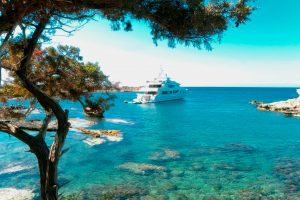
Akamas Peninsula Microclimate is defined by a unique blend of coastal and upland conditions, fostering rare ecological niches with exceptional biodiversity on Cyprus's northwest tip. This microclimate combines Mediterranean seaside warmth with cooler, moister hill zones, creating diverse habitats from sandy beaches to rocky gorges. It supports over 600 plant species and unique wildlife, making Akamas a natural treasure that highlights how small-scale climate variations can drive ecological richness on an island. akamasboattrip.com A Distinctive Blend of Coast and Upland The Akamas Peninsula's microclimate arises from its geography - a rugged 230-square-kilometer area where low coastal plains meet uplands rising to 600 meters at peaks like Smigies. Coastal zones experience typical Mediterranean patterns: hot summers (30-35°C) with sea breezes keeping…

Read more
Karpasia Peninsula Sub-Humid Climate

Karpasia Peninsula Sub-Humid Climate

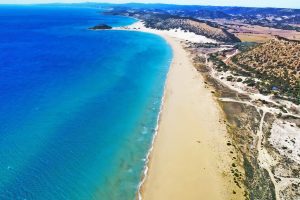
Karpasia Peninsula Sub-Humid Climate is marked by a slightly wetter profile in Cyprus's northern region, supporting lush scrub, wetlands, and seasonal agriculture. This climate, with higher rainfall than the island's interior, creates diverse habitats from coastal dunes to inland plains, fostering unique biodiversity and human activities. It shapes a landscape where moisture gradients influence everything from plant life to settlement patterns, highlighting the peninsula's role as a transitional zone in the eastern Mediterranean. wikipedia-org A Wetter Northern Haven on the Island The Karpasia Peninsula, also known as the "panhandle" of Cyprus, extends 80 kilometers into the Mediterranean from the island's northeast, encompassing a sub-humid climate that distinguishes it from the drier central Mesaoria Plains. Annual rainfall averages 450-550 millimeters, about…

Read more