Explore Cyprus with Our Interactive Map

Explore our top stories and discover ideas worth your time.

Christian Minority Traditions

Christian Minority Traditions

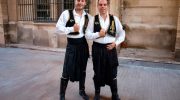
Cyprus is home to several officially recognized minority communities that form part of its broader religious and cultural landscape. Alongside the Greek Orthodox majority, three long-established minority groups are traditionally identified in official records: Maronites, Armenians, and Latin Catholics. Together, these communities represent a small but historically significant portion of the population, estimated at under five percent in total. The 1960 Constitution of the Republic of Cyprus formally recognized these groups as religious minorities and provided parliamentary representation for each community. This arrangement reflects the island’s multi-layered social structure, shaped by centuries of migration, trade, and political change in the eastern Mediterranean. Each community developed its own linguistic, cultural, and institutional identity while also integrating into wider Cypriot society. Their presence illustrates how Cyprus evolved as a crossroads of civilizations, influenced by movements of people from the Levant, Anatolia, and Europe. Maronites keep ancient Arabic dialect alive The Maronite community has been present in Cyprus since at least the early medieval period, with migration waves beginning around the 8th century. These movements were linked to broader population shifts in the eastern Mediterranean during periods of political instability in the Levant. Over time, Maronite settlements became established primarily in the northern coastal regions of Cyprus. Historical records indicate that during the Lusignan period (1192–1572), the community maintained a strong rural presence…

Read more
Seasonal Fishing Rituals of Cyprus

Seasonal Fishing Rituals of Cyprus

Cyprus fishing communities maintain ancient rituals that connect Orthodox faith with maritime traditions. The most significant ceremony occurs on Epiphany, January 6, when priests bless coastal waters and throw a cross into the sea for young men to retrieve. This ritual invokes protective power for fishermen and sailors throughout the coming year. The island's fishing heritage stretches back thousands of years, with fish being one of the main trade products in ancient times. Traditional fishing techniques, boat blessings, and seasonal ceremonies bind communities to the sea that sustains them. These rituals serve practical and spiritual purposes, ensuring divine protection for dangerous work while reinforcing social bonds among fishing families. The ceremonies mark the rhythm of fishing seasons and create moments when entire coastal villages gather at harbors to witness sacred traditions passed down through generations. The Epiphany cross dive tradition On January 6, coastal towns including Limassol, Larnaca, Paphos, and Ayia Napa host elaborate cross diving ceremonies. After morning liturgy, priests lead processions to harbors and beaches where thousands gather to witness the blessing of waters. The priest casts the Holy Cross into the sea while chanting the hymn When You Were Baptised in the Jordan, O Lord. Dozens of young men plunge into the cold January water, competing to retrieve the cross. The first person to grasp it receives…

Read more
Cyprus Venetian Fortifications

Cyprus Venetian Fortifications

The Venetian fortifications of Cyprus represent some of the most impressive defensive structures built during the Renaissance period. Between 1489 and 1571, the Republic of Venice controlled Cyprus and invested heavily in fortifying three major cities: Nicosia, Famagusta, and Kyrenia. These fortifications were designed to protect the island from Ottoman invasion using the latest military engineering techniques of the 16th century. The walls featured pentagonal bastions, thick earthwork ramparts, and deep moats, all adapted for the age of gunpowder artillery. Despite their sophisticated design, these fortifications faced their ultimate test in 1570 when Ottoman forces invaded Cyprus. The siege of Famagusta in particular demonstrated both the strength of Venetian military architecture and the determination of defenders who held out for nearly a year against overwhelming odds. Historical Background Cyprus became a Venetian possession in 1489 when Queen Catherine Cornaro, who had married into the Lusignan royal family of Cyprus, was forced to abdicate and cede the island to Venice. The Republic saw Cyprus primarily as a military base to protect its commercial interests in the Eastern Mediterranean. Venice had been active in Cyprus since around 1000 AD, and the island's location made it valuable for controlling Levantine trade routes. The island also produced profitable cotton and sugar exports. For decades, Venetian governors emphasized the need for better fortifications, but little…

Read more