Explore Cyprus with Our Interactive Map

Explore our top stories and discover ideas worth your time.

Ancient Amathus, Cyprus

Ancient Amathus, Cyprus

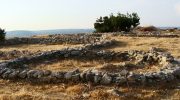
Amathus is one of the oldest royal cities on the island of Cyprus. Situated on the southern coast, just 11 kilometers east of modern Limassol, it sits among sandy hills and coastal cliffs overlooking the Mediterranean Sea. The city dates back to around 1100 BC, making it over three thousand years old. For centuries, it was one of the most powerful and wealthy kingdoms on the island. Today, its ruins tell a story of trade, religion, myth, and survival that stretches across dozens of generations. Historical Background The first people to settle in Amathus were the Eteocypriots, an indigenous group who lived on Cyprus before both the Greeks and the Phoenicians arrived. They chose a rocky coastal hill for a reason: it offered a natural harbor below and a defensible position above. The earliest signs of human presence at the site date to around 1100 BC, which places its founding right at the start of the Iron Age in the Eastern Mediterranean. The name itself likely comes from the Greek word "amathos," which simply means "sand," a fitting reference to the dunes and sandy hills surrounding the city. Legend, however, tells a different story. According to myth, the city was founded by a king called Cinyras, who named it after his mother, Amathous. Other myths connect the place to Adonis,…

Read more
Prodromos to Zoumi Trail

Prodromos to Zoumi Trail

The Prodromos to Zoumi trail sits high within the Troodos mountain range of Cyprus. This path offers a quiet escape for those who seek the crisp air of the pine forests. It connects two distinct points in a region known for its natural beauty and cool summer climate. The route follows a gentle course through dense vegetation and over rocky outcrops. Hikers often find peace among the ancient trees and the local flora. Every step reveals a new view of the valley below or the peaks above. This journey provides a deep look at the mountainous heart of the island. Many visitors choose this trek for its accessibility and its scenic rewards. It serves as a perfect introduction to the high elevation landscapes of Cyprus. The trail remains a favorite for people who appreciate the silence of the woods. It stands as a vital link in the network of mountain paths. Trail Overview Location: Troodos Mountains, Cyprus Distance: 3.1 miles (5.0 km) Route Type: Point-to-Point Difficulty: Easy Elevation Gain: 330 feet (100 meters) Duration: 1.5 – 2 hours Best Time to Visit: April–November Terrain: Forest Floor and Dirt Track The Natural Landscape of Prodromos The village of Prodromos serves as the highest settlement on the island. This altitude creates a unique environment where black pine and juniper thrive. The air…

Read more
European Roller Of Cyprus

European Roller Of Cyprus

Every spring, a small miracle arrives unannounced across the open fields and olive groves of Cyprus. A bird so astonishingly blue it looks almost painted – as though someone dipped a jay-sized creature into a pot of turquoise and let it fly. The locals call it the Κράγκα (Krangka), and if you've ever caught one sitting on a telephone wire in the morning sun, you'll understand why people stop their cars to look. What Exactly Is a Roller? The European Roller (Coracias garrulus) belongs to the family Coraciidae – the rollers – a small, ancient group of birds found mostly across Africa and tropical Asia. Think of them as the jewel-coloured cousins of kingfishers and bee-eaters: bright, bold, sit-and-wait hunters with a flair for the dramatic. The European Roller is the only member of its entire family that breeds anywhere in Europe, making it something of a continental rarity. It is a true Old World bird, connecting the warm farmlands of Spain and Cyprus to the open savannahs of Africa. A Traveller Through Deep Time Rollers as a group have existed for tens of millions of years, their fossil record stretching back into the Eocene epoch. The European Roller itself has been threading the skies between Africa and Europe for thousands of years, following the same migration corridors long before…

Read more